Booking a South Dakota Pheasant Hunt
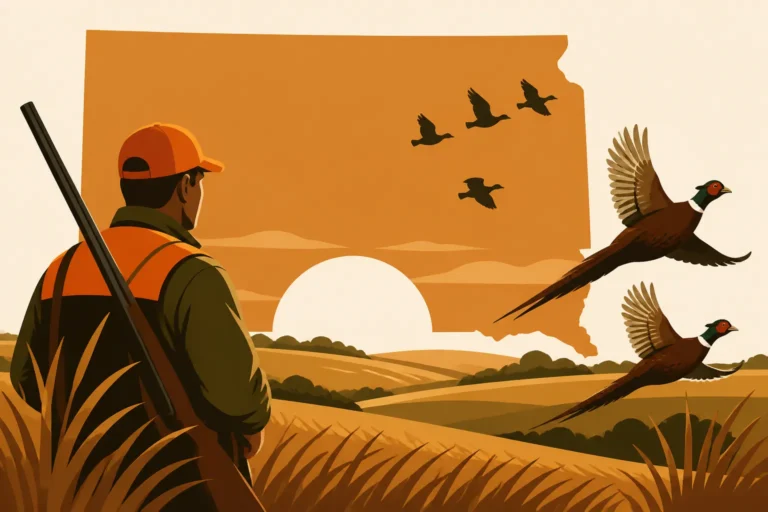
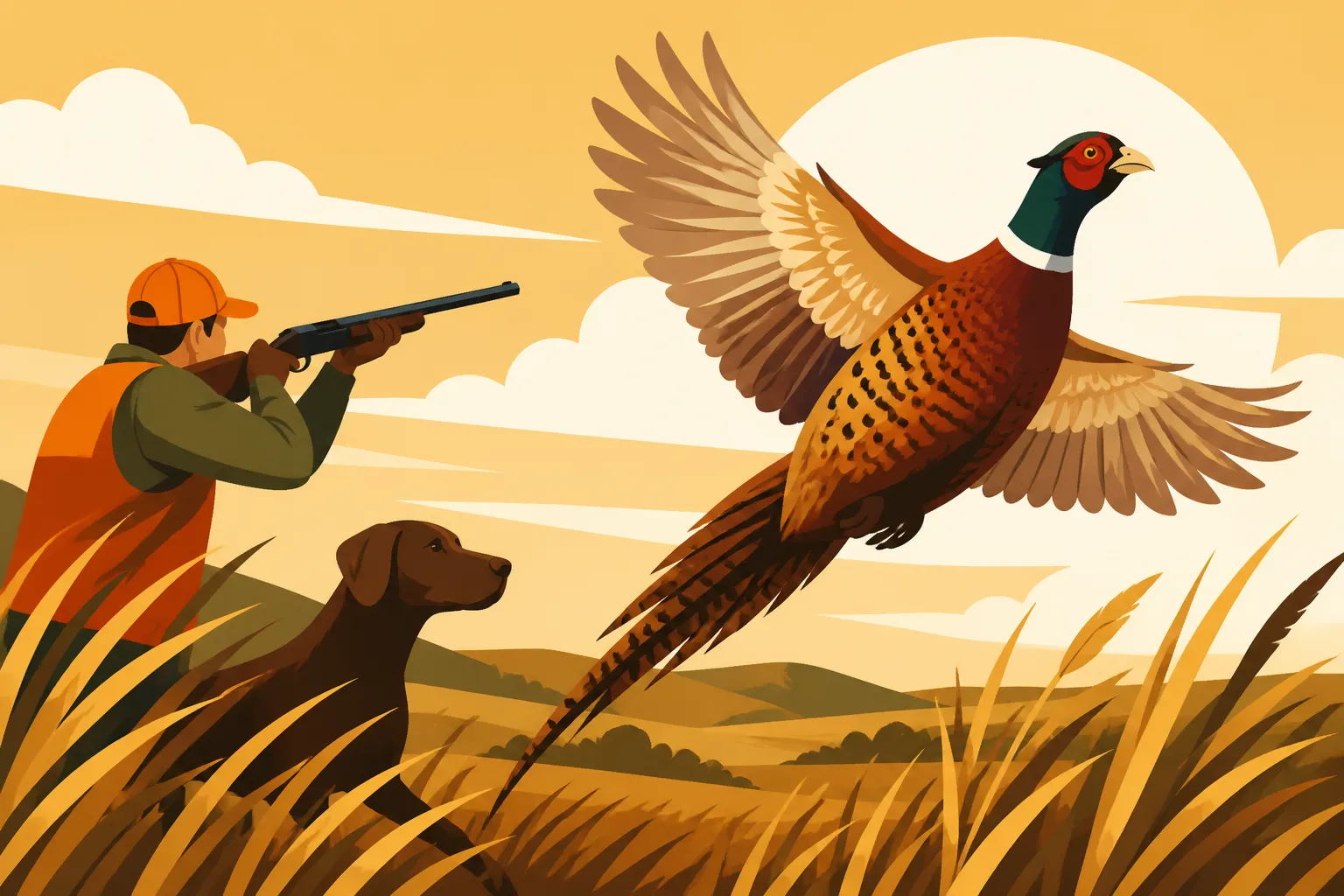
The dream of hunting pheasants in South Dakota is powerful – the vivid colors of a rooster exploding from cover, the crisp autumn air, the camaraderie with friends and dogs. But turning that dream into a reality, especially for those new to guided hunts or traveling from afar, can feel like navigating a maze. From understanding what a package truly includes to sifting through countless outfitters, the process can be daunting. This comprehensive guide will walk you through every step of booking a successful and memorable guided pheasant hunt in the "Pheasant Capital of the World," ensuring you're prepared for an incredible experience.
Understanding the South Dakota Pheasant Hunting Landscape
South Dakota is, without a doubt, the undisputed champion of pheasant hunting. It's not just a claim; it's a way of life here, deeply ingrained in the culture and economy of the state. Hunters from all corners of the globe flock to the prairies, eager to experience the thrill that only a wild South Dakota rooster can provide. But before you dive into booking, it’s crucial to understand the unique characteristics of this hunting mecca and the various ways you can experience it.
The Allure of South Dakota Pheasants
What makes South Dakota so special for pheasants? It's a perfect storm of habitat, climate, and agricultural practices. The vast agricultural fields provide abundant food sources, while countless acres of undisturbed grasslands, cattail sloughs, and shelterbelts offer ideal nesting cover, protection from predators, and crucial wintering habitat. Combine this with generally mild winters, and you have a recipe for robust pheasant populations that consistently outshine other states. The sheer density of birds means more flushing action, more opportunities for your dog to shine, and a higher chance of reaching your daily limit. It’s this consistent quality and quantity that makes it such an attractive destination. You might hear stories of Why South Dakota Grows So Many Pheasants, and they're all true – the environment here is uniquely suited to them.
For many, the appeal extends beyond just the numbers. It's the challenge of hunting truly wild birds that know how to run, hold tight, or flush unexpectedly. It’s the experience of working a field with a team, strategically pushing cover, and anticipating the flush. This isn't a canned hunt where birds are simply released; these are wild, wily pheasants that demand skill, teamwork, and a good dose of prairie grit.
Guided vs. DIY: What's Right for You?
When planning a South Dakota pheasant hunt, one of the first major decisions is whether to go with a guided experience or a do-it-yourself (DIY) approach. Both have their merits, and the best choice depends largely on your budget, experience level, and desired level of comfort and convenience.
DIY hunting often means tackling public lands, such as Walk-In Areas (WIAs) or Game Production Areas (GPAs). This can be an incredibly rewarding experience, offering a sense of self-reliance and the satisfaction of finding birds on your own. It's generally more budget-friendly, as you save on outfitter fees. However, DIY requires extensive research, scouting, and often a willingness to walk many miles, sometimes across less productive ground, to find birds. You'll need to handle all your own logistics, from finding accommodation to cooking meals and processing birds. This path is often chosen by seasoned hunters familiar with the state or those with local contacts.
Guided hunts, on the other hand, offer a turnkey solution. You arrive, and often everything – from lodging and meals to guides, dogs, and pre-scouted land – is taken care of. This eliminates the stress of finding private land access, deciphering complex public land maps, or worrying about where to stay and eat. For non-residents, first-timers, or those looking for a more relaxed, hospitality-focused experience, a guided hunt is often the preferred choice. It allows you to focus purely on the hunting experience, leaving the heavy lifting to the professionals. The benefits of a guided hunt also often include access to prime private land that would otherwise be unavailable, increasing your chances of success.
Types of Guided Hunts: Wild vs. Preserve
Within the realm of guided hunts, it's important to distinguish between wild bird hunts and preserve hunts, as they offer fundamentally different experiences and often come with different price tags and regulations.
A wild bird hunt is the quintessential South Dakota experience. Outfitters offering these hunts have secured access to large tracts of private land that hold naturally reproducing populations of pheasants. Your success on a wild bird hunt is entirely dependent on the wild bird numbers, the weather, and the skill of your hunting party and dogs. These hunts typically adhere strictly to the statewide South Dakota Pheasant Shooting Hours for Pheasants and bag limits. The birds are challenging, the flushes are explosive, and the satisfaction of a wild rooster in hand is unparalleled. These hunts often command a higher price due to the exclusivity of prime wild bird habitat and the expertise required to consistently find birds.
Preserve hunts, or shooting preserves, operate under different rules. These are privately owned or leased areas where pheasants are released specifically for hunting. The season dates are often extended beyond the statewide season, and bag limits can be more liberal or even unlimited, depending on the preserve's permit. While some preserves mimic natural hunting environments, others are designed for higher volume and more predictable shooting opportunities. For groups with varying skill levels, youth hunters, or those who prioritize guaranteed shooting over the challenge of wild birds, a preserve hunt can be an excellent option. It's vital to understand How South Dakota Licenses Shooting Preserves and what that means for your experience. Be sure to ask your prospective outfitter whether they primarily hunt wild birds or incorporate preserve-released birds into their offering. Many lodges may offer a blend, especially later in the season or on specific hunting days to ensure clients get shooting opportunities.
Deciphering the Costs of a Guided Hunt
The cost of a guided pheasant hunt in South Dakota can vary dramatically, much like booking a vacation. There isn't a one-size-fits-all price, and understanding what influences the cost and what's typically included (and excluded) is critical to budgeting and avoiding surprises. Many hunters find themselves scratching their heads when comparing quotes, so let's break down the common components.
What's Included in a Typical Package?
When you look at a guided hunt package, it's easy to get caught up in the initial number. However, what's included is far more important than just the sticker price. A typical all-inclusive package from a quality lodge will often cover:
- Lodging: Comfortable accommodations, which can range from rustic bunkhouses to luxurious lodges with private rooms.
- Meals: Usually three hearty meals a day, often featuring home-cooked, delicious fare that rivals what you'd find in a good restaurant. Many even include snacks and non-alcoholic beverages.
- Guided Hunting: This is the core, encompassing experienced guides who know the land, local bird behavior, and dog handling.
- Dogs: The outfitter usually provides a string of well-trained hunting dogs, saving you the hassle of bringing your own or managing a tired canine.
- Field Transportation: Getting to and from the hunting fields, often in comfortable UTVs, trucks, or vans.
- Bird Cleaning and Packaging: Many lodges will clean, vacuum seal, and freeze your birds for transport home. This is a huge time-saver after a long day in the field.
- Land Access: The outfitter has secured access to thousands of acres of prime private hunting ground, which is a major advantage over public land hunting.
Always scrutinize the "What's Included" list. Don't assume anything. Some lodges might include ammunition, airport transfers, or even a complimentary drink, while others might charge extra for these. For a comprehensive overview, checking What a South Dakota Pheasant Lodge Provides can give you a good benchmark for what to expect in terms of amenities and services.
Day Rates, Multi-Day Packages, and Custom Options
South Dakota outfitters offer a variety of pricing structures to accommodate different group sizes and trip durations.
- Day Rates: If you're local or only have a single day to hunt, some outfitters offer day rates. These are typically charged per hunter and include the guide, dogs, land access, and maybe a field lunch. Lodging and dinner are usually not included, requiring you to arrange your own overnight stays.
- Multi-Day Packages: This is the most common option, usually spanning 2-5 days of hunting with corresponding nights of lodging. These packages are often priced per hunter and include all the elements listed above (lodging, meals, guides, dogs, etc.). The price per day usually decreases slightly with longer packages. For instance, a "Three-Day South Dakota Pheasant Packages" might offer a better per-day value than booking three separate single days.
- Custom Options: Many lodges are flexible and can tailor a package to your group's specific needs, whether it's a longer hunt, a corporate retreat, or a family trip that combines hunting with other activities. Don't hesitate to ask about custom pricing if the standard packages don't quite fit.
The pricing can also fluctuate based on the time of year. Booking during the opening weekend or prime November dates might be more expensive and require booking well in advance, sometimes a year out. Late-season hunts in December, while potentially colder and more challenging, might come with slightly Late-Season Hunts and Lower Rates as demand lessens.
Beyond the Base Price: Licences, Tips, and Extras
While a package might seem all-inclusive, there are almost always additional costs you need to factor into your budget. Overlooking these can lead to an unpleasant surprise at the end of your trip.
First and foremost are your hunting licences and stamps. As a nonresident, you'll need a South Dakota Nonresident Small Game Licence Price and a Habitat Stamp. Your outfitter typically won't purchase these for you, though they can guide you on where and how to obtain them online. Make sure you understand Who Buys the Licence and Habitat Stamp.
Tipping your guides and lodge staff is customary and expected. These hard-working individuals contribute immensely to your experience, and a good tip reflects your appreciation for their efforts. Standard tipping rates can vary, but generally, guides receive a percentage of your hunt cost, and lodge staff are tipped separately. For a detailed breakdown, consult Tipping Guides and Dog Handlers in South Dakota.
Other potential extras include:
- Ammunition: Some lodges provide it, others require you to bring your own or purchase it on-site.
- Alcoholic beverages: Most lodges operate on a BYOB policy or have a cash bar.
- Airport transfers: If not included, arranging transportation from major airports like Sioux Falls (FSD) or Rapid City (RAP) can add to your costs.
- Gun rental: If you don't bring your own shotgun.
- Game processing upgrades: Some lodges offer additional processing, like sausage making or custom cuts, beyond basic cleaning.
- Taxidermy: If you plan to get a mount, this is a separate cost and arrangement.
- Merchandise: Souvenirs or gear from the lodge.
Creating a detailed budget that accounts for all these potential costs will ensure you have a smooth and enjoyable trip without any financial shocks.
Choosing the Right Outfitter or Lodge
Selecting the right outfitter or lodge is perhaps the most critical step in ensuring a fantastic South Dakota pheasant hunt. This decision will directly impact your hunting success, your comfort, and the overall enjoyment of your trip. With so many operations claiming to be the "best," it can be challenging to differentiate. It requires due diligence and a clear understanding of what you're looking for.
Key Questions to Ask Prospective Outfitters
Once you've narrowed down a few potential outfitters, don't be shy about asking detailed questions. A reputable outfitter will be transparent and happy to answer everything you throw at them. Here's a table of essential questions to guide your conversation:
| Category | Question | Why It Matters |
|---|---|---|
| Hunting Style | Are your hunts primarily for wild birds or released birds? | Determines the challenge and authenticity of the hunt. |
| What is your typical Hunter Group Size on a South Dakota Hunt? | Impacts individual attention and dynamics in the field. | |
| How many guides/dogs per group? | Affects efficiency and dog rest. | |
| Land & Habitat | How much land do you control for hunting? Owned vs. leased? | Larger, owned tracts often mean less pressure and better habitat. |
| What types of habitat do you primarily hunt (e.g., cattails, CRP)? | Helps you understand the physical demands and typical cover. | |
| What is the typical walking distance per day? | Essential for assessing physical fitness requirements. | |
| Logistics | What exactly is included in the package price? | Crucial for budgeting and avoiding hidden fees. |
| What is your policy on deposits and cancellations? | Protects you in case of unforeseen circumstances. | |
| Do you offer airport pickup? If so, from which airports? | Important for travel planning, especially for non-residents. | |
| Can I bring my own dog? What are the requirements? | If hunting with your own dog is a priority, this is key. | |
| Experience | How long have you been in business? | Indicates stability and experience. |
| What is your typical success rate or bag average? | Gives an idea of hunting quality (but be wary of guarantees on wild birds). | |
| Can you provide references from past clients? | The most reliable way to gauge client satisfaction. |
Beyond these, inquire about gun policies, safety protocols, and any specific needs your group might have. Platforms like BookYourHunt or GoHunt can be great starting points to find outfitters and often list answers to many of these questions, streamlining your initial research.
Evaluating an Outfitter's Reputation and References
In today's interconnected world, an outfitter's reputation often precedes them. Before committing, do your homework diligently.
Start by checking their website and social media presence. Look for consistency in their messaging, quality of photography (are the birds truly wild-looking, or do they appear released?), and responsiveness to inquiries. Pay attention to how long they've been operating; established businesses often have refined operations.
However, don't stop there. Online reviews on independent platforms are invaluable. Look for consistent themes, both positive and negative. Be discerning; a single negative review might be an outlier, but a pattern of complaints about specific issues (e.g., poor guides, misrepresented land, hidden fees) is a red flag. Forums and hunting groups on social media can also provide candid feedback.
The most critical step is to ask for references. A reputable outfitter should gladly provide contact information for several recent clients, preferably from the past one or two seasons. When you call these references, ask specific questions:
- Did the hunt meet your expectations?
- Were the guides knowledgeable and friendly?
- Was the lodging and food as described?
- Were there any unexpected costs?
- Would you hunt with them again?
- What was the biggest positive and negative aspect of your trip?
Listen carefully to their tone and enthusiasm. Their firsthand experience is the best indicator of what you can expect.
The Importance of Habitat and Acreage
Pheasants are a product of their environment. The quality and quantity of habitat an outfitter controls directly correlate to the quality of your hunting experience. Outfitters with access to thousands of diverse acres—including CRP (Conservation Reserve Program) grasslands, cattail sloughs, shelterbelts, and food plots—will consistently hold more birds and offer more varied hunting scenarios.
Don't be afraid to ask about the specific types of habitat they hunt and How Much Ground an Outfitter Controls. A common frustration for hunters is showing up only to find they are hunting small, heavily pressured tracts of land. An outfitter that can rotate fields and has plenty of unpressured cover is a significant advantage, especially if you're targeting prime dates like the South Dakota Pheasant Opener Date.
Also, inquire about their habitat management practices. Do they plant food plots? Do they maintain winter cover? Outfitters who actively manage their land for wildlife demonstrate a commitment to strong bird populations. This due diligence ensures you're not just booking a hunt, but an experience on land that truly supports robust pheasant numbers.
Navigating Contracts, Deposits, and Cancellations
Once you've found an outfitter you're excited about, the next phase involves the practicalities of booking: contracts, deposits, and understanding the fine print. This is often the least glamorous part of the process, but it's arguably the most important for protecting your investment and ensuring a smooth trip.
Understanding Your Booking Agreement
A professional outfitter will always provide a written contract or booking agreement. This document outlines the terms and conditions of your hunt, and you should read every word carefully before signing. Think of it as your safety net.
The contract should clearly state:
- Hunt Dates: The exact start and end dates of your hunting trip.
- Services Included: A detailed list of everything provided (lodging, meals, guides, dogs, etc.), matching what was discussed.
- Total Cost: The agreed-upon price for your group, including any per-person charges.
- Payment Schedule: When deposits are due, and when the final balance must be paid.
- Cancellation Policy: The terms under which you or the outfitter can cancel, and what refunds or credits might be available.
- Liability Waiver: Most contracts include a clause releasing the outfitter from liability for accidents. Make sure you understand what you are agreeing to.
- Rules and Regulations: Any specific lodge rules or hunting regulations you must abide by.
If anything in the contract is unclear or deviates from your previous conversations, don't hesitate to ask for clarification or request amendments. It's much easier to address discrepancies before you sign and send your deposit than after. Pay particular attention to the What a South Dakota Contract Should Say as it legally binds both parties.
Deposit Policies and Payment Schedules
Almost all outfitters require a non-refundable deposit to secure your booking. This deposit typically ranges from 25-50% of the total hunt cost. The purpose of the deposit is to guarantee your dates and allow the outfitter to plan staffing, allocate land, and turn away other interested parties.
- Deposit Due Dates: Deposits are often due immediately upon booking, especially if you're reserving prime dates far in advance.
- Balance Due Dates: The remaining balance is usually due anywhere from 30 to 90 days before your hunt starts. Some outfitters may request final payment upon arrival, but this is less common for larger operations.
It's crucial to adhere strictly to these payment schedules. Missing a deposit or final payment deadline could result in the loss of your booking and your initial deposit. Understand the Deposit Amounts on a South Dakota Booking and be prepared to pay promptly. Consider payment methods—some outfitters prefer checks, others accept credit cards (which may incur a processing fee), and some might use online payment platforms.
Dealing with Cancellations and Unexpected Circumstances
Life happens, and sometimes, despite the best intentions, you might need to cancel or postpone your hunt. This is where a clear understanding of the outfitter's cancellation policy is vital.
Most outfitters have a strict non-refundable deposit policy. If you cancel within a certain timeframe (e.g., 60-90 days out), you might forfeit your deposit entirely. If you cancel closer to the hunt date, you could be responsible for the full amount, or a significant portion of it, unless the outfitter can rebook your dates.
- Refunds vs. Credits: Some outfitters might offer a credit for a future hunt if you cancel with sufficient notice, especially if they can fill your spot. However, full cash refunds are rare.
- Force Majeure: What if the cancellation is due to unforeseen circumstances beyond your control, like a natural disaster or severe illness? Check if the contract includes a "force majeure" clause.
- Hunt Insurance: For a significant investment, especially for non-residents traveling long distances, hunt insurance can be a wise consideration. This type of insurance can protect your financial investment if you need to cancel due to covered reasons like illness, injury, or severe weather that prevents travel. It's often worth the peace of mind. Discuss Hunt Insurance Worth Buying with your outfitter and an insurance provider.
Always communicate any potential issues with your outfitter as soon as possible. Open communication can often lead to more flexible solutions than a last-minute cancellation.
Logistics: Planning Your Trip to South Dakota
Once your hunt is booked, the excitement builds, and it’s time to dial in the practical details of your journey. Traveling to South Dakota for a pheasant hunt involves more than just packing your shotgun; it requires careful planning regarding travel, accommodation, and managing your beloved hunting companion if you choose to bring them.
Travel and Accommodation Considerations
For most nonresident hunters, getting to South Dakota means flying into one of the state's commercial airports. The most common entry points are Sioux Falls (FSD) in the east and Rapid City (RAP) in the west. From there, you'll likely need to rent a vehicle to reach your lodge, which could be several hours' drive into the heart of pheasant country. Always confirm Nearest Airports for a South Dakota Hunt with your outfitter.
- Flying with a Firearm: If you're bringing your own shotgun, you need to understand and strictly adhere to TSA and airline regulations for Flying With a Shotgun to South Dakota. This typically means your firearm must be unloaded, in a locked, hard-sided case, and declared at check-in. Ammunition usually has separate packing requirements.
- Vehicle Rental: A sturdy rental vehicle, often an SUV or truck, is recommended for navigating rural South Dakota roads, especially if you anticipate any wet or snowy conditions. All-wheel or four-wheel drive can be a lifesaver on unimproved gravel roads.
- Lodge Accommodations: Most guided pheasant hunts include lodging as part of the package. These lodges vary widely, from comfortable but basic bunkhouse-style rooms to private suites with all the amenities. Inquire about Lodge Rooms and Meal Plans and any specific amenities you might need (e.g., laundry facilities, Wi-Fi, private bathrooms). Some lodges are in small towns, offering access to local stores, while others are truly remote. If your package doesn't include lodging, consider Motels in South Dakota Bird Towns like Chamberlain, Pierre, or Aberdeen, depending on your hunting area.
Bringing Your Hunting Dog: Requirements and Care
For many hunters, a pheasant hunt isn't complete without their trusty canine companion. While most lodges provide excellent dogs, Bringing Your Own Dog on a Guided Hunt is often an option, but it comes with specific considerations.
- Lodge Policies: First, confirm with your outfitter if they allow guest dogs and if there are any restrictions (e.g., breed, size, temperament). Many lodges have dedicated Kennel Facilities at South Dakota Lodges for guest dogs, while others may allow well-behaved dogs in specific rooms.
- Health and Vaccinations: You'll need to ensure your dog is up-to-date on all vaccinations. It's also a good idea to bring their vaccination records, as some states (though not typically South Dakota for entry) or lodges might require proof. Consider asking your vet for a health certificate if traveling long distances.
- Prairie Hazards: South Dakota's prairies, while beautiful, present unique challenges for dogs. Burrs are a constant threat, especially the notorious sand burrs and cockleburs, which can embed deeply in fur and paws. Regular brushing and paw protection (like dog boots) are highly recommended. Keeping a Dog Cool on an Early Opener is crucial, as early season temperatures can still be warm, leading to heat exhaustion. Always have plenty of water for your dog in the field. Be aware of cactus in West River country and rattlesnakes, though they are less active during peak pheasant season. Carry a small dog first aid kit, and know the location of the nearest vet for potential Vet Care and Dog Injuries on a Trip.
Game Care, Processing, and Getting Your Birds Home
After a successful hunt, ensuring your pheasants are properly cared for is essential for delicious meals later.
- Field Dressing vs. Whole Birds: Most South Dakota regulations allow you to transport pheasants with a "leg or wing attached" to prove species and sex, eliminating the need for full field dressing in the field if your lodge cleans birds. However, if you're DIY hunting, understanding Cleaning Pheasants in the Field might be useful.
- Lodge Services: As mentioned, many guided operations include bird cleaning, vacuum sealing, and freezing as part of their service. This is a massive convenience. They'll typically package your birds in possession-limit-appropriate quantities, making transport easy. Make sure you understand Bird Cleaning Included in the Price.
- Transporting Home: For driving, frozen, vacuum-sealed birds packed in coolers with dry ice are ideal for Getting Birds Home From South Dakota. If flying, birds must be rock-solid frozen and packed in specific containers (often Styrofoam within a cardboard box) checked as luggage. Check with your airline about their specific policies for transporting game meat. You'll also need to be mindful of Transport Rules for Cleaned Birds which usually stipulate wings or heads attached until final consumption to ensure legal identification.
- Finding a Processor: If you have big game like deer or antelope, the lodge can usually direct you to Deer Processors Near South Dakota Lodges. Plan this in advance, as processors can be swamped during peak season. Ensure you understand their pricing and how you'll get the meat home, especially if you're flying.
Making the Most of Your Guided Pheasant Hunt
You've done all the planning, the booking, and the packing – now it's time for the actual hunt! A guided pheasant hunt is an experience, and knowing what to expect in the field, how to interact with your guides, and what to do with your birds afterward will elevate your trip from good to unforgettable.
What to Expect in the Field
South Dakota pheasant hunting is an active sport. Be prepared for walking, often through dense cover like tall CRP grass, shelterbelts, or soggy cattail sloughs. Your guides will outline the plan for each field, often involving "walkers" who push the cover and "blockers" who position themselves at the end to intercept running birds. Understanding the roles is key, and don't hesitate to ask if you're unsure.
- The Dogs are the Stars: The outfitter's dogs are often the heart of the operation. Watch them work, admire their skill, and trust their noses. They will tirelessly sniff out birds, point, and retrieve. Give them space to do their job, and celebrate their successes.
- Safety First: Your guide will emphasize safety protocols, especially regarding muzzle control and shooting lanes. Always know where your hunting partners are, never shoot at low-flying birds, and always identify your target. Safe Gun Handling on a Bird Drive is paramount, especially when working with blockers or other hunters.
- Bird Behavior: Expect pheasants to be wily. They will run, hold tight, or flush unexpectedly. Why Birds Run Instead of Flush is a common question, and guides will explain how the birds use cover to their advantage. Listen to your guide’s instructions; they know how these birds behave on their specific properties. Sometimes, even after a shot, a bird might be a runner, and Following Up a Marginal Shot in Grass requires patience and good dog work.
Etiquette and Communication with Your Guide
Your guide is your partner in the field, and a good relationship with them will significantly enhance your hunt. They are experienced professionals whose goal is to help you succeed and have a great time.
- Listen and Learn: Your guide knows the land and the birds. Pay attention to their instructions for walking lines, shooting lanes, and positioning. Don't be afraid to ask questions about strategy or local lore.
- Patience and Positivity: Hunting involves variables—weather, bird movement, dog performance. Some fields will be hotter than others. Maintain a positive attitude, even if the birds aren't flying as thick as you hoped in one particular spot. Patience is a virtue in pheasant hunting.
- Communicate Clearly: If you're tired, need a water break, or have a question, speak up. Clear communication ensures everyone's safety and enjoyment. If you're having trouble with your gun or a particular shot, let your guide know.
- Respect the Dogs: Never discipline or interfere with the guide's dogs. If you have concerns, speak to the guide.
- Be Realistic: While outfitters aim for success, wild bird hunting isn't a guarantee. Appreciate the experience, the scenery, and the camaraderie, regardless of the final bird count. And remember, expressing your appreciation through a gratuity is customary and deeply valued by guides and staff.
Post-Hunt Details: Taxidermy and Memories
The hunt doesn't end when the guns are cased. There are still memories to solidify and often beautiful birds to preserve.
- Taxidermy: If you're hoping for a mount, discuss this with your outfitter early on. They can advise on how to properly care for a bird destined for the taxidermist, usually requiring special handling of the head and wings. They may also have local Taxidermists in South Dakota Hunting Towns they recommend or work with regularly. Understanding the process for Bird Mounts and Fan Displays is helpful before you commit.
- Photos and Stories: Take plenty of photos! Document the birds, the dogs, the landscapes, and your hunting partners. These memories are what you'll cherish for years to come. Your guide will often be happy to assist with group photos in the field.
- Relive the Hunt: Back at the lodge, enjoy the storytelling, the delicious meals, and the relaxation. This is a time to bond with your fellow hunters and reflect on the day's adventures.
- Stay in Touch: Many hunters develop long-term relationships with their chosen outfitter, returning year after year. If you had a great experience, consider rebooking for next season or leaving a positive review for them online. Your feedback helps other hunters make informed decisions, just like this guide aims to help you.
Booking a guided pheasant hunt in South Dakota is an investment in an unforgettable experience. By understanding the landscape, costs, selection process, logistical details, and field etiquette, you'll be well-prepared to make the most of your trip and create lasting memories in the heart of pheasant country.
Disclaimer
This article is for general informational purposes only and does not constitute professional advice. Laws, prices and regulations vary by location and change over time. Consult a qualified professional for guidance on your specific situation.