Taxidermists in South Dakota Hunting Towns
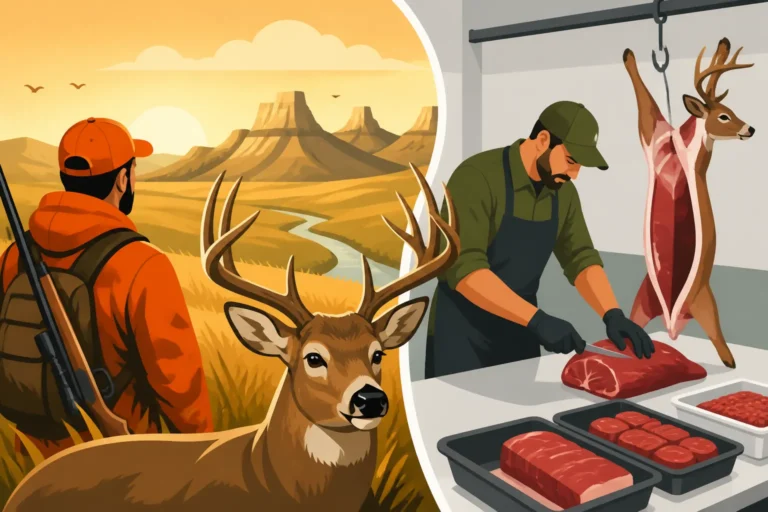
You've just wrapped up an incredible hunt in South Dakota – maybe it was a hard-earned mule deer from the West River breaks, a cunning whitetail from the Missouri River timber, or a magnificent pronghorn from the sprawling prairie. That feeling of success is exhilarating, but then a new question often looms large: "What do I do with this incredible trophy?" Finding a skilled taxidermist, especially in an unfamiliar hunting town, can feel like a whole new challenge, one that's just as crucial as the hunt itself to preserve those memories. This guide is all about helping you navigate that process, ensuring your prized animal gets the respectful, expert treatment it deserves.
Why Local Taxidermists Matter and Why Finding the Right One is Key
When you've put in the effort, endured the cold, or battled the wind for your trophy, the last thing you want is for it to be anything less than perfectly preserved. This isn't just about saving money on shipping; it's about connecting with someone who truly understands the nuance of the animals you've pursued in the specific environment you found them.
The Value of a Local Expert
A taxidermist operating out of a small South Dakota hunting town isn't just a businessperson; they're often part of the local hunting culture, deeply familiar with the region's wildlife. They understand the subtle anatomical differences that might exist between a whitetail harvested from an East River ag field and one from a rugged West River river bottom. This intimate knowledge translates into a more accurate and lifelike representation of your animal.
Think about it: a taxidermist who lives and breathes South Dakota hunting often harvests these same animals themselves. They know the subtle musculature of a prairie pronghorn, the distinctive ear shape of a Black Hills mule deer, or the specific way a rooster pheasant holds its head when strutting. This firsthand experience allows them to create a mount that captures the true essence and character of the animal, not just a generic rendition. They can advise you on common trophy sizes in the area, or even share insights into local wildlife biology that might make your specific animal unique.
Moreover, these local experts are often deeply networked within the hunting community. They work with guides, outfitters, and landowners, and have seen countless animals come through their doors. They understand the common challenges of field care specific to South Dakota's often extreme weather conditions and can guide you through the initial steps to ensure your cape is in the best possible condition from the moment you drop it off.
Logistics and Convenience
Let's be realistic, after a successful hunt, you're likely tired, perhaps cold, and certainly focused on getting your meat processed. The last thing you want is a long, stressful drive with a delicate cape and antlers. Choosing a taxidermist in or near your hunting destination offers unparalleled logistical convenience.
Imagine having to drive several hours, or even across state lines, with a raw cape. Weather conditions, especially in South Dakota, can be unpredictable. A cape that isn't properly cooled or preserved can quickly degrade, leading to hair slippage or other issues that compromise the final mount. Being able to drop off your trophy at a local shop immediately, often within hours of the harvest, drastically reduces these risks. This quick turnaround from field to freezer (or salting station) is absolutely critical for the quality of your finished piece.
Additionally, a local taxidermist simplifies potential future interactions. You might need to revisit the shop to discuss pose options, pick up your finished mount, or even just check on its progress. A convenient location means less travel time and effort, making the entire experience smoother. It’s also often easier for your guide or other local contacts to assist you with the drop-off if you're on a tight schedule or need to head home quickly.
How to Find Reputable Taxidermists in South Dakota Hunting Towns
Finding a taxidermist you can trust with your hard-earned trophy is paramount. It’s not a decision to take lightly, and thankfully, South Dakota's hunting communities are typically tight-knit, making recommendations a reliable resource.
Leveraging Local Knowledge and Word-of-Mouth
The best way to find a truly reputable taxidermist is often by asking those who live and breathe hunting in South Dakota. Your guide, if you used one, will almost certainly have recommendations based on years of experience with their clients' successes. Lodge owners, local sporting goods store clerks, or even the folks you strike up a conversation with at a gas station or diner during your hunt are invaluable resources. They've seen the good, the bad, and the ugly.
Don't be shy about asking around. If you're staying at a lodge after Booking a South Dakota Pheasant Hunt or if you've spent time with an outfitter, they are your first and best resource. They know which taxidermists consistently deliver quality work and which ones to potentially steer clear of. Many times, these local businesses have standing relationships with taxidermists who prioritize hunters from their area. Hunters are passionate, and they love to share their experiences, especially when it comes to preserving a trophy. A genuine recommendation from a seasoned local hunter or business owner is worth its weight in gold.
Online Resources and Hunter Forums
While nothing beats a personal recommendation, online resources can certainly help narrow down your options, especially if you're planning your trip remotely. Many online hunting forums and social media groups dedicated to South Dakota hunting often feature discussions about taxidermists. You can post a query asking for recommendations in specific areas, such as near Pierre, Rapid City, or Aberdeen, depending on where you hunted.
Platforms that cater to hunters, like BookYourHunt and GoHunt, while primarily focused on trip planning or gear, often foster communities where hunters share experiences and advice. While you might not find a direct list of taxidermists on these sites, delving into their forums or community sections could lead you to threads where hunters discuss who they've used and their satisfaction levels. Be sure to use specific search terms like "South Dakota taxidermy reviews" or "pheasant taxidermist South Dakota" to filter your results effectively. However, always cross-reference online reviews with personal contacts, as online opinions can sometimes be biased.
Checking for Licensure and Associations
While specific state licensing for taxidermists can vary, looking for professionals who are members of national or state taxidermy associations is a strong indicator of their commitment to quality and ethical practices. Organizations like the National Taxidermists Association or the South Dakota Taxidermists Association often have codes of conduct and standards of workmanship that members are expected to uphold.
Membership in these associations usually means the taxidermist is actively engaged in their craft, committed to ongoing education, and staying current with best practices in preservation techniques. This can give you an added layer of confidence that they are skilled and serious about their work. Don't hesitate to ask a potential taxidermist about their professional affiliations or any certifications they hold. It shows you're a discerning client who values craftsmanship. You can also often find lists of members on these associations' websites, which can be a great starting point for your search.
Key Questions to Ask and What to Look For
Once you've identified a few potential taxidermists, it's time to do your due diligence. This stage is crucial for ensuring you're comfortable with their work, process, and pricing.
Examining Their Work and Specializations
Always, always ask to see examples of a taxidermist's finished work. A reputable taxidermist will be proud to show off their portfolio, whether it's physically in their shop or through high-quality photographs. When reviewing their work, pay close attention to the details:
- Realism of the Eyes: Do they look lifelike, with appropriate color and depth? This is often a dead giveaway for quality.
- Facial Features: Are the nose, mouth, and ear positions natural and symmetrical? Look for any signs of shrinkage or unnatural puckering.
- Hair and Feather Lay: Does the fur or feathers lie naturally, without any bald spots, weird angles, or glue residue?
- Seams and Stitching: Are any seams, particularly around the neck or body, clean, tight, and virtually invisible?
- Pose: Does the pose capture the natural essence of the animal, or does it look stiff or unnatural?
If you hunted a specific species, like a pronghorn or a black bear, ask to see examples of that particular animal. Some taxidermists might excel at birds, while others specialize in big game. You want someone who has a proven track record with the species you're entrusting them with. For instance, creating a lifelike Black Hills Elk Hunting Tactics mount requires a very different skill set than a vibrant pheasant mount.
Understanding the Process and Turnaround Times
Preserving an animal through taxidermy is a meticulous, multi-stage process that takes time. A good taxidermist will be transparent about their workflow and realistic about completion dates. Typically, the process involves:
- Field Prep & Drop-off: Your initial work to get the cape to the taxidermist in good condition.
- Skinning & Fleshing: The taxidermist meticulously removes all remaining meat and fat from the hide.
- Tanning: This is a chemical process that preserves the hide, making it durable and preventing decomposition. This step often involves sending the hide to a commercial tannery, which can take several months.
- Sculpting & Form Selection: Choosing or modifying a foam form that matches the animal's dimensions and desired pose.
- Mounting: Attaching the tanned hide to the form, setting the eyes, and positioning the features.
- Finishing & Detailing: Painting realistic details on the nose and eyes, adding final touches, and allowing the mount to dry completely.
Because of this intricate process, especially the tanning stage, a realistic turnaround time for a quality shoulder mount is usually 12-18 months, and sometimes even longer for larger animals or full body mounts. Be wary of a taxidermist who promises a mount in just a few months, as this can sometimes indicate shortcuts in the tanning process, which can lead to problems down the road. Patience is key when you want a lasting, high-quality trophy. It's similar to waiting for a good cut of venison after Aging Venison Before Cutting. Make sure you discuss these timelines upfront and get a clear understanding of when you can expect your mount to be ready.
Pricing, Deposits, and Payment Schedules
Taxidermy is an investment, and prices can vary significantly based on the species, pose, and size of the animal, as well as the taxidermist's reputation and location. Always request a clear, itemized quote upfront. Understand what is included in the price – does it cover the form, eyes, basic pedestal, or any special habitat elements?
Most taxidermists require a deposit, often 50% of the total cost, when you drop off your animal. This helps them cover the initial costs of tanning and supplies. Be sure to clarify the payment schedule for the remaining balance. Do they expect payment in full upon completion, or is there a staged payment plan?
| Aspect | Good Signs | Red Flags |
|---|---|---|
| Portfolio | Extensive, varied, and specific to the species you hunted; lifelike details. | Limited or blurry photos; all mounts look stiff or generic; no examples of your species. |
| Experience | Has been in business for many years; can provide references from past clients. | Newly established with little track record; hesitant to provide references. |
| Transparency | Openly discusses their process, materials, and expected timelines. | Vague answers about their process; avoids direct questions about materials. |
| Turnaround | Realistic timeframe (12-18+ months for big game); provides regular updates. | Promises unrealistically fast completion (e.g., 3-6 months for a deer). |
| Pricing | Clear, itemized quote; explains what is included; reasonable deposit terms. | Hidden fees; unwilling to provide a written quote; demands full payment upfront. |
| Facility | Clean, organized shop; proper freezers/storage for capes. | Unsanitary conditions; capes stored improperly (e.g., exposed to pests). |
| Communication | Responsive to calls/emails; keeps you informed of progress. | Difficult to reach; consistently misses promised update times. |
It's also important to discuss what happens if, for some reason, the hide isn't suitable for mounting after skinning, or if you change your mind. While uncommon with proper field care, these are important scenarios to clarify. Getting all financial agreements in writing helps avoid misunderstandings down the road.
Field Care and Preparation: Setting Your Taxidermist Up for Success
The quality of your finished mount begins not in the taxidermist's studio, but in the field, moments after your successful harvest. Your actions right after the animal is down are critically important for the taxidermist's ability to create a beautiful, lasting trophy.
Immediate Field Care for Your Trophy
Protecting the hide and cape starts the second you walk up to your animal. The primary goal is to cool the animal rapidly and keep the hide clean and undamaged. This is especially true in South Dakota's often warm early seasons or during intense physical activity where an animal's body heat can quickly spoil a cape.
First and foremost, avoid dragging the animal directly on the ground if you intend to get a shoulder mount. The friction can rub hair off the hide, particularly around the shoulders, chest, and face, ruining the potential for a seamless mount. If dragging is necessary, try to lift the head and shoulders, or better yet, use a game cart, sled, or four-wheeler to transport it. If you're quartering the animal for meat, ensure that the cape is kept separate from any dirt, blood, or plant debris. Consider bringing a clean game bag or tarp specifically for your cape.
Rapid cooling is paramount. After Field Dressing an Antelope Fast or any big game, the animal's body heat can quickly lead to bacteria growth in the hide, causing "hair slippage" where the hair detaches from the skin. Get the animal to shade as soon as possible, and if ambient temperatures are warm, prop the cavity open to allow air circulation. If you can get it to a cooler or refrigeration unit quickly, do so. This proactive approach ensures the taxidermist receives a hide in pristine condition, giving them the best canvas to work with. Remember, just like preserving meat by Getting Meat Cooled in Warm Weather, the cape needs quick attention too.
Caping and Salting Essentials
While it's always best to let your chosen taxidermist do the final skinning, sometimes that's not possible immediately. Knowing the basics of caping for a shoulder mount and proper preservation techniques can save your trophy. If you can't get the animal to a taxidermist within a few hours, you'll need to skin and salt the cape yourself or find someone who can.
For a shoulder mount, the general rule is to make a "Y-cut." This involves making an incision from the back of the skull, along the top of the neck, to just behind the shoulder blades. Then, two incisions are made from each elbow, meeting at the sternum, and connecting to the initial incision at the back of the shoulder. This ensures enough hide is taken for a quality shoulder mount. Always remember to leave plenty of extra hide, as it's easier for the taxidermist to trim it down than to add more.
Once the hide is off, the next critical step is salting. This removes moisture and inhibits bacterial growth. Use fine, non-iodized salt (like rock salt or saddle salt). Liberally spread the salt over the entire flesh side of the cape, paying extra attention to the head, face, and ears. Work the salt into all crevices. Allow the cape to sit for 24-48 hours, then scrape off the wet salt and reapply fresh, dry salt. Repeat this process until the hide is dry and stiff. This process, combined with cooling, is often what saves a cape if there's a delay. However, if you are truly unsure or pressed for time, freezing the whole head and cape (ensuring it's rolled flesh-to-flesh, sealed in a heavy-duty plastic bag) is a viable temporary solution until you can get it to a professional. This also applies when considering Shipping a Cape and Antlers Home if your chosen taxidermist is not local.
The ultimate goal of all this diligent field care is to deliver a perfect canvas to your taxidermist, free of cuts, freezer burn, or hair slippage. Their skill can transform a well-cared-for cape into a masterpiece that immortalizes your South Dakota hunting adventure for years to come.
Disclaimer
This article is for general informational purposes only and does not constitute professional advice. Laws, prices and regulations vary by location and change over time. Consult a qualified professional for guidance on your specific situation.