Vet Care and Dog Injuries on a Trip
There's nothing quite like the thrill of a South Dakota pheasant hunt with your trusted canine companion by your side, but let's be honest, that joy can quickly turn to dread if your dog gets injured miles from anywhere. The thought of your best hunting buddy getting hurt is enough to make anyone anxious, especially when you're far from your regular vet and deep in unfamiliar territory. This guide will walk you through preparing for, preventing, and handling those stressful moments when your hunting dog needs medical attention during a trip, ensuring you're as ready as possible for whatever the prairie throws your way.
Proactive Preparations for a Safe Hunt
The best way to handle a dog injury on a South Dakota hunt is to prevent it from happening in the first place. A little foresight and preparation can save a lot of heartache and expense down the road. Thinking ahead means getting your dog in top condition and packing essential supplies long before you hit those open fields.
Pre-Trip Veterinary Check-Ups and Conditioning
Just like any athlete, your hunting dog needs to be in peak physical condition to endure the demanding days of a South Dakota pheasant hunt. This isn't just about avoiding injuries; it's about maximizing their performance and enjoyment too. Schedule a comprehensive vet check-up a few weeks before your trip. This allows ample time for any booster shots, deworming, or to address any minor issues that might be brewing. Discuss with your vet the physical intensity of the hunt – long hours of running, pushing through thick cover, and navigating varied terrain. They can advise on joint supplements, nutritional needs, or even a pre-hunt conditioning regimen if your dog isn't regularly working hard. Think about it: a couch potato dog suddenly asked to run ten miles a day is ripe for muscle strains or worse.
Ensuring your dog is up-to-date on all vaccinations is critical, not only for their health but also for the health of other dogs they might encounter in a kennel or field. Beyond the usual core vaccines, consider discussing canine influenza and leptospirosis, as these can be prevalent in areas where dogs congregate or come into contact with wildlife. Make sure you have copies of all vaccination records and your dog's health certificate if traveling across state lines. Some lodges or outfitters, particularly those you might find through platforms like BookYourHunt, will require these documents for their kennel facilities. It's also a good idea to know the nearest emergency vet clinic to your hunting grounds before you leave home. This crucial piece of information could save precious minutes in a crisis.
Essential Gear for Dog Protection and Hydration
South Dakota's landscape can be beautiful, but it's also tough on paws. Foxtails, burrs, stubble, and even frozen ground later in the season can cause painful cuts and abrasions. Investing in good quality paw protection like hunting booties or tough paw wax is a game-changer. Introduce your dog to booties slowly at home, well before the trip, so they get accustomed to wearing them. A dog that fights their booties in the field is a liability. Remember, a dog with sore paws won't hunt effectively, and a small cut can quickly become infected if not properly cared for. Dog Water and Burrs on the Prairie delves deeper into these specific challenges.
Hydration is another non-negotiable. Dogs working hard can overheat quickly, especially during those unexpectedly warm early season days. Always carry plenty of water and a collapsible bowl. Offer water frequently, even if your dog doesn't seem thirsty. Dehydration can lead to serious health issues, including heatstroke. On warm days, be especially mindful of the signs of overheating, like excessive panting, lethargy, or stumbling. Having a cooling vest or even just dousing them with water can make a huge difference. For more insights on this, check out Keeping a Dog Cool on an Early Opener.
Building a Comprehensive Canine First Aid Kit
You wouldn't head into the backcountry without a personal first aid kit, so why would you do the same for your dog? A well-stocked canine first aid kit is an absolute must-have. Don't just throw a few bandaids in a bag; think about the specific types of injuries common to hunting dogs. Here's what you should consider including:
- Wound Care: Antiseptic wipes or spray (like chlorhexidine or betadine), gauze pads, non-stick pads, vet wrap (self-adhering bandage), medical tape, blunt-nosed scissors, tweezers (for splinters or ticks), super glue (for minor cuts), styptic powder (for quick stops to bleeding nails).
- Pain Relief & Anti-inflammatories: Consult your vet about appropriate over-the-counter options for dogs, like carprofen or meloxicam, and the correct dosages. Never give human medications without veterinary guidance.
- Allergies: Antihistamines (like diphenhydramine) for insect stings or allergic reactions, again, with vet-approved dosages.
- Digestive Issues: Probiotic paste or anti-diarrhea medication.
- Eye Care: Saline solution for flushing eyes, antibiotic eye ointment (prescription from your vet).
- Other Essentials: Thermometer, lubricant (for thermometer), leash, muzzle (even the sweetest dog can bite when in pain), spare paw booties, emergency contact info for your vet and a local South Dakota emergency clinic.
- Communication: A fully charged cell phone (though service can be spotty in some remote areas), a satellite messenger or two-way radio for truly isolated hunts.
Knowing how to use these items is just as important as having them. Consider taking a pet first aid course or at least familiarizing yourself with basic wound care, how to create a makeshift splint, and how to recognize serious conditions. When searching for outfitters on sites like GoHunt, it's a great idea to ask if they have a vet tech on staff or if they recommend a local emergency vet.
Handling Common Dog Injuries in the Field
Even with the best preparations, accidents happen. Knowing how to react calmly and effectively to common hunting dog injuries can make all the difference in preventing a minor issue from becoming a major crisis.
Cuts, Lacerations, and Puncture Wounds
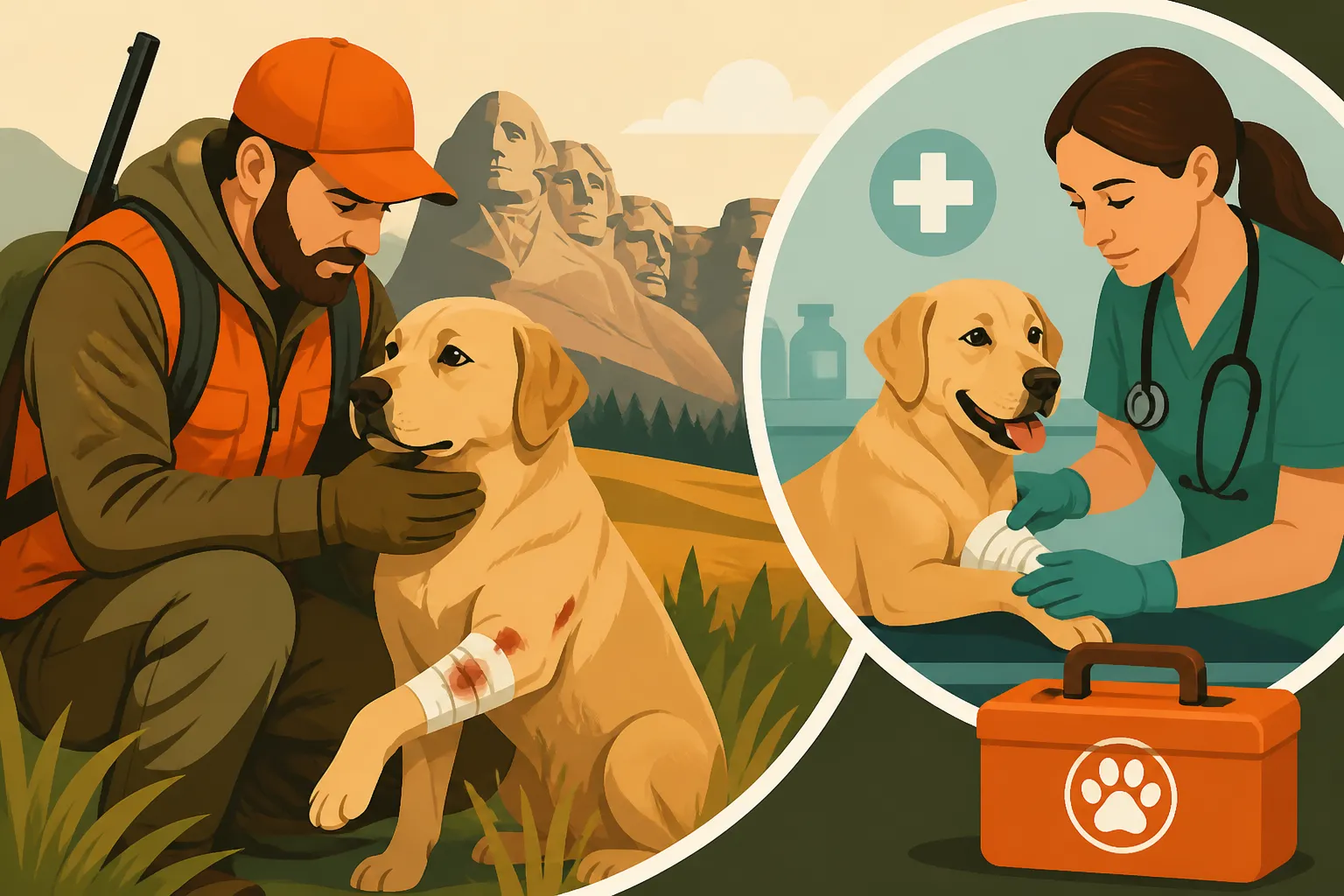
These are perhaps the most frequent injuries a hunting dog might encounter. Sharp stubble, barbed wire fences, or even unseen debris in tall grass can slice paws, legs, or bellies. A deep cut can bleed profusely and expose underlying tissues to infection. Your immediate goal is to stop the bleeding, clean the wound, and protect it. Apply direct pressure with a clean gauze pad. Once bleeding is controlled, gently clean the wound with antiseptic solution and water. If it's a small cut, veterinary-grade super glue can sometimes close it. For deeper or wider cuts, cover with a non-stick pad, then wrap securely with vet wrap, ensuring it’s snug but not too tight to cut off circulation. You might want to consider how this could affect their ability to work cover, as outlined in Walking Speed That Holds Roosters.
Puncture wounds, often from thorns or sharp sticks, can be insidious because they may not bleed much externally but can be deep and introduce infection. If you can see the object, and it's small, carefully remove it with tweezers. Clean the area thoroughly. Monitor puncture wounds closely for swelling, redness, or pus, which are signs of infection. Any deep puncture, especially to the chest or abdomen, warrants immediate veterinary attention. These types of injuries can be particularly common when dogs are pushing dense cover, such as when Pushing a Cattail Slough With Blockers.
Burrs, Foxtails, and Other Foreign Objects
The South Dakota prairie is notorious for its prickly residents. Burrs and foxtails can lodge themselves in paws, between toes, in ears, eyes, and even nasal passages. While burrs are annoying, foxtails are much more dangerous. Their barbed design means they only move in one direction – inward – and can migrate deep into tissue, causing abscesses, infections, and serious damage if not removed promptly.
Regularly check your dog during and after each hunt. Pay special attention to paws (especially between the pads), ears, and armpits. Use a fine-tooth comb to remove burrs from fur. For foxtails, if you see one, gently pull it out with tweezers, ensuring you get the entire seed head. If a foxtail has entered a sensitive area like an eye, ear canal, or nostril, do not attempt to remove it yourself unless it's clearly visible and superficial. These situations often require a vet. A dog shaking its head repeatedly, pawing at an ear, or squinting could indicate a foxtail problem.
Heat Exhaustion and Overexertion
Early season hunts, even in South Dakota, can sometimes surprise you with unseasonably warm temperatures. Hunting dogs, especially those with thick coats or brachycephalic (short-nosed) breeds, are highly susceptible to heat exhaustion. Symptoms include excessive panting, drooling, lethargy, bright red gums, and a staggering gait. If you suspect heat exhaustion, stop hunting immediately. Get your dog into the shade, offer small amounts of water, and apply cool (not ice cold) water to their belly, armpits, and groin. A cooling towel or vest can also help.
Overexertion, even in cooler weather, can lead to muscle strains, pulled tendons, or even torn ligaments. Signs include limping, stiffness, reluctance to move, or holding a paw up. These injuries often become more apparent after the dog has rested for a bit. Minor strains might respond to rest and a veterinarian-approved anti-inflammatory, but serious lameness needs professional evaluation. Just as a human athlete needs proper training, a dog working hard on the prairie needs conditioning, as described in Dog Vaccination Requirements for Travel, to prevent such injuries.
Here's a quick reference table for common field injuries:
| Injury Type | Common Symptoms | Immediate Field Care |
|---|---|---|
| Cuts/Lacerations | Bleeding, visible skin separation, limping. | Direct pressure to stop bleeding, clean with antiseptic, cover with sterile pad/vet wrap. |
| Puncture Wounds | Small entry hole, possible minor bleeding, pain, swelling, limping. | Remove foreign object (if visible & superficial), clean, monitor for infection. |
| Burrs/Foxtails | Licking/chewing paws, shaking head, pawing at ears, squinting. | Manually remove burrs; gently pull out visible foxtails. Vet for embedded ones. |
| Heat Exhaustion | Excessive panting, drooling, lethargy, red gums, stumbling, vomiting. | Move to shade, offer water, cool with water on belly/armpits. Urgent vet care. |
| Muscle Strain/Sprain | Limping, stiffness, reluctance to put weight on a limb, yelping. | Rest, gentle cold compress. Vet assessment for pain relief and severity. |
| Snake Bite (Venomous) | Rapid swelling, pain, puncture marks (may be hard to see), weakness, shock. | Keep dog calm, limit movement. Seek immediate emergency vet care. |
| Quill Punctures (Porcupine) | Quills visibly embedded in face, paws, or body; pain, swelling. | DO NOT attempt to remove yourself; seek immediate vet care for proper removal. |
Recognizing Signs of More Serious Issues
Sometimes, a dog's injury goes beyond what you can handle with your field kit. Knowing when to escalate from first aid to professional veterinary care is critical. Signs of serious injury include:
- Heavy, uncontrolled bleeding: If direct pressure doesn't stop it within a few minutes.
- Deep, gaping wounds: Especially if muscle or bone is exposed.
- Severe lameness: If your dog cannot put any weight on a limb.
- Signs of shock: Pale gums, rapid breathing, weak pulse, cold extremities.
- Bloating and distended abdomen: Especially in large, deep-chested breeds, this could indicate bloat (GDV), a life-threatening emergency.
- Vomiting, diarrhea, or lethargy persisting: Beyond minor stomach upset.
- Unusual neurological signs: Disorientation, seizures, or paralysis.
In such cases, your priority shifts from field care to rapid transport to the nearest veterinary facility.
Navigating Veterinary Care While on a South Dakota Trip
Getting your dog to a vet in unfamiliar territory can add a layer of stress to an already difficult situation. Having a plan can significantly reduce anxiety and improve outcomes.
Finding a Local Emergency Veterinarian
Before you even leave for South Dakota, do some research. Identify veterinary clinics in the towns closest to your hunting areas. Look specifically for clinics that offer emergency services or have after-hours contact information. Websites for groups like GoHunt often have mapping tools that can help with this. Save these numbers in your phone, and even write them down as a backup. When you're actively hunting, cell service can be spotty at best, especially in West River country or some of the more remote South Dakota Walk-In Areas Explained.
If an emergency arises and you haven't done your research, try asking local residents, gas station attendants, or even other hunters. Outfitters, if you're using one, will almost certainly know the local vets. Make sure you have enough cash or a credit card with you, as some smaller rural clinics might not have the same payment processing capabilities as a larger city vet, or they might require upfront payment for emergency services.
Communicating with the Vet and Managing Logistics
When you call the vet, clearly and calmly explain the situation. Provide your dog's breed, age, weight, symptoms, and what first aid you've already administered. Be honest about how the injury occurred. They might be able to offer immediate advice over the phone and will be better prepared when you arrive. If you're staying at a lodge, ensure they know you're leaving and where you're going. They might be able to help with directions or even assist with transport if you're in a pinch.
Logistically, getting a wounded dog into a vehicle, especially if it's large or in pain, can be a challenge. Have a plan for this. A sturdy blanket or improvised stretcher can help. If your dog is in severe pain, a muzzle might be necessary to protect yourself and the vet staff, even if your dog is usually docile. It's a sad reality that even the sweetest companion can bite when hurting. Remember, your calm demeanor will also help keep your dog calmer during this stressful time.
Post-Trip Care and Recovery
Your hunting trip might be over, but the care for your injured dog continues, often requiring vigilance and patience to ensure a full recovery.
Follow-Up Care After a Field Injury
Once you're back home, or even if you manage to get initial vet care in South Dakota, a follow-up visit with your regular veterinarian is almost always a good idea. They know your dog's history best and can assess the healing process, adjust medications, or recommend further treatment. This is especially true for anything beyond minor scrapes. For instance, a wound that seemed okay in the field might become infected later, or a slight limp could indicate a deeper joint issue.
Your vet might recommend specific exercises, rest periods, or even physical therapy, depending on the injury. Don't rush your dog back into strenuous activity. Just like human athletes, dogs need time to recover. Pushing them too soon could lead to re-injury or chronic problems. If you're planning future hunts, consult your vet about when your dog is truly ready to return to the field. Understanding the long-term impact of injuries is part of being a responsible hunter.
Preventing Future Injuries and Learning from Experience
Every injury, while traumatic, offers a learning opportunity. Take some time after the trip to analyze what happened. Could the injury have been prevented? Was there gear you didn't have that would have helped? Did you push your dog too hard or too long? Did you properly prepare for the terrain? Reflect on these questions honestly. Maybe you realize you need better boots for your dog (or yourself, as discussed in Boots for Walking Cattails All Day), or perhaps you need to modify your hunting schedule to include more rest breaks.
Consider adjustments to your training regimen or equipment. Perhaps your dog needs more endurance training, or a different style of paw protection. Investing in higher quality gear that offers better protection for your dog isn't an expense, it's an investment in their long-term health and your shared passion. Being prepared for canine emergencies isn't about being pessimistic; it's about being a responsible, loving owner who values their hunting partner's well-being above all else. A healthy dog is a happy hunter, and a safe dog ensures you both enjoy many more seasons in the field together.
Disclaimer
This article is for general informational purposes only and does not constitute professional advice. Laws, prices and regulations vary by location and change over time. Consult a qualified professional for guidance on your specific situation.