Deer Processors Near South Dakota Lodges
You’ve done the hard part: spent countless hours scouting, endured the elements, and finally, after a patient stalk or a well-placed stand, you’ve tagged a beautiful South Dakota deer. That rush of adrenaline is quickly followed by a practical question, sometimes a downright scramble: now what? Getting your deer properly field-dressed is just the first step; the next, and equally crucial, is finding a reliable deer processor, especially if you’re far from home or unfamiliar with the area around your lodge. This guide is here to walk you through how to locate reputable deer processors near popular South Dakota hunting lodges, what questions to ask, and how to ensure your venison is handled with the care it deserves.
The Urgent Need for a Reliable Deer Processor on Your South Dakota Hunt
After the shot, the clock starts ticking. While the joy of a successful hunt is immense, the immediate priority shifts to meat care. Many hunters, especially those traveling from out of state, underestimate the urgency of finding a processor until they have a deer in the back of their truck. This oversight can quickly turn a celebratory moment into a stressful logistical challenge, potentially impacting the quality of your hard-earned venison.
Why Processor Proximity Matters
Imagine this scenario: you’ve just filled your tag on a warm October afternoon in West River country. The sun is still high, and you're a couple of hours' drive from the nearest town, let alone your lodge. You've done a fantastic job field dressing your buck, but even so, meat begins to degrade fairly quickly in warmer temperatures. Bacteria can multiply rapidly, and that fresh, clean venison can start to develop off-flavors or even spoil if not cooled promptly.
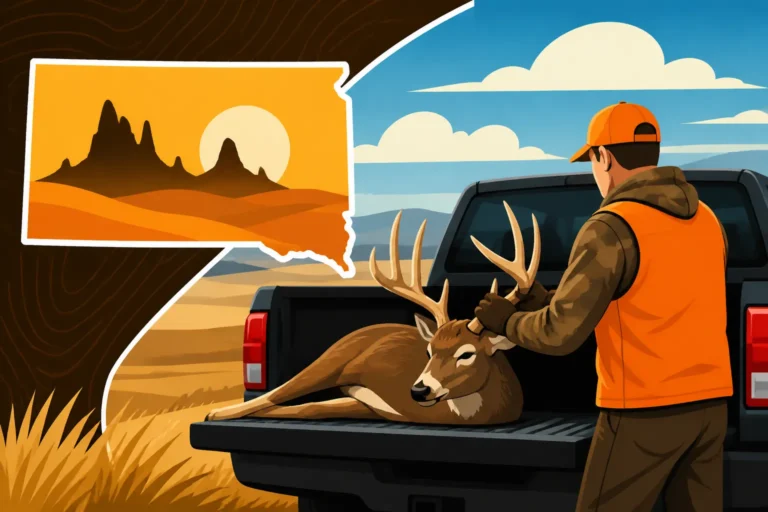
The closer your processor, the faster you can get that carcass into a professional cooler, which is truly critical for preserving meat quality. This is particularly true during early season hunts when daytime temperatures can still climb well into the 60s or 70s. Even a few hours of delay can make a noticeable difference in the final product. Conversely, a late-season hunt in freezing temperatures might offer a bit more leeway, but knowing where you're headed ensures a smooth transition from field to freezer. There's nothing worse than driving around aimlessly, watching the evening light fade, with a valuable deer needing attention.
Common Hunter Frustrations with Processing
One of the most common frustrations hunters voice, especially when hunting in an unfamiliar state like South Dakota, is the sheer unknown of the processing stage. You’re already thinking about the hunt, the weather, your gear—adding "find a processor" to that mental checklist can feel like a burden. Hunters often worry about several things:
- Finding an open processor: Small-town processors often have limited hours, or they might be completely booked during peak hunting season. Showing up unannounced can lead to disappointment and wasted time.
- Long wait times: Even if they're open, some processors, overwhelmed by demand, might tell you it'll be days before they can even get your deer into their cooler, let alone start cutting it.
- Hidden costs: You hand over your prize, only to be hit with unexpected charges for skinning, caping, or specialty cuts that weren't clearly communicated upfront.
- Meat mix-ups: The dreaded fear: did I just get back my deer, or someone else's? While reputable processors have stringent tagging systems, the concern is real, especially with smaller, less organized operations.
These frustrations are entirely valid. This is why a little pre-hunt planning and knowing what resources are available can save you a lot of headache and ensure your hunt ends on a high note, with delicious venison destined for your table. You've invested time and money into your trip, don't let the last step be an afterthought.
Finding Deer Processors Through Lodges and Local Resources
When you've put in the effort to take a deer in South Dakota, the last thing you want is to jeopardize the meat's quality or struggle with the logistics of getting it processed. Thankfully, you're not alone in this; there are several excellent avenues for locating reliable deer processors.
Leveraging Lodge Connections for Processing
One of the absolute best resources for finding a deer processor, particularly if you're staying at a dedicated hunting lodge, is the lodge itself. Many established South Dakota hunting lodges have preferred local processors they've worked with for years, sometimes even decades. These relationships are invaluable. The lodge staff often knows which processors are reliable, maintain high standards of cleanliness, and handle game with efficiency.
Before your hunt even begins, during your initial communication or upon arrival, make it a point to ask your lodge about their recommendations for deer processing. They might offer several options, or even have a single go-to spot that they trust implicitly. Some lodges go an extra step and provide services like transporting your field-dressed deer directly to their preferred processor, saving you a trip. This convenience can be a huge benefit, especially after a long day of hunting, when you're tired and just want to get your animal taken care of. Don't be shy about inquiring about these logistics when you are Booking a South Dakota Deer or Antelope Hunt. Understanding these options upfront helps you plan your hunt with confidence, knowing the post-harvest steps are already considered.
Local Research: Asking Around and Online Searches
Even if you're not staying at a lodge, or if your lodge doesn't offer specific recommendations, you still have plenty of ways to find a processor. One tried-and-true method is simply asking around in the small towns nearest your hunting areas. Local gas stations, small-town cafes, bait shops, or sporting goods stores are often absolute goldmines for local knowledge. The folks working there usually know which local butcher shops or custom meat lockers handle wild game, what their reputation is like, and whether they're known for good service. A friendly chat can yield far better results than a frantic internet search.
Of course, in today's world, online searches are also a powerful tool. Use mapping apps like Google Maps and search for "deer processing [your nearest South Dakota town, e.g., Presho, Faith, Chamberlain, Pierre]" or "meat locker South Dakota." Check their hours, read reviews if available, and try to make a call ahead of time. It's always a good idea to confirm they are indeed taking wild game, what their capacity is, and if they have any specific requirements for drop-off.
Here's a quick look at some general regions and towns in South Dakota where you might find processors, though availability can change seasonally:
| Region | Example Towns | Notes |
|---|---|---|
| West River | Faith, Philip, Wall, Kadoka | Often smaller, family-run operations near ranching areas. |
| Central SD | Pierre, Chamberlain, Presho | More options due to being central hubs and highway towns. |
| East River | Aberdeen, Huron, Mitchell, Watertown | Generally more commercial processors in larger towns. |
| Black Hills | Rapid City, Custer, Belle Fourche | Caters to various big game, often with specific services. |
Remember, the peak of deer season can overwhelm even the best processors, so patience and a friendly demeanor go a long way.
What to Ask a Potential Processor
Once you've identified a few potential processors, it's crucial to make contact and ask the right questions before you're standing on their doorstep with a warm deer. This prevents miscommunication and ensures you get the service you expect. Here’s a list of key questions to ask:
- Services Offered: Do they just cut and wrap, or do they offer specialty items like sausage (summer, breakfast, brats), jerky, or even rendering for fat?
- Pricing Structure: How do they charge? Is it by hanging weight (the carcass after skinning and gutting), live weight, or a flat fee per animal? Are there extra charges for skinning, caping for a mount, or specific cuts? Make sure you understand the base price and any add-ons.
- Turnaround Time: How long does it typically take? During peak season, it could be a few days or even a week. Knowing this helps you plan your departure from South Dakota.
- Cooler Capacity & Storage: Can they accept your deer immediately into a cooler? What are their hours for drop-off, especially after normal business hours or on weekends? Do they charge storage fees if you can't pick up right away?
- Meat Identification: What system do they use to ensure you get your deer back? Reputable processors will have clear tagging systems that follow your animal through every step.
- Packaging: How is the meat packaged? Standard butcher paper, vacuum-sealed, or both? Vacuum sealing extends freezer life significantly.
Getting these details clarified upfront will save you considerable stress and help ensure your venison is processed exactly to your liking. Don't be afraid to ask for specifics, it's your meat and your money. This preparation is as important as learning Getting Meat Cooled in Warm Weather out in the field.
Understanding Your Processing Options and Costs
Having a processor lined up is a huge relief, but understanding the array of services they offer and how costs are determined is the next step to ensuring you get exactly what you want from your venison. It's not just about getting the meat cut; it's about customizing it to your preferences and budget.
Standard Services and Specialty Cuts
Most deer processors offer a foundational "cut and wrap" service. This typically includes skinning your deer, deboning the meat, trimming off fat and gristle, and then cutting it into common portions:
- Steaks: Often cut from the backstraps and hindquarters.
- Roasts: Larger sections from the hindquarters or shoulders.
- Ground Meat: Usually made from the trimmings and neck meat, sometimes mixed with a percentage of pork or beef fat to improve flavor and texture.
However, many processors go far beyond these basics, offering a tempting array of specialty cuts and processed goods. These can include:
- Sausages: Breakfast sausage, Italian sausage, brats, or even summer sausage. These often require additional ingredients like pork and specific seasoning blends.
- Jerky: Smoked and dried venison strips, a delicious and portable snack.
- Smoked Products: Such as smoked hams or roasts.
- Tenderized Steaks: Often referred to as "cubed steak" or "minute steak."
When considering specialty items, think about your family’s eating habits and how you typically enjoy venison. If you love breakfast burritos, venison breakfast sausage might be a must. If you’re often on the go, jerky is a great option. These additions are fantastic ways to diversify your venison supply, but they also come with their own costs and can add to the overall processing time.
Deciphering Pricing Structures and Hidden Fees
Understanding how processors charge is crucial to avoiding sticker shock when you go to pick up your meat. There isn't a single, universal pricing model, so always clarify this upfront. Common pricing structures include:
- By the Pound (Hanging Weight): This is perhaps the most common. The processor weighs the deer carcass after it's been skinned and gutted but before the meat is deboned. You'll pay a flat rate per pound for this hanging weight. This method can sometimes feel a bit opaque, as you don't truly know your hanging weight until the processor has done their initial work. Your actual meat yield will be significantly less than the hanging weight, so don't be surprised when you get fewer pounds of packaged meat back than the hanging weight you paid for. Understanding Deer Meat Yield From a Mule Deer can help manage expectations here.
- By the Pound (Finished Weight): Less common for deer, but some might charge based on the final, packaged weight of the meat.
- Flat Fee Per Animal: Some processors will charge a set price regardless of the deer's size. This can be advantageous if you bag a very large buck, but less so for a smaller doe or yearling.
- Skinning/Caping Fee: Many processors charge an additional fee if you haven't skinned the deer yourself, or if you request a cape for taxidermy.
- Specialty Item Fees: These are almost always extra, charged per pound of product made (e.g., $X/lb for sausage, $Y/lb for jerky). These can quickly add up and significantly increase your total bill.
The frustration of unexpected costs can sour an otherwise successful hunt. Always get a clear quote that breaks down the base processing fee and the costs for any specialty items you request. Confirm if sales tax is included or added. Don't be afraid to ask for a detailed estimate based on your deer's estimated size and your desired cuts. This clarity will help you budget and ensure there are no unpleasant surprises.
Logistics: Drop-off, Pick-up, and Transporting Your Meat Home
Once your deer is field-dressed, the next logistical hurdle is getting it to the processor and eventually getting the processed meat home.
- Drop-off Procedures: What are the processor's hours for dropping off deer? Do they have an after-hours drop-off cooler or system? This is vital if you harvest late in the day or on a weekend when regular business hours might not apply. You don't want to leave your deer outside or in a warm vehicle overnight.
- Pick-up and Storage: How will you be notified when your meat is ready? What are the pick-up hours? Do they charge a storage fee if you can't collect your meat within a certain timeframe (e.g., within 48 hours of notification)? If you’re traveling a long distance, coordinating your departure with the processing timeline is critical.
- Transporting Home: Processed venison will typically be frozen and packaged in boxes. How much space will it take up in your cooler? Ensure you have enough high-quality coolers to transport your meat home. For long drives, consider adding dry ice to keep everything solidly frozen. A detailed plan for Coolers and the Drive Home is essential for preserving your meat on its journey. If you're flying, be sure to check airline regulations for transporting frozen meat, as some may have specific requirements for packaging and quantity.
Field Dressing and Prepping Your Deer for the Processor
Even the best processor in South Dakota can't magically fix poor field care. The quality of your venison truly begins the moment your deer hits the ground. Proper field dressing and immediate care are the most critical steps you can take to ensure delicious, untainted meat. Neglecting these early steps can lead to off-flavors, spoilage, and a less-than-ideal culinary experience, regardless of how skilled your processor is.
The Crucial First Steps: Field Dressing
Field dressing, which is the process of removing the internal organs, is paramount. You need to do this quickly and cleanly. The goal is to remove sources of bacteria and allow the carcass to cool down as fast as possible.
- Safety First: Ensure your firearm is unloaded and safe, and always be aware of your surroundings, especially if hunting with others.
- Position the Deer: Lay the deer on its back, ideally with the head slightly downhill to help drain blood. You might need to prop the legs open with sticks or tie them back to give you better access.
- Make the Incision: Carefully make a shallow cut through the hide from the breastbone all the way back to the pelvis, circling the anus. Be extremely careful not to puncture the intestines or stomach, as this can contaminate the meat. A good tip is to use two fingers to lift the abdominal wall and cut between them.
- Remove Organs: Reach into the chest cavity and cut the diaphragm, freeing the organs. Sever the windpipe and esophagus as far forward as possible. Then, pull all the organs out, working from front to back, ensuring everything is removed cleanly. For a more detailed walkthrough, consider resources on Field Dressing an Antelope Fast, which applies many similar principles to deer.
- Clean the Cavity: Once the organs are out, inspect the cavity. Remove any loose tissue, blood clots, or dirt.
Doing this efficiently and cleanly will prevent bacteria from multiplying and significantly improve the taste and keeping quality of your venison.
Getting Your Deer to the Processor Clean and Cool
After field dressing, the next critical step is getting your deer to the processor in the best possible condition. This means clean and cool.
- Cleanliness: Once the organs are removed, you can wipe out the body cavity. Many hunters carry a roll of paper towels or clean rags for this purpose. If you have access to clean water, a quick rinse of the cavity can be beneficial, but only if you can thoroughly dry it afterward. Moisture combined with warmth is a breeding ground for bacteria. In colder weather, snow can be used to wipe the cavity clean.
- Cooling: This is non-negotiable, especially in warm South Dakota weather.
- In the Field: If temperatures are mild or warm, prop open the body cavity with sticks to allow air circulation. Get the deer into the shade immediately. If you have ice, place bags of it directly inside the body cavity. This will rapidly drop the internal temperature.
- During Transport: Never just throw a warm, field-dressed deer into the bed of a truck and drive for hours in the sun. Cover the deer with a tarp or blanket to keep it out of direct sunlight and to protect it from road grime and dust. If it's warm, keep that ice in the cavity during the drive. For a thorough guide on methods, revisit Getting Meat Cooled in Warm Weather.
- Avoid Contamination: Keep the carcass away from anything that could contaminate it, such as gasoline, oil, or dirty tools.
Tagging and Legalities Before Processing
Before your deer ever reaches the processor's door, you must ensure all legal requirements are met. In South Dakota, this primarily revolves around proper tagging.
- Fill Out Your Tag: Immediately after harvesting, completely fill out your South Dakota deer tag with all required information, including the date and time of kill, location (county, unit), and sex of the deer.
- Attach the Tag: Securely attach the tag to the deer, typically to an antler or leg, in a way that it cannot be easily removed or lost. This tag must remain with the deer until it reaches the processor and, in some cases, until it's been processed and taken home.
- Processor Requirement: Processors are legally obligated to verify that your deer is properly tagged before they can accept it for processing. They will record the tag information for their records. Do not assume they will just take your word for it.
Failing to properly tag your deer can result in serious legal penalties, and no processor will risk their license by accepting an untagged animal. Always prioritize this step to remain compliant with South Dakota Deer Tagging Requirements and ensure a smooth, legal conclusion to your hunt.
Finding a reliable deer processor near your South Dakota hunting lodge doesn't have to be a source of stress. With a little foresight and knowing how to leverage local resources, you can ensure that the delicious venison from your successful hunt is handled with the care it deserves, bringing your outdoor adventure to a truly satisfying close.
Disclaimer
This article is for general informational purposes only and does not constitute professional advice. Laws, prices and regulations vary by location and change over time. Consult a qualified professional for guidance on your specific situation.