Who Buys the Licence and Habitat Stamp
It’s a question that often causes a little flutter of anxiety for hunters, especially those new to the Rushmore State or planning a guided trip: who actually shoulders the responsibility of buying the hunting license and habitat stamp in South Dakota? Trying to navigate the different requirements, fees, and application processes can feel like deciphering an ancient scroll, but don't fret. This guide is here to untangle that confusion, clearly outlining what's expected of every hunter, whether you're going it alone or have a trusted outfitter by your side.
Understanding South Dakota Hunting Licences and Habitat Stamps
Before we dive into who buys them, let’s quickly touch on what these critical pieces of paper actually are. Think of them as your golden ticket and your contribution to keeping the hunting grounds golden for generations to come. Without them, your hunt isn't just incomplete; it's illegal.
What These Documents Are For
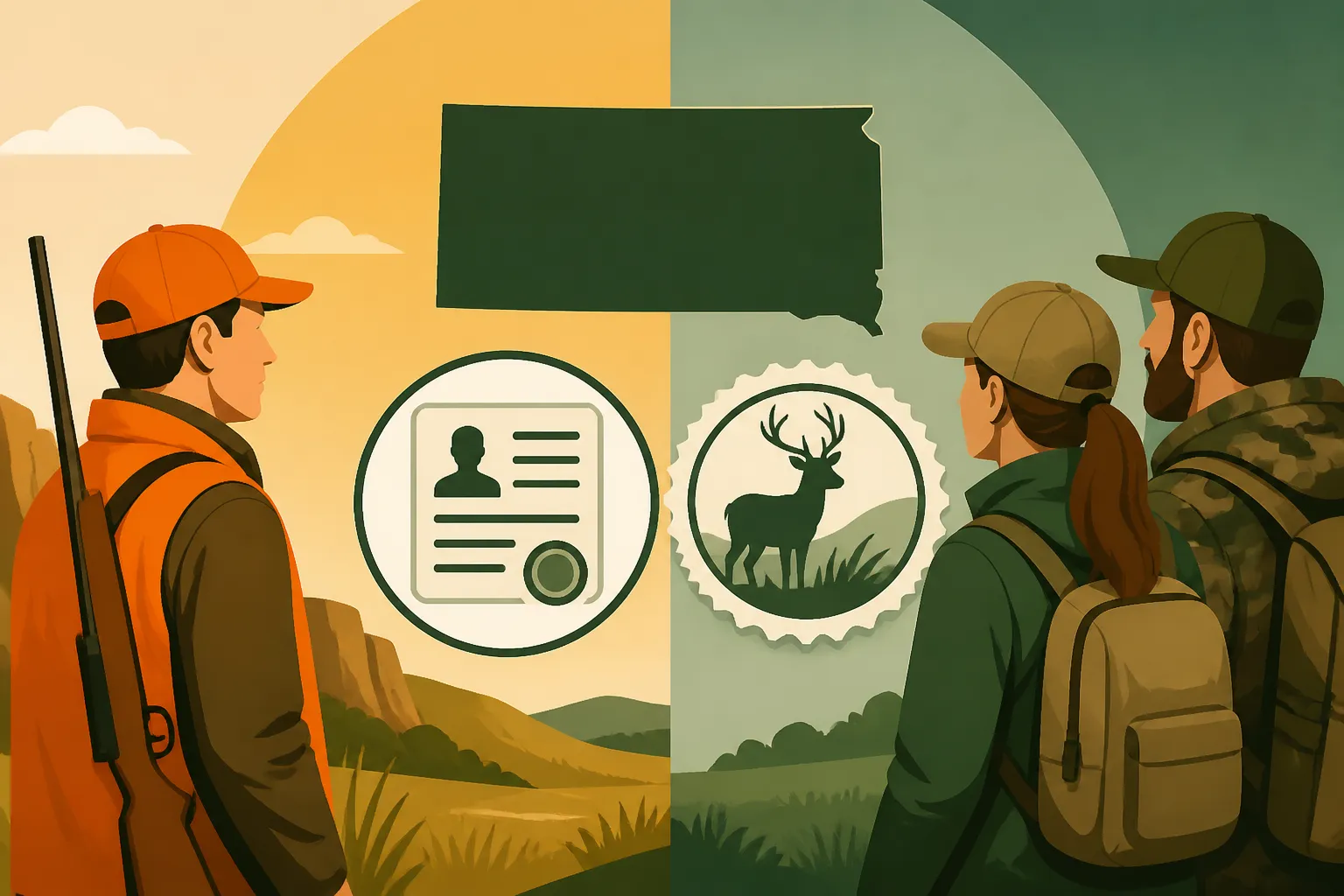
A South Dakota hunting license is your fundamental permission slip from the state to pursue specific game animals or birds. It's not a one-size-fits-all deal, either. You’ll find different licenses for pheasants, deer, antelope, waterfowl, and more, each with its own set of rules, season dates, and sometimes, a draw application process. Nonresidents, for example, often face different requirements and quotas than residents, which can add a layer of complexity. You can learn more about these specifics in South Dakota Nonresident Licence Costs.
The habitat stamp, on the other hand, is a mandatory surcharge that goes directly into conservation efforts. It helps fund critical projects like acquiring and improving public hunting lands, restoring wetlands, and enhancing wildlife habitat across the state. It’s a small but mighty contribution, ensuring that the incredible hunting opportunities in South Dakota remain vibrant. Most hunters need one, regardless of what they're pursuing, unless they fall into very specific exemption categories. You'll find more details about its necessity in South Dakota Habitat Stamp Requirements.
The Legal Responsibility of Every Hunter
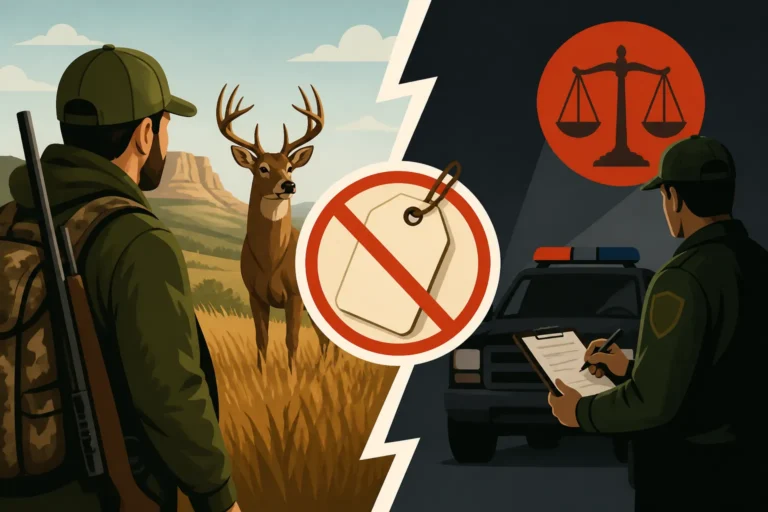
Here’s the absolute, non-negotiable truth: the legal responsibility for possessing the correct and valid hunting license and habitat stamp rests squarely on your shoulders, the individual hunter. This isn't something you can delegate entirely, even if you’ve hired the best outfitter in the state. Think of it like a driver's license – your passenger can't drive for you, and a travel agent can't make sure you have it when you're pulled over.
It’s crucial to understand this because while outfitters are often incredibly helpful, and many will guide you through the process, they cannot legally purchase a license for you, nor can they be held accountable if you show up without the proper documentation. Showing up to your hunt without the correct tags is a surefire way to derail your trip before it even begins, leading to frustration, potential fines, and a lot of wasted time and money. It's a key part of South Dakota Hunter Education and Licensing that every hunter must grasp.
Licence Purchase: DIY Hunter vs. Guided Hunt Scenario
The question of who buys what becomes a bit clearer once you distinguish between a do-it-yourself (DIY) hunt and one organized through a professional outfitter. Both have distinct paths to securing your hunting privileges.
When You Are Hunting Independently
For the intrepid DIY hunter, the process is quite straightforward: you are 100% responsible for acquiring all necessary licenses and stamps yourself. There's no middleman here. This applies whether you're a resident heading out for your annual pheasant opener or a nonresident making the pilgrimage for a South Dakota Pheasant Season and Licences.
This usually involves:
- Researching requirements: Before anything else, understand what species you plan to hunt, which season you're targeting, and your residency status. This dictates which licenses you’ll need. For instance, a nonresident small game license is different from a specific deer tag. You'll want to review What the Nonresident Small Game Licence Covers if that's your pursuit.
- Checking application deadlines: For many big game tags (like deer, antelope, or elk), South Dakota operates on a lottery system, and applications have strict deadlines, often months before the season starts. Missing a deadline means missing the hunt.
- Direct purchase: Once you know what you need, you'll purchase the licenses and stamps either online through the South Dakota Game, Fish and Parks (GFP) website, or in person at a licensed vendor (like sporting goods stores or county treasurers' offices).
- Possession: Once purchased, you are responsible for carrying your physical license or a valid digital copy with you at all times while hunting.
Embrace this independence as an opportunity to truly understand the regulations and contribute directly to conservation. It’s part of the rich experience of a DIY hunt.
When Booking a Hunt with an Outfitter
This is where the nuances often arise and cause confusion. When you book a guided hunt, especially for popular species like pheasants, your outfitter will undoubtedly play a significant role in advising you on what licenses you need. They are typically experts in the local regulations and know exactly what nonresidents or specific hunt packages require.
However, it's vital to remember that "advising" is not "purchasing for you."
- Outfitter guidance: A reputable outfitter will tell you exactly which licenses and stamps you need to buy. They might even provide direct links to the GFP website or give you a checklist. They often emphasize how crucial it is to have these in hand well before your arrival.
- Your action required: You, the hunter, must then go through the actual purchase process. This means logging into the GFP website, filling out your information, and paying for the licenses yourself. While platforms like BookYourHunt can connect you with fantastic outfitters, always clarify license procurement directly with the outfitter after booking. They cannot complete the purchase on your behalf.
- Rare exceptions (and why they're rare): In extremely limited circumstances, an outfitter might assist with a group purchase if they have specific legal authorization or if it's a very specific type of license that allows for it (which is uncommon for standard hunting licenses). However, assume you are responsible unless explicitly and legally stated otherwise by the outfitter, and always verify with GFP if you have doubts. Most often, any "license cost" included in a package price is actually just the outfitter passing on the cost for you to still purchase the license yourself. It’s also important to understand What a South Dakota Hunt Price Includes so there are no surprises about what is covered.
Always, always confirm the exact process with your outfitter before your trip. A quick call or email can save a world of headaches. Don't be shy about asking specific questions about the South Dakota hunting licence cost for residents versus nonresidents, for example, or details on South Dakota Nonresident Hunting Licence Cost for whatever species you're targeting.
Specific Scenarios: Youth, Apprentice, and Landowners
There are a few special cases that can impact who needs to buy what, and under what conditions.
- Youth Hunters: South Dakota is generally very supportive of youth hunting. Often, younger hunters might have reduced-fee licenses or specific youth seasons. However, they still require a license, and an adult (often a parent or guardian) is responsible for ensuring the youth has the proper documentation and adheres to all regulations. For instance, specific age requirements and hunter education completion might apply, as detailed in South Dakota Hunter Safety Age Requirement. The adult is ultimately the one ensuring compliance, even if the youth is making the "purchase" (with parental assistance, of course).
- Apprentice Hunters: South Dakota offers an apprentice hunting license, which allows individuals who haven't completed a hunter education course to hunt under the direct supervision of a licensed adult. This is fantastic for introducing newcomers to the sport. In this scenario, the apprentice still needs to purchase their own apprentice license, and the supervising adult must also have their appropriate license. The adult bears the responsibility for the apprentice's adherence to all laws.
- Landowners: South Dakota has specific provisions for landowners and owner-operators, sometimes offering them preference in draws or allowing them to hunt on their own land under different rules. While there might be special tags or considerations, landowners are still required to possess the proper licenses and habitat stamps for the species they are hunting, although the process for obtaining them might differ slightly. This is detailed further in South Dakota Landowner Licence Preference. They are not exempt from the licensing structure simply because they own the ground.
Navigating the Purchase Process
So, you know you need to buy it. Now, how do you actually get it done? The process is designed to be as user-friendly as possible, but knowing the steps can prevent last-minute scrambles.
Online vs. In-Person Purchases
South Dakota offers two primary ways to purchase your hunting licenses and habitat stamps, each with its own advantages.
- Online Purchases: This is by far the most convenient method for most hunters, especially nonresidents. The South Dakota Game, Fish and Parks website provides a secure portal where you can apply for draw licenses, purchase general licenses (like small game or fishing), and buy your habitat stamp. It’s accessible 24/7, meaning you can take care of business from your couch at midnight if you need to. You'll simply create an account, select your desired licenses, pay with a credit card, and print your license or save it digitally. This is detailed in Buying a South Dakota Licence Online. Remember, if you’re utilizing research tools like GoHunt to scout areas or understand draw odds, doing your license purchases online afterward keeps everything streamlined.
- In-Person Purchases: For those who prefer a face-to-face transaction, or if you find yourself needing a last-minute license when you arrive in the state, you can purchase licenses from authorized vendors. These typically include sporting goods stores, bait shops, and some county government offices throughout South Dakota. It's a great option if you have questions for a local and want to support local businesses, but be aware of business hours and potential lines, especially right before a major season opener.
Key Information You'll Need
Regardless of whether you purchase online or in person, you'll need to have some essential information ready. Having this handy will speed up the process considerably:
- Proof of Residency: If you're claiming resident status, you'll need to demonstrate you meet South Dakota's residency requirements (e.g., driver's license number, length of continuous residency).
- Personal Identification: Your full legal name, date of birth, physical address, and typically a social security number are required.
- Hunter Education Certification: If you were born after January 1, 1967, you generally need to show proof of having completed an approved hunter education course. This is a crucial safety requirement.
- Previous License Information: Sometimes, particularly for draw applications, having your previous year's license number can be helpful, though not always mandatory.
Common Pitfalls and How to Avoid Them
Even with a relatively straightforward system, hunters occasionally stumble into preventable issues. Being aware of these can save you a lot of hassle.
- Missing Application Deadlines: This is probably the most heartbreaking pitfall for big game hunters. Draw applications for deer, antelope, and elk close well in advance of the season. Set reminders, mark your calendar, and apply early. There's no "oops, I forgot" option after the deadline.
- Incorrect Residency Status: Accidentally (or intentionally) claiming resident status when you are a nonresident can lead to serious legal trouble, including fines and loss of hunting privileges. Be absolutely sure of your status before purchasing.
- Not Understanding Licence Types: Don't assume a "small game" license covers everything. If you want to hunt pheasants and also shoot a cottontail rabbit, your standard pheasant license might cover it, but always double-check. Waterfowl hunting, for instance, requires specific federal and state stamps in addition to a base small game license.
- Waiting Until the Last Minute: While online purchasing makes this easier, waiting until the morning of your hunt to buy a license or stamp is risky. What if the website is down? What if you can't print it? What if the store's system is offline? Purchase your licenses several days, or even weeks, beforehand to avoid unnecessary stress. Your outfitter will also appreciate this greatly, as it means less time spent scrambling and more time focused on the hunt. For general license questions, consulting the South Dakota Hunting Handbook Release is always a good idea.
| Responsibility Aspect | DIY Hunter | Guided Hunter |
|---|---|---|
| Research Requirements | Fully Responsible | Outfitter Advises |
| Submit Application/Purchase | Fully Responsible | Fully Responsible |
| Pay Fees | Fully Responsible | Fully Responsible |
| Possess License/Stamp | Fully Responsible | Fully Responsible |
| Legal Compliance | Fully Responsible | Fully Responsible |
| Outfitter Role | N/A | Advisor/Facilitator |
Why the Habitat Stamp Matters
We've talked about who buys it, but it's worth taking a moment to appreciate why this little stamp is so important. It's more than just another fee; it's a direct investment in the future of hunting in South Dakota.
Funding Conservation Efforts
Every dollar collected from habitat stamps goes into a dedicated fund managed by South Dakota Game, Fish and Parks. This fund is used for a variety of critical conservation programs that directly benefit wildlife and, by extension, hunters. This includes:
- Public Access Programs: Funds help acquire or lease land from private landowners, opening up thousands of acres for public hunting access through programs like Walk-In Areas (WIAs) and Game Production Areas (GPAs). Without these funds, many of these cherished hunting grounds wouldn't be accessible to the general public.
- Habitat Restoration and Development: From planting food plots and shelterbelts to restoring wetlands and native grasslands, these funds are actively used to improve habitat quality. Better habitat means healthier, more abundant wildlife populations, which is something every hunter values.
- Research and Management: A portion of the funds supports scientific research into wildlife populations, disease monitoring, and effective management strategies to ensure sustainable hunting opportunities for years to come.
So, when you purchase that habitat stamp, you're not just complying with a regulation; you're actively contributing to the legacy of hunting in South Dakota. It's a point of pride for many hunters to know their dollars are directly making a difference on the ground.
Mandatory for Most Hunting Activities
The habitat stamp is a fundamental requirement for nearly all hunting activities in South Dakota. There are very few exemptions, typically involving specific youth licenses or certain limited scenarios. As a general rule, if you are legally required to have a hunting license for any species, you will also need a habitat stamp. It's designed to be an across-the-board contribution from all hunters benefiting from the state's wildlife resources.
Even if your outfitter mentions that the "license" is part of the package price, always double-check that this specifically includes the habitat stamp, or be prepared to purchase it separately. Often, it's a separate, relatively small fee, but an essential one that cannot be overlooked.
Ultimately, while the question of "who buys the license and habitat stamp" might seem a bit convoluted at first glance, the answer is quite simple: you do. You, the hunter, are the one legally responsible for acquiring and carrying these critical documents. Outfitters are there to guide your hunt, but your personal responsibility for proper licensing is paramount. Do your research, purchase early, and enjoy your time chasing game across the beautiful South Dakota landscape, knowing you've done your part to keep it wild.
Disclaimer
This article is for general informational purposes only and does not constitute professional advice. Laws, prices and regulations vary by location and change over time. Consult a qualified professional for guidance on your specific situation.