Lodge Rooms and Meal Plans
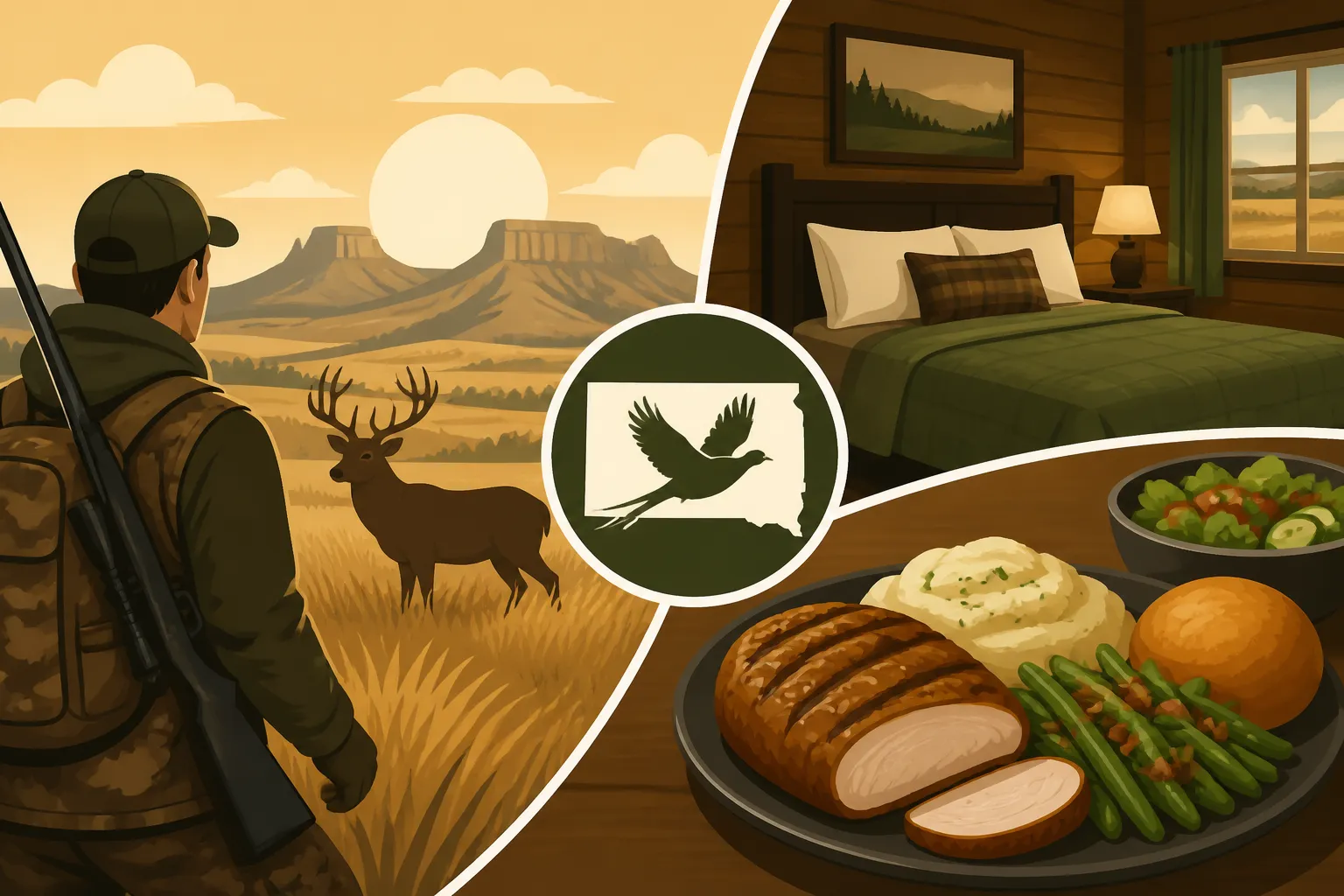
It's no secret that a South Dakota hunting trip, especially for pheasants, often becomes the stuff of legend, but figuring out where you'll lay your head and what you'll eat after a long day in the field can be a real head-scratcher. When you're dreaming of flushing roosters, the practicalities of lodge rooms and meal plans can feel secondary, but they're crucial to your overall experience. This guide is here to demystify what to expect from accommodations and dining when you book a guided hunt in South Dakota, ensuring your downtime is as comfortable as your hunt is exciting.
Understanding South Dakota Hunting Lodge Accommodations
After hours of walking through heavy cover or sitting in a blind, a comfortable place to unwind is more than just a luxury; it's a necessity. South Dakota's hunting lodges, particularly those catering to the robust pheasant season, offer a spectrum of accommodations, each designed with the hunter's needs in mind. It's not just about a bed; it's about the atmosphere, the amenities, and how well it supports the rhythm of a demanding hunting schedule.
Variety in Lodge Room Styles
The beauty of South Dakota hunting lodges is that they aren't all cut from the same cloth. You'll find everything from rustic, communal bunkhouses that foster incredible camaraderie to more private rooms in a main lodge, or even standalone cabins that offer a bit more solitude. It's crucial to understand these distinctions when you're making your booking, as they significantly impact your experience. Some hunters cherish the shared stories and laughter that naturally erupt in a bunkhouse setting, building friendships that last long after the hunt.
On the other hand, if you're traveling with family, a spouse, or simply prefer your own space after an exhaustive day, a private room or cabin might be non-negotiable. These often come with their own dedicated bathrooms, which can be a huge perk. When considering your options, think about your group size and your personal comfort level with sharing spaces. There's no right or wrong answer, but aligning the lodge's style with your preferences will make a world of difference.
Sometimes, the charm of a smaller, family-run operation means simpler accommodations, while larger, purpose-built lodges might offer more standardized hotel-style rooms. Don't hesitate to ask for photos or even virtual tours if available. Understanding the layout and privacy levels upfront prevents any surprises upon arrival, ensuring your focus remains on the hunt itself, not on cramped quarters. Many hunters find that discussing these details with the outfitter directly, or looking at platforms like BookYourHunt, provides the clearest picture.
Amenities and Comfort Expectations
Once you've got a handle on the room style, it's time to think about the amenities. While you won't typically find five-star hotel luxuries, South Dakota lodges generally pride themselves on providing a clean, warm, and comfortable environment. Expect comfortable beds, whether twin or larger, often with quality linens. Bathrooms might be shared or private, with hot water usually a given – a true blessing after a cold morning in the field. Common areas are almost always a highlight, offering a cozy spot to relax, swap stories, and enjoy a beverage by a fireplace.
Connectivity is another modern amenity that hunters often inquire about. While many lodges offer Wi-Fi, especially in the main lodge, cell service can be spotty in some of the more remote West River locations. It's wise to check on this if staying connected is important to you. Heating and air conditioning are typically standard to ensure comfort regardless of the season, from chilly late-season hunts to warmer early opener days. You'll want to be well-prepared, so also check for any specific items the lodge recommends bringing beyond your standard hunting gear.
While most lodges provide basic toiletries, it’s always a good idea to pack your own personal favorites. Things like laundry facilities might be available at some lodges for a fee, while others might not offer them at all. Asking about these smaller details beforehand can really help you pack efficiently and manage your expectations. After all, the goal is to fully immerse yourself in the hunting experience, and knowing your creature comforts are handled is a big part of that. What a South Dakota Pheasant Lodge Provides often outlines these elements clearly.
Deciphering South Dakota Lodge Meal Plans
A long day of hunting pheasants, mule deer, or antelope works up a serious appetite. The food provided at your hunting lodge isn't just sustenance; it's often a highlight of the entire trip, fueling your morning hunt and providing a well-deserved feast after the day is done. Understanding the meal plan is just as important as knowing your room situation, as it impacts your energy levels, your budget, and your overall satisfaction.
The "Fully Catered" Experience
The vast majority of South Dakota hunting lodges offer a "fully catered" or "all-inclusive" meal plan, and for good reason. This means you can expect hearty, home-cooked meals prepared by the lodge staff, designed to keep you energized for intense hunting days. A typical day might start with a substantial breakfast – think eggs, bacon, sausage, pancakes, and plenty of coffee – long before legal shooting light. This fuel is essential when you're preparing for a South Dakota Pheasant Hunting Tactics for the Opener.
Lunch often takes a couple of forms: sometimes it's a packed sandwich or soup that can be brought out to the field, allowing you to maximize your hunting time without returning to the lodge. Other times, especially on colder days, it might be a warm meal served back at the lodge midday, offering a chance to briefly thaw out and regroup. Dinner, however, is usually the grand event. These meals often feature classic American comfort food, and it's not uncommon for lodges to incorporate wild game, perhaps even some of the pheasants harvested that day, into the menu. This truly rounds out the immersive hunting experience.
The beauty of a fully catered plan is the sheer convenience. You don't have to worry about grocery shopping, cooking, or cleaning up dishes. This leaves more time for relaxing, recounting the day's events, and getting a good night's sleep. It's a huge component of the overall value you get when considering South Dakota Hunt Price Includes. Plus, sharing meals with your guides and fellow hunters fosters an incredible sense of community, transforming strangers into temporary family around the dinner table.
Variations: Semi-Catered or Self-Catering Options
While fully catered is the norm, you might occasionally encounter lodges or hunting packages that offer semi-catered or even self-catering options. These are less common, especially for larger pheasant operations, but can sometimes be found with smaller, more intimate guiding services or when booking a cabin-style accommodation. A semi-catered option might mean that only dinner is provided, or perhaps breakfast and dinner, leaving you responsible for your midday meal. This can offer a slight cost saving, but you'll need to factor in the time and expense of preparing or sourcing your own lunches.
Self-catering options are rarer still, but some independent cabins or rental properties might include a full kitchen, giving you the freedom to cook all your own meals. This is an excellent choice for groups who enjoy cooking together, have very specific dietary needs that are difficult for a lodge to accommodate, or are looking to significantly reduce their overall trip cost. However, remember that cooking and cleaning take time away from hunting or relaxing. If you choose this route, you'll need to research local grocery stores and plan your menus in advance.
If you opt for a less than fully catered experience, it's wise to research nearby towns for dining establishments. South Dakota's smaller communities often have charming local diners or cafes that offer delicious, simple fare. Just be mindful of their operating hours, as many small-town eateries close early. Ultimately, the choice between fully catered, semi-catered, or self-catering comes down to your budget, your group's preferences, and how much time you're willing to dedicate to food preparation versus pure hunting enjoyment.
Practical Considerations for Your Stay
Beyond the basics of beds and chow, there are several practical aspects to consider when evaluating lodge rooms and meal plans. These details, though seemingly minor, can significantly impact your comfort, enjoyment, and overall experience, ensuring your trip goes smoothly from start to finish.
Communicating Dietary Needs and Preferences
This is perhaps one of the most crucial points. If you or anyone in your hunting party has dietary restrictions, allergies, or even strong preferences, it is absolutely vital to communicate these to the lodge well in advance of your arrival. Do not wait until you are sitting down for your first meal. Lodges often plan their menus and grocery shopping days or weeks ahead, especially those in more remote areas where specific ingredients might not be readily available.
Most reputable lodges are incredibly accommodating and want to ensure their guests are happy and well-fed. Whether you're vegetarian, gluten-free, have a severe nut allergy, or simply dislike certain foods, giving them a heads-up allows them to plan accordingly. They might suggest bringing some specific items yourself if they can't easily source them, or they may adapt their menu to fit your needs. Clear, early communication prevents awkward situations and ensures your meals are safe and enjoyable. Being proactive here is key to a stress-free trip.
What to Pack Beyond Hunting Gear
While your primary focus will rightly be on shotguns, shells, boots, and blaze orange, don't overlook what you'll need for your time back at the lodge. Comfortable, casual clothing is a must. Think soft sweatpants, t-shirts, and cozy sweaters – essentially, anything that lets you relax after a rigorous day of hunting. Layers are always a good idea, as lodge temperatures can vary. If you're in a communal bunkhouse, consider bringing earplugs for light sleepers!
Entertainment is another often-forgotten item. While many lodges have common areas with TVs, card tables, or pool tables, having a book, a tablet with downloaded movies, or even a deck of cards for your room can be a welcome diversion during downtime. Don't forget chargers for all your electronics, and a portable power bank can be a lifesaver, especially if outlets are limited in shared spaces. Even a small first-aid kit with personal medications is smart, given that lodges can be far from pharmacies.
| Amenity / Feature | Typical Lodge Offering | Less Common / Varies |
|---|---|---|
| Room Type | Private rooms, shared cabins | Single-occupancy hotel style |
| Bathroom | Shared (communal), Private (en-suite) | Only shared, only private |
| Meals | Full breakfast, field lunch, hearty dinner | Self-catering, limited meal plans |
| Beverages | Coffee, water, soda (sometimes beer/wine) | Full bar service |
| Wi-Fi | Available in common areas | Spotty/non-existent, private rooms |
| Cell Service | Often limited in remote areas | Strong, consistent signal |
| Common Area | Lounge, TV, fireplace, card table | None, only private rooms |
| Laundry | Available for a fee (some) | Not available |
| Gun Cleaning | Designated area/bench | Not available |
| Dog Kennels | Heated, outdoor covered runs | In-room dogs allowed, no kennels |
This table provides a general overview, but always confirm specifics with your chosen lodge before booking. It's especially useful when trying to compare offerings, perhaps using tools like GoHunt to narrow down your initial search.
Managing Your Dogs at the Lodge
For many hunters, a South Dakota trip isn't complete without their trusty canine companion. If you plan on bringing your dog, this is another critical conversation to have with the lodge well in advance. Most pheasant lodges understand and even cater to hunting dogs, but they will have specific rules and facilities. Expect outdoor heated kennels, often covered, where dogs are housed overnight. Bringing your own bedding for the kennel is usually recommended, along with your dog's food and bowls.
In-room dog policies are far less common, mainly due to concerns about cleanliness, damage, and potential allergies for future guests. Even if a lodge says they are "dog-friendly," clarify whether that means dogs are welcome in guest rooms or if they must stay in designated kennel areas. Some lodges have dedicated cleaning staff who specialize in handling post-hunt mud and burrs, but it's always good manners to clean your dog as best you can before bringing them into any communal areas. Remember, you'll be asking for extra work from the staff, so be sure to respect their guidelines.
Also, inquire about local vet services or emergency dog care. Accidents happen in the field, and knowing where to go for a thorn in the paw or a strained muscle can provide immense peace of mind. Ensuring your dog's vaccinations are up-to-date and carrying a small First Aid Kit for a Prairie Hunt that includes dog-specific items is also a smart move. After all, your dog is a valued member of your hunting party, and their comfort and safety are just as important as your own. Bringing Your Own Dog on a Guided Hunt delves deeper into these considerations.
Choosing the Right Lodge for Your Comfort
With so many options out there, from sprawling resorts to cozy, family-run operations, selecting the South Dakota lodge that best suits your needs can feel a bit overwhelming. But by focusing on your priorities and doing a little homework, you can ensure your accommodation and meal plan enhance your hunting adventure.
Researching Lodge Offerings Before Booking
The internet is your best friend when it comes to preliminary research. Start by visiting lodge websites; they often feature photo galleries of rooms, common areas, and dining spaces. Pay attention to the details in the images – do the rooms look clean and well-maintained? Are the common areas inviting? Websites can also detail sample menus or describe their typical dining experience. Many lodges will also have a frequently asked questions (FAQ) section that might answer common queries about Wi-Fi, laundry, or dog policies.
Beyond direct lodge websites, platforms like BookYourHunt or GoHunt can be invaluable resources. These sites often aggregate information from multiple outfitters, allowing you to compare offerings side-by-side. They frequently include client reviews, which can provide honest insights into the actual lodge experience, including the quality of rooms and meals. Don't underestimate the power of these testimonials – they offer a glimpse into what real hunters experienced. Once you've narrowed down your choices, picking up the phone and having a direct conversation with the outfitter is crucial. This allows you to ask specific Questions to Ask a South Dakota Outfitter that might not be covered online, ensuring all your concerns about rooms, meals, and other amenities are addressed.
Balancing Cost with Comfort and Inclusions
Finally, let's talk about the bottom line. Lodge rooms and meal plans are significant components of your overall hunting trip cost. Generally, the more private and luxurious the accommodations, and the more extensive and gourmet the meal plan, the higher the price will be. A communal bunkhouse with simple, hearty meals will typically be less expensive than a private cabin with chef-prepared dinners. It's about finding the sweet spot that aligns with your budget without sacrificing the comfort levels you desire after a physically demanding hunt.
Consider the value of an "all-inclusive" package. While the upfront cost might seem higher, remember that it often covers not just your lodging and meals, but also guiding services, bird cleaning, and sometimes even ammunition or transportation to the field. When you factor in the convenience and the quality of the experience, it can often be a better value than trying to piece together a cheaper, self-guided trip with independent meals and lodging. Weigh the pros and cons of each option for your group. For some, pinching pennies on lodging means more money for extra shells, while for others, a comfortable bed and gourmet meal are part of the essential relaxation and recovery needed.
Ultimately, your South Dakota hunting adventure should be enjoyable from the first flush of pheasants to the last bite of a delicious lodge dinner. By thoroughly researching and openly communicating your expectations regarding lodge rooms and meal plans, you'll set yourself up for a memorable and truly comfortable trip.
Disclaimer
This article is for general informational purposes only and does not constitute professional advice. Laws, prices and regulations vary by location and change over time. Consult a qualified professional for guidance on your specific situation.