Bringing Your Own Dog on a Guided Hunt
The decision to bring your beloved hunting dog along on a guided hunt can be filled with a mix of excitement and apprehension. You love hunting with your four-legged partner, and the thought of leaving them behind for a South Dakota adventure just feels wrong, but you also worry about how they'll fit into a structured guided experience. This comprehensive guide will walk you through everything you need to consider to ensure both you and your canine companion have a fantastic, stress-free time on your next guided South Dakota hunt.
The Unique Bond of Hunting with Your Dog
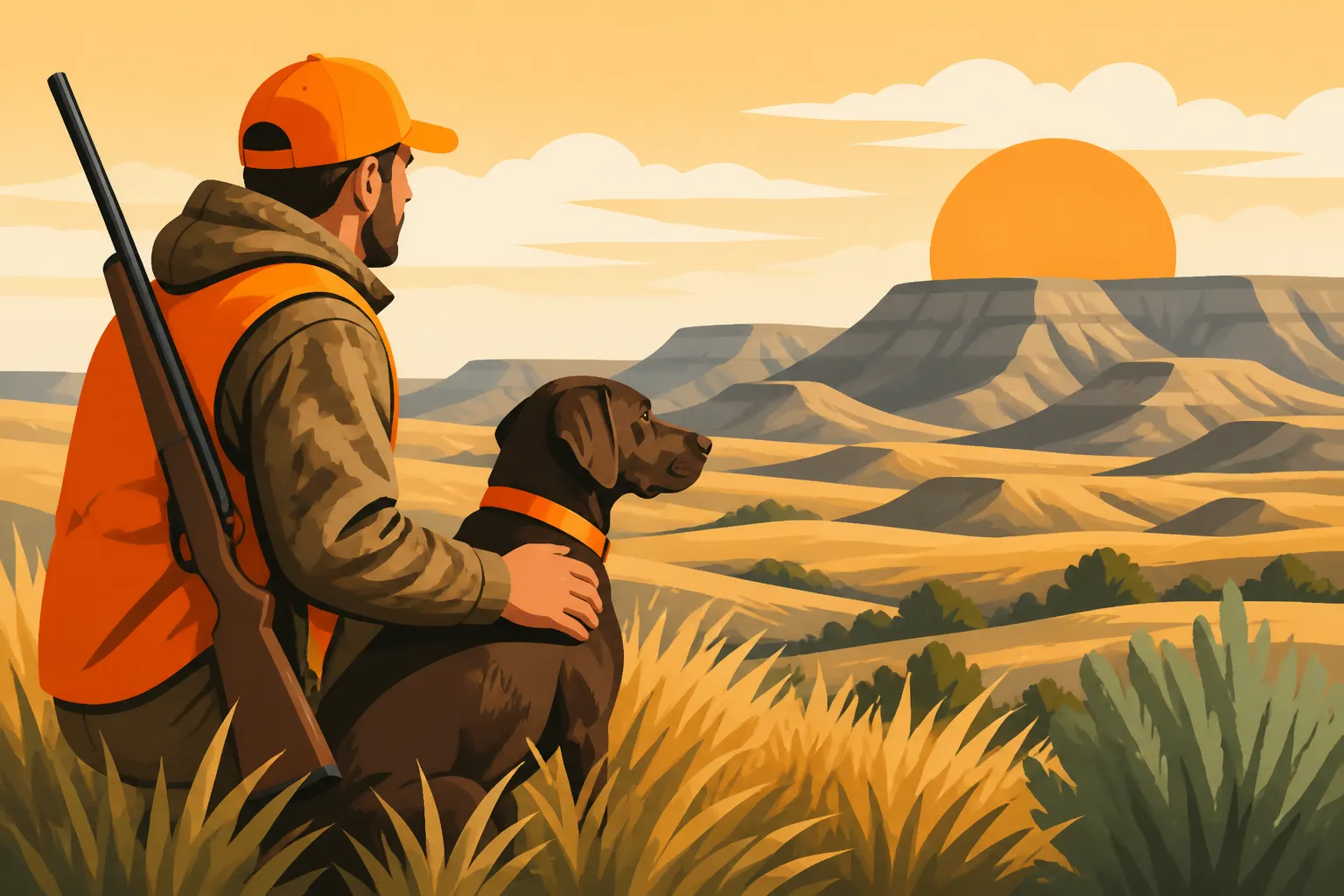
For many of us, our hunting dogs aren't just tools; they're family. They're loyal companions who share our passion for the outdoors and bring an unparalleled joy to every retrieve and every flush. The thought of embarking on a significant hunting trip without them by our side can feel profoundly incomplete.
Why Your Dog is More Than Just a Tool
It's an emotional connection, pure and simple. Watching your dog work a field, their tail a blur of excitement, their nose glued to the ground, is a huge part of the hunting experience for many. They are a true partner, anticipating your movements, responding to your commands, and sharing in the thrill of the chase. This partnership builds over countless hours of training and shared experiences, forming a bond that runs deeper than simply asking for a retrieve. It's about teamwork, understanding, and the silent language you share in the field.
Beyond the emotional aspect, a well-trained dog undeniably enhances the hunt. They can locate birds that hunters might miss, retrieve downed game from dense cover, and significantly reduce cripple loss. Their instincts and keen senses add another dimension to the hunt, often turning a good day into an unforgettable one. For many, the sight of their dog locked on point, or crashing through heavy cover to retrieve a rooster, is just as rewarding as pulling the trigger.
The Doubts and Worries of Leaving Them Behind
The guilt is real, isn't it? Leaving your dog at home, especially when you know they live for the hunt, can cast a shadow over your entire trip. You might worry about their well-being, if they're getting enough exercise, or if they miss you as much as you miss them. For some, it even feels like a betrayal of that partnership you've so carefully cultivated.
Then there's the practical side. You're accustomed to their particular style of hunting, their quirks, and their strengths. Hunting without them can feel like you're missing a limb, affecting your confidence and enjoyment in the field. You might wonder if you'll miss opportunities or struggle with retrieving birds without your trusted partner. The experience can feel diluted, like a key ingredient is missing from your favorite recipe, leading many to seek out guided hunts that welcome their four-legged friends.
Initial Research: Questions to Ask Before Booking
Before you even think about packing Fido's gear, a thorough vetting process is crucial. Not all outfitters or lodges are created equal when it comes to accommodating hunting dogs, and an upfront conversation can save you a world of headaches and disappointment later on. This is where detailed planning comes into its own, ensuring everyone is on the same page.
Lodge and Outfitter Dog Policies
This is arguably the most critical area of inquiry. You need to know the specific rules regarding dogs from the get-go. Many lodges have dedicated kennel facilities, which can vary wildly in quality and comfort. Some might offer heated indoor kennels, while others provide outdoor runs. Ask about crate requirements – will your dog need to stay in their own crate within a communal kennel building, or is a run sufficient? Inquire about security measures, especially if you're concerned about other dogs, or even wildlife.
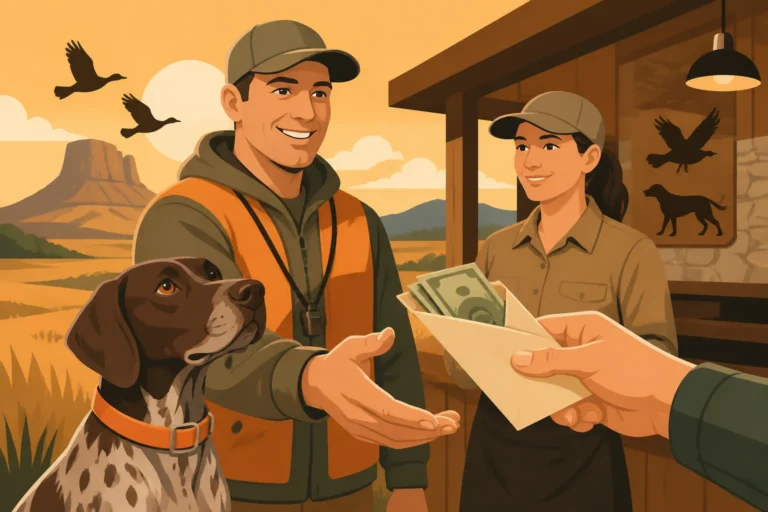
Some high-end lodges might allow dogs in guest rooms, often with an extra fee or specific room assignments. If this is important to you, press for details: are there size or breed restrictions? What about cleaning fees? It's always best to get these policies in writing or at least confirm them unequivocally. A great resource for starting this research can be platforms like BookYourHunt, where many outfitters list their amenities and policies, sometimes even specifically mentioning dog accommodations. Don't just assume "dog-friendly" means "dog-in-my-room-friendly" or "dog-in-the-field-friendly." Clarify everything.
Logistics and Fees Associated with Canine Companions
Beyond the basic accommodation, what are the associated costs and logistical considerations? Many outfitters charge an additional fee for bringing your dog, covering things like kennel usage, extra cleaning, or even the guide's time dedicated to managing multiple dogs. Ask about these fees upfront so there are no surprises when you arrive. You should also inquire about feed – do you need to bring all of your dog's food, or is some available on-site? What about water? Will fresh water be readily accessible in the kennels and in the field?
Think about veterinary access as well. South Dakota's prairie can be tough on dogs, with thorns, burrs, and potential for cuts or sprains. Ask the outfitter if they have a local vet they recommend or if they have any emergency protocols in place for injured dogs. Understanding these logistical details, including who is responsible for feeding, watering, and exercising your dog when you're not actively hunting, can make a huge difference in your peace of mind throughout the trip. Remember, you're looking for a partnership with the outfitter, not just a place to stay.
Understanding the Hunt Style and Dog Suitability
The way a guided hunt is structured heavily influences whether bringing your dog is a good idea. For instance, if the outfitter specializes in South Dakota Pheasant Hunting Tactics for the Opener that involve large groups, multiple guides, and numerous dogs, your single dog might get lost in the shuffle or disrupt the established rhythm. Conversely, smaller, more intimate hunts with a single guide and a few hunters might be ideal. Ask about the typical group size and how many dogs are usually in the field at once, both yours and the guide's.
Consider the terrain and cover. Will you be Walking and Blocking South Dakota Cattail Sloughs, navigating dense shelterbelts, or working more open grass? Some dogs excel in specific cover types, and if your dog isn't suited for the dominant terrain, it might be more of a hindrance than a help. This is also important if you have a specific type of dog, such as a pointer or a flusher. You'll want to ask the outfitter if they regularly work with Pointing Dogs Versus Flushers on Wild Birds and what their preference is. If they primarily use their own flushing labs and your dog is a slow-working pointer, there could be a mismatch in expectations or even a safety concern if dogs are working different paces.
Preparing Your Dog for the Trip
Once you've confirmed that bringing your dog is feasible and desirable, the real work begins. Preparation is key to a successful, safe, and enjoyable hunt for your dog. This isn't just about packing their leash; it's about ensuring they are physically, mentally, and medically ready for the rigors of a South Dakota hunting adventure.
Health and Vaccination Requirements
Before you hit the road, schedule a visit to your veterinarian. This isn't just a formality; it's a critical step. Ensure your dog is up-to-date on all core vaccinations, including rabies, distemper, parvovirus, and adenovirus. Beyond these, consider additional vaccinations often recommended for hunting dogs, such as Bordetella (kennel cough), leptospirosis, and Lyme disease, especially given potential exposure to unfamiliar environments and other animals. Many lodges and outfitters will require proof of vaccination, so have your vet prepare a health certificate or at least an updated shot record.
Discuss parasite prevention with your vet. South Dakota, like many hunting destinations, has its share of ticks, fleas, and mosquitoes. Ensure your dog is on a reliable preventative for heartworm, ticks, and fleas. You might also ask about a fecal test to rule out any internal parasites. Be proactive about potential health issues; a healthy dog is a happy hunting partner. If your dog is prone to any specific health concerns, such as joint issues, discuss how to manage these on a physically demanding trip.
Conditioning and Training for South Dakota Conditions
Hunting in South Dakota, particularly for pheasants, can be incredibly demanding. You'll be covering miles of varied terrain, often through thick cover and in unpredictable weather. Your dog needs to be in peak physical condition to avoid injury and perform effectively. Start a conditioning program weeks, if not months, before your trip. This should include regular, long walks, runs, and sessions working in similar cover to what you'll encounter. Think about gradually increasing their endurance and stamina.
Beyond physical conditioning, a refresher course in obedience and field commands is always a good idea. Practice "heel," "whoa," "stay," "come," and "retrieve" in distracting environments. Your dog will be encountering new people, new dogs, and exciting new smells, so their reliability on command is paramount for their safety and the enjoyment of the entire hunting party. If you're hunting pheasants, practicing quartering patterns, flushing, or holding point in a controlled environment will ensure they're ready to perform on wild birds. Your guide will appreciate a dog that is well-mannered and responsive, even amidst the excitement of the hunt.
Packing Essentials for Your Four-Legged Hunter
Creating a comprehensive packing list for your dog is just as important as packing your own gear. Start with their regular food; sudden changes in diet can lead to upset stomachs, which is the last thing you want in the field. Bring enough for the entire trip, plus a little extra, stored in an airtight container. Collapsible water bowls and plenty of fresh water are crucial, especially on long walks. Remember that even on cooler days, dogs can dehydrate quickly, particularly when working hard. You'll want to pay close attention to Dog Water and Burrs on the Prairie during and after each hunt.
A dog first-aid kit is non-negotiable. This should include essentials like antiseptic wipes, self-adhesive wrap, tweezers for burrs and thorns, paw protection balm, pain relief medication (as advised by your vet), and any specific medications your dog requires. Don't forget their kennel or bed – a familiar sleeping space can provide comfort and security in a new environment. Finally, consider protective gear like a blaze orange vest for visibility, especially on public lands where Blaze Orange Rules on a Bird Hunt are strictly enforced. A burr comb is also a must-have, as prairie vegetation can quickly mat their fur.
| Item | Purpose | Notes |
|---|---|---|
| Dog Food | Maintain consistent diet, avoid stomach upset | Bring enough for the trip + extra; airtight container |
| Water & Collapsible Bowls | Hydration in kennel and field | Crucial for working dogs, especially in warm weather |
| Dog First-Aid Kit | Address minor injuries, burrs, paw issues | Antiseptic, wrap, tweezers, paw balm, vet-prescribed meds |
| Crate/Bed | Familiar, secure resting place; containment | Essential for comfort and lodge policy compliance |
| Leash & Collar | Control and identification | ID tags with your contact info |
| Blaze Orange Vest | Visibility and safety in the field | Required or highly recommended for hunting dogs |
| Burr Comb | Remove burrs, foxtails, and debris | Daily checks are vital on the prairie |
| Towels | Cleaning muddy paws, drying off after a wet hunt | Old towels work great, especially for muddy conditions |
| Shotgun Shells (if applicable) | For training or to match guide's style | Ensure you have appropriate shells for your dog's training if needed |
| Vaccination Records | Proof of health for lodge/state requirements | Keep a copy handy, digital and physical |
Arrival and Settling In: Making the Transition Smooth
The first few hours at the lodge or camp are critical for both you and your dog. A smooth transition from travel to the new environment can set the tone for the entire trip, minimizing stress and ensuring your dog is ready to perform when it's time to hunt. Your calmness and confidence will rub off on them, so lead by example.
Navigating Lodge Kennels and Accommodations
Upon arrival, your first priority should be getting your dog settled. If the lodge has communal kennels, take the time to set up your dog's space properly. Ensure their crate or bed is comfortable and has fresh water. It's often best to introduce your dog to the kennel area when it's relatively quiet to minimize excitement and potential confrontations with other dogs. Observe the other dogs, if any, and gauge the general atmosphere. If there are signs of tension or aggression, communicate your concerns to the outfitter immediately.
If your dog is allowed in your room, take similar steps. Designate a specific area for their bed and bowls. Be mindful of potential damage to furniture or carpets, and try to keep them on their regular schedule as much as possible. A tired dog, especially after travel, will usually settle quickly, so a good walk and a chance to relieve themselves can work wonders before kennel time. Remember, the goal is to make their new temporary home feel safe and routine.
Introducing Your Dog to the Guide and Other Hunters
This is a key moment for setting expectations. Before heading to the field, introduce your dog to your guide and any other hunters in your party. Clearly communicate your dog's temperament, hunting style, and any specific commands or quirks they might have. For instance, if your dog tends to be a bit headstrong on retrieves, let the guide know you're working on it and how you manage it. Open communication fosters trust and helps prevent misunderstandings later.
It's also a good idea to observe how your dog interacts with the guide's dogs, if any. Some guides prefer to keep their dogs separate, while others might allow them to socialize. Always maintain control of your dog, especially during these initial introductions. Leash them if necessary. Demonstrating that you have a well-controlled, disciplined dog will immediately earn you respect from the guide and fellow hunters. This is also an opportunity to confirm the guide's expectations for how your dog will work in the field alongside their own, or if they prefer a rotation system.
Establishing a Routine in a New Environment
Dogs thrive on routine, and maintaining as much consistency as possible will help your dog adjust quickly. Try to feed them at their usual times and ensure they get regular opportunities for exercise and potty breaks. Early morning walks before the hunt starts can help burn off energy and get them acclimated to the smells and sounds of the new area. Even a short stroll can help them establish their territory and feel more at ease.
Consistency in your commands and interactions is also vital. In the excitement of a new hunting environment, it's easy to get lax, but sticking to your training will reinforce good behavior. Provide plenty of praise and positive reinforcement for good behavior, both in the kennel and during introductions. The more settled and comfortable your dog feels, the better they will perform and the more enjoyable the entire experience will be for everyone involved. Think about what a guide expects during What a Guide Does During a Bird Drive and how your dog's training will contribute to that smooth operation.
Hunting with Your Dog: Etiquette and Expectations in the Field
The moment you've been waiting for has arrived: it's time to hunt. Being a responsible dog owner on a guided trip means not only ensuring your dog performs well but also respecting the guide, fellow hunters, and the overall flow of the hunt. It's a delicate balance of confidence in your dog and deference to the professional leading the way.
Respecting the Guide's Expertise and Dogs
Remember, you've hired a professional for their knowledge of the land, the game, and often, their own exceptional hunting dogs. Your guide has a plan for the day, which might involve Pushing a Cattail Slough With Blockers or Working South Dakota Shelterbelts for Roosters, and they know the property and the birds better than anyone. Be open to their suggestions and directions, even if they differ slightly from your usual approach. They might ask you to keep your dog on a tighter leash at certain times or hold them back for specific flushes.
If the guide is also running their own dogs, be especially mindful. Their dogs are often highly trained and integral to their operation. Ensure your dog doesn't interfere with their work, steal retrieves, or cause distractions. A good rule of thumb is to let the guide's dogs take the lead if they're working, unless specifically instructed otherwise. Understand that the guide's primary responsibility is to ensure a successful and safe hunt for all clients, and that often means managing the dog dynamics carefully. Never compete with the guide's dogs; instead, strive for a harmonious hunting partnership.
Managing Your Dog's Performance and Safety
Your dog's safety and well-being in the field are paramount. South Dakota's heavy cover, particularly the dense cattails and thorny patches, can be brutal on paws and fur. Take frequent breaks to check your dog for burrs, foxtails, and thorns. These can cause painful infections if left untreated. Keep them hydrated by offering water whenever possible, especially on warmer days. Look for signs of overheating, such as excessive panting, lethargy, or stumbling, and take immediate action if you notice them. Your guide can advise you on common hazards and how to navigate challenging terrain.
Know your dog's limits. If they are showing signs of fatigue or are struggling with the cover, pull them out and give them a rest. Pushing a dog beyond its capacity is not only cruel but also counterproductive. It's better to have a fresh dog for part of the day than an exhausted, ineffective one for the whole day. Be particularly aware of Keeping a Dog Cool on an Early Opener if your hunt is scheduled for the warmer parts of the early season. Maintaining good muzzle discipline around other hunters and dogs is also critical for safety, even if your dog isn't retrieving.
Dealing with Mixed Dog Parties and Group Dynamics
Many guided hunts involve multiple hunters, and sometimes multiple dogs. This can be fantastic, but it also requires careful management of dog dynamics. Before the hunt starts, discuss with the guide how multiple dogs will be deployed. Will dogs be rotated? Will yours work alongside another hunter's dog? Knowing this beforehand can help manage expectations and prevent conflicts.
In the field, ensure your dog is well-behaved around other dogs. Avoid situations where your dog might interfere with another dog's retrieve or become overly dominant. If your dog is struggling to get along with another dog, it's your responsibility to intervene, even if it means temporarily leashing your dog or pulling them out of the action. Clear communication with your guide and fellow hunters about dog behavior is essential for a smooth and enjoyable experience for everyone. Remember, the focus should be on the hunt and the camaraderie, not on managing dog squabbles. Don't forget that observing Pheasant Hunting Etiquette on Public Ground can apply just as well to guided private land hunts.
After the Hunt: Care and Considerations
The hunt doesn't end when the last bird is retrieved. The post-hunt routine is just as important for your dog's health and happiness, and for ensuring you leave a positive impression on the outfitter. Proper care can prevent injuries, ensure their comfort, and solidify your chances of being welcomed back for future hunts.
Post-Hunt Recovery and Health Checks
Once the guns are cased and the birds tallied, your primary focus should shift to your dog's recovery. Immediately after the hunt, give your dog plenty of fresh water. Check their paws meticulously for cuts, abrasions, embedded burrs, or thorns. South Dakota's tough prairie grasses and crop stubble can be hard on paw pads, and a small cut can quickly become a serious issue. Gently comb through their coat to remove any remaining burrs or debris, paying special attention to ears, armpits, and under the tail.
Feel along their legs and body for any tender spots, swelling, or minor injuries. Even seemingly small scrapes can become problematic if not cleaned and treated promptly. If you notice anything concerning, consult your dog's first-aid kit or, for more serious issues, alert the outfitter to see if they can recommend a local vet or if you need to revisit any discussions about Vet Care and Dog Injuries on a Trip. A thorough check takes only a few minutes but can prevent days of discomfort or more significant veterinary bills.
Handling Bird Processing with Your Dog Present
While you're busy with bird cleaning and packaging, consider where your dog is. For some dogs, the smell and sight of freshly harvested birds can be incredibly exciting, potentially leading to undesirable behaviors like trying to snatch a bird or becoming overly agitated. If your dog tends to be overly focused on game, it might be best to kennel them or keep them in a separate area during processing. This prevents them from developing bad habits and ensures the bird cleaning process can be done efficiently and hygienically.
However, if your dog is well-trained and calm, they might simply observe from a distance. If they are present, reinforce commands like "leave it" or "stay" to ensure they understand their boundaries. Some lodges offer bird cleaning services, which can also influence this decision. Regardless, maintaining control and ensuring your dog isn't interfering with the post-hunt activities is crucial for a smooth operation for everyone involved.
Departure Logistics and Future Bookings
As your trip winds down, remember to tidy up your dog's area in the kennel or room. Leave it as clean, or cleaner, than you found it. This small gesture speaks volumes about your respect for the outfitter's property and their hospitality. A quick sweep, wiping down surfaces, and ensuring all dog waste is properly disposed of goes a long way.
Before you leave, take a moment to thank your guide and the lodge staff. If you had a positive experience, consider providing feedback directly and, if appropriate, inquire about rebooking for the following season. A good relationship with an outfitter who welcomes your dog is invaluable. By being a respectful, responsible dog owner, you not only ensure your dog has a great time but also pave the way for other hunters to bring their canine companions in the future. Don't forget to ask about any specific processes for Tagging and Transporting Birds Legally as you prepare for the drive home, as your dog might still be sensitive to the scent of game. You can also research through resources like GoHunt to scout out new areas or outfitters that continue to embrace hunters with their dogs.
Disclaimer
This article is for general informational purposes only and does not constitute professional advice. Laws, prices and regulations vary by location and change over time. Consult a qualified professional for guidance on your specific situation.