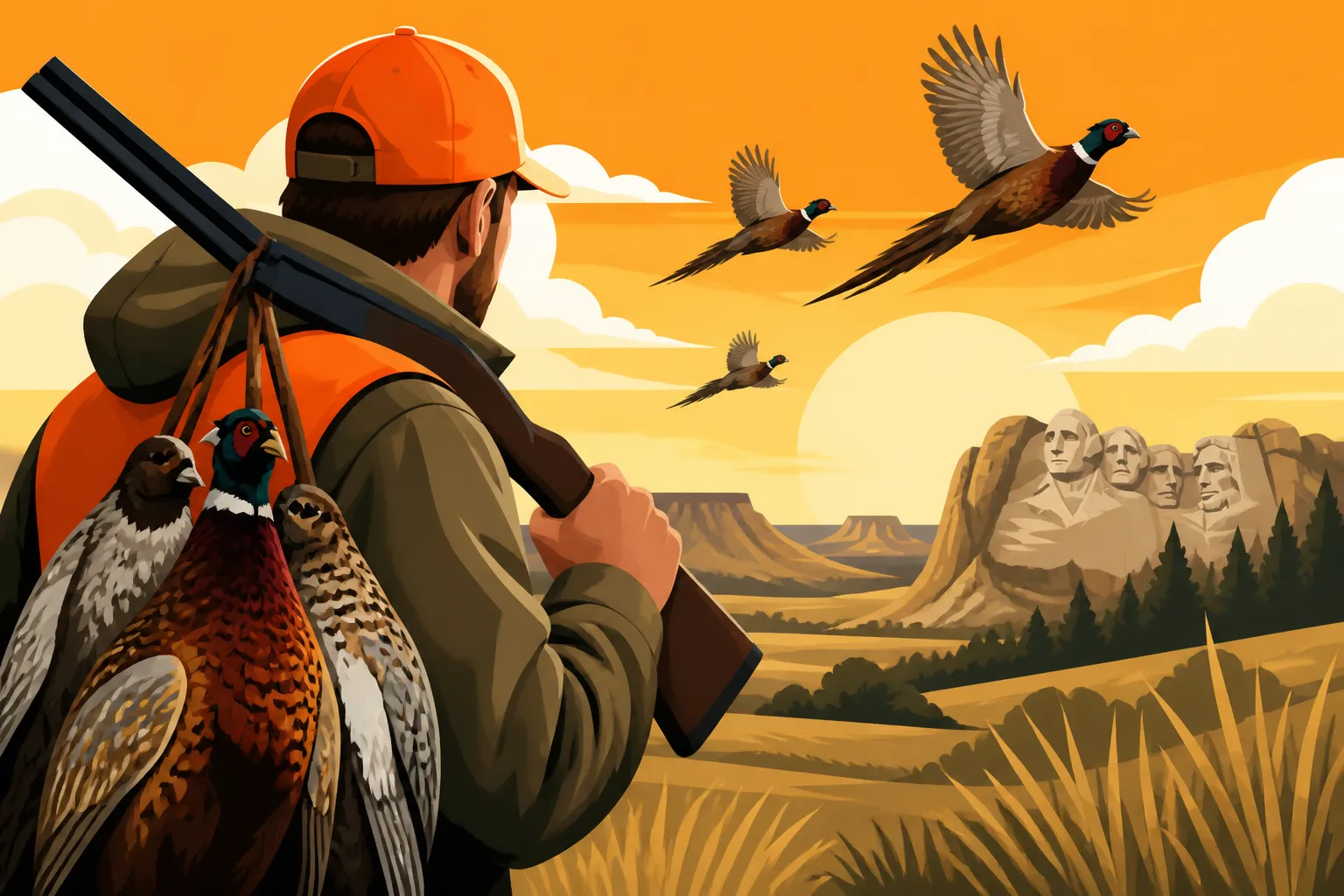
Getting Birds Home From South Dakota
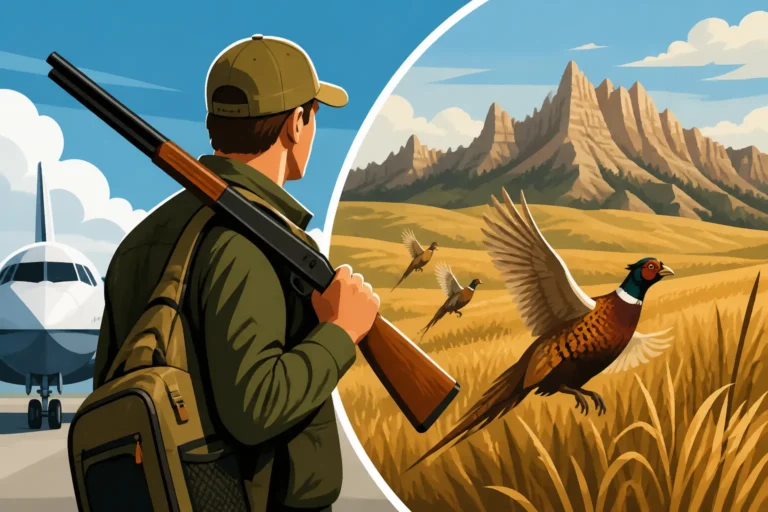
You've just enjoyed a fantastic hunt in South Dakota, the dogs worked tirelessly, the weather held, and your game vests are satisfyingly heavier than when you started. Now comes the often-overlooked logistical challenge that can dampen an otherwise perfect trip: how do you get all those beautiful pheasants, grouse, or ducks home, especially if you've traveled a long distance? It’s a common frustration, and many hunters underestimate the steps involved, leading to potential headaches, spoilage, or even legal issues. This guide is here to walk you through everything you need to know about preparing your birds and navigating the journey back home, ensuring your freezer is stocked with delicious memories.
Understanding South Dakota's Game Transport Regulations
Before you even think about packing that cooler, you need a solid grasp of the rules. South Dakota, like any state, has specific regulations in place to ensure that all game harvested within its borders is done so legally and transported properly. Ignoring these can turn a successful hunt into a very expensive lesson, and nobody wants that. It's about respecting the resource and upholding the integrity of the hunt.
Tagging Requirements for Legally Harvested Birds
One of the most fundamental rules, and often the most overlooked by excited hunters, is the proper tagging of your birds. It might seem like a small detail, but it’s absolutely critical. When you harvest a pheasant, a duck, or any other game bird in South Dakota, you're responsible for identifying it as legally taken. While South Dakota's small game regulations don't require an actual physical tag affixed to each bird in the same way big game mandates a paper tag, the legal requirement revolves around proper identification and possession limits.
What this means in practice is that you must be able to prove, at any point, that the birds in your possession were lawfully harvested. This typically involves keeping the birds in a state where their species can be identified and ensuring you haven't exceeded your daily or possession limits. If you're going to clean your birds in the field, it's often a good practice to leave one feathered wing attached to the breast or carcass. This allows game wardens to easily identify the species and determine if it's a legal bird (like a rooster pheasant). The moment you separate a pheasant breast from its body, you're essentially removing its primary identifier. Some hunters will even write the date, their name, and license number on a small zip-tie tag and attach it to the bird, especially if they are only taking breasts. This proactive step can save you a lot of grief if you encounter a game warden who has questions. Remember, the burden of proof is often on the hunter. You'll want to review the full details on Tagging and Transporting Birds Legally.
Legal Possession Limits and Proving Origin
Understanding the difference between daily bag limits and possession limits is paramount, especially for nonresident hunters making a multi-day trip. The daily bag limit is the maximum number of birds you can harvest in one calendar day. The possession limit, on the other hand, is the maximum number of birds you can have in your possession at any one time, whether they're fresh from the field, in your cooler at the lodge, or stored in your freezer at home. For pheasants in South Dakota, the possession limit is often three times the daily bag limit. For example, if the daily bag is three roosters, the possession limit is nine. This means you can hunt for three days, bagging three birds each day, and still be legal with nine birds in your possession.
The challenge arises when you're crossing state lines. Most states will recognize game legally harvested in another state, but you still need to be able to demonstrate that the birds were legally taken and that you're within your possession limits for the state where they were harvested. This is where meticulous documentation becomes your best friend. Keep records of your hunt dates, where you hunted (public land, private land with permission, or with a licensed outfitter), and your South Dakota Nonresident Licence Cost information. If you hunted with an outfitter, keeping their contact information handy can be helpful should any questions arise from wildlife officials. Always be aware of the South Dakota Pheasant Daily Bag Limit and how it applies to your overall possession. Don't push your luck by thinking a few extra birds won't be noticed; it's simply not worth the risk.
Field Care and Preservation for the Journey Home
The quality of your wild game meat hinges almost entirely on how you handle it immediately after the harvest. South Dakota hunting seasons often occur in varying temperatures, from crisp fall mornings to surprisingly warm afternoons. Proper field care isn't just a suggestion; it's a necessity if you want to enjoy delicious meals later.
Immediate Care: Cooling and Cleaning Your Birds
The clock starts ticking the moment a bird hits the ground, especially on those warmer early season days. Heat is the enemy of fresh game meat. The goal is to cool the bird down as quickly as possible. This means getting it out of direct sunlight, gutting it, or at least getting it into a cooler. Many experienced hunters will immediately open the body cavity to allow heat to escape, even if they plan to breast the bird later. If you're packing birds whole, a quick gutting can significantly improve the meat quality by removing internal organs that can hold heat and introduce bacteria.
When it comes to cleaning, you typically have two main options: breasting or plucking. Breasting involves removing only the breast meat, which is quicker, lighter for transport, and requires less freezer space. It's often favored by hunters who travel light or have limited time for processing. The downside is you lose the leg and thigh meat, which can be delicious. Plucking, on the other hand, means removing all the feathers, allowing you to keep the entire bird (minus entrails). This offers more meat, especially the flavorful dark meat from the legs and thighs, but it's more time-consuming and messy. Many hunters who are staying at a lodge with cleaning facilities might opt for plucking. For those making a quick trip and wanting efficiency, breasting is often the way to go. Just remember to check regulations on leaving a wing attached for identification purposes, particularly if you're only taking the breasts. Our guide on Cleaning Pheasants in the Field offers more specific tips.
Packing for Travel: Keeping Them Cold and Secure
Once your birds are cleaned, the next critical step is getting them properly chilled and packed for the journey. This isn't just about throwing them in a cooler; it's about strategic packing to ensure they stay frozen or very cold for the entire trip. For most hunters, a good quality cooler is indispensable. You'll want one that holds ice well, has a secure lid, and ideally, wheels if you're lugging a lot of birds.
Dry ice is a fantastic option for long drives or flying, as it keeps things colder for longer and doesn't create messy water like regular ice. However, dry ice requires careful handling (always wear gloves!) and proper ventilation, as it emits carbon dioxide gas. If you're using regular ice, consider freezing plastic water bottles or milk jugs filled with water. They act as reusable ice packs, keep your meat from getting waterlogged, and you'll have drinking water once they melt. Layer your birds, ice, and perhaps some newspaper or towels to act as insulation and prevent direct contact with melting ice if you're using cubes. A general rule of thumb is to pack birds as tightly as possible, minimizing air pockets, and topping off with ice. Don't forget that if you're flying, the birds must be completely frozen solid. You don't want to arrive at the airport and be turned away because your birds are merely chilled. Take a look at Coolers and the Drive Home for more packing insights, and make sure your method aligns with Keeping Birds Cool in a Warm Truck.
Transportation Methods for Your Game Birds
How you get your birds home largely depends on whether you're driving or flying. Each method comes with its own set of rules, challenges, and best practices, and a little foresight goes a long way.
Driving Home: Vehicle Preparation and Interstate Rules
For many hunters, especially those traveling from neighboring states, driving is the most common method of getting game home. It offers more flexibility with how you pack and the quantity you can transport, but it's not without its considerations. Your vehicle needs to be prepared to handle coolers for an extended period. Ensure your coolers are in good condition, seals are intact, and you have plenty of ice or dry ice to last the entire drive, plus some extra buffer time. Don't just throw them in the trunk; try to keep them in the coolest part of the vehicle, out of direct sunlight. Some hunters will even wrap their coolers in blankets or sleeping bags for added insulation during long hauls.
The biggest hurdle for drivers is navigating interstate game transport laws. While South Dakota has its rules, every state you pass through may have its own specific requirements regarding game birds. Some states might require a permit for transporting game through their borders, or they might have stricter guidelines on how birds must be identified (e.g., leaving a wing attached). It's always prudent to check the wildlife agency websites for each state you'll be driving through. A quick call to their non-emergency line can also clear up any confusion. The last thing you want is to be pulled over for a routine traffic stop and end up with a game violation because your pheasants aren't properly documented for the state you're currently in. You'll also want to make sure your processing method for the birds complies with Transport Rules for Cleaned Birds.
Flying Home: Airline Regulations and Shipping Services
Flying home with game birds is definitely doable, but it requires much more rigorous planning and adherence to specific rules. This is where many hunters get caught off guard. Every airline has its own policies regarding perishable items, frozen meat, and coolers, and these policies can change. Your absolute first step must be to contact your specific airline to understand their current rules. Do not assume.
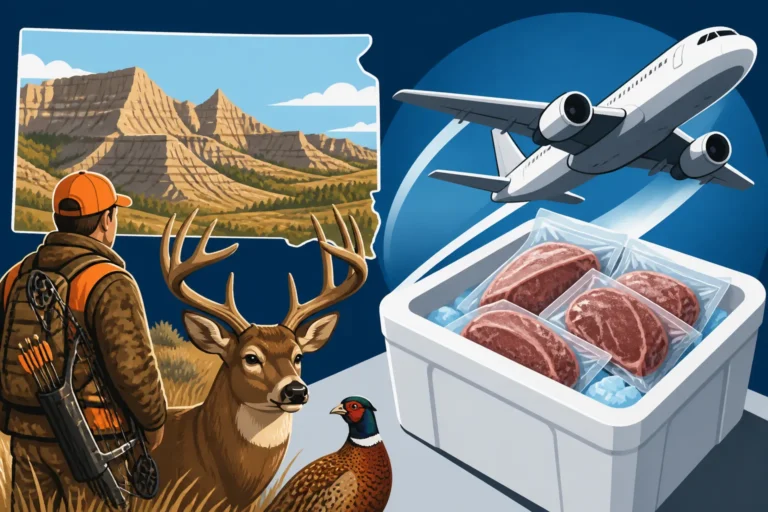
Typically, airlines require game meat to be completely frozen solid and packed in an approved container, usually a hard-sided cooler or a sturdy insulated box. Soft-sided coolers are often prohibited for checked game. There are usually weight limits for checked baggage, and overweight fees for coolers can be substantial, sometimes making it cheaper to ship your birds. Airlines generally want the meat to be frozen solid enough to remain frozen for at least 24-48 hours, even if the flight itself is much shorter. Some airlines might have restrictions on dry ice (due to its gaseous nature in the cargo hold), so confirm this beforehand. It's often best to package your birds in vacuum-sealed bags within the cooler to prevent any leaks or odors, which airlines are very sensitive about.
If the thought of navigating airline bureaucracy fills you with dread, or if you simply have too many birds, specialized shipping services are an excellent alternative. Companies like FedEx or UPS offer services for shipping perishables, but they also have strict packaging requirements, need the meat to be frozen solid, and it can be quite expensive. However, it can be a convenient option. Many South Dakota outfitters and lodges, especially those you might find through platforms like BookYourHunt or GoHunt, have established relationships with local processors or shipping companies. They can often handle the entire process for you, from Getting Meat Cooled in Warm Weather to packaging and shipping directly to your home. This convenience often comes at a cost, but it removes a huge amount of stress.
Best Practices and Common Pitfalls
Successful game transport boils down to planning and proactive communication. Don't let the excitement of the hunt distract you from the practicalities of getting your hard-earned harvest home safely and legally.
Planning Ahead and Communicating with Your Outfitter
The golden rule for hassle-free game transport, especially for nonresident hunters, is to plan ahead. This means discussing your intentions with your outfitter or lodge long before you even arrive in South Dakota. Many reputable outfitters understand this concern and offer comprehensive services designed to help you.
When booking your hunt, ask specific questions:
- Do you offer bird cleaning services? If so, what is the cost, and does it include both breasting and plucking?
- Do you have freezer space for guest's birds? Is it enough for my expected harvest over several days?
- Can you package birds for travel? Do you vacuum seal, and what type of packaging do you use for shipping or flying?
- Do you facilitate shipping? What companies do you use, what are the estimated costs, and what's the typical turnaround time?
Platforms like BookYourHunt or GoHunt often list what services an outfitter provides, but it's always best to follow up directly. Knowing what to expect means you can make informed decisions about your own equipment (do you need to bring extra coolers?) and budget. Many lodges even have dedicated bird cleaning stations and large walk-in freezers, making the post-hunt process a breeze. This focus on communication and clarifying Bird Cleaning and Packaging Services can prevent a lot of last-minute stress.
Documentation and Staying Informed
Beyond tagging your birds and adhering to possession limits, good documentation is your safety net. Always have your current South Dakota hunting license, any required habitat stamps, and a copy of the state's game regulations on hand. Many states now offer digital versions on their wildlife agency websites, which are easy to access on your phone (where you have cell service, anyway!).
Staying informed means checking the South Dakota Game, Fish and Parks (GFP) website for any updates or changes to regulations, especially before your trip. Seasons, limits, and transport rules can sometimes be adjusted. The South Dakota Hunting Handbook Release is your official guide, usually updated annually.
Common pitfalls include:
- Improper or missing tagging: This is an easy way to incur a fine.
- Exceeding possession limits: Thinking you can squeeze in "just one more" bird can lead to legal trouble, especially if your definition of "possession" doesn't match the state's.
- Spoiled meat: Not getting birds cooled quickly enough, or losing ice on a long drive, results in wasted game and a lot of disappointment.
- Airline surprises: Showing up at the airport with improperly packed or unfrozen birds can mean costly repacking, shipping delays, or even having to abandon your birds.
By taking the time to understand the regulations, preparing your birds correctly, and communicating proactively, you can ensure that the delicious memories of your South Dakota hunt make it all the way home.
Disclaimer
This article is for general informational purposes only and does not constitute professional advice. Laws, prices and regulations vary by location and change over time. Consult a qualified professional for guidance on your specific situation.