Finding a South Dakota Farmer to Ask
For many of us, the dream of a successful South Dakota hunt often conjures images of endless public lands and cooperative game. But let's be honest, finding truly quality hunting experiences, especially for deer or pheasants, frequently means navigating the tricky world of private property. It can feel incredibly intimidating to approach a stranger and ask for access, and the fear of rejection or simply not knowing how to even start is a very real barrier. This guide is here to walk you through the practical steps of finding a South Dakota farmer or landowner and respectfully asking for hunting permission, helping you unlock some fantastic opportunities away from the crowds.
Understanding the Landscape: Where to Begin Your Search
Before you even think about knocking on a door or making a phone call, you need to do your homework. South Dakota is a vast state with diverse landscapes, and where you focus your efforts will heavily influence your success. It’s not just about finding any farmer; it’s about finding the right farmer in the right area.
E-Scouting and Mapping Potential Areas
Modern technology is your best friend when it comes to preliminary scouting. Gone are the days of relying solely on paper plat books, though those still have their place. Start by using online mapping tools, like the South Dakota Public Hunting Atlas, or powerful apps like those offered by GoHunt, to identify areas of interest. Look for features that hold game: dense cattail sloughs for pheasants, river bottom timber for whitetails, or rolling breaks with sagebrush for mule deer. These tools will allow you to overlay property lines, landowner names, and aerial imagery, giving you a comprehensive view of the terrain before you ever leave your couch.
Think about areas that are less obvious, perhaps smaller parcels tucked away from main roads, or properties adjacent to known public hunting ground like Game Production Areas or Walk-In Areas. Sometimes, landowners next to heavily hunted public land are more open to giving permission to respectful hunters, as they might be tired of dealing with trespassers or overcrowding. Pay attention to how the land is used – is it cropland, pasture, or does it have significant native cover? This can give you clues about the landowner's primary focus and potential openness to hunting.
Identifying Landowners and Contact Information
Once you've pinpointed a few promising parcels, your next step is to figure out who owns them. The online mapping tools and county assessor's websites are invaluable here. Many counties in South Dakota have their GIS (Geographic Information System) maps available online, which link property parcels to ownership records. You might find a name and a mailing address, and sometimes even a phone number if it’s a publicly listed business or farm. Don't be discouraged if you only find a name and P.O. box; a letter can still be a very effective way to make first contact, especially if you personalize it.
It's also worth noting how specific areas manage private land access. For example, some regions might have more absentee landowners who live out of state and might be harder to contact directly. In contrast, areas with multi-generational family farms might have owners who are more deeply connected to the land and the local hunting culture. Understanding this can help you tailor your approach. If you find multiple potential parcels in a small area, consider grouping them together and trying to contact all owners, as one "yes" can sometimes lead to another.
Making the Approach: Tips for Asking Permission
This is where many hunters get cold feet, but a respectful and well-prepared approach can make all the difference. Remember, you’re not just asking for a place to hunt; you’re asking a landowner to trust you with their property, their livelihood, and potentially their family’s safety.
Timing and Method of Contact
The "when" and "how" of asking are crucial. Generally, avoid calling or showing up during peak busy times like planting season in spring, harvest season in fall, or during Sunday dinner. Weekday evenings or late mornings can often be good windows. For pheasant hunting, trying to get permission right before the season opener is often too late, as many landowners will have already made arrangements or be overwhelmed with requests. Starting your outreach well in advance, even months before the season, gives you a significant advantage. A letter of introduction sent in late summer can be a great way to gauge interest before a follow-up call or visit.
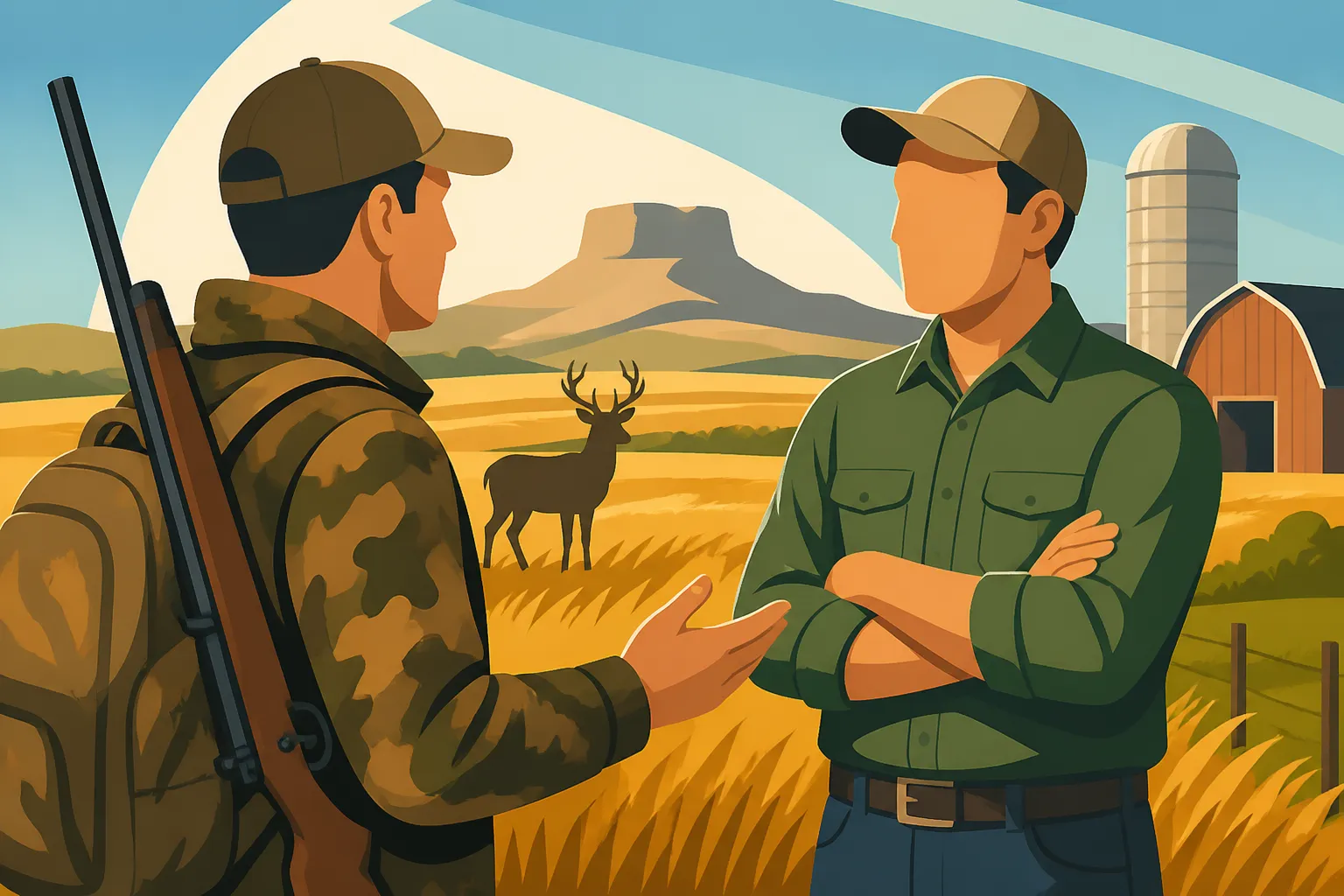
When you do make contact, whether in person or by phone, introduce yourself clearly. State your name, where you’re from, and why you’re contacting them. Be direct but polite: "Hello, my name is John Smith, and I'm calling from Omaha. I was hoping to speak with you about the possibility of hunting pheasants on your land this fall." Always respect their time. If they're busy, offer to call back or visit another time. Never show up unannounced at their home without having tried to call first, unless you're truly in a rural area where that's more common. Even then, be prepared to be turned away politely.
What to Say and How to Present Yourself
Your presentation is key. If you're going in person, dress neatly and appropriately – clean jeans and a collared shirt are far better than dirty hunting clothes. Be articulate and confident, but humble. Emphasize your respect for their property. Detail what you want to hunt (e.g., pheasants, not "anything"), when you plan to hunt (e.g., a few days in November), and who will be with you (e.g., just yourself and your dog, or a small group of friends). Offer specific reassurances: you'll close all gates, pack out all trash, avoid driving in wet fields, and be mindful of livestock. If you hunt with a dog, mention that it is well-behaved and under control.
This is also an excellent time to offer something in return. While money might be an option for some, often a gesture of goodwill goes a long way. Could you offer to help with a chore, like checking fence lines, clearing brush, or fixing a gate? Maybe bring a gift like a fruit basket, a gift certificate to a local diner, or offer to share some of your processed game meat if successful. Sometimes, just offering to keep an eye on their property for anything suspicious can be a valuable service, especially for absentee landowners. Be prepared for a "no," and accept it graciously without pushing. A polite "thank you for your time" leaves a positive impression, and you never know when circumstances might change for them.
Here's a quick comparison of common approaches:
| Method of Contact | Pros | Cons | Best Use Case |
|---|---|---|---|
| In-Person Visit | Highly personal, allows for immediate rapport, shows commitment. | Can be intrusive if poorly timed, requires local presence, potentially awkward. | When you are already in the area, after initial contact, or for established relationships. |
| Phone Call | Immediate response, allows for direct conversation, less intrusive than an unannounced visit. | Easy to get rejected quickly, can feel impersonal, timing is critical. | Initial contact after finding a number, following up on a letter. |
| Written Letter | Non-intrusive, allows landowner to consider at their leisure, provides your contact info. | Slow response time, easy to ignore, lacks personal interaction. | Absentee landowners, initial contact when no phone is available, long-term cultivation. |
| Email/Messaging | Convenient, leaves a written record, good for quick questions. | Very impersonal, easily overlooked or marked as spam, less common for initial ask. | Following up after a phone call, for younger or tech-savvy landowners. |
Cultivating Long-Term Relationships
Gaining permission once is fantastic, but the real goal for many dedicated hunters is to build a lasting relationship that provides access for years to come. This requires ongoing effort and a commitment to being a responsible and respectful guest.
Being a Good Guest and Going Above and Beyond
Once you've secured permission, your actions on the property speak volumes. Always communicate your hunting plans beforehand. Let the landowner know when you'll be on their land and for how long. Stick to the agreed-upon areas and rules explicitly. If you said you'd hunt pheasants, don't suddenly start chasing coyotes without asking first. Hunting Pressure Patterns on Walk-In Areas can offer insights into how game might behave under pressure, so imagine the impact if a landowner feels their trust has been violated.
After your hunt, follow up with a thank you. A text message, a phone call, or even stopping by to show them the birds you harvested (if you were successful) can reinforce your gratitude. If you encounter any issues—a broken fence, a gate left open by someone else, or a suspicious vehicle—report it to the landowner immediately. This demonstrates that you’re not just a hunter but also an extra set of eyes looking out for their interests. Many landowners truly appreciate this vigilance.
Offering Assistance and Staying in Touch Off-Season
Consider offering assistance outside of hunting season. Perhaps they need help moving hay, fixing fences, or with other farm tasks. Even a few hours of your time can be incredibly valuable to a busy farmer, and it solidifies your position as a trusted friend, not just a seasonal visitor. This sort of reciprocal relationship is the bedrock of long-term access. You might even find yourself invited to help with activities like checking cattle or putting up winter feed, which can be fantastic experiences in themselves.
A thoughtful check-in during the off-season, perhaps a Christmas card or a quick call to see how things are going, keeps the relationship warm. This helps ensure that when hunting season rolls around again, you're not just a stranger calling out of the blue. Remember, your goal is to be someone they want on their property, someone they feel comfortable with. This might even open doors to other hunting opportunities, like early goose season or predator hunting, if you've proven yourself trustworthy and helpful. Predator Hunting Across South Dakota could be a topic to discuss with them if they have issues with coyotes, for example.
Alternatives and Resources if Direct Asking is Difficult
Sometimes, despite your best efforts, direct permission simply isn't feasible. Landowners might already have family or friends hunting, or they might prefer not to have outside hunters. Don't get discouraged! There are still plenty of avenues to explore for quality hunting experiences in South Dakota.
Exploring Public Access Programs
South Dakota has some fantastic public access programs that can provide excellent hunting opportunities. The Walk-In Area program, for example, leases private land from landowners specifically for public hunting access. These areas are clearly marked and open to foot traffic, providing thousands of acres across the state. Similarly, Game Production Areas (GPAs) are lands purchased by the state for wildlife habitat and public hunting. Checking the South Dakota Public Hunting Atlas regularly is a must, as new areas are often added. Understanding Hunting South Dakota Walk-In Areas thoroughly can unlock a huge amount of prime real estate.
Beyond state programs, federal lands like the National Grasslands (e.g., Buffalo Gap, Fort Pierre, Grand River) offer vast expanses for hunting various species, from prairie grouse to mule deer. While these might not be "asking a farmer," they represent large, accessible private lands managed for multiple uses, including hunting. You might still encounter smaller private parcels interspersed within these large public blocks, making a direct approach to those landowners potentially fruitful once you're already familiar with the general area. National Grasslands Hunting in South Dakota provides excellent insights into these opportunities.
Utilizing Outfitters and Hunting Services
If your time is limited or you're simply not having luck securing private land permission, considering a reputable outfitter is a solid alternative. Outfitters often have long-standing relationships with landowners and secure leases on prime hunting ground, providing a streamlined experience. While it comes with a cost, it can guarantee access to quality habitat and often includes lodging, meals, and experienced guides. Booking a South Dakota Pheasant Hunt or Booking a South Dakota Deer or Antelope Hunt are excellent resources to help you navigate this option.
Many outfitters are listed on platforms like BookYourHunt, which can simplify the process of finding and comparing services. This is especially useful for non-resident hunters who might not have the local connections to cold-call farmers. These services can connect you with guides specializing in specific game, from pheasants to Spot-and-Stalk Antelope Hunting in South Dakota. While it's not the DIY approach, it's a reliable way to ensure you have a place to hunt and a higher chance of success, often taking the stress out of securing permission. For big game, especially if you're trying to draw an elusive tag, an outfitter might offer insights into South Dakota Big Game Draws and How to Apply or even connect you with landowner tags if available.
Persistence and Local Connections
Finding a South Dakota farmer willing to grant hunting permission often boils down to persistence and building local connections. Don't give up after a few "nos." Every "no" brings you closer to a "yes." Join local conservation groups, attend community events, or simply frequent local diners and hardware stores. Striking up conversations with locals, without immediately asking for hunting permission, can build rapport. People are often more willing to help a friendly face they've seen around town.
Sometimes, a casual conversation can lead to a lead—someone mentioning their cousin has a farm, or that a certain family has issues with deer in their corn. These indirect connections can be golden. Remember, South Dakota is a state with a strong sense of community, and being known as a respectful, friendly person interested in hunting and supporting local businesses can open doors you never expected. You might even discover opportunities to hunt South Dakota Whitetail Hunting in River Bottoms or Waterfowl Hunting the South Dakota Prairie through these unexpected connections.
Disclaimer
This article is for general informational purposes only and does not constitute professional advice. Laws, prices and regulations vary by location and change over time. Consult a qualified professional for guidance on your specific situation.