Hunter Group Size on a South Dakota Hunt
One of the biggest questions that comes up when planning a South Dakota hunting adventure, especially if you're traveling with friends or family, is "How many of us should go?" It's a common dilemma, really. You want to share the experience, split costs, and enjoy camaraderie, but you also don't want to compromise the quality of the hunt or create logistical headaches. This guide is here to help you navigate the nuanced world of hunter group sizes in South Dakota, from pheasant fields to deer country, ensuring you find the perfect balance for a memorable trip.
Understanding the Dynamics of Group Size in South Dakota
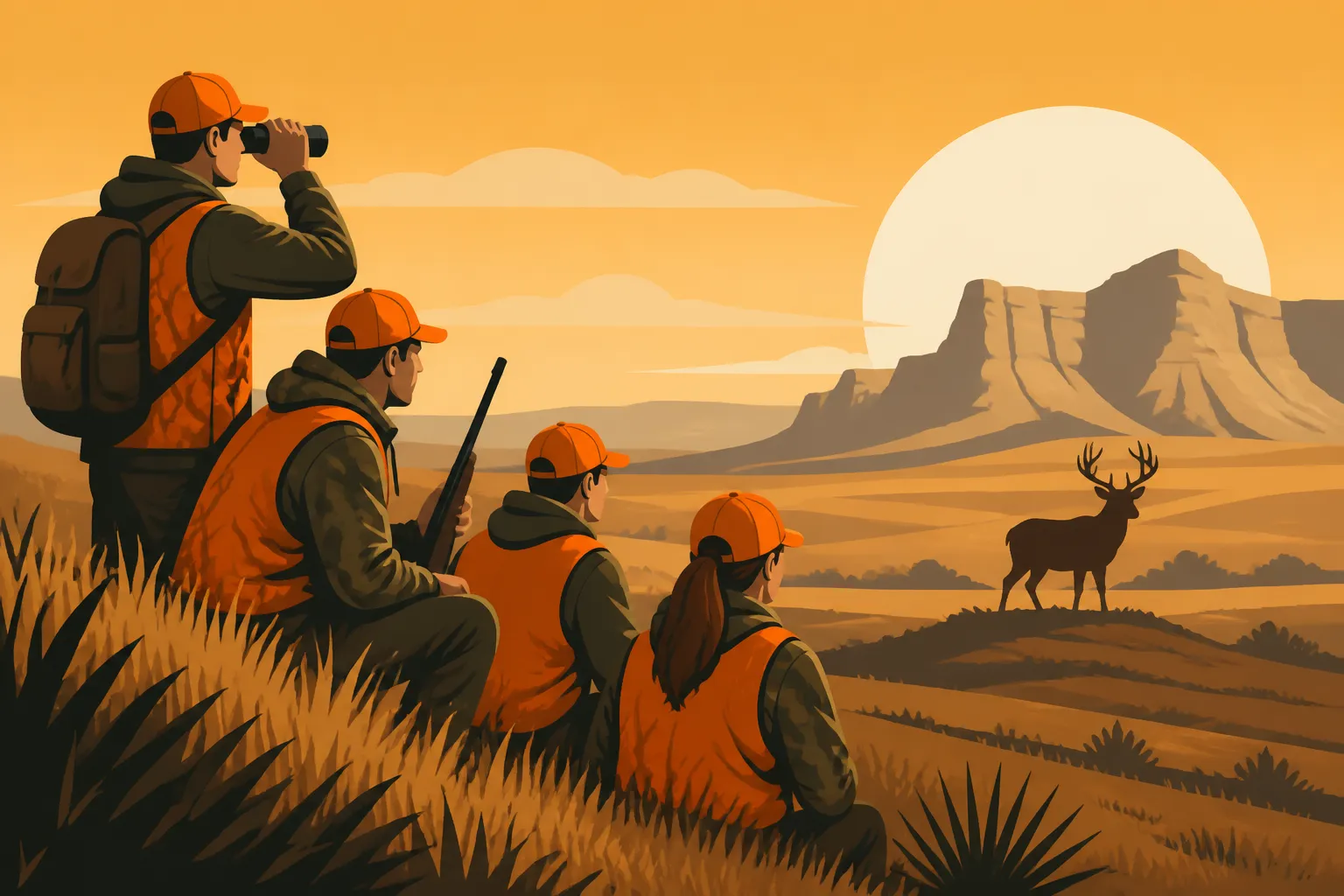
The number of hunters in your party can dramatically shape the entire experience, from the moment you leave home until you're back with coolers full of game. South Dakota's diverse hunting landscape, offering everything from fast-paced pheasant flushes to quiet big game stalks, means that the "ideal" group size isn't a one-size-fits-all answer. It really depends on what you're chasing and how you prefer to hunt.
The 'Sweet Spot' for Pheasant Hunting
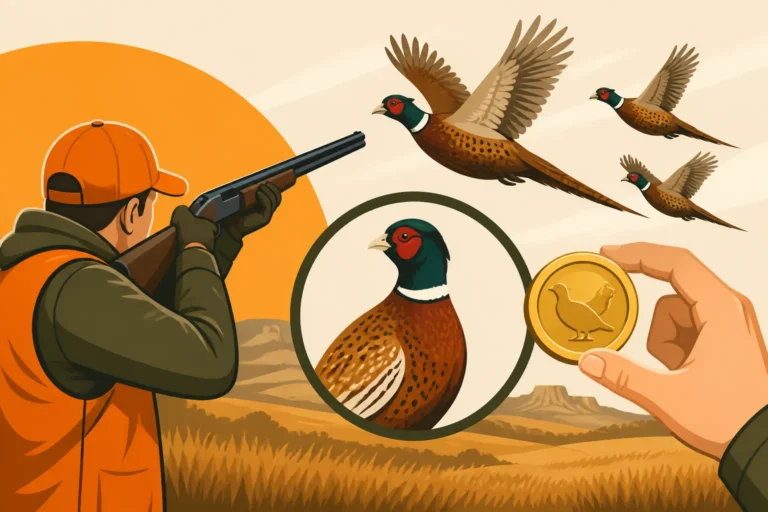
When you envision a South Dakota pheasant hunt, you probably picture a line of hunters walking through cover, dogs working hard, and roosters exploding into the crisp prairie air. For this classic experience, finding the right group size is crucial. Too few hunters, and you might not be able to effectively push large fields or cattail sloughs, leaving birds to run out the ends. Too many, and you risk safety concerns with crowded lines, less shooting opportunity per person, and a higher chance of birds being pushed out prematurely.
Most veteran bird hunters will tell you there’s a sweet spot, often between 4 to 8 hunters, depending on the size of the cover. This allows for good coverage of habitat, effective blocking strategies, and a dynamic hunt where everyone gets action. A larger group might be necessary for massive CRP fields or heavy cover, but the coordination becomes paramount.
Solo and Small Group Big Game Hunting
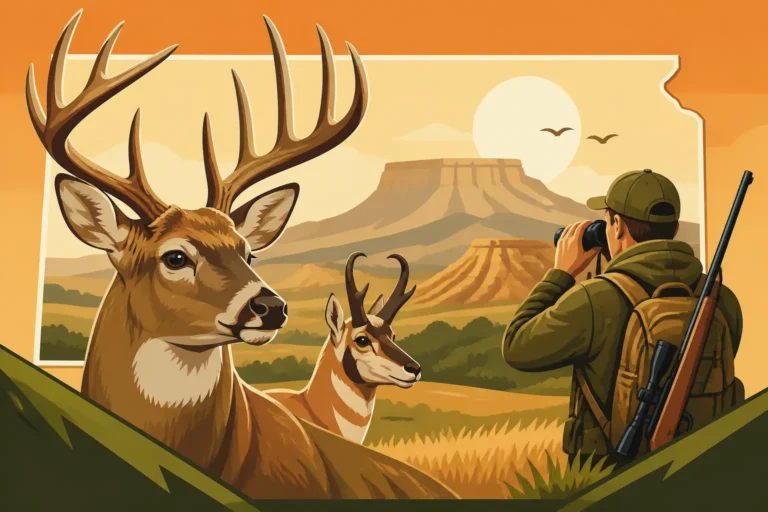
South Dakota also offers incredible big game opportunities for mule deer, whitetails, and antelope, particularly in the sprawling West River country and the Black Hills. Here, the dynamics shift entirely. Stealth, patience, and the ability to move quietly and undetected are often the keys to success. For these types of hunts, a solo hunter or a very small group—think two or three people—often has a distinct advantage.
With fewer people, there's less scent, less noise, and less movement to alarm wary animals. A solo hunter can make decisions on the fly, adapt to changing conditions instantly, and move through terrain with minimal disturbance. Even with two or three, you can operate as a cohesive unit, with one spotting while another stalks, or two hunters positioning themselves for a better shot opportunity. Big groups for big game, especially for spot-and-stalk, often lead to more busted stalks and fewer close encounters. It's simply harder to keep many sets of eyes, ears, and feet coordinated and quiet.
Group Size Considerations for Specific South Dakota Game
Let's dive deeper into how hunter group size directly impacts your strategy and success for the primary game species in South Dakota. Each type of hunt presents its own unique challenges and opportunities related to the number of participants.
Pheasant Hunting: Drives, Walk-ups, and Blockers
Pheasant hunting is arguably what South Dakota is most famous for, and it’s an inherently social hunt that thrives on good group dynamics.
For organized pheasant drives, where a line of hunters walks through dense cover towards a set of blockers, the ideal number of participants is a balance. If you have too few hunters, say only two or three, trying to push a large cattail slough or a wide shelterbelt becomes incredibly difficult. Birds will simply flush wild far ahead, or more commonly, run out the sides or ends without ever offering a shot. You'll spend more time walking and less time shooting. Conversely, an oversized group can also be problematic. Imagine ten or twelve hunters trying to walk a single line through a relatively small field; it can feel cramped, unsafe, and shooting lanes become nonexistent. Safety is always paramount, and more hunters in a tight space means a higher risk of someone swinging on a bird and putting another hunter in danger.
A sweet spot often lies with 4 to 6 walkers, paired with 1 to 3 blockers, depending on the size and shape of the cover. This allows the walking line to maintain good spacing, cover the width of the habitat effectively, and push birds towards the blockers in a controlled manner. The blockers strategically position themselves at the end of the cover to intercept birds trying to escape. This setup is highly effective for maximizing bird encounters and ensuring a safe hunt. For a deeper dive into strategy, consider Pushing a Cattail Slough With Blockers. The size of your blocking team also matters; sometimes How Many Blockers a Field Needs can dictate your overall group numbers.
For walk-up hunting, where a smaller group or even solo hunters simply walk through lighter cover, flushing birds as they go, a smaller group of 2-4 hunters is perfect. This allows everyone ample shooting opportunities and keeps the experience intimate, often with more focus on dog work and personal skill.
Big Game: Deer, Antelope, and Elk
When it comes to big game like mule deer on the West River breaks, whitetails in the Missouri River timber, or pronghorn antelope on the open prairie, smaller is almost always better. These animals possess incredible senses, and any extra scent, sound, or movement from a larger group significantly decreases your chances of success.
For spot-and-stalk hunting, which is a popular and often necessary tactic for antelope and mule deer in South Dakota's open country, a solo hunter or a pair is ideal. A solo hunter has the ultimate flexibility to move undetected, using terrain features like draws and coulees to close the distance. With a pair, one hunter can be the primary stalker while the other remains behind as a spotter, providing crucial intel on the animal's movement or a backup shot opportunity if legal and safe. Even two hunters moving together can be challenging; every step, every rustle of clothing, every whispered communication can alert game. Trying to coordinate a stalk with three or more hunters often devolves into a noisy, clumsy affair that sends animals fleeing long before you're in range. For antelope, specifically, a stealthy approach is key, as covered in Spot-and-Stalk Antelope on Open Prairie. The same principles apply to mule deer, where a focused, quiet approach is vital for Stalking a Bedded Mule Deer Buck.
For treestand or ground blind hunting for whitetails, especially in river bottom timber, group size is less about the hunt itself and more about the logistics of setting up. While you might hunt individually from different stands, coordinating access, minimizing disturbance to other hunting spots, and ensuring everyone has their own space becomes important. A small group of 2-4 friends often works well for this, allowing you to cover different areas of timber while maintaining communication.
Waterfowl Hunting: Blinds, Potholes, and Field Spreads
Waterfowl hunting in South Dakota, particularly the prairie potholes and agricultural fields, also benefits from thoughtful group size planning. The optimal number depends heavily on the specific scenario.
For hunting prairie potholes, often from layout blinds or natural cover, a group of 2-4 hunters is typically a good fit. This allows enough hunters to run a decent decoy spread, call effectively, and cover various angles for incoming ducks and geese. Any more than four in a small pothole can feel crowded, restrict movement, and make concealment difficult. You're trying to blend into the landscape, and too many bodies sticking up from the stubble or brushing can be a dead giveaway to sharp-eyed birds. Setting up successful spreads is detailed in Decoying Ducks on a South Dakota Prairie Pothole.
When field hunting for geese, especially in large cut corn or wheat fields, you might be able to accommodate a slightly larger group, perhaps 4-6 hunters. In this scenario, everyone will likely be using layout blinds, spreading out across the field to cover a wide decoy spread. The sheer size of many South Dakota agricultural fields means you can spread out more effectively. More hunters can mean more eyes spotting incoming birds, more callers to create a convincing ruckus, and more guns to capitalize on a flock that commits to the decoys. However, communication becomes even more critical to ensure safe shooting lanes, particularly when birds are circling or landing. Proper concealment, even with a larger group, is non-negotiable, as detailed in Layout Blinds on South Dakota Stubble. Regardless of the number, ensuring everyone knows the zone of fire is paramount for safety.
Logistics and Experience: How Group Size Shapes Your Trip
Beyond the direct impact on hunting strategy, the number of people in your party significantly influences the practicalities and overall enjoyment of your South Dakota hunt. From where you sleep to how much personal attention you receive, group size casts a long shadow over the entire journey.
Accommodation, Transportation, and Shared Costs
One of the most immediate impacts of group size is on the logistical side of your trip. On the positive side, larger groups often mean you can split costs more effectively. The expense of a lodge, a vacation rental, or even a modest hotel room in a pheasant town like Miller or Mobridge can be significantly reduced per person when shared among many. The same goes for fuel costs for vehicles driving hundreds of miles across the prairie, or the rental fee for a large SUV or truck capable of hauling everyone and their gear. This financial advantage is often a primary driver for larger group trips, allowing individuals to experience South Dakota hunting without breaking the bank.
However, more people also mean more complexity. Booking accommodations that can comfortably house a large group can be challenging, especially in smaller, popular hunting towns during peak season. You might need multiple rooms or a larger rental property. Transportation becomes more of a jigsaw puzzle; do you take multiple vehicles, or does one large vehicle suffice? Coordinating departure times, gas stops, and routes for a convoy of vehicles can eat into valuable hunting time. And let’s be honest, fitting everyone’s gear, dog crates, and coolers into a single vehicle (or even two) for the journey home, especially if you’ve been successful, can feel like a game of Tetris.
Guide Ratios and Lodge Capacity
If you're opting for a guided hunt, group size is a huge factor in the kind of experience you'll have. South Dakota is home to many fantastic outfitters and lodges, especially for pheasant hunting. These operations are often structured to accommodate specific group sizes, and they base their guide-to-hunter ratios on what they've found to be effective and safe.
A smaller group, perhaps 2-4 hunters, might receive more personalized attention from a single guide. The guide can tailor the hunt more closely to your group's pace, physical abilities, and preferences. You'll likely get more one-on-one interaction, more detailed instruction, and a more intimate experience. For an in-depth look at this, check out Guide-to-Hunter Ratios on Bird Hunts.
Larger groups, especially those in the 6-10+ range, will often be assigned multiple guides and dog handlers. While this ensures good coverage and safety, it naturally spreads the guide's attention thinner. You might be part of a larger line of hunters, and the hunt might feel more structured and less customizable. It's crucial to discuss the outfitter's standard guide-to-hunter ratio and how they manage larger parties before you book. Some lodges specialize in corporate groups or very large parties, while others focus on smaller, more exclusive experiences. Their capacity and operational style will heavily influence your trip.
Social Dynamics and Hunt Enjoyment
Perhaps the most underestimated aspect of group size is its impact on the social dynamics and overall enjoyment of the hunt. Sharing a hunting camp with close friends or family can create lifelong memories, inside jokes, and a truly special bond. The camaraderie, shared stories around a fire, and joint excitement of a successful hunt are often as valuable as the game harvested.
However, a larger group can also amplify personality clashes, differing expectations, or varying skill levels. If one hunter is a seasoned veteran and another is a novice, it's essential to manage those differences. A fast-paced hunt might frustrate slower walkers, while a slow, methodical pace might bore those eager for action. Unequal shooting opportunities can lead to tension. Who gets to shoot at the first bird? Who calls the shots? These are things that can easily be overlooked in the planning stages but can become real issues in the field. Before committing to a large group trip, have an honest conversation about everyone's expectations, physical capabilities, and hunting styles. It helps to set ground rules and ensure everyone is on the same page.
Planning Your South Dakota Hunt Based on Group Size
Now that we've considered the various impacts, let's talk about practical steps for planning your South Dakota hunting trip with your group size in mind. A little foresight goes a long way in ensuring a smooth and enjoyable experience for everyone involved.
Communication and Setting Expectations
This is arguably the most critical step, especially for larger groups. Before anyone puts down a deposit or buys a license, gather everyone together for a frank discussion. What are the group's collective goals for the hunt? Is it primarily about harvesting game, spending time together, enjoying the outdoors, or a mix of all three?
Discuss physical capabilities: South Dakota pheasant hunting, especially Walking Speed That Holds Roosters and covering miles of CRP or heavy cattails, can be physically demanding. If some members aren't up to it, you might need to adjust your expectations, hunt shorter periods, or choose less demanding cover. Talk about preferred hunting styles – some might love the intense action of a pheasant drive, while others prefer quieter walk-up hunting. For big game, confirm everyone understands the stealth and patience required for Wind Direction on a Prairie Stalk.
Openly address finances, responsibilities, and decision-making processes. Who handles what? How will disputes or disagreements be resolved? Establishing these parameters upfront can prevent misunderstandings and frustrations later in the field. Everyone should feel heard and respected, and the plan should accommodate the least experienced or least physically capable member if necessary.
Booking with Outfitters and Self-Guided Considerations
Your chosen group size will heavily influence your booking options, especially if you're looking at outfitters. Many South Dakota lodges have minimum and maximum group sizes they prefer to work with. For pheasant hunting, you might find that lodges offer better per-person rates or more exclusive access for groups of a certain size (e.g., booking the entire lodge for 8-12 hunters).
When booking with an outfitter, be upfront about your group size and ask specific questions about how they manage hunts for that number of people. Inquire about the guide-to-hunter ratio, the number of fields they can access, and how they rotate hunting areas to maintain quality. If you're a larger group, it's wise to book well in advance, as lodges can fill up quickly. Resources like BookYourHunt can be invaluable here, allowing you to filter by location and desired group size to find lodges that fit your specific needs. They can provide a roster of outfitters who can comfortably accommodate everything from small family parties to larger corporate retreats, helping you avoid last-minute scramble. For general guidance on securing your trip, refer to Booking a South Dakota Pheasant Hunt.
For self-guided hunts, especially on public land, a larger group presents different challenges. While you don't have to worry about lodge capacity, you do need to consider the impact on the public hunting resource. More hunters means more vehicles, more foot traffic, and potentially more pressure on popular Hunting South Dakota Walk-In Areas. While you certainly don't need a guide to enjoy South Dakota, understanding the nuances of public access and spreading out responsibly is key. For those leaning towards a DIY approach, platforms like GoHunt offer mapping tools and insights into public land, helping self-guided groups strategically plan their outings and identify areas that might accommodate a larger party without overcrowding a single spot. It's about finding that balance between enjoying the camaraderie and being a good steward of the land, as discussed in Guided Versus DIY Hunting in South Dakota.
Safety Protocols and Ethical Hunting
Larger groups, particularly during pheasant drives, inherently introduce more safety considerations. With more guns in the field, clear communication and strict adherence to safety protocols are paramount. Everyone must understand and maintain proper spacing, adhere to shooting lanes, and always know where other hunters, dogs, and blockers are positioned.
Before each drive, your guide (or your group leader if self-guided) should reiterate the safety rules. No shooting low birds, always identify your target and what's beyond it, and absolutely no swinging on birds that cross the line of hunters. Reviewing points like Safe Gun Handling on a Bird Drive and emphasizing Muzzle Discipline With Blockers Ahead is critical. Every hunter needs to be accountable for their actions and aware of their surroundings.
Ethical hunting also comes into play. With more hunters, there's a higher chance of confusion over who shot a bird, or temptation for someone to push the limits. Ensure that every member of your group understands and adheres to South Dakota's hunting regulations, including bag limits and tagging requirements. A well-communicated plan and a commitment to ethical practices ensures a safe and respectable hunt for all.
Group Size and Public Land Access
Hunting public land in South Dakota offers incredible opportunities, but it also demands a unique approach, especially when you're part of a group. Understanding how your group size interacts with different types of public access is key to a successful and respectful hunt.
Navigating Walk-In Areas with a Group
South Dakota's Walk-In Area (WIA) program is a jewel for public land hunters, offering access to hundreds of thousands of acres of private land for various hunting seasons. However, these parcels vary greatly in size, from small blocks of cover to expansive fields. While fantastic for solo hunters or small groups, trying to manage a large group on many WIAs can be challenging.
Picture a WIA that's only 80 acres – roughly a quarter-mile square. If you show up with 8 or 10 hunters, you're going to feel very cramped. It's difficult to set up an effective pheasant drive without quickly pushing birds off the property or creating unsafe conditions due to close proximity. Furthermore, the very nature of WIAs means they are open to any licensed hunter, so you might encounter other parties. A large group can unintentionally monopolize a smaller WIA, leading to friction with other hunters. Respecting fellow outdoor enthusiasts and sharing resources is a cornerstone of public land hunting. For tips on this, refer to Sharing a Walk-In Area With Another Party.
For larger groups aiming for WIAs, the strategy needs to shift. Look for multiple, adjacent WIAs that you can cycle through, or seek out larger tracts of public access, rather than trying to cram everyone into one small parcel. Use the South Dakota GFP Public Hunting Atlas to scout larger sections of habitat or areas less likely to see heavy pressure. For general information on these unique properties, consult Hunting South Dakota Walk-In Areas.
Spreading Out on National Grasslands and GPAs
For groups that prefer more elbow room, South Dakota offers extensive tracts of National Grasslands and Game Production Areas (GPAs). These areas, particularly the Buffalo Gap or Fort Pierre National Grasslands in West River country, are vast and can better accommodate larger groups without feeling crowded.
On the National Grasslands, you might be able to split a larger group into smaller, independent units, each focusing on a different section of public land. This allows for diverse hunting experiences within the same trip. For example, some might pursue mule deer in the rugged breaks while others focus on prairie grouse in the rolling grasslands. The sheer scale allows for spreading out, minimizing hunter interference, and enhancing the sense of wildness that draws many to these areas. You can often drive vehicles on established trails, further aiding in access and allowing you to cover more ground with your group. Learn more about these incredible resources in National Grasslands Hunting in South Dakota.
Similarly, many South Dakota Game Production Areas are larger than typical WIAs, designed specifically for wildlife habitat and public hunting. While not as vast as the National Grasslands, many GPAs offer hundreds or even thousands of acres, making them suitable for organized pheasant drives with a larger group. These areas are often managed with food plots, dense cover, and water sources to attract and hold game. A larger group, with proper planning, can effectively work a significant portion of a GPA. Understanding the rules and offerings of these areas is essential, which you can find in South Dakota Game Production Areas. The key is still smart planning: utilizing maps, understanding boundaries, and ensuring your group's activities don't detract from the experience of other hunters who may also be present.
| Hunt Type | Optimal Group Size (Typical) | Pros of Group | Cons of Group | Key Considerations |
|---|---|---|---|---|
| Pheasant Drive | 4-8 Walkers + 1-3 Blockers | Effective cover, shared effort, social aspect, safety in numbers | Safety risks if spacing poor, coordination challenges, less shooting per person if too many | Communication, safety rules, dog work, physical endurance |
| Pheasant Walk-Up | 2-4 | Intimate, good dog work focus, flexible | Can't effectively push large cover, birds might run/flush wild | Stealth, dog capability, individual skill, less ground covered |
| Big Game Stalk | 1-2 | Stealth, flexibility, minimal disturbance, focus | Less help with packing, can be solitary, no backup if solo | Wind, terrain, animal senses, physical fitness |
| Big Game Stand/Blind | 2-4 (hunting individually) | Shared camp/costs, camaraderie | Coordinating access, minimizing disturbance, managing different schedules | Stand placement, quiet entry/exit, communication |
| Waterfowl (Pothole) | 2-4 | Effective calling, good decoy spread, shared workload | Crowding if too many, hard to conceal, limited shooting angles | Concealment, calling ability, spread setup, weather |
| Waterfowl (Field) | 4-6 | More eyes for spotting, better calling, larger spread | Safety lanes crucial, communication for shot timing, heavy gear | Decoy quantity, layout blind concealment, field choice |
Disclaimer
This article is for general informational purposes only and does not constitute professional advice. Laws, prices and regulations vary by location and change over time. Consult a qualified professional for guidance on your specific situation.