Transport Rules for Cleaned Birds
Hunting in South Dakota often means a bounty of pheasants, grouse, or ducks, and while the thrill of the hunt is paramount, the reality of getting your hard-earned birds home can quickly turn into a bureaucratic headache. Navigating the myriad rules for transporting cleaned game birds can feel overwhelming, with fears of unintentional violations lurking around every corner. This guide will meticulously break down the federal and state regulations governing the transport of cleaned birds, offering practical, actionable advice to ensure your wild game makes it safely and legally from the field to your freezer.
Why Bird Transport Rules Exist: More Than Just Red Tape
It’s easy to feel like regulations are just there to make your life harder, especially after a long, successful day in the field. You've worked hard, followed all the hunting laws, and now you just want to get your birds home. Why do we need all these specific rules about how to transport them once they're cleaned? Well, there are some very good reasons, even if they sometimes feel like a hassle. These regulations aren't arbitrary; they serve critical functions in wildlife management, disease prevention, and ensuring fair chase.
Preventing Waste and Illegal Harvest
One of the primary reasons for these rules is to prevent illegal activities and ensure that every bird harvested is done so legally and counted towards limits. Imagine if hunters could just breast out dozens of birds, throw them in a cooler, and drive home without any identifying features. It would be nearly impossible for game wardens to verify bag limits or ensure the birds were legally taken. The rules, particularly those requiring certain parts of the bird to remain attached, provide a crucial check against over-harvesting or taking birds out of season. It helps ensure that everyone is playing by the same rules, preserving the resource for future generations.
It’s all about accountability, really. When you’re back at the lodge or camp, after a great day following a dog through the CRP, and you’re looking at a pile of roosters, it’s tempting to just want to get them cleaned and packed as fast as possible. But pausing to understand that the "wing-or-head-attached" rule isn't just a quirky dictate, but a tool to help the South Dakota Game, Fish and Parks protect the pheasant population, can make it less frustrating. This ensures that the efforts put into managing habitats and setting South Dakota Pheasant Daily Bag Limit are actually effective. Without clear identification, it would be a free-for-all, undermining all the hard work that goes into sustainable hunting.
Disease Control and Species Identification
Another critical aspect these rules address is disease control and species identification. While not every hunter thinks about avian flu or other wildlife diseases, wildlife agencies do, constantly. Requiring specific parts of the bird to remain attached allows for easier identification of the species. This is particularly important when different species have different bag limits or are subject to specific management concerns. For instance, being able to tell a sharp-tailed grouse from a greater prairie chicken, or a mallard from a pintail, can be vital for both game law enforcement and disease monitoring.
Consider the complexity of hunting multiple species in the same area—say, pheasants, sharptails, and ducks—all of which have distinct regulations. If you’re hunting on one of the vast national grasslands, like Buffalo Gap, and you’ve bagged a mix of game, those identifying features become paramount. Without them, it’s just a cooler full of meat, and nobody can definitively say what you harvested. These rules are a frontline defense against the spread of potential diseases across state lines, protecting not only wildlife but also domestic poultry populations. It’s a small step that plays a big part in a much larger ecological picture. It also prevents misidentification that could lead to inadvertently exceeding a limit on a less common species.
Federal and State Regulations for Transporting Your Harvest
Now, let's get into the nitty-gritty of what you actually need to do. The rules for transporting cleaned birds can seem a bit like a tangled skein of yarn because they involve both federal and state laws. South Dakota has its own regulations, but if you're crossing state lines—which many nonresident hunters do—you'll also need to be mindful of federal guidelines and potentially the laws of any states you drive through. It's a lot to keep track of, but understanding the core requirements will save you a lot of grief.
Head or Wing Requirement for Identification
This is probably the most commonly discussed and sometimes most annoying rule for bird hunters. For many migratory game birds (ducks, geese, doves, etc.) and even some upland birds, federal regulations, and often state regulations, require that one fully feathered wing or the head remain naturally attached to the bird while in transport from the field to your home, or to a commercial processing facility. The idea, as mentioned, is identification. A game warden needs to be able to identify the species and, in some cases, the sex, to ensure legal harvest.
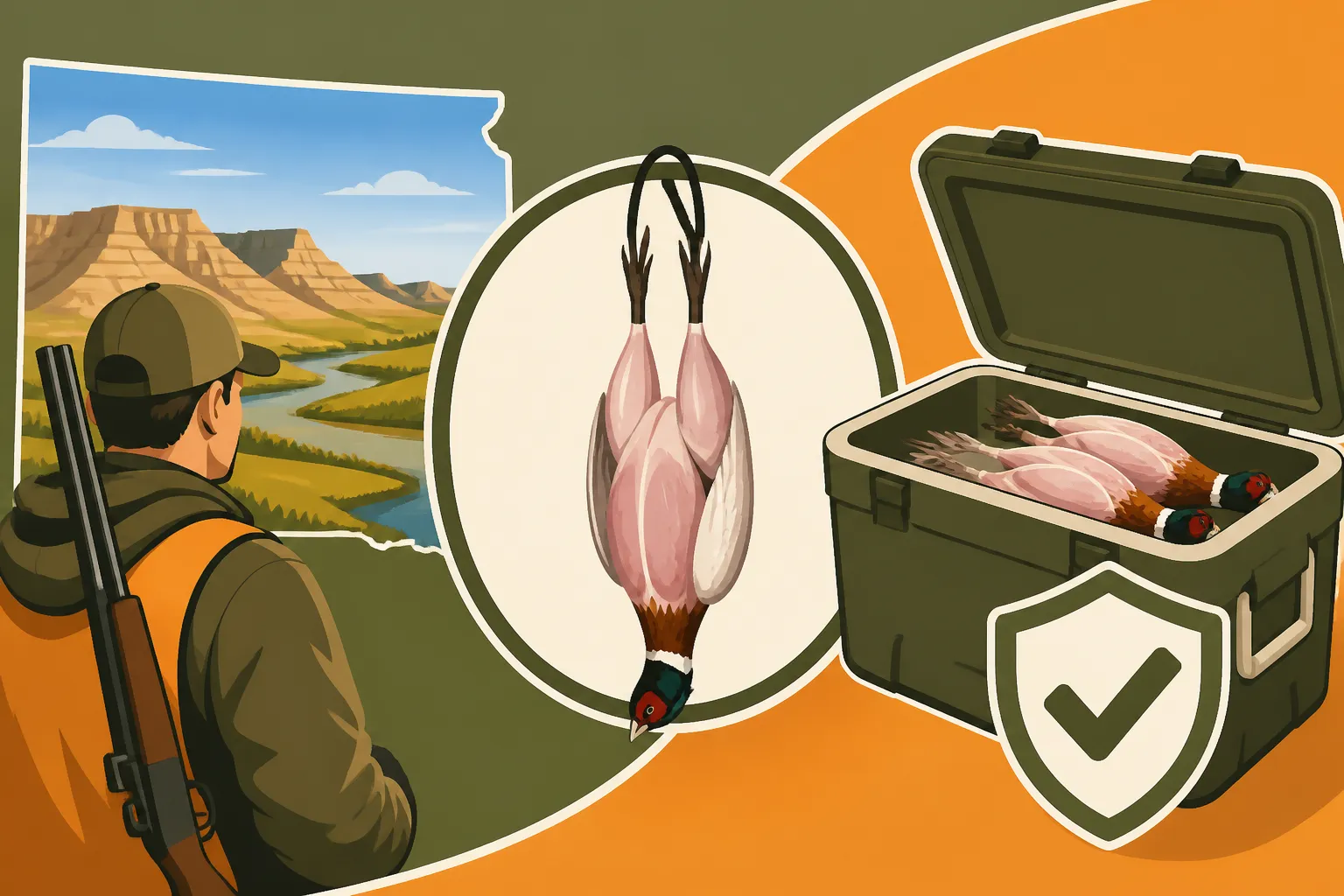
For pheasants in South Dakota, the rule typically stipulates that you need to retain a "reasonable portion of the plumage" on the carcass of each bird until it reaches your home or a commercial processor, primarily for identification. This often means leaving a wing or the head attached, though some interpret "reasonable plumage" more broadly. However, for migratory birds, the federal rule is stricter, demanding the head or a fully feathered wing remain attached. It’s crucial to know the difference and err on the side of caution. If you're using a service like BookYourHunt to plan a guided trip, make sure to ask the outfitter about their specific cleaning practices and how they adhere to these rules, especially if they handle the processing for you. They should be well-versed in both state and federal requirements, eliminating any guesswork on your part.
Tagging and Possession Limits
Beyond identification, you also have rules around tagging and possession limits. In South Dakota, while you don't typically tag individual pheasants in the same way you tag a deer, you must adhere to daily bag limits and possession limits. The daily bag limit is the maximum number of birds you can harvest in one day, while the possession limit is the maximum number of birds you can have in your possession total, usually after several days of hunting. This includes birds at your lodge, in your cooler, or already frozen at home. If you're hunting for several days, it's easy to accumulate birds and potentially exceed the possession limit if you're not careful.
When transporting, especially across state lines, being able to prove that all birds are within legal limits is essential. While not a "tag" in the big game sense, it's always wise to keep your hunting license readily accessible. For certain species or specific hunt types, a physical tag might be required, so always double-check the current South Dakota hunting handbook for specific species like South Dakota Turkey Season Dates or special draws. For migratory birds, remember that you also need your federal duck stamp and must be HIP registered. The combination of attached identifying features and adherence to limits is your best defense against any legal issues during transport. Know your South Dakota Pheasant Possession Limit before you even start cleaning.
Federal Versus State Laws (MIG & HIP)
The distinction between federal and state laws can be a real point of confusion for hunters. State laws, set by the South Dakota Game, Fish and Parks, cover upland game like pheasants and grouse. Federal laws, enforced by the U.S. Fish and Wildlife Service, primarily govern migratory game birds (ducks, geese, doves, rails, etc.) as they cross state and international borders.
For migratory birds, a federal duck stamp is required for anyone 16 years or older. Additionally, all migratory bird hunters must register for the Harvest Information Program (HIP). This program is crucial for wildlife managers to collect data on migratory bird harvest. The "head or fully feathered wing attached" rule is largely a federal mandate for migratory birds. South Dakota then has its own rules, sometimes mirroring the federal, sometimes having slight variations for upland species. For example, for pheasants, South Dakota usually allows for breasts with a reasonable portion of plumage. But if you've harvested ducks on a Decoy Spreads on a Prairie Pothole hunt, that wing or head rule is absolutely critical, even if you’re just driving across the county. Always consult the most current South Dakota hunting handbook to be sure about the exact wording for the species you're pursuing. It’s better to be overly compliant than to risk a fine or confiscation.
Practical Tips for Cleaning and Packaging for Transport
So, you’ve had a fantastic hunt, perhaps on a prime Walk-In Area, and you’ve filled your limits. Now comes the moment of truth: processing your birds for the journey home. This isn't just about legality; it's also about preserving the quality of that delicious wild game meat. Proper cleaning and packaging are key to avoiding spoilage and ensuring your efforts in the field don't go to waste.
Field Dressing for Transport Efficiency and Legality
The first step is often right there in the field. When it comes to pheasants or grouse, many hunters prefer to breast them out. This is efficient, reduces weight, and makes cooling quicker. However, if you choose this method, always ensure you leave a piece of skin with a decent amount of plumage attached to each breast, as per South Dakota regulations for upland birds. This small patch of feathers is your legal identifier. For migratory birds, you'll need to make the choice: either transport the whole bird with a wing or head attached, or carefully breast it out while ensuring that one fully feathered wing or the head remains attached to one side of the breast for identification purposes. Remember, the federal rule for migratory birds is generally stricter on this point.
If you’re wondering about the best way to handle your birds immediately after the shot, consider the advice in Cleaning Pheasants in the Field. The quicker you can get them cooled, the better. Remove entrails, and if conditions are warm, consider placing them on ice immediately, even if they're still whole. This rapid cooling is crucial for meat quality, especially for species like antelope or deer in warm weather, as highlighted in Field Dressing an Antelope Fast. For smaller game birds, removing the gut cavity helps immensely in drawing out residual body heat. You want to prioritize both legality and meat preservation simultaneously.
Proper Packaging for Preservation
Once cleaned, proper packaging is paramount. Air is the enemy of fresh meat. Vacuum sealing is the gold standard for long-term freezer storage, but for transport, even good quality freezer bags can work if you remove as much air as possible. Separate individual birds or breasts into bags to prevent them from freezing into one massive block, which makes thawing and portioning much harder later on. Clearly label each package with the species and date harvested. You might also want to note who harvested it if you're traveling with a group.
Ice management is also critical. If you're driving a long distance, a cooler full of ice is essential. Block ice lasts longer than cubed ice, so consider freezing jugs of water or buying large blocks. Ensure any melted water can drain away, or use coolers with good seals to prevent water from soaking your meat. Nobody wants a soggy mess when they get home. For multi-day trips, especially if you’re staying at a lodge, make sure you have access to good freezer space or ample ice. Many outfits, particularly those you might find on GoHunt, are accustomed to helping hunters with game care, often providing bird cleaning stations and freezer space, or directing you to local processors. This level of support can be a lifesaver when trying to adhere to Keeping Birds Cool in a Warm Truck.
Documentation and Labels
While it might seem like overkill, carrying copies of your hunting license, habitat stamp, and any necessary permits (like the federal duck stamp for waterfowl) can expedite any checks by game wardens. If you harvested migratory birds, proof of HIP registration is also vital. This simple step can turn a potentially long roadside stop into a quick wave-through.
It’s also a good idea to create a simple written manifest for your cooler, especially if you have multiple species or are traveling with a group. List the species, number of birds, and the date of harvest. This isn't legally required in most cases, but it demonstrates due diligence and makes your life easier if you encounter a game official who has questions. Imagine trying to explain three different species and multiple days of harvest without some kind of quick reference – it gets complicated fast! This documentation, combined with adhering to Tagging and Transporting Birds Legally practices, simply makes for a smoother trip, allowing you to focus on the memories of the hunt rather than worrying about paperwork.
Navigating Out-of-State Travel and Air Transport
For many, a South Dakota hunt is an out-of-state adventure, which means your cleaned birds will be crossing state lines. This adds another layer of complexity to the transport rules. While federal regulations generally apply to migratory birds across states, individual state laws can vary for upland game. Air travel has its own unique set of considerations, which can be even more daunting.
Crossing State Lines with Upland and Migratory Birds
When you're driving home from South Dakota, perhaps through Nebraska or Iowa, you need to be aware that while your birds were legally taken in South Dakota, they must also comply with the transport laws of any state you pass through, in addition to federal regulations for migratory birds. Generally, if you've followed the South Dakota and federal guidelines (especially the wing/head attached rule for migratory game birds, and plumage for upland), you should be okay. Most states have similar requirements for identification during transport. However, it never hurts to quickly check the game and fish regulations for any states you'll be passing through, just to avoid any surprises.
Remember that possession limits usually apply to the state where the birds were taken, but if you're holding onto them for an extended period, you need to be mindful of the cumulative number of birds. For example, if you shoot your South Dakota Pheasant Daily Bag Limit for three days, you can have that many birds in possession. But if you harvest more in another state, you need to ensure your total possession doesn't exceed the combined limits allowed by federal and state laws where the birds were killed. Keeping your birds identifiable helps prevent any questions about where they came from. It's a small precaution that can prevent a big headache on a long drive home.
Airline Regulations and Cooler Prep
Flying with game meat presents a different set of challenges. Airlines have specific rules about coolers, weight, and how perishable goods must be packed. Most airlines require game meat to be frozen solid and packed in leak-proof containers. This means a high-quality cooler is essential, capable of holding temperature for the duration of your travel plus potential delays. Hard-sided coolers are often preferred, and soft-sided ones may need to be double-bagged inside. You'll want to review the specific airline's policies well in advance of your flight, as they can vary between carriers.
When preparing your cooler for a flight, make sure your birds are completely frozen. Ice packs or dry ice (with specific airline regulations regarding venting) can supplement regular ice to keep everything frozen. Label your cooler clearly with your name, contact information, and destination. Consider that for any kind of meat shipping, whether flying or using a service, the goal is to keep that precious cargo as cold as possible for as long as possible. For guidance on getting your meat home, the insights in Getting Birds Home From South Dakota or Shipping Frozen Game Meat by Air can be invaluable. Don’t cut corners here; a ruined cooler of meat is a terrible end to a great hunt, and airline staff are unlikely to be sympathetic to a leaking cooler.
Shipping Services Considerations
If flying with a cooler sounds like too much of a headache, or if you're sending a larger quantity of meat, shipping services like UPS or FedEx are an option. They also have strict guidelines for shipping perishable items. This usually involves proper packaging, insulation, and expedited shipping services to minimize transit time. You'll need to declare the contents and ensure everything is frozen solid and leak-proof. Some hunters prefer to use a local processor in South Dakota who can then arrange shipping for them, taking the burden off their shoulders. This can be a great service, especially after a successful multi-day hunt like South Dakota Pheasant Hunting Tactics for the Opener. Always get quotes and understand their specific requirements before committing to a shipping service.
A good processing facility will be well-versed in packing birds for shipping, often using specialty boxes with insulated liners and gel packs designed for keeping items frozen. They can also ensure that all legal requirements for plumage or tags are met before the birds leave their facility. While it costs extra, the peace of mind knowing your birds are handled by professionals and are more likely to arrive frozen and intact is often worth the investment. This is an area where services found through reputable outfitters or on platforms like BookYourHunt often excel, connecting you with trusted local resources. This way, you can focus on savoring your memories of the prairie rather than the logistics of shipping.
| Cleaning Method | Pros | Cons | Transport Legality (SD Upland) | Transport Legality (Migratory, Federal) |
|---|---|---|---|---|
| Whole Bird | Easiest for field ID; full meat yield | Bulky; slower cooling | Legal | Legal (head/wing attached required) |
| Breast with Plumage | Reduces bulk; faster cooling | Less meat; careful ID needed | Legal (reasonable plumage attached) | Generally NOT legal without full wing/head |
| Full Body Pluck/Clean | Highest meat yield; nice presentation | Time-consuming; no field ID for transport | NOT legal for transport (no plumage) | NOT legal for transport (no wing/head) |
| Breast Only (No Skin) | Most compact | NO field ID; highest risk of violation | Definitely NOT legal for transport | Definitely NOT legal for transport |
This table provides a quick reference, but remember to always consult the current year's hunting regulations for the most up-to-date and specific details for the species you are hunting.
Disclaimer
This article is for general informational purposes only and does not constitute professional advice. Laws, prices and regulations vary by location and change over time. Consult a qualified professional for guidance on your specific situation.