Tipping Guides and Dog Handlers in South Dakota
You've planned your long-awaited South Dakota hunting adventure, maybe it's a pheasant hunt, a deer pursuit, or even an antelope stalk. You’ve booked the lodge, secured your license, and sorted out all the gear. But then, as the trip nears, a nagging question often pops up: how exactly do you handle tipping your guides and dog handlers? It's a common dilemma, causing a bit of awkwardness and uncertainty for many hunters. This comprehensive guide is here to demystify the art and etiquette of tipping in the South Dakota hunting world, ensuring you can show your appreciation confidently and appropriately.
Understanding the Role of Your Guide and Dog Handler
Before we even get into the numbers, it's really important to appreciate what your guide and dog handler bring to the table. These aren't just folks driving a truck or pointing a finger; they are the heart and soul of your hunting experience, often working tirelessly behind the scenes to make your trip a success. Thinking about their multifaceted roles helps put the tipping conversation into proper perspective.
The Guide's Responsibilities Beyond Just Finding Game
When you hire a guide for a South Dakota hunt, whether it's for pheasants, deer, or even waterfowl, you're not just paying for someone to lead you to game. You're investing in their expertise, their preparation, and their commitment to your safety and enjoyment. Your guide typically starts working long before you ever step foot in the field. This can include extensive scouting, monitoring game movements, staying on top of weather patterns, and knowing the ins and outs of the property you’ll be hunting. They're often up before dawn, checking conditions, preparing vehicles, and organizing the day’s strategy.
During the hunt itself, they are constantly reading the land, understanding animal behavior, making crucial decisions about where to walk, when to push, and how to best position hunters for success. They are your safety officer, ensuring everyone handles their firearms responsibly and navigates challenging terrain without incident. Beyond the technical aspects, a good guide is also a master of hospitality and psychology. They’re the ones keeping spirits high when the birds aren't flying, sharing stories, and making sure everyone in the group feels valued and included. They are managing personalities, solving problems on the fly, and often acting as a pseudo-therapist when frustration sets in. It’s a demanding job that requires a deep passion for the outdoors and a genuine desire for their clients to have an unforgettable experience.
The Dog Handler's Crucial Contribution
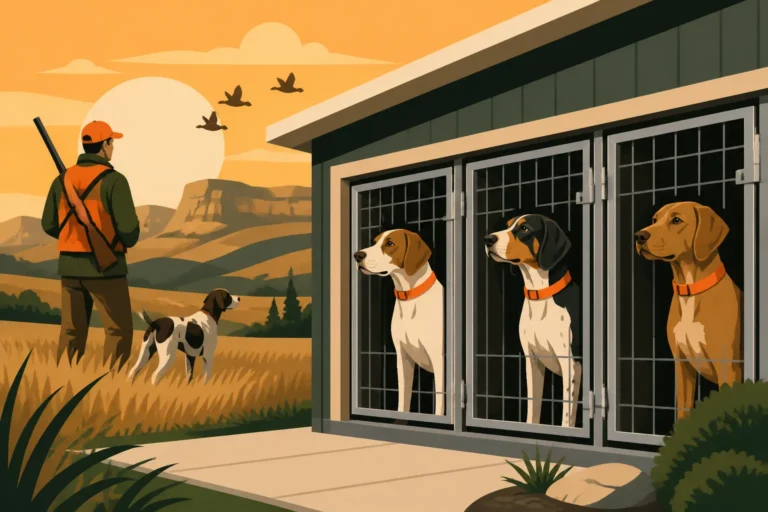
For bird hunters in particular, the dog handler, who is often also the guide, plays an absolutely pivotal role. Without well-trained dogs, a South Dakota pheasant hunt would be significantly less productive and far less enjoyable. The dogs are the engine of the hunt, covering ground, sniffing out hidden roosters, and retrieving downed birds from the thickest cover. Their contribution is not merely a bonus; it's often the difference between a sparse bag and a truly memorable hunt.
The handler's job extends far beyond just letting the dogs out of the kennel. They are responsible for years of training, consistent conditioning, and daily care of these animals. Think about the expense of quality dog food, veterinary bills, and specialized equipment. On hunt day, the handler is constantly reading their dogs, knowing their limits, directing them, and ensuring their safety in the field. They understand how different dogs perform in varying cover, wind conditions, and temperatures. They’re vigilant about potential hazards like burrs, barbed wire, and exhaustion. The bond between a handler and their dogs is a special one, built on countless hours of work and mutual trust. When a dog makes a fantastic retrieve or holds a solid point, it's a testament to the handler's dedication and skill.
The Financial Realities of Guiding
It’s easy to assume that guides and dog handlers are making a substantial income, especially when you see the prices of guided hunts. However, the reality of their financial situation is often quite different from what many hunters perceive. Understanding this helps to underscore why tipping is such an integral part of their livelihood.
How Guides and Handlers Get Paid (or Don't)
Many guides and dog handlers, particularly those who work for larger lodges or outfitters, are paid a daily wage or a modest salary. This base pay often doesn't fully reflect the long hours, the physical demands, or the specialized skills required for the job. For some, especially contract guides, the wage might only cover a fraction of their time spent actually working, let alone the time spent scouting, maintaining equipment, or taking care of their dogs. The hunting season, while intense, is also relatively short in many parts of South Dakota. This means guides often rely heavily on tips to supplement their income and make ends meet throughout the year.
This is where the direct impact of your tip becomes clear. For many, it's not just extra spending money; it's what allows them to pay bills, cover their expenses, and continue pursuing a profession they are passionate about. It's often the difference between a financially viable season and one where they barely break even. When you book a hunt, especially through platforms like BookYourHunt, you're paying for a package that includes lodge overhead, meals, licences, and a whole host of other operational costs. A portion goes to the guide's base pay, but the tip is typically a direct reward for their personal effort and the quality of your experience.
The "Hidden Costs" of the Profession
Beyond their wages, guides and dog handlers absorb a significant amount of personal expense that isn't always immediately obvious to the client. Consider the gear alone: specialized hunting clothing, high-quality boots that can withstand miles of walking in tough terrain, reliable firearms, and often expensive optics. These items need to be durable and replaced regularly due to the wear and tear of daily use. Then there’s vehicle maintenance. Guides often drive their own trucks, putting thousands of miles on them each season, traversing rough two-tracks and muddy fields. Fuel costs, tire replacements, and routine service add up quickly.
For dog handlers, the costs multiply. Premium dog food is essential for their canine athletes, and veterinary care, including vaccinations, injury treatment, and preventative medicine, can be incredibly expensive. Specialized training equipment, kennels, and even dog trucks are significant investments. Many guides also invest in ongoing education, whether it's through first aid certifications, advanced dog training seminars, or simply staying current on hunting regulations and wildlife management practices. All these "hidden costs" come out of their pocket, and the tips they receive are crucial for offsetting these substantial professional expenses. It’s a commitment that far exceeds a typical 9-to-5 job.
Establishing Tipping Etiquette: What's Standard Practice?
The question of "how much to tip" can feel like navigating a minefield, especially if you're new to guided hunts or just unsure of local customs. While there's no hard and fast rule set in stone, understanding general guidelines and the factors that influence the appropriate amount can help you feel more comfortable and confident in your decision.
General Guidelines for South Dakota Hunts
For guided hunts in South Dakota, whether you're chasing ringnecks across a CRP field or glassing for mule deer in the breaks, a common range for tipping your guide falls between 15% to 20% of the total hunt cost. Now, this isn't always a direct calculation of your personal bill if you're part of a larger group on a multi-day package. Often, it's about considering the daily rate per hunter and then applying that percentage. For example, if your daily hunt cost is structured at, say, a few hundred dollars per person, you'd calculate 15-20% of that for a day's effort.
It’s crucial to clarify if your lodge has a suggested tipping policy or if tips are included in the package price – though this is rare. Most outfitters will let you know upfront that tips are appreciated and left to the client's discretion. If you're unsure, a discreet inquiry when booking your hunt, perhaps referencing information you found on a site like GoHunt about specific outfitter expectations, can clear things up. This percentage-based approach acknowledges the guide’s significant contribution to the overall value of your experience. For dog handlers who are separate from the guide, a flat daily rate, perhaps $50-$100 per day per handler, might be appropriate, depending on the number of dogs and the intensity of their work.
Factors That Influence Tipping Amounts
While the 15-20% rule offers a good starting point, several factors can and should influence whether you tip at the higher or lower end of that spectrum, or even exceed it. Think of it as a sliding scale of appreciation:
- Effort and Dedication: Did your guide work exceptionally hard? Were they constantly scouting, trying new spots, and putting in long hours, even when the hunting was tough? Did they remain positive and encouraging throughout the day?
- Knowledge and Skill: How knowledgeable were they about the game, the habitat, and hunting strategies? Did they teach you new things or improve your own hunting skills? Was their dog handling impeccable, leading to excellent retrieves and flushes?
- Customer Service and Personality: Were they friendly, engaging, and attentive to your group's needs? Did they go above and beyond to ensure you were comfortable, well-fed, and having a good time? A great personality can make a slow day feel like a great one.
- Success of the Hunt: While not the only factor, success often plays a role. If you had a phenomenal day, harvested your target animal, or limited out on birds, it's natural to feel more generous. However, remember that success isn't always within a guide's control (weather, animal behavior), so effort should be weighted heavily.
- Amenities and Extras: Did the guide provide quality lunches, snacks, beverages, or extra gear you might have forgotten? Did they help with bird cleaning or game processing? These little extras demonstrate an elevated level of service.
- Group Size and Hunt Length: If you're on a multi-day hunt with a small, intimate group, the guide's personal attention might be higher, warranting a more generous tip per person.
- Personal Connection: Sometimes, you just click with a guide. That personal connection and shared passion can make the experience truly special and often inspire a higher tip.
It's a balance of all these elements, not just the number of birds in the bag or antlers on the wall. A truly professional guide will prioritize your experience, effort, and safety regardless of the final outcome, and that dedication deserves recognition.
How to Determine Your Tip: A Practical Approach
Deciding on the exact amount and method for tipping can still feel a bit awkward. Let’s talk about some practical ways to approach this, ensuring your gesture is received with the respect it deserves, and that you feel good about showing your appreciation.
Tipping a Lead Guide vs. Support Staff
In some South Dakota hunting operations, particularly larger lodges, you might encounter more than just a single guide. You could have a lead guide, a dog handler who isn't the primary guide, and potentially lodge staff who help with meals, bird cleaning, or other services. It’s important to consider all these individuals when planning your tips.
The lead guide, who is often the person with whom you spend the most time in the field, making the crucial decisions and ensuring your overall experience, generally receives the largest portion of the tip. Their responsibilities are extensive, from scouting to safety to strategy. Dog handlers, especially if they are dedicated solely to managing the dogs and ensuring their performance, also deserve significant recognition. Their skills with the animals are specialized and directly impact the hunt's success. It’s common to provide a separate tip for the handler, either calculated similarly to the guide's percentage for their portion of the daily rate, or a fixed daily amount.
For other lodge staff, like cooks or housekeepers, a communal tip jar or a separate envelope for "lodge staff" is often appropriate. Alternatively, you might tip them individually, perhaps $20-$50 per person per day, depending on the level of service and the length of your stay. When you are looking into Choosing a South Dakota Lodge, it's a good idea to ask about their standard tipping practices for all staff, not just the field guides. This avoids any last-minute fumbling and ensures everyone who contributed to your comfortable stay is acknowledged.
| Role | General Tipping Suggestion | Factors to Consider |
|---|---|---|
| Lead Field Guide | 15-20% of daily hunt cost per hunter | Effort, expertise, safety, personality, overall experience |
| Dog Handler | $50-$100 per day (if separate from guide) | Dog performance, care, handler's skill, interaction |
| Lodge Staff | $20-$50 per day per person (cook, housekeeper) or communal | Quality of meals, cleanliness, attentiveness, overall comfort |
| Bird Cleaner | $2-$5 per bird (if not included in staff tip) | Efficiency, care in cleaning and packaging |
When the Hunt Doesn't Go as Planned (Still Tip!)
This is often the trickiest scenario for hunters. What if the weather turns sour, the birds are nowhere to be found, or the deer simply aren't moving? It's easy to feel disappointed and question the value of the hunt, which can, in turn, make you hesitate about tipping. However, it's really important to remember that a guide cannot control the weather or the animals. Their job is to put in the effort, use their knowledge, and do everything in their power to make the hunt successful, regardless of external factors.
A professional guide will still scout tirelessly, adapt strategies, keep your spirits up, and ensure your safety. They will work just as hard, if not harder, on a tough day than on a banner day. A lower tip, or no tip at all, in these situations sends a disheartening message that their worth is solely tied to the harvest, rather than their dedication and hard work. If your guide put in an honest effort, communicated openly, and maintained a positive attitude despite the challenges, they deserve to be recognized. Consider tipping at the lower end of the 15-20% range, or a solid flat rate, acknowledging their effort even if Mother Nature didn't cooperate. It validates their professionalism and encourages them to continue providing excellent service, no matter the conditions.
Cash, Venmo, or Card? The Preferred Method
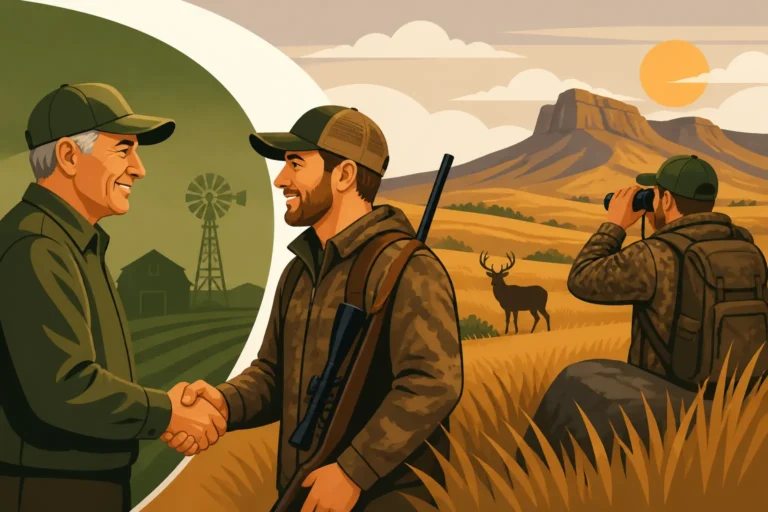
When it comes to the actual transaction, cash is almost always king in the guiding world. It’s immediate, discreet, and ensures the guide receives the full amount without any processing fees or delays. Many guides operate on a seasonal basis and appreciate having immediate access to their earnings. Presenting cash in a discreet envelope at the end of the hunt, perhaps with a handshake and a sincere thank you, is generally the most professional and well-received method.
However, in today's digital age, other options are becoming more common. Some younger guides might use payment apps like Venmo or PayPal. It's perfectly acceptable to ask your guide if they have a preferred digital payment method. Just be aware that these platforms sometimes have fees or can delay funds, so cash remains the top choice if convenient. Tipping on a credit card through the outfitter or lodge is less ideal because often, these tips are subject to processing fees, and there can be delays or complexities in ensuring the full amount reaches the intended guide. Discussing your South Dakota Nonresident Licence Costs and overall budget for the trip might also inform your cash-on-hand decisions. Always aim for a method that is simple, direct, and allows the guide to receive their appreciation promptly and completely.
The Importance of Tipping Beyond the Money
While the financial aspect is undoubtedly significant for guides and dog handlers, the act of tipping extends far beyond a monetary exchange. It's a powerful way to communicate appreciation, build relationships, and contribute positively to the hunting community.
Building Relationships and Future Opportunities
In the close-knit world of South Dakota hunting, reputation is everything. A generous and thoughtful tip, combined with genuine appreciation, can go a long way in establishing a positive relationship with your guide and the outfitter. This isn't just about common courtesy; it can open doors to future opportunities. Guides often remember clients who were respectful, enjoyable company, and appreciative of their efforts. If you're hoping to book another hunt with that same guide or outfitter in the future, a good relationship can make it easier to secure prime dates or even get preferential treatment if a cancellation opens up.
Think of it as an investment in your hunting network. A guide might call you directly if they have a unique opportunity, a particularly hot spot, or an opening during a desirable time. They might also refer you to other trusted guides or outfitters for different species or regions. Similarly, if you’re trying to find a high-quality guide, recommendations from past clients are invaluable, and you can certainly gain insight from sites like BookYourHunt. The hunting world thrives on these personal connections, and a well-deserved tip is a key part of fostering them. Your positive experience, and your demonstrated gratitude, become a testament to the guide's professionalism and hard work, which can then be shared with others.
Showing Appreciation for Hard Work
At its core, a tip is a tangible expression of gratitude. It’s a way of saying, "Thank you for your hard work, your expertise, and for making my experience truly special." Guides and dog handlers pour their hearts and souls into their work. They often forgo time with their own families, endure challenging weather conditions, and spend countless hours preparing, all so their clients can have a fulfilling hunt. When you ask yourself Questions to Ask a South Dakota Outfitter before booking, you're looking for someone dedicated, and that dedication deserves to be recognized.
Receiving a thoughtful tip not only helps them financially but also boosts their morale. It lets them know their efforts didn't go unnoticed and that their passion for guiding is valued. This validation is incredibly important in a demanding profession that often involves early mornings, late nights, and physical labor. It reinforces their commitment to providing exceptional service and motivates them to continue honing their skills. In a world where transactional interactions are common, taking the extra step to show genuine appreciation through a tip sets you apart and contributes to a positive, respectful hunting culture.
Disclaimer
This article is for general informational purposes only and does not constitute professional advice. Laws, prices and regulations vary by location and change over time. Consult a qualified professional for guidance on your specific situation.