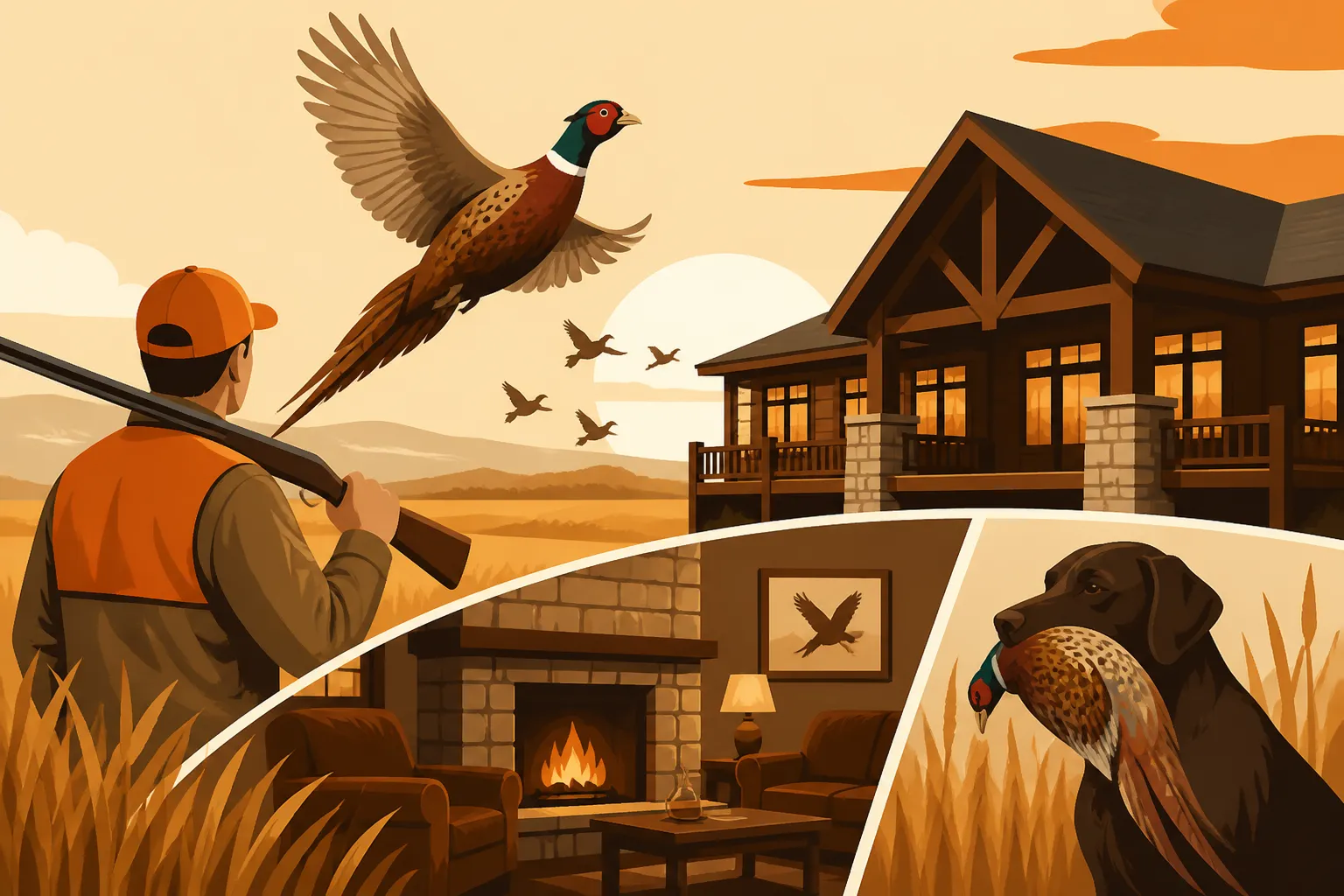
What a South Dakota Pheasant Lodge Provides
The dream of a South Dakota pheasant hunt often conjures images of endless prairies and flushing roosters, but for many, the logistics of finding good ground, comfortable lodging, and reliable guidance can feel overwhelming. This guide aims to demystify the experience of booking a pheasant hunt by detailing exactly what you can expect a typical South Dakota pheasant lodge to provide, helping you plan a memorable and stress-free trip.
The Welcome Mat: Accommodations and Lodge Atmosphere
When you decide to go with a lodge for your South Dakota pheasant hunt, you're not just paying for access to land and birds; you're often investing in an entire experience that begins the moment you arrive. These lodges understand that hunters come for the camaraderie as much as the shooting, and they strive to create an environment that feels like a home away from home, albeit one geared specifically for hunters. It's about taking the burden of daily chores off your shoulders so you can focus on the hunt.
Lodging Styles and Amenities
South Dakota pheasant lodges vary widely in their style and amenities, ranging from rustic, cozy farmhouses to sprawling, modern facilities that resemble luxury resorts. Regardless of the scale, the core offering is a comfortable place to rest after a long day in the field. You can expect clean, well-maintained rooms, often designed with hunters in mind, which might mean sturdy furnishings, plenty of hooks for gear, and perhaps even a dedicated locker room for changing out of muddy boots and hunting clothes. Many lodges offer private rooms or cabins, ensuring a peaceful night's sleep, while others might feature shared bunkhouse-style accommodations, which can be fantastic for fostering group bonding. Amenities typically include reliable heating and air conditioning, hot showers, and often common areas like a lounge with a big-screen TV, a pool table, or a cozy fireplace where hunters can relax and share stories. Some even boast amenities like hot tubs or outdoor fire pits, perfect for unwinding under the vast prairie sky.
Beyond just the basic comforts, many lodges aim to immerse you in the local hunting culture. You might find trophy mounts adorning the walls, antique hunting gear displayed, and photos of successful hunts from years past. This atmosphere helps set the stage for your adventure, connecting you to the rich tradition of pheasant hunting in South Dakota. It's not uncommon for these lodges to be family-run, adding a personal touch that makes the stay feel more authentic and welcoming. They understand the small details that make a difference, like having fresh towels readily available or ensuring there’s always hot coffee brewing early in the morning.
Meal Service and Dietary Needs
One of the highlights of a guided lodge hunt is almost universally the food. After trudging through cover all day, there’s nothing quite like returning to a hearty, home-cooked meal. Most South Dakota pheasant lodges pride themselves on providing delicious, plentiful meals that often feature local flavors and, naturally, pheasant as a culinary centerpiece. You can usually expect a full breakfast to fuel your morning hunt, a packed lunch to take into the field or a warm meal brought out to you, and a generous dinner waiting for you in the evening. These aren't just quick bites; they're often multi-course affairs, designed to satisfy a hunter’s appetite.
It's always a good idea to communicate any specific dietary needs or restrictions well in advance when you're booking. Most lodges are very accommodating and can adjust menus for allergies, vegetarian preferences, or other special requests if they have enough notice. They want your experience to be enjoyable from start to finish, and that includes ensuring you're well-fed and happy with your meals. From prime rib to traditional hotdish, the food is often a memorable part of the overall experience, fostering fellowship around the dinner table where the day's events are recounted and plans for tomorrow's hunt are laid. This communal dining experience truly sets the lodge hunt apart from a do-it-yourself trip where meal prep falls entirely on your shoulders.
The Heart of the Hunt: Guided Field Experience
A substantial part of what a South Dakota pheasant lodge provides is the expertly guided hunting experience itself. This isn't just about showing you where to go; it's about leveraging years of local knowledge, professional dog handling, and strategic field management to maximize your chances of success and ensure a safe, enjoyable hunt.
Expert Guides and Their Role
The guides at a reputable South Dakota pheasant lodge are often seasoned veterans, intimately familiar with the local landscape, bird behavior, and effective hunting tactics. Their role extends far beyond merely pointing out a field. They are responsible for scouting, knowing where the birds are holding based on recent weather patterns, crop rotations, and hunting pressure, and then orchestrating the drive. This might involve setting up blockers, coordinating walkers, and managing the pace to ensure birds are pushed efficiently and safely. A good guide understands the nuances of Walking Speed That Holds Roosters and how different fields require different approaches. They are also excellent communicators, providing clear instructions and ensuring everyone in the hunting party is on the same page regarding safety protocols and shooting lanes.
Moreover, guides are typically friendly, approachable individuals who genuinely enjoy sharing their passion for hunting. They can offer valuable insights into local history, wildlife, and even help you improve your shooting skills or field craft. Their expertise is invaluable, especially for hunters unfamiliar with the unique challenges of prairie hunting. They take the guesswork out of where to go and how to approach the cover, freeing you up to concentrate on enjoying the moment and the thrill of the flush. Many lodges even employ guides certified in first aid, adding an extra layer of security, especially when hunting in remote areas.
Dogs: Lodge Dogs Versus Bringing Your Own
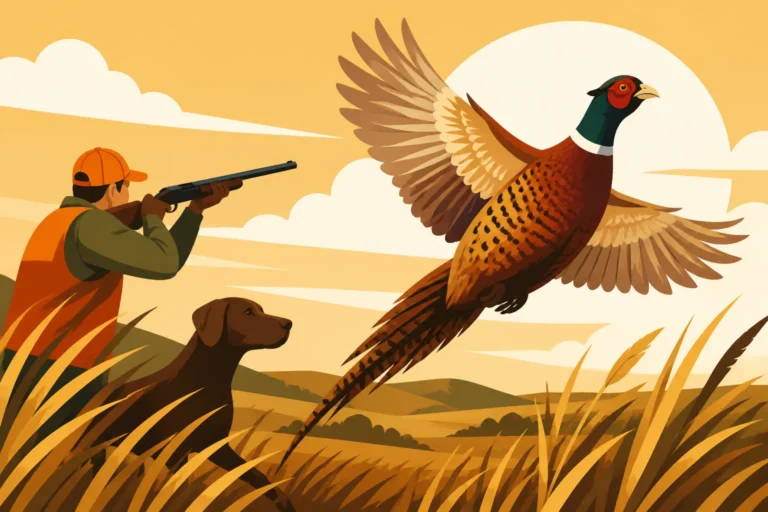
Pheasant hunting in South Dakota almost universally involves hunting dogs – they are indispensable for finding birds in dense cover and, more importantly, retrieving downed birds. Most lodges provide well-trained, experienced hunting dogs as part of their package. These dogs are typically flushers like Labs or Chessies, although some lodges might also employ pointers. These lodge dogs are accustomed to working with multiple hunters, responding to commands from their handler, and have extensive experience navigating South Dakota's varied terrain, from cattail sloughs to standing corn. Relying on lodge dogs means you don't have to worry about the logistics of traveling with your own canine companion, or the physical demands of keeping your own dog performing optimally for days on end.
However, many hunters have a strong bond with their own dogs and prefer to hunt with them. If you plan to bring your own dog, it's crucial to confirm this with the lodge when booking. Most lodges are accommodating but will often have specific rules and requirements. These might include proof of vaccinations, adherence to kennel guidelines, and an understanding that your dog must be well-behaved and under control in the field and around other hunters. Bringing your own dog can be a rewarding experience, allowing you to share the hunt with your trusted partner, but it also adds responsibility for their care, performance, and behavior. Be sure to ask about Dog Water and Burrs on the Prairie as these are common challenges. Some lodges might even offer special accommodations or runs for guest dogs, but it's essential to clarify all expectations upfront.
Hunting Terrain and Methods
South Dakota's landscape is incredibly diverse, offering a variety of habitats that pheasants call home. A lodge hunt will expose you to these different types of cover, and the guides will adapt their hunting methods accordingly. You can expect to hunt everything from vast CRP (Conservation Reserve Program) grass fields, which provide excellent nesting and escape cover, to dense cattail sloughs along waterways where birds hold tight, especially later in the season. South Dakota Pheasant Hunting Tactics for the Opener will differ greatly from Late-Season South Dakota Pheasants in Heavy Cover. Guides might lead your group through standing cornfields, working the rows strategically, or push shelterbelts and tree lines that offer critical winter protection for the birds.
The methods used will also vary. Most commonly, you'll engage in "drives," where a line of hunters and dogs walks through cover, pushing birds toward "blockers" strategically placed at the end of the field. This requires coordination and understanding of safe shooting lanes, all managed by your guide. Other times, you might walk smaller pockets of cover, or even engage in more informal "spot-and-stalk" type hunting if birds are seen feeding in open areas. The beauty of a lodge hunt is that the guides' intimate knowledge of the properties ensures you're hunting productive ground, regardless of the conditions or time of season, maximizing your opportunities for flushing birds. For hunters specifically interested in unique habitat types, it's worth asking a potential lodge about their specific access to areas like Walking and Blocking South Dakota Cattail Sloughs.
Essential Services: From Field to Freezer
The hunt itself is only one part of the journey. Once the shotguns are put away, the work of processing your game begins. A comprehensive pheasant lodge will offer services that take care of this often-tedious task, ensuring your birds are properly handled from the moment they’re retrieved to when they’re ready for your freezer. This convenience allows you to focus solely on the enjoyment of the hunt and the camaraderie.
Bird Cleaning and Packaging
After a successful day in the field, the last thing many hunters want to do is spend hours cleaning birds. This is where lodges really shine. Most South Dakota pheasant lodges include bird cleaning and packaging as part of their standard service, relieving you of this messy and time-consuming chore. Typically, skilled staff will breast out your birds, separating the meat from the bone, which is the most common method for pheasants. They will then vacuum seal or securely package the pheasant breasts, label them, and prepare them for freezing. This meticulous handling ensures the meat is preserved in optimal condition, ready for cooking when you get home.
Some lodges might also offer the option for whole bird cleaning and plucking, though this might incur an additional fee due to the extra labor involved. It's wise to discuss these preferences and any associated costs upfront. Regardless of the method, the goal is to make sure your hard-earned pheasants are legally processed and ready for transport. This service is a huge time-saver and guarantees that your birds are handled hygienically and efficiently, maintaining the quality of the meat for your table. For those interested in culinary aspects, learning about Cleaning Pheasants in the Field or Breasting Versus Plucking Birds can be useful for appreciating the work involved.
Game Processing and Shipping Options
Beyond the initial cleaning, many lodges provide assistance with further game processing and even shipping arrangements. While most hunters take their pheasant breasts home, some might be looking for more comprehensive processing, perhaps into sausage or ground meat. While lodges don't typically do this on-site, they often have established relationships with local meat processors who can handle larger game, or special requests for pheasants. They can guide you on the nearest reputable processors and help with the logistics of dropping off your game. This is especially helpful if you're combining your pheasant hunt with other South Dakota big game opportunities and need assistance with larger animals.
For those flying home or traveling long distances, the logistics of transporting frozen game can be a major hurdle. Lodges frequently assist with freezing your packaged birds and can even facilitate shipping services. They might have commercial freezers to keep your birds solid until your departure, or they can help arrange for insulated shipping containers and courier services to send your game directly to your home. This service is invaluable, ensuring your cherished birds arrive safely and frozen, rather than spoiling on a long journey. Always inquire about specific shipping costs and requirements, as these can vary. Understanding Getting Birds Home From South Dakota and Shipping Frozen Game Meat by Air are key questions for nonresident hunters.
Logistics and Planning Support for Your Trip
One of the often-overlooked benefits of booking with a pheasant lodge is the comprehensive support they offer in the planning and execution of your trip. Hunting in a new state, especially one as vast as South Dakota, can present numerous logistical challenges. Lodges aim to smooth out these wrinkles, making your experience seamless from start to finish.
Pre-Trip Planning Assistance
Navigating hunting regulations, licensing requirements, and travel arrangements can be daunting, especially for out-of-state hunters. A good South Dakota pheasant lodge acts as a valuable resource, providing extensive pre-trip planning assistance. They can offer clear guidance on what South Dakota hunting licenses and stamps you'll need, where to purchase them, and any deadlines you need to be aware of. This might include explaining the nuances of the South Dakota Nonresident Small Game Licence Price or the required South Dakota Habitat Stamp Requirements. Many lodges even have a process to help streamline the license purchasing process, or at least point you directly to the correct online portals or local vendors.
Beyond licensing, they often provide detailed packing lists tailored to the specific time of year you'll be hunting, advising on appropriate clothing layers, footwear, and other essential gear for South Dakota's often unpredictable weather. They can also offer recommendations for gun rentals if you prefer not to travel with your own firearm, and advise on ammunition considerations. If you're using services like BookYourHunt or GoHunt to find a lodge, you'll often find that the featured lodges are well-versed in these details and can answer your questions directly, ensuring you arrive fully prepared and legally compliant. This level of support can significantly reduce pre-hunt stress and allows you to look forward to the adventure without worrying about forgotten essentials.
Transportation to and From the Field
Getting to and from the hunting grounds is another logistical detail that lodges typically handle, removing the need for you to navigate unfamiliar roads or coordinate multiple vehicles. Once you arrive at the lodge, whether by personal car or a shuttle from a nearby airport (which some lodges offer as an additional service), the daily transportation to and from the hunting fields is usually included. You'll typically ride in comfortable, often purpose-built vehicles like vans or enclosed trailers, transporting you and your gear safely to the day's hunting areas. This ensures that everyone arrives together, on time, and ready to hunt.
This service is particularly beneficial for groups, as it eliminates the hassle of caravanning and ensuring everyone stays together. It also means you don't have to worry about getting a rental vehicle stuck on a muddy two-track after a prairie rain. Guides drive the vehicles, allowing you to relax, enjoy the scenery, and conserve your energy for the hunt itself. They know the best access points, understand the terrain, and can maneuver through conditions that might challenge a typical passenger car. This seamless transportation is a key element in the stress-free experience a lodge aims to deliver.
Understanding the Cost: What's Included (and What's Not)
Investing in a guided pheasant hunt is a significant decision, and understanding the financial aspects is crucial. While lodges offer convenience and a high-quality experience, it's vital to clarify what your package price covers and what additional expenses you should budget for. Transparency here prevents unwelcome surprises.
Typical Inclusions in a Package
Most South Dakota pheasant lodge packages are comprehensive, designed to cover the core elements of your hunt. You can generally expect the following to be included in the listed price:
- Lodging: Your accommodation for the duration of your stay.
- Meals: Usually includes breakfast, lunch (either field lunch or back at the lodge), and dinner. Beverages like coffee, water, and sometimes soft drinks are also often included.
- Guided Hunting: The services of experienced guides and their well-trained hunting dogs.
- Field Transportation: Getting you to and from the hunting areas each day.
- Bird Cleaning: Initial breasting and packaging of your pheasants.
Some higher-end packages might also include a limited number of alcoholic beverages, or perhaps even gun rentals and ammunition. When comparing options, paying close attention to these inclusions is key. A seemingly more expensive package might offer better value if it bundles services you'd otherwise pay extra for. Be sure to ask What a Bird Package Includes when speaking with lodges or reviewing their offerings. Knowing the specifics will help you make an informed decision and budget accurately for your dream hunt.
Hidden Costs and Gratuities
While many items are included, it's rare for a package price to cover absolutely everything. There are often "hidden" costs or anticipated expenses that you should factor into your budget. These commonly include:
- Hunting Licenses and Stamps: Almost universally, hunters are responsible for purchasing their own state hunting licenses, habitat stamps, and any federal duck stamps if waterfowl hunting is part of the package. These are typically not included in the lodge's price.
- Ammunition: Unless specified, you'll need to bring your own shotgun shells or purchase them locally.
- Alcoholic Beverages: While some lodges might include a limited selection, premium alcoholic drinks are often an additional charge.
- Gratuities: Tipping is a customary and expected part of the guided hunting experience. Guides, dog handlers, and lodge staff (cooks, housekeepers) work incredibly hard to ensure your trip is enjoyable. You should budget for tips, usually calculated as a percentage of your total hunt cost. Understanding Tipping a South Dakota Guide and Tipping Dog Handlers and Lodge Staff is crucial for budgeting.
- Special Requests: Services like professional game processing beyond breasting, advanced taxidermy services, or shipping of game meat are almost always extra.
- Souvenirs/Apparel: Many lodges have pro shops where you might be tempted to purchase branded merchandise.
Always ask for a detailed breakdown of what's included and a list of common additional expenses before booking. A reputable lodge will be transparent about all costs, ensuring you have a clear financial picture of your trip. Tools like GoHunt or BookYourHunt often detail these inclusions and exclusions clearly on their listings, allowing for easy comparison.
Making the Most of Your Lodge Stay
A pheasant hunt isn't just about pulling the trigger; it's about the entire experience, from the moments of quiet contemplation on the prairie to the lively conversations back at the lodge. A good lodge facilitates both, offering more than just a place to sleep and eat.
Social Aspects and Down Time
One of the often-underestimated benefits of a lodge hunt is the strong social component. You'll share meals, stories, and the excitement of the hunt with your fellow hunters, whether they're friends you came with or new acquaintances. Lodges are designed to foster this camaraderie, with comfortable common areas where you can relax, recount the day's adventures, and plan for the next. These spaces often include amenities like card tables, pool tables, or inviting fireplaces, encouraging interaction and building lasting memories. Many lodges even host social hours before dinner, allowing guests to unwind with a beverage and discuss the day's highlights.
Down time is also crucial. While the hunting can be physically demanding, there's always time to relax. Whether it's reading a book by the fire, catching up on emails (many lodges offer Wi-Fi), or simply enjoying the peaceful prairie views, the lodge provides a comfortable sanctuary. Some lodges might even have small shops where you can pick up forgotten essentials or a souvenir to remember your trip. This balance of intense activity and relaxed leisure is key to a truly enjoyable and rejuvenating hunting vacation. It’s an opportunity to forge friendships, share experiences, and immerse yourself fully in the hunting culture of South Dakota.
Beyond Pheasants: Other Activities
While pheasant hunting is undoubtedly the main draw, some South Dakota lodges offer, or can arrange, additional activities to enhance your trip, especially for non-hunting guests or for days when you might want a break from the fields. Depending on the lodge's location, these might include opportunities for fishing in nearby lakes or rivers, guided tours of local attractions, or even additional hunting opportunities. For example, some lodges might offer a chance to try Waterfowl Hunting the South Dakota Prairie in the early mornings or Predator Hunting Across South Dakota in the evenings.
If your hunting party includes individuals who don't hunt, or if you're looking for a change of pace, it's worth inquiring about these supplementary options. Some lodges are situated near historical sites, quaint small towns, or scenic natural areas that can provide a rich cultural experience. While most lodges are laser-focused on the pheasant hunt, those catering to longer stays or diverse groups might have partnerships with local businesses to provide these extra amenities. Always check with the lodge directly about what other activities might be available or easily accessible from their location to round out your South Dakota adventure.
Disclaimer
This article is for general informational purposes only and does not constitute professional advice. Laws, prices and regulations vary by location and change over time. Consult a qualified professional for guidance on your specific situation.