How Much Ground an Outfitter Controls
It's easy to get swept up in the excitement of booking a South Dakota hunting trip, especially when dreaming of those incredible pheasant flushes or a trophy mule deer on the prairie. But a common frustration many hunters face, particularly when looking at guided experiences, is not truly understanding the "where." Specifically, how much ground an outfitter actually controls, and what that means for your hunt, is a huge, often overlooked detail that can make or break your experience. This guide will meticulously break down the nuances of outfitter land control in South Dakota, helping you ask the right questions and ensure you're setting yourself up for the hunt you envision.
Understanding Outfitter Ground Control in South Dakota
When you're sifting through outfitters, whether you're eyeing pheasants, deer, or antelope, one of the most critical, yet often vaguely presented, pieces of information is the amount and type of land they operate on. South Dakota's landscape offers a diverse mix of agricultural fields, native prairie, cattail sloughs, and river bottoms. The quality of an outfitter's ground, and their control over it, directly translates into the quality and consistency of your hunt. It's not just about a number of acres; it's about what kind of acres and how they're managed.
Leased Versus Owned Acreage
There's a significant difference between an outfitter who owns their hunting ground outright and one who leases it. Both models can offer fantastic hunting, but they come with different implications for the hunter.
An outfitter who owns their land has ultimate control. This means they can implement long-term habitat management strategies, such as planting food plots, establishing dense cover, creating water sources, or actively managing timber stand improvements (though timber is less common on the prairie, it applies in areas like the Black Hills). They have a vested interest in the land's health and productivity year after year. This stability often translates to more consistent hunting opportunities, as the outfitter isn't subject to the whims of a landlord who might decide to pull the lease or change land use. For hunters, this can mean a more predictable experience, often on ground that has been specifically tailored for game. You might find a lodge situated directly on the hunting property, allowing for quick access and immersion in the hunting environment. When considering a long-term relationship with an outfitter, knowing they own their core hunting ground can offer peace of mind about the consistency of the operation.
On the other hand, many excellent outfitters in South Dakota operate primarily on leased land. Leasing allows outfitters to scale their operations, accessing prime agricultural fields for pheasants, vast prairie for antelope, or specific river bottom tracts for deer that they might not be able to purchase outright. The key here is the terms of the lease. Is it a multi-year agreement? Does the outfitter have exclusive hunting rights? Do they have permission to conduct habitat improvements? A strong, long-term lease can provide nearly the same benefits as owning the land, as it allows the outfitter to invest in the property and manage it for consistent game populations. However, shorter-term or less exclusive leases can introduce more variability. A landowner might plant a different crop, change their farming practices, or even decide to hunt the land themselves, directly impacting the quality of the hunting you've booked. It’s crucial to understand that a leased property might also change hands more frequently, leading to potential disruptions in the outfitter's access. Always ask about the longevity and exclusivity of their leases.
Exclusive Access Versus Shared Ground
Beyond whether the land is owned or leased, understanding if an outfitter has exclusive hunting rights is paramount. "Exclusive access" means that during your hunt, you and your group are the only hunters on that specific parcel of land, or perhaps even the only hunting group the outfitter is hosting at that time. This is often the gold standard for a guided hunt. It minimizes hunting pressure, ensures game isn't constantly being pushed off one property onto another, and allows the outfitter to manage their resources, including their guides and dogs, without stretching them too thin across multiple parties. When you have exclusive access, you're less likely to run into other hunters, even from the same outfitter, meaning less competition for birds or deer, and a more private, immersive experience.
The alternative is shared ground, which can take a few forms. Sometimes, an outfitter might have hunting rights to a large tract of land, but they might be running multiple groups simultaneously, each on a different section. While not truly "shared" in the sense of different outfitters, it still means more hunters in the general vicinity. Another scenario is when an outfitter has access to land that other hunting parties, or even the landowner themselves, might also be hunting, either commercially or privately. This can lead to increased hunting pressure, which can make game more wary and harder to find. Imagine you're pushing a fantastic cattail slough only to have birds flush prematurely because another group is approaching from an adjacent field. Or, consider deer hunting where a prime bedding area is disturbed by a different party every other day. This kind of pressure can quickly make for a frustrating hunt. Always inquire if the ground you'll be hunting will be exclusive to your group during your booked dates. This detail is especially relevant for public lands or properties with multiple access points, where managing pressure can become a significant challenge for any outfitter.
The Impact of Acreage on Your Hunting Experience
The sheer amount of acreage an outfitter controls is a strong indicator of potential hunt quality. But it's not just about a big number; it's about how that acreage translates into space for game to thrive and for hunters to pursue them effectively without undue pressure.
Roaming Room for Game and Hunters
South Dakota game animals, from pheasants to mule deer, are constantly moving, seeking food, water, and cover. For pheasants, especially late in the season, they'll often utilize expansive fields of corn, thick cattail sloughs, and dense shelterbelts. An outfitter with limited, small parcels of land might find their birds quickly pushed off the property during a hunt, or they might struggle to hold significant numbers of birds consistently. Having a large, contiguous block of diverse habitat allows pheasants to live out their daily routines – feeding, loafing, and roosting – all within the outfitter's control. This makes for more consistent flushes and better dog work. Consider the value of Walking and Blocking South Dakota Cattail Sloughs when you have plenty of room to maneuver and set up effective drives.
For big game like deer and antelope, large acreage is even more critical. Mule deer and whitetails, while having smaller home ranges than some might think, still benefit greatly from diverse terrain and ample space. Reading Prairie Coulees for Mule Deer becomes much more effective when the coulees are part of a larger, undisturbed property. Antelope, known for their incredible speed and vast movements across the prairie, need tremendous space. An outfitter with only a few hundred acres might struggle to keep pronghorns on their property, especially if they are pressured. When a big antelope buck decides to travel a few miles in the morning, having a large enough property means he might still be on ground accessible to your guide. Without significant ground, a quick stalk on a bedded animal could end with the animal crossing a boundary line onto unhuntable property, turning a promising situation into a frustrating watch.
Hunter Density and Pressure Management
One of the most insidious enemies of a quality hunt, particularly for wild game, is hunting pressure. A smaller parcel of land, even if it's excellent habitat, can quickly become "burnt out" if too many hunters are put on it too frequently. An outfitter with thousands of acres has the luxury of rotating hunting areas. They can rest certain fields or sections for several days, allowing game to settle back in, reducing wariness, and ensuring a more natural hunting experience. This rotation is absolutely key to sustaining good hunting, especially for intelligent birds like pheasants. They learn quickly.
Think about it: if an outfitter has 1,000 acres, and they're running three groups of four hunters every day of the week, that ground is going to feel a lot of pressure. Compare that to an outfitter with 10,000 acres running the same number of groups; each group has vastly more ground to themselves, and the outfitter can easily rest 80-90% of their property at any given time. This directly impacts how wild the birds or deer behave. Over-pressured game tends to become jumpy, running long distances before flushing or going nocturnal. When pheasants are constantly pushed, they learn to run the edges, flushing out of range, or simply holding tight and waiting until hunters have passed. An outfitter with ample ground can spread out the hunting effort, ensuring that each group of hunters experiences fresh ground and less educated game. This leads to better success rates and a more enjoyable, less frantic hunt.
How to Investigate an Outfitter's Controlled Ground
Navigating the world of guided hunts can feel like a maze, and outfitters' marketing materials can sometimes be a bit vague. It's up to you, the hunter, to dig a little deeper and get the concrete information you need. Don't be shy; reputable outfitters will appreciate your thoroughness.
Asking the Right Questions Before Booking
When you're talking to an outfitter, whether over the phone or via email, be prepared with a list of specific questions about their land. Don't just ask "How much land do you hunt?" Be more precise. Here are some examples:
- "How many acres do you control for hunting purposes – both owned and leased?" Get a specific number.
- "What percentage of that ground is owned versus leased?" This gives you insight into their long-term stability.
- "Are your leases exclusive, or do other parties (landowners, other outfitters) also hunt that ground?" This is crucial for understanding potential pressure.
- "Do you have contiguous blocks of land, or are they smaller, scattered parcels?" Larger, unbroken blocks generally offer better game movement and less edge effect.
- "How many hunting groups do you typically host at one time, and how do you manage to rotate your hunting areas to minimize pressure?" This directly addresses hunter density.
- "What kind of habitat does your controlled ground primarily consist of?" Knowing if it's mostly crop fields, native prairie, cattail sloughs, or a mix helps you gauge what kind of hunt to expect.
- "Can you show me a map (even a general one) of your hunting properties?" Some outfitters are willing to provide general maps, which can be very insightful.
- "How long have you had access to these particular properties?" Long-term access often means better-managed land and consistent hunting.
Platforms like BookYourHunt can be a great starting point for finding outfitters and often provide some initial details. However, even with those resources, follow up with direct communication using these pointed questions. The answers will give you a much clearer picture of what you're buying into.
Leveraging Technology for Research
In today's digital age, hunters have powerful tools at their fingertips to research and even verify an outfitter's claims about their ground. While you won't get precise property lines for an outfitter's private leases, you can certainly get a sense of the general area and public land opportunities.
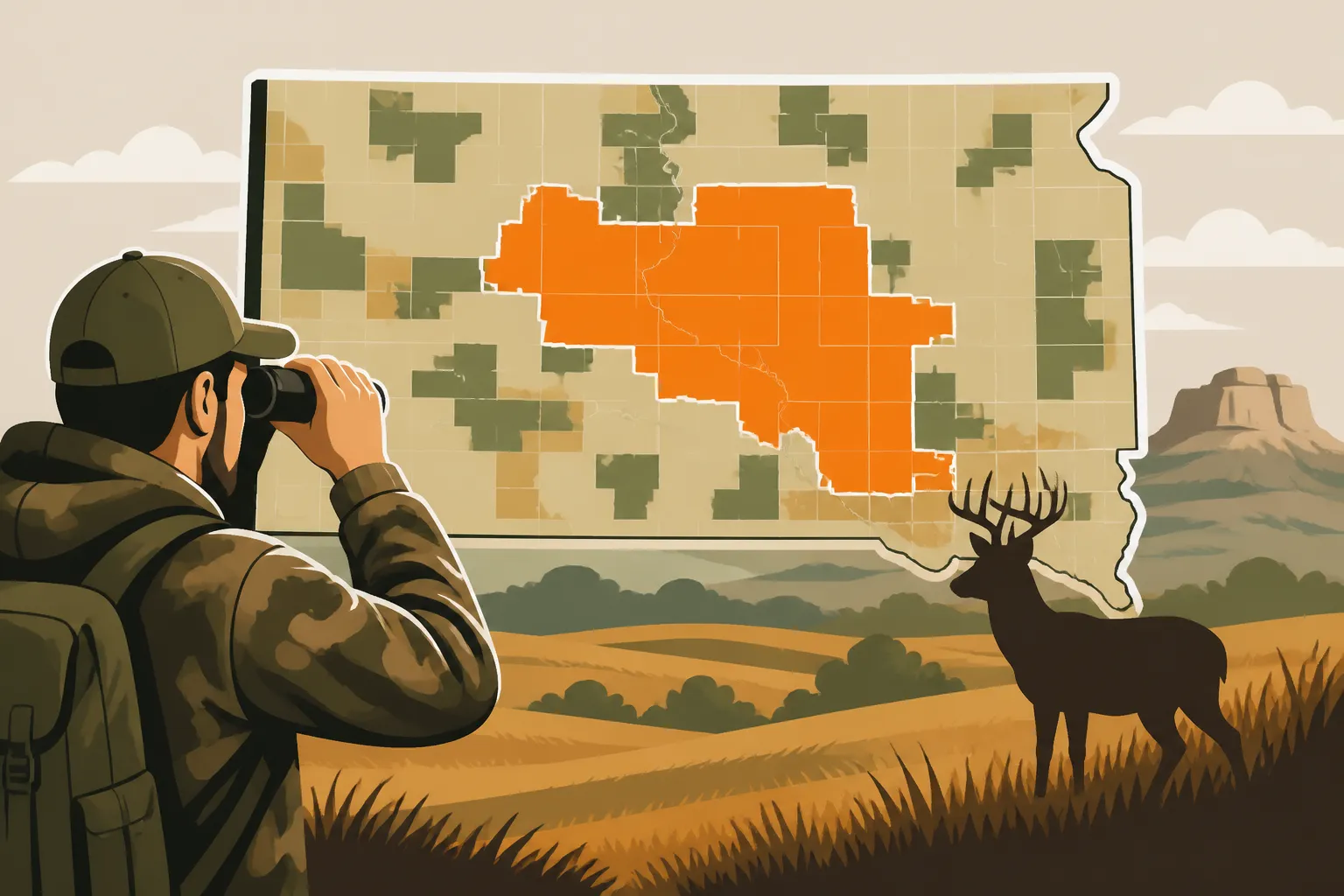
Mapping applications are invaluable. Many offer satellite imagery that allows you to visually inspect the general area where an outfitter claims to hunt. You can look for habitat features like large cattail sloughs, extensive native grasslands, river breaks, or dense shelterbelts. If an outfitter claims to hunt "thousands of acres of prime pheasant habitat," but the satellite view shows mostly vast monoculture cornfields with little dense cover, that might be a red flag. While you cannot pinpoint specific leased tracts, you can certainly get a feel for the type of landscape and habitat available in the region they operate. This kind of e-scouting can also help you understand Scouting South Dakota Public Ground Before the Season and how it might compare to guided options.
Another aspect of leveraging technology is checking online reviews and forums. Past clients often share details about their experiences, including observations about the quality and quantity of the ground hunted. Did they feel crowded? Did the birds seem highly pressured? Did the outfitter consistently have new ground to hunt? These anecdotes can provide valuable insights that go beyond what an outfitter's brochure might tell you. While GoHunt might be more known for DIY big game planning, the principles of researching general unit characteristics and habitat types apply when vetting outfitter claims. Look at general land characteristics of the region the outfitter is in; is it known for large contiguous tracts, or is it heavily fragmented? This broad overview can help you gauge the realism of an outfitter's claims about their ground.
The Business Side of Outfitter Acreage
Understanding the financial and operational realities behind an outfitter's controlled ground can give you an even deeper appreciation for their operation and help you distinguish between a professional outfitter and a fly-by-night operation.
Costs and Investments for Outfitters
Acquiring and maintaining substantial hunting ground, whether through ownership or leasing, represents a massive investment for any outfitter in South Dakota. Buying land, especially prime hunting ground, is incredibly expensive. Property taxes, insurance, and maintenance costs add up quickly. For leased land, outfitters pay significant annual fees to landowners for exclusive hunting rights. These lease payments vary wildly depending on the quality of the habitat, location, and demand, but they are a primary cost of doing business.
Beyond the initial acquisition, outfitters often pour resources into improving the habitat. This could mean planting specialized food plots designed to hold pheasants through the winter, creating new water sources for wildlife, or implementing controlled burns to rejuvenate native prairie. They might invest in heavy equipment to manage dense cover or staff to maintain properties. These aren't negligible expenses; they are long-term investments aimed at creating and sustaining a high-quality hunting experience for their clients. So, when an outfitter advertises "thousands of acres," understand that a substantial portion of your hunt fee goes directly towards securing and managing that valuable land base. An outfitter with a strong, diverse land base is making a serious commitment to their business and, by extension, to your hunting success.
Habitat Management and Long-Term Success
The true value of an outfitter controlling a significant amount of ground isn't just about having space; it's about the ability to actively manage that space for the benefit of wildlife. Habitat management is the cornerstone of sustainable hunting, particularly for species like pheasants where winter cover and nesting success are paramount. CRP Acres and South Dakota Bird Numbers are directly related to the health of pheasant populations, and outfitters who control land with good CRP (Conservation Reserve Program) enrollment or similar habitat programs are investing in the long-term health of their bird numbers.
Outfitters who control substantial acreage can implement diverse habitat strategies. This might include leaving standing corn or sorghum food plots adjacent to dense grass cover, providing critical thermal cover during brutal South Dakota winters, and ensuring birds have consistent food sources. They can strategically plant trees for shelterbelts or create wetland areas. This active management creates an environment where game animals don't just survive, but thrive. It contributes to healthier populations, better fawn recruitment for deer, and stronger pheasant broods, ultimately leading to more robust hunting opportunities year after year.
A dedicated outfitter understands that their land base is their most valuable asset. They know that investing in habitat pays dividends by attracting and holding more game, offering a more consistent and higher-quality experience for their clients. When you inquire about an outfitter's ground, asking about their habitat management practices can tell you a lot about their long-term commitment to quality hunting and their understanding of wildlife ecology. This dedication ensures not just a great hunt for you, but also the health and abundance of South Dakota's cherished game species for future generations.
| Factor | Outfitter Owns Land | Outfitter Leases Land (strong, long-term) | Outfitter Leases Land (short-term, non-exclusive) |
|---|---|---|---|
| Control Over Land | High (Full discretion on habitat, land use, and access) | High (Good control, especially with multi-year, exclusive agreements) | Low (Subject to landowner whims, other hunters, land use changes) |
| Habitat Investment | High (Strong incentive for long-term improvements like food plots, tree belts) | Moderate to High (Invests in improvements within lease terms, especially multi-year) | Low (Little incentive to invest in land that may not be accessible next season) |
| Hunt Consistency | High (Stable hunting grounds, predictable game patterns) | Moderate to High (Generally consistent, but lease renewals or terms can introduce variability) | Low (High variability due to changing access, habitat, and pressure) |
| Pressure Management | Excellent (Full ability to rotate fields, rest areas, control hunter density) | Good (Can often manage pressure effectively, especially if exclusive) | Difficult (Hard to control external pressure from landowners or other parties) |
| Cost Implications | High initial investment, but long-term stability and asset building | Ongoing lease payments, potentially flexible for scaling operations | Lower fixed costs, but higher risk of losing access and needing to find new ground |
| Hunter Perception | Strong sense of security and trust in the operation's foundation | Good, especially with transparent lease details and history | Potential for doubt about long-term commitment and quality of ground |
Disclaimer
This article is for general informational purposes only and does not constitute professional advice. Laws, prices and regulations vary by location and change over time. Consult a qualified professional for guidance on your specific situation.