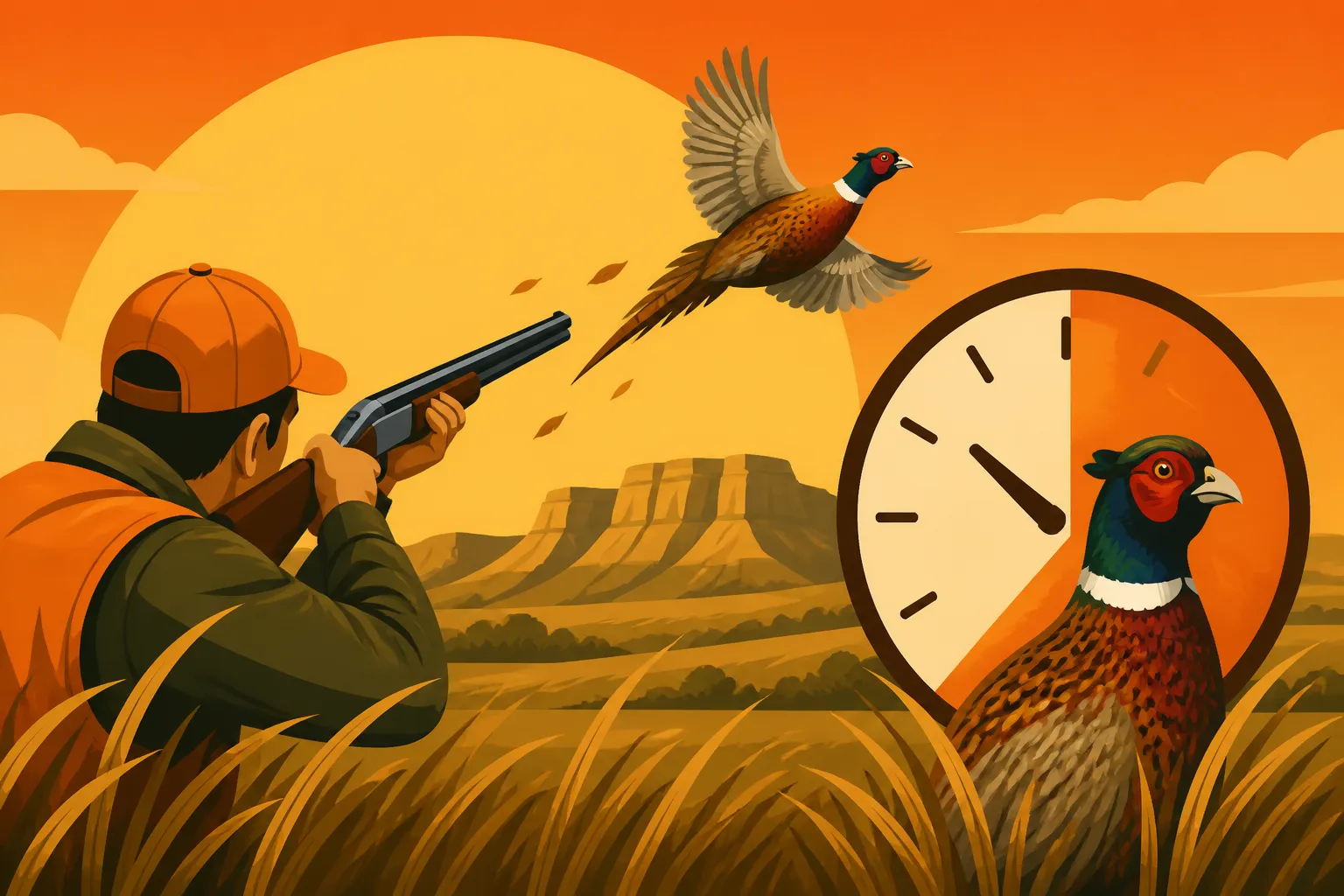
South Dakota Shooting Hours for Pheasants
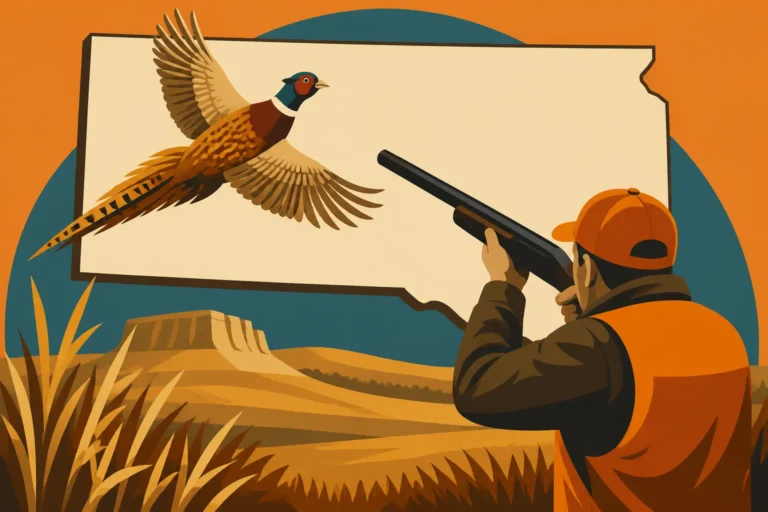
One of the most common frustrations for pheasant hunters heading to South Dakota, especially those coming from states with different regulations, is getting a handle on the unique shooting hours. It’s not just about knowing when to start and stop; it’s about understanding the why behind these rules, how they impact your hunting strategy, and ultimately, how to stay on the right side of the law. This guide will meticulously break down everything you need to know about South Dakota's pheasant shooting hours, ensuring your hunt is both successful and compliant.
Understanding the Official Shooting Hours for Pheasants
South Dakota has a distinct approach to pheasant hunting hours, particularly when compared to many other states where hunting often begins at dawn. This difference can catch many hunters off guard, but once you understand the reasoning, it makes perfect sense in the context of South Dakota's unique hunting culture and bird behavior.
The official pheasant hunting season in South Dakota generally begins with a statewide start date, usually the third Saturday in October, and runs through the first Sunday in January. Throughout this period, the legal shooting hours are quite specific: 10:00 AM Central Time (CT) until sunset. It’s crucial to note that "Central Time" is the standard, even if you find yourself hunting in an area that might technically fall within the Mountain Time Zone during certain parts of the year. The state mandates Central Time for consistency in hunting regulations. This means no early morning flushes, no sneaking into a field before the sun fully clears the horizon. It’s a late start by many hunting standards, designed with specific conservation and social goals in mind.
Why the 10 AM Start Time?
The 10 AM start time is perhaps the most iconic and often discussed aspect of South Dakota pheasant hunting. For hunters accustomed to being in the field at first light, waiting until mid-morning can feel counterintuitive, like you're missing out on prime hunting time. However, this regulation isn't arbitrary; it's deeply rooted in the state's pheasant management philosophy and aims to enhance the overall hunting experience while minimizing negative impacts. The primary reason is to allow pheasants ample time to leave their overnight roosting cover, typically dense cattail sloughs or thickets, and move out into feeding areas. At first light, pheasants are still quite concentrated in these roosts, making them highly vulnerable to hunters if they were to be pushed immediately.
By delaying the start until 10 AM, birds have dispersed and begun feeding, making them more scattered and challenging to hunt, which promotes a higher quality, more sporting hunt. It also gives birds a chance to dry off from dew or frost, which is important for their health and also makes for better dog work as scenting conditions improve. This specific start time also helps manage hunter pressure, particularly on public lands or shared private lands. It discourages the mad rush at dawn and spreads out the hunting effort, reducing potential conflicts and promoting safer conditions in the field. This unique aspect is so central to the South Dakota pheasant experience that many discussions about it can be found, such as in articles exploring why the start time is set as it is, like in "Why Pheasant Hunting Starts at Ten".
Understanding Legal End Times
While the 10 AM start gets a lot of attention, knowing the legal end time – sunset – is equally important for compliance and safety. Unlike the fixed morning start, sunset is a dynamic target, changing daily throughout the season and depending on your exact location within the state. "Sunset" in hunting regulations typically refers to the official civil sunset time, not when the sun actually disappears behind a distant tree line or hill. This official time is calculated by astronomical tables and can be found through various sources, including weather apps, online almanacs, or hunting-specific applications.
The principle behind ending at sunset is primarily safety and ethical hunting. As light fades, visibility decreases, increasing the risk of misidentifying targets or accidentally shooting at unsafe angles, especially with fast-moving pheasants. It also helps prevent "roost shooting," where hunters might target birds as they return to their concentrated overnight cover, which is generally considered unsportsmanlike and detrimental to bird populations. Staying in the field past legal shooting hours is a serious violation and can result in significant fines and loss of hunting privileges. Always ensure you are packed up and out of the field by the official sunset time.
The Rationale Behind the Regulations
South Dakota's shooting hour regulations aren't just arbitrary rules; they are carefully crafted components of a comprehensive wildlife management strategy designed to ensure sustainable pheasant populations, promote hunter safety, and foster positive landowner relations. Understanding the thinking behind these rules helps hunters appreciate their purpose and adhere to them more effectively.
The South Dakota Game, Fish and Parks (SDGFP) department, along with agricultural and tourism stakeholders, collaborate to maintain the state's reputation as the "Pheasant Capital of the World." The shooting hour structure plays a vital role in this by balancing hunter opportunity with resource conservation. It’s a system refined over decades, taking into account bird behavior, hunter success rates, and the socio-economic impacts of hunting on local communities.
Bird Behavior and Roosting Patterns
One of the foundational elements influencing South Dakota's pheasant shooting hours is the predictable daily behavior of ring-necked pheasants. These birds have a distinct routine that largely revolves around light levels, weather, and food availability. At night, pheasants gather in dense, secure cover – often cattail sloughs, heavy grass, or thick shelterbelts – to roost. This provides protection from predators and the elements. As dawn breaks, they remain in this cover, typically reluctant to move until the morning dew or frost has dried and temperatures begin to rise.
Around mid-morning, as the sun gains strength, pheasants begin to stir. They will leave their roosts and move to nearby feeding areas, such as cornfields, stubble fields, or food plots. During this transition, and throughout the day, they are more dispersed and actively foraging. The 10 AM start time capitalizes on this natural dispersion. It prevents hunters from easily "pounding" concentrated birds right off the roost, which could quickly deplete local populations and lead to unsustainable harvest levels. By allowing birds to naturally spread out, the hunt becomes more challenging and fair, aligning with the principles of conservation and fair chase. It’s a strategy designed to ensure that the birds have a fighting chance and that the resource remains abundant year after year.
Hunter Safety and Fair Chase Considerations
Beyond bird behavior, safety is a paramount concern for any hunting regulation, and South Dakota's shooting hours directly contribute to a safer hunting environment. Hunting in low light conditions, whether at dawn or dusk, significantly increases the risk of accidents. Misidentification of targets, obscured shooting lanes, and reduced visibility of other hunters or dogs are all potential hazards. The 10 AM start ensures that hunting takes place during daylight hours when visibility is generally excellent. This is especially critical in South Dakota, where large hunting parties, working dogs, and dense cover are common.
The fair chase principle is also deeply ingrained in these regulations. Fair chase dictates that hunters should not have an unfair advantage over the game. Pushing pheasants directly off their nocturnal roosts would be considered by many to give hunters too much of an edge. Birds are disoriented and highly concentrated, making them easy targets. The later start promotes a more challenging hunt, where hunters and their dogs must actively work cover to find dispersed birds. This aligns with ethical hunting practices and enhances the sporting aspect of the pursuit. This philosophy is often part of broader discussions around ethical hunting, similar to topics like "Evening Roost Hunting Ethics".
Minimizing Pressure on Private Land
A significant portion of prime pheasant habitat in South Dakota is located on privately owned farmland. Maintaining positive relationships with landowners is absolutely crucial for the state's hunting economy and for ensuring continued access for hunters. The 10 AM start time is a powerful tool in landowner relations. Many farmers are active in their fields and around their farmsteads in the early morning. They may be feeding livestock, tending to chores, or simply enjoying the quiet start to their day. Having hunters and their dogs in close proximity at dawn could be seen as an intrusion or a nuisance.
By delaying the start, hunters are kept out of the fields during these sensitive early morning hours, giving landowners peace of mind and allowing them to conduct their daily routines undisturbed. This courtesy helps to minimize conflicts and build goodwill, which is essential for preserving access to private lands, whether through direct permission or through programs like the Walk-In Area program. This regulation acknowledges the working landscape of South Dakota and ensures that hunting activities integrate respectfully into the agricultural rhythms of the state, benefiting both hunters and landowners in the long run.
Practical Implications for Hunters
Understanding South Dakota's pheasant shooting hours isn't just about avoiding a ticket; it's about optimizing your hunting strategy, making the most of your time in the field, and planning a truly enjoyable experience. The 10 AM start fundamentally shifts how you approach a hunting day compared to other locales.
Instead of a frantic pre-dawn rush, you'll find a more relaxed pace, allowing for proper planning, a good breakfast, and thoughtful discussions with your hunting party. This distinct schedule can be a blessing in disguise, leading to more focused and productive hunts throughout the day. It allows for better dog preparation, ensuring your canine companions are fresh and ready for the intensive work ahead in the cover.
Planning Your Hunting Day
With a 10 AM start, your hunting day in South Dakota will look considerably different than it might in other states. Forget the 4 AM alarm and stumbling around in the dark; here, mornings begin at a more civilized hour. Many hunters use this time to enjoy a hearty lodge breakfast, strategize the day's fields with their guides or hunting partners, and meticulously prepare gear. This could involve cleaning shotguns, organizing shells, making sure your blaze orange is visible, and hydrating both yourself and your dogs. It's a great opportunity for team building and setting clear expectations for the day.
When 10 AM hits, you should be ready to roll, often driving directly to your first field. The hunting will then be continuous, or broken up by a late lunch, until sunset. Since the prime morning hours are off-limits, you'll need to think about how to best utilize the middle of the day. This might involve planning longer pushes, covering larger blocks of cover, or targeting fields where pheasants are known to feed extensively mid-day. Efficient movement between fields becomes critical, as does keeping track of the changing sunset times.
Maximizing Mid-Day and Afternoon Opportunities
Because of the 10 AM start, the "prime time" for pheasant hunting in South Dakota largely shifts from early morning to the late morning and afternoon. This is when birds are actively feeding and moving, making them more accessible in various cover types. Hunters should focus their efforts on understanding pheasant movements throughout the day. After leaving their roosts, pheasants will often move to stubble fields, corn food plots, or even grass strips adjacent to food sources. As the day progresses, especially if weather turns cold or windy, they may seek out more thermal cover like heavy cattails or dense shelterbelts.
Therefore, your strategy should adapt. Instead of abandoning fields mid-day, recognize that these hours can be incredibly productive. Focus on fields with good food sources nearby, or transition to heavier cover as birds move to loaf or escape pressure. Learning to "read" the landscape and anticipate where pheasants will be at different times of the day is a hallmark of successful South Dakota hunters. This strategic thinking extends to understanding how different cover types play a role, as detailed in guides like "Late-Season South Dakota Pheasants in Heavy Cover" or "Working Food Plots at Midday".
What to Do Before and After Legal Hours
While the thrill of the hunt is paramount, it's equally important to respect the legal boundaries of shooting hours. What you do before and after 10 AM and sunset can still be productive and contribute to a successful hunt without breaking any rules. Before 10 AM, this is an excellent time for scouting. You can drive gravel roads (while obeying all road hunting laws) and observe fields from a distance with binoculars, looking for signs of bird activity or prime cover. It’s also a perfect time to ensure your dogs are exercised, watered, and mentally prepared for the hunt. Many hunters use this time for a leisurely breakfast, to visit local sporting goods stores, or simply to relax and enjoy the prairie morning.
After sunset, your hunting day is officially over. This is when you focus on the important post-hunt activities: properly cleaning and packaging your birds, taking care of your dogs, and celebrating the day's successes. This is also a good time to map out your plan for the next day, based on what you observed and experienced. Resist the temptation to linger in a field, even if you see birds flying in to roost. Legal shooting hours are strict for a reason, and staying compliant is part of being a responsible and ethical hunter. Remember, the game wardens are out there, and they know the rules intimately.
| Season Period | Start Time | End Time | Notes |
|---|---|---|---|
| General Pheasant Season | 10:00 AM Central Time | Sunset | Applies from the third Saturday in October through the first Sunday in January. |
| Youth Pheasant Season | 10:00 AM Central Time | Sunset | Usually the weekend before the general opener. Specific dates vary; check SDGFP regulations. |
| Resident-Only Pheasant Days | 10:00 AM Central Time | Sunset | Designated days before the general opener, strictly for South Dakota residents. |
Note: All times are Central Time. Sunset varies daily and by location; always check an official sunset table or a reliable hunting app like GoHunt for the precise time in your hunting area.
Variations and Exceptions
While the 10:00 AM to sunset rule is the bedrock of South Dakota pheasant hunting, it's always wise to be aware if any nuances or special situations exist. The South Dakota Game, Fish and Parks (SDGFP) does a good job of keeping things consistent, but there can be subtle differences, particularly concerning specific seasons or unique hunt types. It’s critical for hunters to consult the most current South Dakota Hunting and Trapping Handbook each year, as regulations can occasionally be updated.
Generally, for the common upland hunter pursuing pheasants across the state, the 10 AM start and sunset end time will hold true. However, understanding any deviations helps paint a complete picture and ensures you're prepared for all scenarios, whether you're bringing a youth hunter or are specifically targeting certain periods of the season.
Early Season vs. Late Season
For pheasants, the official shooting hours of 10 AM to sunset remain consistent from the opening day (typically the third Saturday in October) all the way through the closing day (first Sunday in January). There isn't a differential change in the start time based on whether it's early or late season. However, what does change significantly is the length of daylight. In October, sunset occurs much later than in December or January. This means early season hunts typically offer more hours of hunting each day. For instance, an early October hunt might offer 7-8 hours of shooting light, whereas a late December hunt might only give you 5-6 hours.
This reduction in daylight hours for late-season hunting often requires a more intense focus during the available hunting window. You’ll need to be even more efficient with your field selection and movement, making every minute count. On the flip side, the shorter days in late season often mean pheasants are concentrated in heavier cover due to cold and snow, which can make for spectacular flushes when found. So, while the hours are fixed, the amount of hunting time available and the tactics you employ to fill your bag will definitely shift with the changing seasons. Guides like "Late-Season Hunting in South Dakota Snow" or "Late-Season South Dakota Pheasants in Heavy Cover" provide valuable insights into these tactical adjustments.
Youth Season and Special Hunts
South Dakota is keen on fostering the next generation of hunters, and as such, they host a dedicated Youth Pheasant Season. This season typically occurs a weekend or two before the general pheasant opener, offering young hunters an exclusive opportunity to chase birds with less competition. The fantastic news for these young hunters is that the shooting hours for the Youth Pheasant Season are precisely the same as the general season: 10:00 AM Central Time to sunset. This consistency simplifies things and ensures that youth hunters also benefit from the principles of fair chase and dispersed birds. You can find more specific details on the exact dates and rules for this opportunity in resources like "South Dakota Youth Pheasant Dates".
Beyond the regular and youth seasons, South Dakota also has a special "Resident-Only Pheasant Days" period. These days usually precede the general statewide opener, offering residents a chance to hunt pheasants before the influx of non-resident hunters. Just like the general season, the shooting hours for these resident-only days are also 10:00 AM CT until sunset. It’s vital to remember that these are exclusive periods, and non-residents are prohibited from hunting pheasants during these specific dates. Always double-check the current year's regulations for exact dates and any specific unit restrictions for all pheasant seasons and special hunts to avoid any misunderstandings.
Common Mistakes and How to Avoid Them
Even with clear regulations, it's easy for hunters, especially those new to South Dakota, to make mistakes regarding shooting hours. These errors can range from minor miscalculations to serious violations that could jeopardize your hunt and legal standing. Being proactive and understanding these common pitfalls is key to a smooth and compliant hunting experience.
The most frequent issues typically revolve around the dynamic nature of "sunset" and the fixed "Central Time" rule, which can sometimes conflict with local perceptions of time or daylight. A little preparation and reliance on reliable resources can go a long way in ensuring you're always operating within the legal framework.
Misinterpreting Sunrise/Sunset Tables
One of the most frequent errors hunters make is misinterpreting or incorrectly looking up official sunrise and sunset times. It's not enough to simply guess or rely on when the sun physically dips below the horizon from your specific vantage point. Legal sunset is an official, astronomically calculated time, usually tied to a specific geographical location (like the county seat or a major city in your hunting area). This time can vary by several minutes across a large state like South Dakota. Many hunters might use a generic weather app that provides "local sunset" without specifying if it's the official civil sunset used for hunting regulations.
To avoid this mistake, always use a reputable source for official sunset times. The South Dakota Game, Fish and Parks website often provides a link or information on where to find these times. Dedicated hunting apps, such as those offered by GoHunt or onX, typically have integrated tools that provide precise legal hunting light times based on your GPS location, which can be incredibly helpful. Make it a habit to check the exact sunset time for your specific hunting area each morning, as it changes daily.
The Impact of Time Zones and Local Time
South Dakota is a state divided by two time zones: Central Time (CT) and Mountain Time (MT). While most of the state observes Central Time, the westernmost counties, particularly those in the Black Hills region and along the Wyoming border, fall into the Mountain Time Zone. This dual time zone situation can create confusion, especially for the 10 AM pheasant opener.
Here's the critical point: South Dakota hunting regulations explicitly state that pheasant hunting hours are from 10:00 AM Central Time until sunset. This means that even if you are hunting in a county that observes Mountain Time (e.g., you are physically in the Mountain Time Zone), you still cannot start hunting pheasants until 9:00 AM Mountain Time (which is 10:00 AM Central Time). This can feel counterintuitive, as your watch might say 9 AM, but the legal clock for pheasants says 10 AM. Always set your hunting clock to Central Time for pheasant purposes, or mentally adjust for the difference if you're in the MT zone. For sunset, use the official civil sunset for your physical location but remember that 10 AM start is always Central Time. This is a subtle but absolutely crucial distinction to avoid an early start violation.
Tools and Resources for Staying Compliant
In today's digital age, staying compliant with hunting regulations, especially regarding dynamic aspects like shooting hours, has never been easier. Gone are the days of relying solely on a printed almanac or a local's best guess. Modern technology and readily available state resources empower hunters to be precise and confident about when they can legally hunt.
Leveraging these tools isn't just about avoiding legal trouble; it's about being a responsible, ethical hunter who respects the wildlife and the rules governing its pursuit. Integrating these into your routine can streamline your planning and ensure peace of mind when you're in the field.
Using Mobile Apps and GPS Devices
For the modern hunter, mobile apps and GPS devices are invaluable for navigating public lands and, crucially, for tracking legal shooting hours. Several excellent hunting-specific applications are available that integrate official sunrise and sunset times directly into their mapping platforms. Apps like onX Hunt, BaseMap, and others (including resources from GoHunt that often reference such tools) not only show you property boundaries and public lands but also frequently display the precise legal hunting light for your exact GPS location. This feature is particularly useful for sunset, as it accounts for your position within the state.
Many of these apps also offer customizable alarms that can alert you to the legal start and end times, giving you plenty of warning to prepare to enter or exit a field. Before heading out, make sure your chosen app is up-to-date and that you understand how to access and interpret its shooting hour information. Also, consider downloading offline maps if you expect to be in areas with poor cell service. Even traditional handheld GPS units often have built-in almanac features that provide sunrise and sunset data, which can serve as a reliable backup.
Consulting the Official Game and Fish Department
While third-party apps are incredibly convenient, the ultimate authority for South Dakota's hunting regulations will always be the South Dakota Game, Fish and Parks (SDGFP) department. Their official website is a treasure trove of information, and every year they publish the official "South Dakota Hunting and Trapping Handbook." This handbook is the definitive guide to all rules, seasons, limits, and shooting hours. It's available online as a downloadable PDF and often in print at license vendors and GFP offices across the state.
Before any hunting trip, make it a non-negotiable step to download or pick up the current year's handbook. Read the sections pertaining to pheasants thoroughly, paying close attention to the general regulations, season dates, and specific shooting hours. If anything is unclear, don't hesitate to contact the SDGFP directly. They have regional offices and customer service lines staffed by knowledgeable personnel who can clarify any uncertainties. Relying on outdated information or hearsay is a recipe for potential violations. Think of the handbook as your hunting Bible; it contains everything you need to know for a legal and enjoyable hunt. This commitment to official information is similar to how hunters approach other critical details like checking "South Dakota Pheasant Season and Licences" each year.
Disclaimer
Please remember that hunting regulations, including shooting hours, can change. Always consult the most current South Dakota Game, Fish and Parks (SDGFP) official regulations and hunting handbooks before engaging in any hunting activities. This article is intended for informational purposes only and does not supersede state laws or official publications.