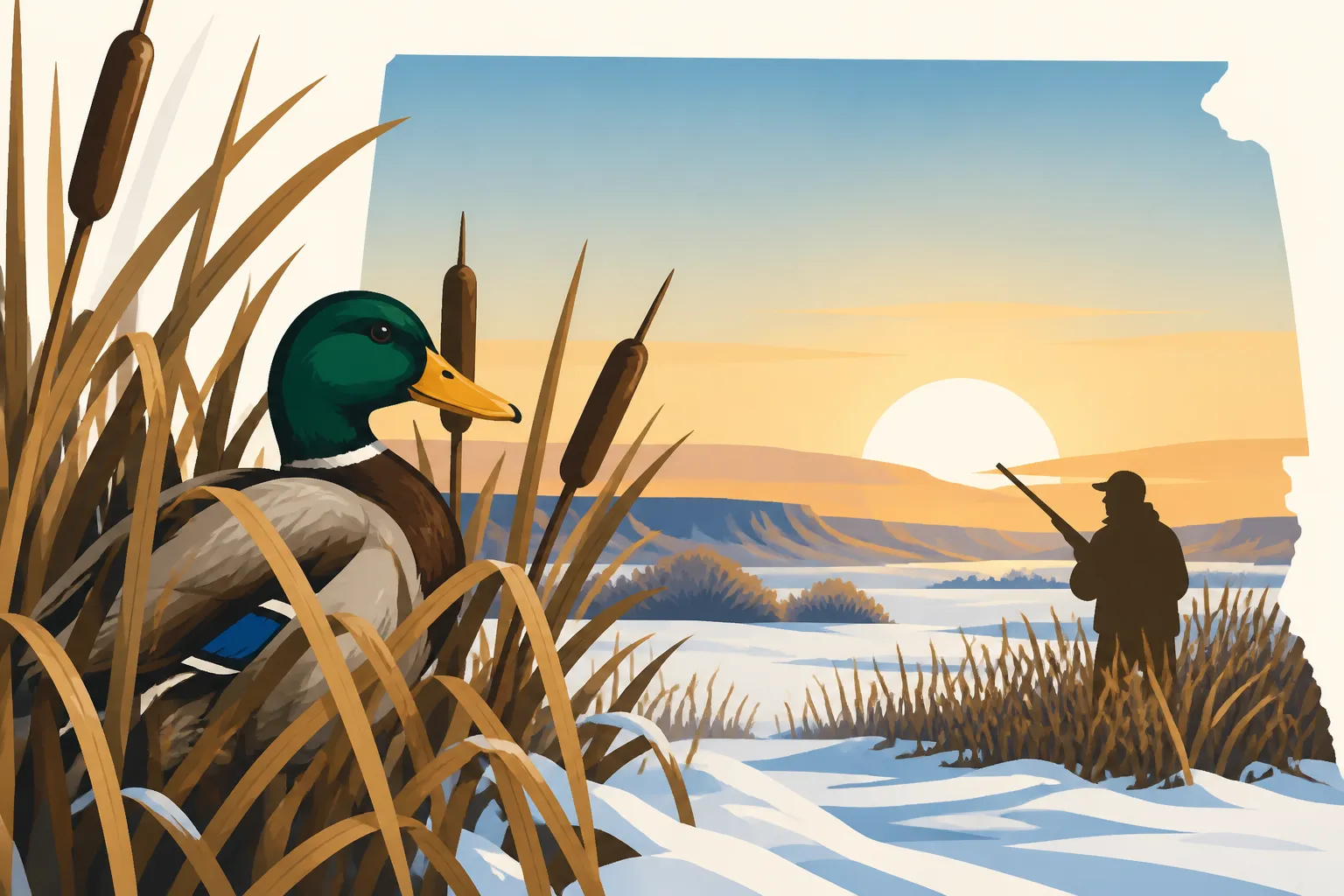
Cattail Sloughs as Winter Cover
Hunting in South Dakota during the late season can be brutally tough, especially when blizzards have blanketed the landscape and temperatures plummet. Many hunters find themselves wondering where the pheasants go when the easy cover is gone, and the answer, more often than not, lies deep within the impenetrable fortress of a cattail slough. This guide will take you through why these wetland havens are so critical for winter survival and how to approach them effectively.
The Indispensable Role of Cattail Sloughs in Winter Survival
When the golden waves of prairie grasses have been flattened by snow and the cornfields have been picked clean, ring-necked pheasants face an existential threat from the elements. This is where cattail sloughs become their ultimate sanctuary. These dense, often soggy, pockets of vegetation aren't just pretty scenery; they are vital, life-saving structures in the harsh South Dakota winter. Without them, pheasant populations would struggle immensely to survive the coldest months.
What Makes Cattails Such a Stronghold?
Imagine being a pheasant, weighing a couple of pounds, exposed to a 30 mph wind and temperatures hovering at zero degrees, plus a foot of snow on the ground. You need shelter, and fast. Cattail stands, especially the mature, robust ones found in many East River Prairie Pothole Country in South Dakota regions, offer a multi-layered defense against winter's fury. Their tall, rigid stalks create an incredible insulating canopy, breaking the wind and trapping warmth. The sheer density of these plants means a pheasant can burrow deep inside, almost creating a microclimate that is surprisingly hospitable compared to the open prairie. It’s like a natural, feathered fortress, almost impenetrable to the cold and the prying eyes of predators. The thicker the stand, the better the thermal cover, making these areas true survival hotspots.
Thermal Cover and Windbreak Capabilities
The primary function of a cattail slough in winter is to provide unparalleled thermal cover and act as a formidable windbreak. Each individual cattail stalk, when standing shoulder to shoulder with thousands of others, creates a complex matrix that simply stops the wind dead in its tracks. Instead of facing a direct gale, a pheasant deep within a slough experiences a dramatically reduced wind chill. Furthermore, the mass of dead and dying stalks, leaves, and accumulated debris on the ground acts like a thick blanket. It insulates the birds from the frozen ground and traps what little warmth the sun might provide, or even their own body heat. This is crucial for energy conservation, as pheasants expend massive amounts of calories just trying to stay warm when exposed. Without this kind of protection, a harsh winter storm can decimate a bird population in a matter of days. This makes understanding Cattail Sloughs as Winter Cover absolutely essential for hunters and conservationists alike.
Strategic Importance for Late-Season Hunting
For the hunter willing to brave the cold and put in the effort, understanding the magnetic pull of cattail sloughs is paramount for Late-Season Hunting in South Dakota Snow. When other cover types have been rendered useless, these thickets concentrate birds in predictable, albeit challenging, locations. This means that while the hunting might be physically demanding, the payoff can be incredibly rewarding. Knowing where to find the birds is half the battle, and in winter, that "where" is almost always a cattail slough.
Concentrating Birds in Predictable Locations
After a heavy snowfall or during a prolonged cold snap, pheasants don't wander far from reliable thermal cover. They gravitate towards the thickest, most protective cattail sloughs. This natural instinct to seek shelter means that if you locate a good cattail slough, especially one that also offers some residual food source nearby, you've likely found where the birds are holding. It's not uncommon to find a hundred or more birds packed into a relatively small slough, shoulder to shoulder, riding out a storm. This concentration makes them highly predictable targets, though not necessarily easy ones. The challenge shifts from finding birds spread across acres of land to figuring out how to effectively flush them from their dense sanctuary. Using tools like the GoHunt app can help identify these prime cover areas on aerial maps before you even step foot in the field, allowing you to prioritize your hunting efforts.
How Snowfall Enhances Slough Value
Snow isn't just a pretty backdrop; it actively increases the value of a cattail slough as winter cover. As snow falls, it accumulates on top of the dense cattail canopy, creating an additional layer of insulation. More importantly, the upright stalks prevent the snow from completely collapsing the cover, forming snow tunnels and pockets of open air at ground level where pheasants can find refuge. This "snow trapping" effect transforms a good slough into an even better one, providing enhanced protection from extreme cold and predators. A deep blanket of snow also eliminates most other available cover, forcing more birds into the sloughs, further concentrating them. This means that a slough that might have held a few birds in mild conditions could be absolutely loaded after a significant snowfall, making it a critical piece of the puzzle for South Dakota Ring-Necked Pheasants.
Effective Strategies for Hunting Cattail Sloughs
Hunting cattail sloughs in winter is not for the faint of heart, or those unprepared for a serious workout. It demands teamwork, persistence, and often, the right kind of dog. This isn't a casual stroll; it's a strategic operation designed to push birds out of their formidable winter fortresses. Success here is measured not just in birds in the bag, but in the sheer satisfaction of outsmarting pheasants in their toughest environment.
Pushing and Blocking Techniques
The most common and often most effective way to hunt a cattail slough is through a coordinated push-and-block strategy. This involves a line of "walkers" entering one end of the slough, moving slowly and methodically, while "blockers" are positioned at the other end, or along strategic escape routes. The goal is to flush the pheasants out towards the blockers, who are ready for flushing birds.
Walkers' Role: Walkers need to move slowly, almost painstakingly, pushing through the dense cattails. This isn't about speed; it's about thoroughly working every foot of cover. A zigzagging pattern can be more effective than a straight line, as it creates more commotion and covers ground more thoroughly. The thick cover will slow you down, but that slow, steady pressure is what makes birds eventually decide to flush. Expect to work hard; wading through waist-deep cattails and often muddy or icy water is physically exhausting. Communication among walkers is key, using whistles or hand signals to maintain alignment and pace. You might consider using the GoHunt app's mapping features to mark the boundaries of the slough and coordinate positions with your group, ensuring everyone knows their role.
Blockers' Role: Blockers are strategically placed, often on higher ground or along the edges where birds are likely to escape. This requires keen observation and an understanding of pheasant behavior. Birds will often run the length of a slough before flushing, or try to sneak out the sides. Blockers need to be patient and ready to react quickly when a rooster finally decides to go airborne. Positioning yourself quietly and remaining still is vital. Think about where the birds will want to fly – usually into more cover, or perhaps towards a nearby food plot. Understanding How Many Blockers a Field Needs for a specific slough can significantly increase your success rate.
The Critical Role of Dogs
Hunting cattail sloughs without a dog, especially a good flushing dog, is like trying to drive a nail with your bare hand – possible, but far from ideal. Dogs are indispensable for several reasons:
- Flushing Power: The sheer density of cattails makes it incredibly difficult for humans to push birds effectively. A powerful, determined flushing dog can blast through cover that a human struggles with, putting pheasants into the air that would otherwise hold tight or run out the back. Breeds like Labrador Retrievers or German Shorthaired Pointers excel in this environment, their drive and scenting ability invaluable.
- Retrieval: When a pheasant falls into the tangled mess of a cattail slough, finding it can be nearly impossible for a human. A well-trained retriever is a lifesaver, able to pinpoint and bring back downed birds from the thickest cover, preventing lost game. This is where dogs truly earn their keep, especially when you're cold, wet, and tired.
- Safety: Dogs can also help in navigating treacherous terrain within a slough, alerting hunters to deep water or unstable footing. They are an extra set of eyes and ears, adding to the overall safety of the hunt. Understanding the differences between Pointing Dogs Versus Flushers on Wild Birds is important, as flushers typically shine in thick cover like this. Don't forget their comfort either; keeping a dog warm and hydrated is key, especially during Flushing Dogs in Heavy Cattails or when facing harsh conditions.
Essential Gear and Safety Considerations
When venturing into cattail sloughs in winter, preparation is everything. The conditions can be unforgiving, and being ill-equipped can turn a challenging hunt into a dangerous one.
| Item | Purpose | Key Features for Slough Hunting |
|---|---|---|
| Waterproof Waders | Stay dry from soggy ground and standing water | Durable, insulated, good traction on soles |
| Layered Clothing | Regulate body temperature; remove layers when working hard, add when blocking | Moisture-wicking base, insulating mid, waterproof/windproof outer |
| Blaze Orange | Crucial for visibility and safety in dense cover and open country | Vest, hat, or full outerwear; highly visible from all angles |
| Sturdy Boots | Provide traction and support, especially in muddy/uneven terrain | Waterproof, ankle support, aggressive tread (even with waders) |
| Gloves & Hat | Prevent heat loss, protect hands from sharp cattails | Waterproof/insulated gloves, warm beanie |
| GPS/Mapping Device | Navigate dense cover, mark downed birds, coordinate with group | GoHunt app, handheld GPS with detailed topo/aerial maps |
| First Aid Kit | Address minor injuries (scratches, sprains, dog cuts) | Comprehensive, easily accessible |
| Dog Vest/Protection | Protect dogs from sharp stalks, aid visibility | Brightly colored, puncture-resistant, reflective |
| Water & Snacks | Stay hydrated and energized; this is a physically demanding hunt | Insulated water bottle, high-energy snacks |
Beyond gear, safety is paramount. Always let someone know your hunting plan, including your location and expected return time. Be mindful of frozen water; what looks like solid ice might be thin and dangerous. Maintain safe shooting lanes, especially with multiple hunters and dogs working through dense cover. The risk of Hypothermia Risk on Open Prairie is real, even when working hard, so avoid pushing yourself or your dogs to exhaustion without breaks and proper rewarming.
Conservation and Management of Cattail Sloughs
Cattail sloughs are natural treasures, not just for hunters but for the entire ecosystem. Their value extends far beyond providing winter cover for pheasants, supporting a diverse array of wildlife and playing a critical role in wetland health. Protecting and enhancing these areas is crucial for the long-term sustainability of South Dakota's outdoor heritage.
Beyond Pheasants: A Wetland Ecosystem
While pheasants certainly benefit greatly from cattail sloughs, they are just one piece of the intricate web of life these wetlands support. Many species of waterfowl, from ducks to geese, use cattails for nesting, brooding, and escape cover throughout the year. Muskrats build their lodges within them, and deer often find refuge in their dense cover, particularly in heavy snow. Songbirds, various amphibians, and countless invertebrates also call these areas home. They act as natural water filters, improving water quality and helping to mitigate floods by slowing water flow and absorbing excess moisture. Recognizing the broader ecological importance of these wetlands is key to fostering a holistic approach to conservation. It’s not just about one game species; it’s about a vibrant, healthy prairie ecosystem. The South Dakota Game, Fish and Parks often manages these areas as South Dakota Game Production Area Rules.
Threats to Cattail Sloughs and Conservation Efforts
Despite their obvious value, cattail sloughs face numerous threats. Agricultural conversion, drainage for development, and alterations to natural water cycles can all diminish or destroy these vital habitats. In some cases, overgrown, monoculture cattail stands can even reduce biodiversity by crowding out other plants and making the area less attractive for certain species.
Conservation efforts often focus on wetland restoration, ensuring that these crucial habitats are protected and, where possible, expanded. Programs that incentivize landowners to preserve and enhance wetlands, such as the Walk-In Area program, are essential. Understanding How Many Acres Are in Walk-In Areas helps appreciate the scale of these efforts. Managed burning or specific mowing regimes can help prevent cattail monocultures, promoting a more diverse plant community within the slough, which can further benefit pheasants by creating varied escape and foraging opportunities. Organizations like Pheasants Forever often work with landowners and state agencies to implement habitat improvements that directly benefit sloughs and surrounding upland areas, ensuring that these natural fortresses remain viable for generations to come. Even simply knowing how to use tools like the GoHunt app to identify these areas can help you support conservation by appreciating and advocating for their protection.
How Hunters Can Contribute
As hunters, we have a vested interest in the health of these ecosystems. Supporting conservation organizations, purchasing habitat stamps and licenses, and participating in volunteer efforts are all ways we can contribute. Furthermore, ethical hunting practices that respect the land and its resources play a crucial role. This includes retrieving all downed birds, minimizing disturbance to sensitive areas, and adhering to all regulations. By understanding the critical role of cattail sloughs, we can become better stewards of the land, ensuring that future generations can also experience the thrill of hunting pheasants in these unique South Dakota strongholds.
Disclaimer
This article is for general informational purposes only and does not constitute professional advice. Laws, prices and regulations vary by location and change over time. Consult a qualified professional for guidance on your specific situation.