South Dakota Ring-Necked Pheasants
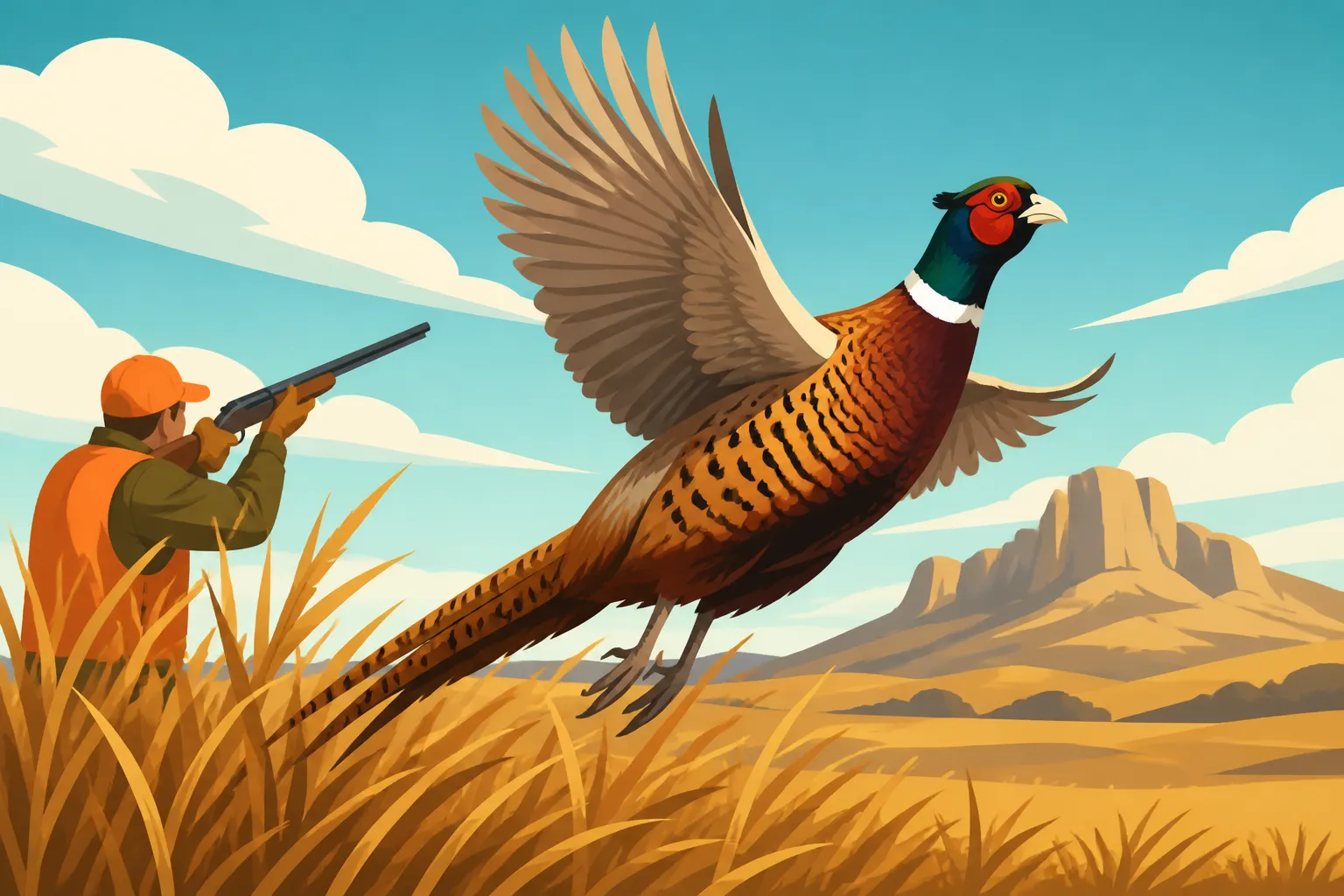
The anticipation of a South Dakota pheasant opener can be a mix of pure excitement and a little bit of dread. Will the birds be there? Will the cover be too thick or too sparse? It’s a challenge that draws hunters from across the globe, but understanding the ring-neck, its history, and its habitat is key to making your trip more rewarding. This comprehensive guide will dive deep into everything you need to know about pursuing these magnificent birds in the "Pheasant Capital of the World."
The Enduring Allure of South Dakota's Pheasants
South Dakota holds a legendary status in the world of pheasant hunting, and it’s not just hype. The sheer numbers of birds, coupled with the vast, diverse landscape, create an unparalleled experience that keeps hunters coming back year after year. It's more than just a hunt; it's a cultural phenomenon woven into the very fabric of the state.
Why South Dakota Became the Pheasant Capital
The story of the ring-necked pheasant in South Dakota is a fascinating tale of adaptation and ideal conditions. Introduced from Asia in the late 19th and early 20th centuries, these hardy birds found a perfect home in the state's agricultural landscape. The expansive fields of corn and small grains provided abundant food, while the thick sloughs, shelterbelts, and grasslands offered crucial nesting and winter cover. Unlike many native species struggling with habitat loss, pheasants thrived in this human-altered environment, quickly establishing robust populations. The efforts of early conservationists and landowners who understood their potential played a significant role, ensuring proper introductions and fostering breeding success. This incredible success story is why many still refer to it as the "Pheasant Capital."
Historical Context of Pheasant Populations
South Dakota's pheasant populations have seen their share of ups and downs over the decades, often mirroring changes in agricultural practices and weather patterns. The post-World War II era, with its booming agricultural economy, brought both challenges and opportunities for pheasants. Programs like the Conservation Reserve Program (CRP) in later years created millions of acres of prime nesting and wintering habitat, leading to historic pheasant booms. Hunters who experienced the late 1990s and early 2000s will remember incredible bird numbers. However, shifts in commodity prices and land use, such as the conversion of CRP back to row crops, have sometimes led to declines. Understanding this history helps us appreciate the resilience of these birds and the critical role habitat plays in their abundance. While the exact methodology has changed, hunters can still glean valuable insights from the annual harvest reports that replaced the formal brood count.
Unpacking Pheasant Biology and Behavior
To be a truly effective pheasant hunter, you need to think like a pheasant. Understanding their daily routines, their preferred cover, and how they react to pressure is often the difference between a bird in the bag and an empty vest. They’re smart, resourceful, and constantly adapting to their environment.
Daily Routines and Movement Patterns
Pheasants are creatures of habit, much like us, though their habits revolve around survival. Their day generally starts shortly after legal shooting hours, when they leave their nighttime roosts in dense cover like cattail sloughs or heavy grass. They move quickly to feeding areas – often stubble fields, corn food plots, or even picked soybean fields – to fill their crops. This morning feed is a crucial period, and it's why many hunters find success working these edges early on.
As the morning progresses and temperatures rise, especially on sunny days, pheasants will move into loafing cover. This could be a patch of thick weeds, a brushy draw, or a grassy fenceline near food. Here, they'll digest their meal, dust themselves, and often sunbathe, conserving energy. By late afternoon, they'll begin another feeding cycle before heading back to their heavy roosting cover just before dusk. Knowing these patterns helps you predict where birds will be at different times of the day, allowing you to maximize your efforts. For example, understanding Ten a.m. Start Times and Bird Behaviour can drastically change your hunting plans for the morning.
Preferred Habitat and Cover Selection
Pheasants are masters of utilizing diverse habitats, but they do have their favorites. During nesting season, hens seek out dense, undisturbed grasslands, often found in CRP fields or undisturbed road ditches, to lay their eggs. As summer turns to fall, the birds rely heavily on standing corn for both food and thermal cover. When the corn is picked, they move into other options.
Their winter survival, however, hinges on access to heavy, protective cover that shields them from blizzards and predators. This includes vast expanses of cattail sloughs, especially those with standing water that discourages predators, thick shelterbelts with multiple rows of trees and shrubs, and dense plum thickets. Without this crucial winter cover, even a mild winter can take a toll on the population. Hunters looking for strong numbers should always consider areas with a good mix of these cover types, ensuring food, nesting, and wintering habitat are all within close proximity. Finding Reading Aerial Imagery for Cattail Cover or knowing Cattail Sloughs as Winter Cover becomes incredibly important when scouting.
Evasion Tactics and Hunter Pressure
Pheasants have a few tricks up their sleeves when it comes to avoiding hunters. Their primary defense is their incredible ability to run. When pressured, especially in open cover, a rooster will often tuck its head and run like a sprinter, trying to get to heavier cover rather than flushing. This is particularly true for older, more experienced birds. They can weave through grass faster than you can walk, often circling back behind you or popping out far ahead.
Another common tactic is "holding tight." In extremely dense cover, a pheasant might sit perfectly still, hoping you walk right past it. This is where a good bird dog truly shines, sniffing out these hidden birds. When they finally do flush, it's often explosive and unexpected, designed to startle the hunter. Understanding these behaviors allows you to adjust your hunting style. For example, a slower, methodical walk with plenty of pauses can often cause running birds to hold up, or even flush. Also, recognizing Why Birds Run Instead of Flush is key to improving your success.
South Dakota Pheasant Population Dynamics and Management
The ebb and flow of pheasant numbers are a constant source of discussion among hunters. While no single factor is ever truly responsible, a combination of environmental conditions, agricultural practices, and management efforts all play a significant role. Understanding these dynamics helps set realistic expectations and highlights the importance of conservation.
Factors Influencing Population Health
Several interconnected factors directly impact South Dakota's pheasant populations. One of the most critical is winter severity. Prolonged periods of deep snow and extreme cold can lead to significant mortality, especially for hens and young birds, if they lack adequate thermal cover and food sources. Another major influence is spring weather. Cold, wet springs can decimate nesting success, washing out nests or leading to hypothermia in newly hatched chicks.
Habitat availability is perhaps the biggest long-term driver. Programs like CRP have been instrumental in providing millions of acres of crucial nesting and winter cover. However, when these lands are converted back to row crops due to economic pressures, pheasant populations inevitably suffer. The presence of predators, while always a factor, tends to have a more localized impact, whereas broad-scale habitat changes affect the entire state. Landowners who retain diverse cover, including food plots and dense winter areas, are vital to healthy pheasant numbers.
Monitoring and Surveying Pheasant Numbers
South Dakota's Game, Fish and Parks (GFP) department employs various methods to monitor pheasant populations, although the traditional roadside brood count was discontinued. Today, their approach is multifaceted, incorporating hunter harvest surveys, wing collection data from hunters, and roadside counts in specific areas. The harvest surveys provide an estimate of how many birds were taken, which is a key indicator of population size and hunter success. Wing collection data offers insights into the age and sex ratios of harvested birds, which can help assess reproductive success from the previous spring.
While the old, statewide roadside brood survey provided a direct snapshot of young birds, its discontinuation was largely due to concerns about its accuracy and representativeness across varied landscapes. Now, GFP relies on a combination of these other metrics to build a comprehensive picture of the population. Although it might feel less direct to hunters, these methods still provide valuable data that informs season setting and management decisions. You can learn more about What Replaced the Pheasant Estimate for a deeper understanding.
The Impact of Land Use and CRP Acres
The relationship between South Dakota's pheasants and agricultural land use, particularly the CRP program, cannot be overstated. When CRP acres were at their peak, providing millions of acres of undisturbed grassland, pheasant numbers soared. These fields offered ideal nesting cover, protection from predators, and a buffer against harsh weather. However, as commodity prices for corn and soybeans increased, many CRP contracts were not renewed, and these crucial grasslands were tilled under for crop production.
The loss of CRP habitat directly correlates with declines in pheasant populations. Less undisturbed nesting cover means fewer successful broods. Less dense winter cover means higher mortality during severe winters. This direct link highlights the constant tension between agricultural economics and wildlife habitat. Efforts to enroll new acres in conservation programs or incentivize landowners to maintain diverse cover are critical for the long-term health of the state's pheasant populations. Many hunters use mapping tools like GoHunt to identify potential CRP tracts or other conservation lands when planning their hunts.
Prime South Dakota Pheasant Habitat Types
Knowing where pheasants live is half the battle. South Dakota's landscape offers a mosaic of cover types, each playing a vital role in the life cycle of the ring-neck. Understanding these habitats allows hunters to focus their efforts where birds are most likely to be found.
Cattail Sloughs and Wetlands
Cattail sloughs are absolute pheasant magnets, especially later in the season when other cover has been flattened or harvested. These dense, often impenetrable wetlands provide incredible thermal protection from brutal winter winds and deep snow, as well as excellent escape cover from predators. Many hunters believe the thicker and wetter the slough, the better, as it deters coyotes and other ground predators. Pushing these sloughs can be incredibly challenging work, often requiring hip waders or chest waders, but the reward of a flushing rooster makes it all worthwhile.
However, hunting cattails requires strategic planning. Birds often hold incredibly tight, and a slow, deliberate pace is essential. You might even consider having blockers strategically placed at the end or along the edges of the slough to intercept birds that try to run out. Learning Walking and Blocking South Dakota Cattail Sloughs will significantly improve your odds in these areas.
Shelterbelts and Tree Rows
Shelterbelts, those long lines of trees and shrubs planted around farmsteads and fields, are another crucial habitat type for pheasants. They offer protection from wind, thermal cover in winter, and a travel corridor between different habitat patches. Older, multi-row shelterbelts with a dense understory of brush and weeds are particularly valuable. Birds will use them for loafing during the day, especially on cold or windy days, and for escape cover when pressured from open fields.
Hunting shelterbelts often involves walking them out with dogs, pushing birds from one end to the other. Be mindful that birds can and will slip out the sides if given an opportunity, so having hunters spaced out along the sides can be beneficial. These areas can be especially productive on windy days, as pheasants seek refuge from the elements. Knowing Working South Dakota Shelterbelts for Roosters can lead to some exciting flushes.
Grasslands and CRP Fields
Vast expanses of native prairie and managed grasslands, particularly those enrolled in the Conservation Reserve Program (CRP), are the backbone of pheasant nesting success and provide excellent early-season hunting opportunities. These fields offer crucial nesting cover for hens in the spring and dense security cover for broods throughout the summer. In the early fall, before heavy snows arrive, these grasslands are prime areas to find birds.
Hunting these fields often involves long walks, covering a lot of ground with dogs. The key is to work them thoroughly, as birds can hold tight or run ahead. The density and height of the grass can vary significantly, impacting how birds behave and how effectively dogs can work. It’s also important to be aware of the exact boundaries of these areas, especially when Hunting South Dakota Walk-In Areas, which are often comprised of CRP or other managed grasslands.
Food Plots and Corn Edges
Food plots, whether planted specifically for wildlife or simply the edges of a farmer's cornfield, are undeniable draws for pheasants. Corn provides a high-energy food source, essential for birds to build fat reserves for winter, and standing corn offers excellent protective cover. As fields are harvested, pheasants often concentrate in remaining unharvested corn, food plots, or even the unpicked rows along field edges.
Hunting these areas requires a strategic approach. Birds in standing corn can be incredibly difficult to flush, often running deep into the field. Working the edges where corn meets other cover types, such as a grass ditch or a brush line, can be highly productive. On picked fields, birds will quickly move into the nearest heavy cover, so understanding their escape routes is key. Many hunters find success in Hunting Food Plots and Corn Edges particularly in mid-season.
| Cover Type | Description | Best Hunting Time | Pros for Pheasants | Challenges for Hunters |
|---|---|---|---|---|
| Cattail Sloughs | Dense, often wet, reedy areas | Late Season, Winter | Excellent thermal & escape cover, predator deterrent | Extremely tough walking, can require waders, birds hold tight |
| Shelterbelts | Rows of trees & shrubs | Mid to Late Season | Wind break, thermal cover, travel corridors | Birds can slip out sides, require strategic blocking |
| Grasslands/CRP | Tall native or planted grasses | Early to Mid Season | Prime nesting, brood-rearing, security cover | Long walks, birds can run or hold tight, difficult for dogs in dense grass |
| Food Plots/Corn | Standing corn, milo, or other grains | Early to Mid Season | Abundant food, dense cover | Birds can run deep into fields, hard to flush, limited access post-harvest |
Effective Hunting Strategies for South Dakota Ring-Necks
South Dakota pheasants demand a blend of patience, persistence, and strategic thinking. There’s no single "best" way to hunt them, as conditions and bird behavior can change daily. Successful hunters adapt their approach to the cover, the weather, and the birds themselves.
Walking and Blocking Techniques
One of the most classic and effective methods for hunting pheasants, especially in larger fields or dense cover, is the walk-and-block strategy. This involves a line of walkers pushing through a field, driving birds towards a group of "blockers" strategically positioned at the end or along the sides of the cover. Walkers need to maintain a consistent line and pace, pushing birds forward rather than letting them circle back. The pace should be slow enough for dogs to work effectively but fast enough to keep birds moving.
Blockers are crucial. They need to be concealed and ready, as birds will often flush wild when they hit the end of the cover, or try to sneak out the sides. The key to success is communication and understanding the layout of the field. This method is particularly effective for Pushing a Cattail Slough With Blockers or large grass fields.
Utilizing Bird Dogs Effectively
A good bird dog is often considered the ultimate tool for pheasant hunting, turning a challenging pursuit into a truly memorable experience. Pointers, flushers, and versatile breeds all have their strengths. Flushers, like Springer Spaniels or Labs, excel at systematically working cover and getting birds into the air, often in dense vegetation where birds prefer to run. Pointers, such as German Shorthairs or Brittanys, offer a different experience, locking up on scent and giving hunters time to position for the flush.
Regardless of breed, a well-trained dog covers ground efficiently, finds birds hunters would otherwise miss, and excels at retrieving downed birds, minimizing crippling loss. However, it's vital to keep your dog cool, hydrated, and protected from burrs, especially on early-season hunts. Considerations like Keeping a Dog Cool on an Early Opener are paramount for your dog's safety and effectiveness.
Adapting to Weather and Season Changes
Pheasant hunting in South Dakota means being prepared for anything Mother Nature throws your way. Early season hunts in October often mean mild temperatures, less dense cover, and younger birds that might be more willing to flush. As the season progresses into November and December, conditions can become much harsher. Cold temperatures, wind, and snow significantly impact bird behavior.
In cold, windy conditions, pheasants will seek the densest thermal cover available, often concentrating in cattail sloughs, thick shelterbelts, or deep draws. They become much harder to push out and will hold tighter, preferring to sit rather than flush. Understanding Late-Season South Dakota Pheasants in Heavy Cover is crucial for success during these times. Hunters need to adjust their tactics, slow their pace, work cover more thoroughly, and be prepared for explosive flushes when birds finally decide to fly. Dressing in layers and wearing appropriate Boots for Walking Cattails All Day are essential for hunter comfort and safety.
Essential Gear and Preparation for Your Hunt
Being well-equipped and prepared is not just about comfort; it's about safety and maximizing your chances of success in the field. From your shotgun to your footwear, every piece of gear plays a role in a successful South Dakota pheasant hunt.
Shotgun and Ammunition Choices
For South Dakota pheasants, a 12-gauge or 20-gauge shotgun is generally the most popular choice, offering a good balance of power and maneuverability. Many hunters prefer a 12-gauge for the extra pellet count and knockdown power, especially on longer shots at roosters. A modified or improved cylinder choke is often ideal for most pheasant hunting scenarios, providing a good pattern density at typical flushing ranges. Some hunters prefer a tighter choke like full or improved modified for blockers or later in the season when birds tend to flush further out.
As for ammunition, high-brass loads with shot sizes ranging from #4 to #6 are standard. #5 shot is a versatile choice, offering a good compromise between pellet count and energy. Make sure you bring plenty of shells – it's always better to have too many than too few! Always double-check local regulations regarding shot size and material, though lead shot is generally permissible for upland birds in South Dakota.
Clothing and Footwear Considerations
Comfort and protection from the elements are paramount. South Dakota weather can be unpredictable, often changing dramatically within a single day. Layering is key: start with a moisture-wicking base layer, add insulating layers (fleece or down), and top it with a durable, waterproof and windproof outer shell. Blaze orange is a legal requirement and a critical safety measure, so ensure you have a vest or hat that meets the visibility standards.
Footwear is arguably the most important piece of clothing for a pheasant hunter. You'll be walking miles, often through tough, abrasive cover and possibly water. Comfortable, waterproof, and durable boots with good ankle support are non-negotiable. Many hunters opt for chest waders or hip boots when tackling the deep cattail sloughs. Don't forget durable upland pants or chaps to protect your legs from thorns, burrs, and abrasive stubble.
Navigation and Communication Tools
While hunting the vast expanses of South Dakota, having reliable navigation and communication tools is critical, especially when working fields away from your vehicle. A GPS device or a mapping app on your smartphone, like those offered by GoHunt or onX, is invaluable for tracking your location, marking downed birds, and staying within property boundaries. These apps can often show public hunting land designations, such as Walk-In Areas or Game Production Areas, helping you stay legal and find prime spots. You can learn more about onX Layers for South Dakota Land Status to get started.
Additionally, carrying a fully charged cell phone (though service can be spotty in remote areas) and a two-way radio for communication within your hunting party can be lifesaving. A small first-aid kit, a whistle, and a headlamp are also smart additions to your pack. Always leave a trip plan with someone not on the hunt, detailing your intended hunting area and expected return time.
Conservation Efforts and the Future of Pheasant Hunting
The future of pheasant hunting in South Dakota isn't something to be taken for granted. It’s a direct result of ongoing conservation efforts, habitat management, and the dedication of hunters and landowners alike. Protecting this legacy requires continuous effort and adaptation.
Habitat Programs and Landowner Incentives
The backbone of South Dakota's pheasant population is habitat. Various federal and state programs, such as CRP, CREP (Conservation Reserve Enhancement Program), and the South Dakota Game, Fish and Parks' own Walk-In Area program, incentivize landowners to maintain or restore vital pheasant habitat. These programs often provide financial assistance to convert marginal cropland back to grass, plant shelterbelts, or manage wetlands. Without these initiatives, much of the crucial cover that pheasants rely on would simply not exist.
Hunters contribute directly to these programs through the purchase of licenses and the South Dakota Habitat Stamp. These funds are reinvested into habitat projects, creating a cyclical benefit where hunters support the very resource they enjoy. Many landowners are keen to work with hunters who respect their land and follow regulations, fostering a positive relationship between agriculture and wildlife.
The Role of Hunter Contributions
Every hunter who purchases a South Dakota hunting licence and a Habitat Stamp is directly contributing to the conservation of pheasants and other wildlife in the state. The revenue generated from these sales goes directly to funding habitat acquisition, management, and research efforts by the GFP department. This "user-pays, user-benefits" model is a cornerstone of wildlife conservation in North America.
Beyond financial contributions, hunters also act as citizen scientists, providing valuable data through harvest surveys and wing collections. Their presence in the field also provides an economic boost to rural communities, supporting local businesses, hotels, and restaurants. The passion and dedication of pheasant hunters are a powerful force for ensuring the future of this iconic game bird.
Challenges and Future Outlook
Despite the successes, South Dakota's pheasant populations face ongoing challenges. Fluctuations in commodity prices can lead to the loss of habitat as conservation lands are converted back to agriculture. Climate change brings unpredictable weather patterns, including more extreme winters or drought conditions, which can stress bird populations. Disease outbreaks, though less common, also pose a threat.
The future outlook for South Dakota pheasants depends largely on continued investment in habitat, innovative conservation strategies, and strong partnerships between state agencies, landowners, and hunters. Efforts to maintain and expand diverse, high-quality habitat, particularly winter cover and nesting grasslands, will be critical. Educating new generations of hunters and fostering an appreciation for conservation are also essential to ensure that the thrill of a South Dakota rooster flush remains a tradition for years to come.
Disclaimer
Please remember that hunting regulations, seasons, and licensing requirements can change. Always consult the most current South Dakota Game, Fish and Parks regulations before planning any hunting trip. This information is intended for educational and informational purposes only and should not be considered legal advice.