Pointing Dogs Versus Flushers on Wild Birds
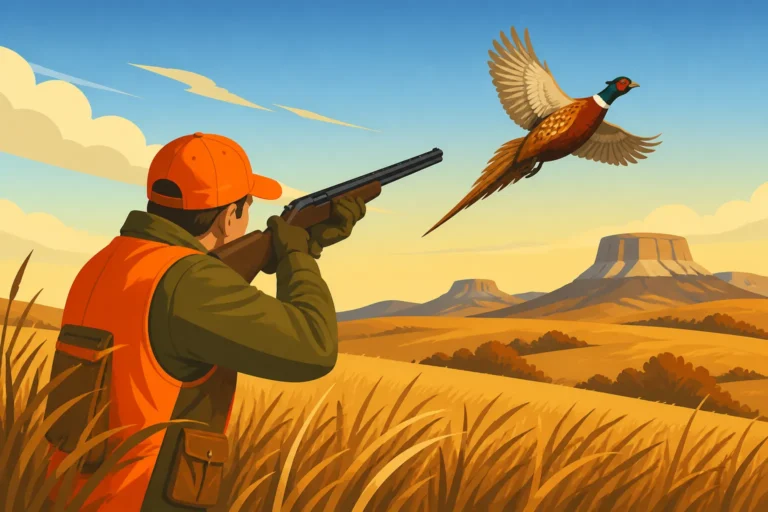
Choosing the right hunting dog for South Dakota's wild pheasants can feel like trying to pick between two equally tempting paths in a maze. Hunters often grapple with the classic pointing dog versus flushing dog dilemma, each offering a distinct style and set of advantages that can either make or break a day in the field, especially when dealing with those notoriously wily wild birds. This comprehensive guide will help you understand the nuances of each dog type, how they perform in South Dakota's diverse cover, and ultimately, which might be the best fit for your hunting style and expectations.
Understanding the Core Differences in Dog Styles
At its heart, the choice between a pointer and a flusher comes down to understanding their innate instincts and how those instincts translate into their hunting approach. Both are incredible athletes with an insatiable desire to find birds, but they go about it in fundamentally different ways that have evolved over centuries of selective breeding.
The Pointing Dog's Instinct
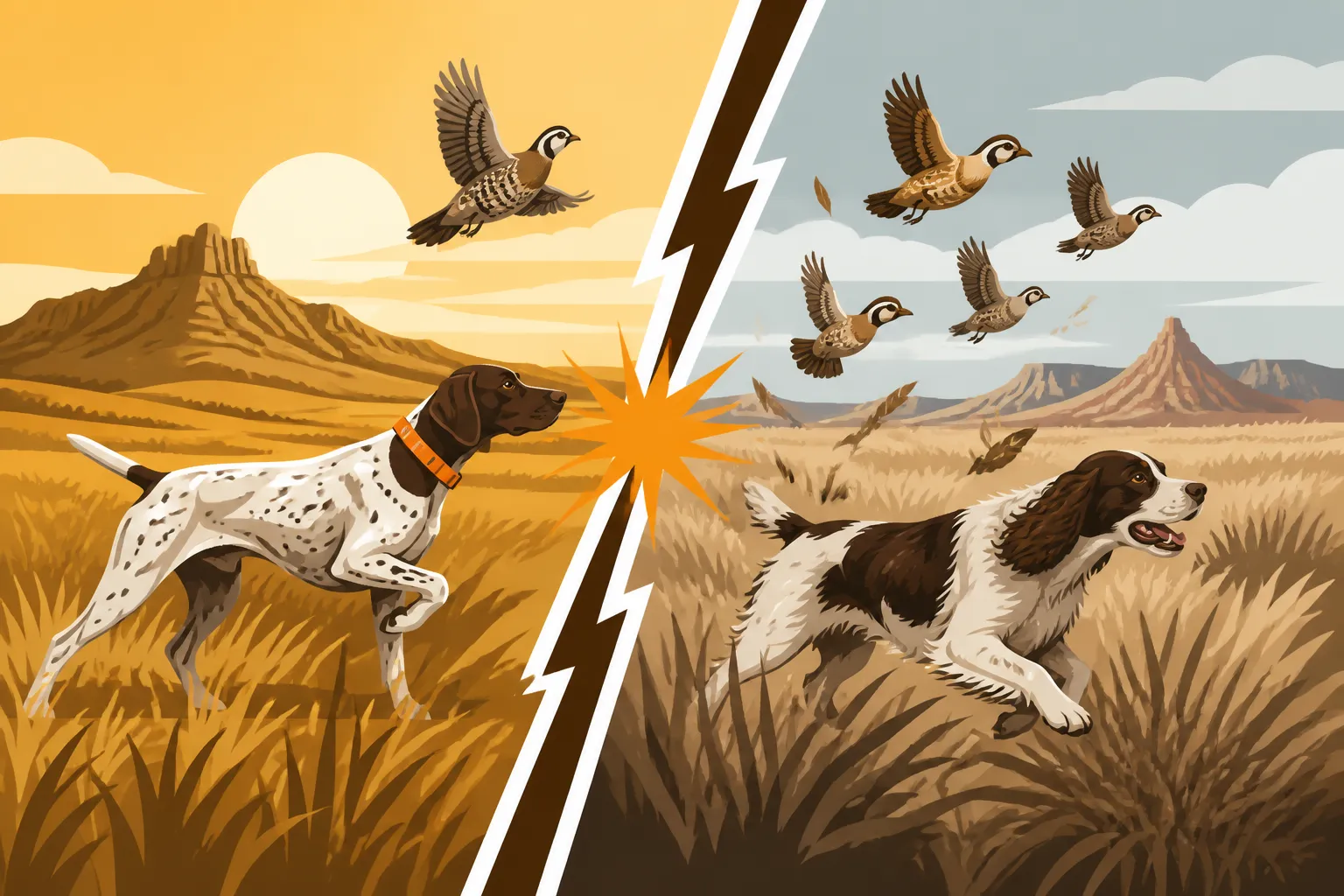
Pointing dogs, breeds like German Shorthaired Pointers, English Pointers, Brittanys, and Setters, are bred to locate game birds and then freeze upon scenting them, indicating the bird's precise location with an intense, statuesque stance. This "point" is a moment of pure anticipation, allowing the hunter to walk in, prepare for the flush, and get a shot at a bird that, ideally, hasn't yet been disturbed. This style often leads to higher-quality, more controlled flushes, which can be particularly appealing to hunters who value a deliberate pace and maximum shot opportunities. The dog holds the bird, giving you time to position yourself and your hunting partners for the best possible approach. It’s a classic, almost cinematic hunting experience, but it relies heavily on the dog's steadiness and the bird's willingness to hold.
The Flusher's Drive
In stark contrast, flushing dogs, such as Labrador Retrievers, English Springer Spaniels, and Cocker Spaniels, are bred to methodically work through cover, pushing game birds into the air within shooting range. Their goal isn't to hold the bird but to get it moving. These dogs are typically characterized by their relentless drive, strong noses, and boundless energy, covering ground with an almost frantic enthusiasm. They excel at rooting out birds that might otherwise sit tight, forcing them into the open. This action-oriented approach can be incredibly effective in dense cover where birds prefer to run rather than flush, or when you need to cover a lot of ground quickly. It often means fast-paced hunting, with birds potentially exploding out of cover at unexpected moments, requiring quick reflexes and good shotgun skills.
Advantages and Disadvantages of Pointing Dogs in South Dakota
South Dakota offers a unique blend of open prairie, dense cattails, and various crop fields. How a pointing dog performs here is largely dependent on the specific habitat and, frankly, the individual bird's mood.
The Art of the Point and Ethical Shooting Opportunities
There's nothing quite like watching a well-trained pointing dog lock up solid on a pheasant, tail high, body rigid, nose directed right at the bird. This magnificent display gives hunters ample time to advance, often allowing for a more controlled flush and therefore a more ethical, cleaner shot. In the more open stubble fields, CRP grass, or even sparse shelterbelts found across counties like McPherson or Edmunds, a pointer can really shine. The bird has fewer places to run and is more likely to hold, leading to those picture-perfect moments. When hunters can walk in calmly, with their gun mounted and ready, the chances of a clean kill improve dramatically. This also allows for better communication within a hunting party, ensuring everyone is aware of the bird's general location before the flush.
However, this ideal scenario isn't always a guarantee. The vastness of the prairie and the unpredictable nature of wild South Dakota pheasants mean that even the best point can be spoiled by a running rooster. A bird might hold for a pointer beautifully in a small patch of grass, only to sprint ahead once the hunter starts moving in, leading to a long shot or a lost opportunity. This requires the dog to be "steady to flush and shot," meaning it must remain pointed or sit until released, even after the bird has flown and shots have been fired. Training for this level of discipline is crucial for the pointing dog's effectiveness and the hunter's success.
The Challenges of Patient Dogs in Heavy Cover
While majestic in open fields, pointing dogs can face significant challenges in the notorious heavy cover found in South Dakota, such as the dense cattail sloughs or thick plum thickets that often line river bottoms in areas like the Missouri River corridor. In these environments, pheasants are masters of evasion, preferring to run through the tangled vegetation rather than hold for a point. A pointer might lock up, only for the bird to skitter silently away, creating a false point or forcing the hunter to push through incredibly dense cover only to find an empty spot.
This can be frustrating for both dog and hunter. The dog expends energy pointing birds that often aren't there when the hunter arrives, and the hunter is left wondering if they missed an opportunity or if the bird was never truly there to begin with. Furthermore, the sheer physicality of working through these thick areas can be tough on a pointer, which might not be built with the same dense coat or muscular frame as some flushing breeds. For late-season South Dakota pheasants in heavy cover, where birds are even more reluctant to fly, a pointer's patience can be severely tested. The dog needs to be able to bust through tangled messes, yet still have the presence of mind to switch back to a careful point when a bird does decide to hold.
Advantages and Disadvantages of Flushing Dogs on the Prairie
Flushing dogs are often considered the workhorses of pheasant hunting, particularly in South Dakota where "making birds fly" is a key part of the strategy. Their no-nonsense approach often yields results, but it comes with its own set of trade-offs.
Maximizing Flushes and Covering Ground
One of the biggest advantages of a flushing dog is its sheer effectiveness in getting birds into the air, especially those roosters that would rather run a marathon than flush. Breeds like Labradors, with their powerful builds and boundless stamina, are ideal for pushing through dense cover, from sprawling grasslands to corn rows and even heavy cattail sloughs. Their job is simple: find the bird, get it up, and bring it back. This aggressive, thorough approach can turn an unproductive field into a flurry of activity, ensuring that every corner and clump of cover is worked.
For hunters who enjoy a fast-paced hunt and want to maximize the number of birds encountered, a flusher is hard to beat. They are relentless, often covering ground rapidly and efficiently, making them excellent choices for Working South Dakota Shelterbelts for Roosters or even Pushing a Cattail Slough With Blockers. Their strong retrieve drive also means fewer lost birds, a critical factor for ethical hunting. With a good flusher, you know that if a bird is in the area and within range, there’s a high likelihood it will be put to wing.
Managing the "Run-and-Gun" Mentality
While flushers excel at getting birds up, their very nature can also lead to challenges. The "run-and-gun" mentality often means birds flush quickly and sometimes unexpectedly, giving hunters less time to react. You might be walking along, admiring the scenery, when suddenly a rooster erupts from under your dog's nose, offering a fleeting shot opportunity before it rockets away. This requires hunters to be constantly alert, gun-ready, and quick on the draw. For hunters who prefer a more relaxed pace or those less experienced with quick, instinctive shooting, this can lead to missed birds or, worse, unsafe shooting situations if they aren't prepared.
Furthermore, a flusher's eagerness can sometimes get the better of it. An untrained or over-eager flusher might range too far, flushing birds out of gun range, or even "bust" birds that a pointing dog might have held, causing them to fly prematurely. This is why controlled flushing is so important. A well-trained flusher should work within gun range, responding to commands to stay close and adjust its pace. This control is especially vital when Hunting Food Plots and Corn Edges where birds can often sneak out the back of the cover if the dog ranges too wide.
Matching Dog Style to South Dakota Cover and Hunting Methods
The vast and varied landscapes of South Dakota are truly the pheasant hunter's paradise, but different covers demand different dog work. Understanding these nuances is key to maximizing your success and your dog's performance. Using tools like GoHunt's mapping features can really help you scout different cover types remotely, giving you a head start on planning your dog's workday.
Open Grasslands and Shelterbelts
In the sweeping, often dry grasslands and smaller shelterbelts of West River South Dakota, pointing dogs can find their stride. The relative openness allows them to range wider, scenting birds from a distance and establishing a firm point without fear of losing the bird in impenetrable cover. In these scenarios, a pointing dog provides a thrilling experience, allowing hunters to anticipate the flush and execute a deliberate shot. The birds here often have less immediate escape cover, making them more likely to hold. Think about those extensive CRP fields in areas like the Fort Pierre National Grassland, where a pointer can cover ground efficiently and honorably.
However, flushers also have their place here. A methodical flusher can systematically clear a block of grass or a long shelterbelt, ensuring no birds are left behind. While a pointer might hold a few, a good flusher will ensure that every rooster gets up, especially those tricky ones that try to sneak out the ends. This is particularly true when you're Working South Dakota Shelterbelts for Roosters and need a dog that will push all the way through to the very end of the cover.
Thick Cattails and River Bottoms
When you venture into the dense, often muddy cattail sloughs or the tangled river bottom timber found along the James River or other East River drainages, the game changes dramatically. This is where flushing dogs truly come into their own. Their physical robustness, unyielding drive, and natural tendency to crash through heavy cover are perfectly suited for rooting out pheasants that would rather swim or run than fly. A pointing dog, while perhaps able to get a point, would struggle to push through the cover to get to the bird, or the bird would simply run out the other side.
In these environments, a flusher acts like a four-legged bulldozer, forcing birds to take flight. This is particularly useful when you're thinking about Flushing Dogs in Heavy Cattails where birds can be incredibly difficult to dislodge. The disadvantage for a pointer here is that a bird might run for hundreds of yards before finally flushing, making the point useless or turning into a chase. Flushers are also often more tolerant of the cold water and icy conditions that can plague these wetlands in the late season, making them ideal for retrieving downed birds from frozen sloughs.
Hunting Pressure and Bird Behavior Considerations
South Dakota pheasants are smart, and they get smarter as the season progresses and they experience more hunting pressure. Early in the season, during the South Dakota pheasant opener, birds might hold tighter, making both pointers and flushers effective. But by late season, birds are skittish, running at the first hint of pressure, often preferring to escape on foot. This is where the choice of dog can really matter.
Highly pressured birds are more likely to run from a point, nullifying the pointing dog's advantage. In these situations, a hard-charging flusher can be more effective at forcing a bird to fly before it can escape. On the flip side, some hunters argue that a stealthier pointer might get into position without alerting the birds as much as a noisy flusher crashing through cover. It truly depends on the specific field and the level of pressure. For hunters looking to Hunting Pressure Patterns on Walk-In Areas, understanding how birds react to different dog styles can provide a significant edge.
Here's a quick comparison of how each dog type generally performs across different South Dakota cover types:
| Feature/Cover Type | Pointing Dog | Flushing Dog |
|---|---|---|
| Open Grasslands (CRP) | Excellent: Wide range, solid points, controlled flushes. | Very Good: Thorough coverage, forces all birds up, efficient. |
| Shelterbelts (Light) | Good: Can point, but birds may run the length of the belt. | Excellent: Systematically clears, drives birds out ends. |
| Corn/Food Plots | Fair to Good: Birds run, difficult to hold. Needs close work. | Excellent: Drives through rows, forces flushes. |
| Cattail Sloughs (Dense) | Poor: Birds run, difficult to penetrate, false points. | Excellent: Powerful, relentless, forces flushes in thickest cover. |
| Plum Thickets/Timber | Poor: Very difficult to penetrate, birds escape unseen. | Very Good: Pushes through, gets birds moving, strong retrieve. |
| Bird Handling | Holds bird for shot setup, calmer retrieves. | Fast flushes, aggressive pursuit, quick retrieves. |
| Energy Level | High, but often controlled and patient. | Very High, often relentless and always moving. |
| Ideal Hunt Pace | Deliberate, strategic, calm. | Fast, active, high-action. |
Training Philosophies for Wild South Dakota Birds
No matter which dog type you choose, proper training is paramount, especially when hunting the challenging wild birds of South Dakota. The wild pheasant is a different beast entirely from pen-raised birds, demanding a higher level of discipline and adaptability from your canine companion.
Developing Steadiness for Pointers
For a pointing dog, the entire training philosophy revolves around developing absolute steadiness. This means steadiness to wing, shot, and fall. When a bird flushes, the dog must remain frozen on point or sit, not breaking until released by the handler, even after the shot. This is a crucial safety component and ensures controlled shot opportunities. Training starts with basic obedience, then moves to introducing birds in controlled environments, gradually increasing distractions and temptations. It requires immense patience and consistency from the handler.
In South Dakota, a pointer's steadiness is tested by birds that run, false points, and the sheer volume of scent. You need a dog that won't creep on a running rooster or bust a covey of pheasants when it hears another gun go off. This meticulous training allows for those ideal shot opportunities and makes the hunt safer. It's a long-term commitment, but the reward is a beautiful, strategic hunt where the dog works with you, not just for you. For more specific insights into this, look into guides on Pointing Dogs on Wild South Dakota Roosters.
Harnessing Controlled Chaos for Flushers
With flushing dogs, the training challenge is to harness their innate drive and chaos into a controlled, productive hunting machine. The goal is to encourage their aggressive bird-finding behavior while teaching them to work within gun range and to respond instantly to commands like "heel," "whoa," or "here." A flusher that ranges too far or ignores commands is a liability, flushing birds out of range or creating dangerous situations. Training focuses heavily on quartering patterns, whistle commands, and a rock-solid retrieve.
A well-trained flusher is a marvel to behold – systematically covering ground, driving birds out of thick cover, and retrieving downed game with enthusiasm. For example, when you’re Working Food Plots at Midday, you need a flusher that will sweep through the plot efficiently, pushing birds forward rather than letting them slip out the sides. It’s about channeling their natural energy into focused action. This controlled chaos is what makes them so effective in South Dakota's heavy cover, ensuring that while they might be aggressive, they are also cooperative and safe hunting partners. You'll want to ensure they're trained for retrieves in water and land, as you'll encounter both in South Dakota. You also have to consider things like Dog Water and Burrs on the Prairie, and ensuring your dog is comfortable navigating rough terrain.
The Hybrid Approach and Cross-Training
Sometimes, the best solution isn't one or the other, but a blend. Many hunters in South Dakota find themselves wishing their dog could do a little of both, leading to discussions about versatile breeds or cross-training.
Blending Instincts for Versatility
The idea of a "versatile" hunting dog, often referred to as an "all-arounder," is deeply appealing to hunters who chase multiple species or encounter varied terrain. Breeds like the German Shorthaired Pointer, Wirehaired Pointing Griffon, or Pudelpointer are often categorized this way, possessing strong pointing instincts alongside natural retrieving abilities and a drive to flush if needed. These dogs can adapt to different situations, pointing birds in open country but then aggressively flushing out stubborn roosters from heavy cover. This versatility can be a huge asset in South Dakota, where you might hunt open grasslands in the morning and transition to a cattail slough in the afternoon.
However, it's important to remember that while these breeds have the potential for versatility, it still requires significant training and exposure to develop both skill sets. They might not be as specialized as a pure pointer or a pure flusher in their respective strengths, but they offer a great compromise for the hunter who wants a single dog capable of handling most situations. It often means accepting that they might not point with the intensity of an English Pointer, nor flush with the brute force of a Labrador, but they do a very good job at both.
Personal Preference and the Hunting Experience
Ultimately, the choice between a pointing dog and a flushing dog, or even a versatile breed, comes down to personal preference and the kind of hunting experience you cherish most. Do you prefer the methodical, strategic approach where you walk into a pointed bird, savoring the anticipation? Or do you thrive on the high-energy, fast-paced action of birds exploding from cover, requiring quick reflexes and a dog that never quits?
There's no single "best" dog for South Dakota pheasants. The best dog is the one that fits your hunting style, your physical capabilities, and the amount of time and dedication you can put into training. Some hunters simply love the companionship and drive of a Labrador, while others are captivated by the elegance and precision of a Shorthair. Before making a decision, consider not just the dog's capabilities but also your own hunting philosophy. GoHunt provides a lot of resources for scouting and understanding game behavior, which can also influence how you think about your dog's role in the hunt. For instance, if you're planning to focus on South Dakota Pheasant Hunting Tactics for the Opener, you might find that birds hold tighter early on, making a pointer more effective. But later in the season, a flusher might be a better choice for working tougher cover. It's a personal journey, and the right dog will make every moment in the field more memorable.
Disclaimer
Always consult the latest South Dakota Game, Fish and Parks regulations for current hunting seasons, licensing requirements, and specific rules regarding dog use in the field. Hunting involves inherent risks, and safety should always be your top priority. This guide is for informational purposes only and does not endorse illegal or unsafe hunting practices.