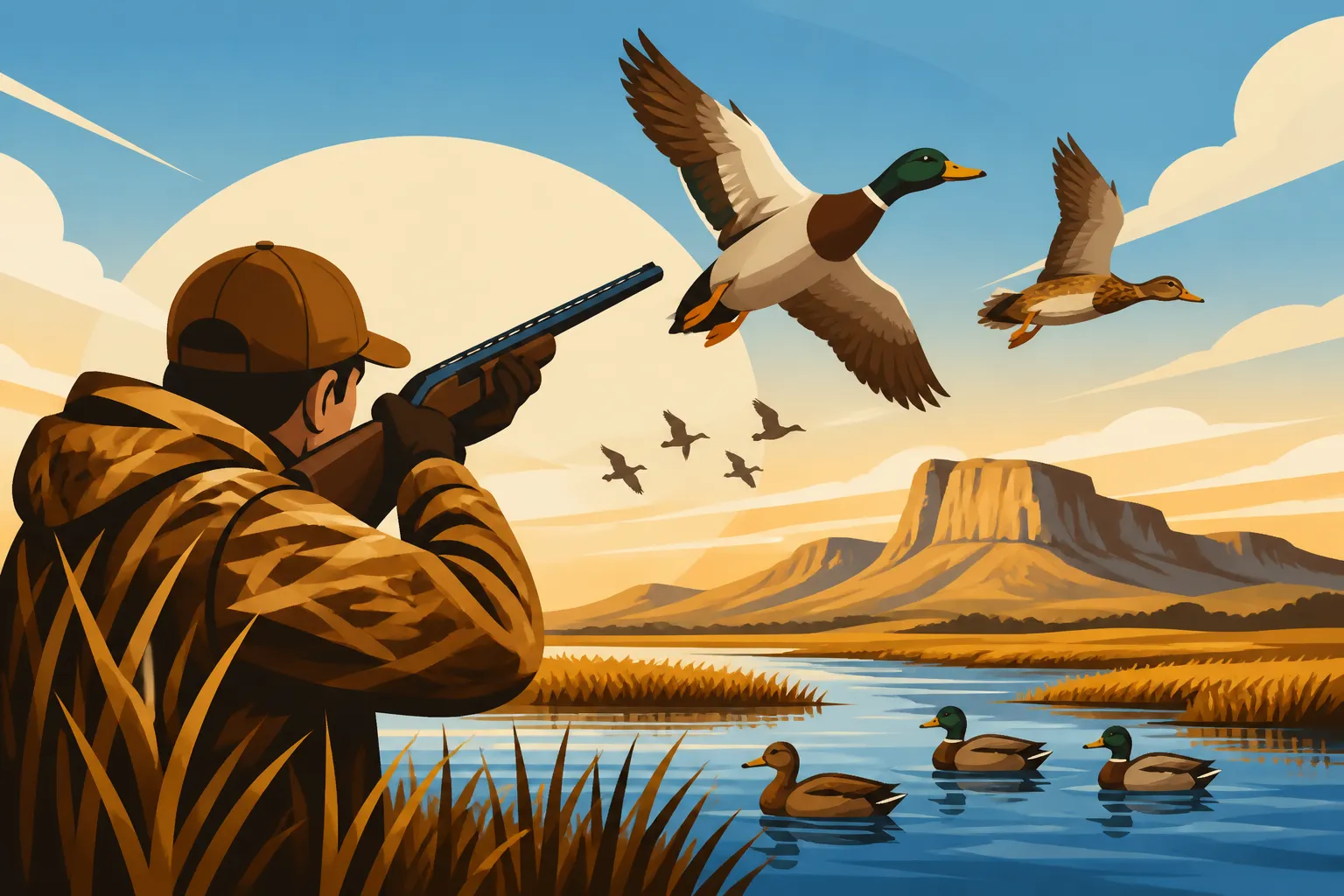
South Dakota Waterfowl on the Central Flyway
For many waterfowlers, the quest for abundant ducks and geese often feels like a wild goose chase – trying to pinpoint exactly where those massive migrations will land and trying to understand the myriad regulations involved. This guide is here to untangle the complexities of pursuing waterfowl in South Dakota, a true mecca along the famed Central Flyway, equipping you with the knowledge to make your next hunt a memorable success.
Understanding South Dakota's Role in the Central Flyway
South Dakota isn't just another state on the map for waterfowl; it's a critical pit stop, a bustling airport, and a five-star restaurant all rolled into one for millions of migratory birds. The state's geographical position and unique landscape make it an undeniable magnet for ducks and geese traveling south.
The Geographic Advantage for Migratory Birds
Imagine a bird's-eye view of North America during fall migration. You’d see four major superhighways for waterfowl, and the Central Flyway slices right through the heart of South Dakota. What makes this particular stretch so irresistible? It’s primarily the "prairie pothole region," a landscape carved by ancient glaciers that left behind countless shallow depressions. These potholes fill with water, creating an unparalleled breeding ground in the spring and an essential feeding and resting area during migration. These natural wetlands are absolutely vital, providing the rich aquatic vegetation, invertebrates, and grains that migrating ducks and geese rely on to fuel their incredible journeys. Beyond the potholes, the mighty Missouri River, with its expansive reservoirs like Lake Oahe, Lake Sharpe, and Lake Francis Case, offers enormous bodies of water that serve as massive resting and loafing areas, especially for diver ducks and large flocks of geese. These big waters act as safe havens where birds can escape hunting pressure and weather the roughest storms, making them predictable congregation points year after year.
Key Migration Corridors and Staging Areas
Birds don't just randomly drop out of the sky into South Dakota; they follow predictable patterns, and understanding these corridors is crucial for any hunter. The eastern half of the state, particularly the Glacial Lakes Region, is synonymous with incredible duck hunting. This area, studded with thousands of wetlands and backed by agricultural fields, becomes a mosaic of feeding and resting grounds. Ducks will bounce between smaller potholes to feed and larger, deeper lakes to roost during the day. As for geese, particularly Canada geese and greater white-fronted geese, they often stage in massive numbers on the bigger reservoirs before making their final push south. You’ll also find significant staging activity in the vast agricultural fields surrounding these bodies of water, especially after harvest, as birds gorge on waste grain. These areas become enormous staging grounds, often holding tens of thousands of birds, making them key points to observe for movement patterns. Knowing that these birds need both abundant food and secure water is the first step in decoding their movements and finding success. The ability to identify these critical habitats, especially on public lands, can be the difference between a slow day and a fast and furious shoot. For more details on finding these hot spots, check out our guide on Waterfowl Hunting the South Dakota Prairie.
Prime Waterfowl Species You'll Encounter
South Dakota offers an incredible diversity of waterfowl, each with its own quirks, preferred habitats, and hunting challenges. Knowing what you’re chasing is half the battle, helping you tailor your setup and tactics accordingly.
Ducks: From Potholes to Big Water
When you think of duck hunting in South Dakota, the first image that probably comes to mind is a flock of green-headed mallards cupping their wings over a prairie pothole. And you wouldn't be wrong! Mallards are king here, drawn by the abundant corn and diverse wetlands. But they're far from the only show in town. You’ll also find plenty of speedy green-winged and blue-winged teal, especially during the early season, zipping across the shallow waters. Gadwalls and wigeons are common puddle ducks, often found dabbling in the same marshes as mallards. For those who love the challenge of diver hunting, the large Missouri River reservoirs are a playground. Canvasbacks, with their distinctive sloped profiles, and the smaller, darker scaup (bluebills) often congregate on these big waters, feeding on mussels and aquatic vegetation in deeper sections. Redheads, too, are a highly sought-after diver, known for their striking appearance. Each of these species offers a different hunting experience, requiring specific decoy spreads, calling techniques, and often, different hunting locations. Learning their calls, flight patterns, and preferred foods will undoubtedly increase your success rate and make you a more versatile waterfowler.
Geese: Giants of the Prairie Sky
While ducks provide fast-paced action, geese offer a different kind of thrill—the awe-inspiring sight of hundreds, sometimes thousands, of birds descending into a field or settling onto a lake. South Dakota is famous for its Canada geese, which exist as both resident populations that breed within the state and massive migratory flocks that pour down from the north. These birds are intelligent, wary, and demand a meticulous approach to decoying and concealment. Then there are the snow geese, particularly prominent during the spring conservation order. These birds migrate in colossal numbers, painting the sky white, and their sheer volume can be overwhelming. Hunting snow geese requires enormous spreads, specialized electronic calls, and often, a lot of patience, as they can be incredibly difficult to fool. Finally, don't overlook the greater white-fronted geese, often called "specklebellies" or "specks." These medium-sized geese are prized for their excellent table fare and distinctive high-pitched calls. They tend to migrate a bit earlier than peak snow goose numbers and are often found in smaller, tighter flocks, making them a unique challenge for the dedicated goose hunter. Their preference for certain agricultural fields, often peas or cut alfalfa, makes scouting paramount for success.
Navigating South Dakota's Waterfowl Seasons and Regulations
Understanding the rules and regulations for South Dakota waterfowl hunting can feel like trying to solve a complex puzzle, especially with varying dates, bag limits, and licensing requirements. But trust me, it’s worth taking the time to truly grasp it all to ensure a legal and enjoyable hunt.
Understanding Duck and Goose Season Structures
South Dakota’s waterfowl seasons are designed to maximize opportunities while protecting bird populations, which often means different dates and rules for different species and regions. For ducks, the state typically has two zones: a High Plains Unit and an East River Unit, each with its own opening and closing dates and often a mid-season split. These splits allow hunters to capitalize on different waves of migration. For instance, early teal might be present before the main mallard migration truly kicks off. Daily bag limits specify how many ducks of each species (e.g., mallards, pintails, canvasbacks) you can harvest per day, along with an overall total duck limit. Possession limits usually apply after your first day of hunting, dictating how many birds you can legally possess in total.
Geese also have specific season structures. The early Canada goose season, which typically runs through September, is a fantastic opportunity to target local birds before the main migration arrives. The regular Canada goose season often mirrors the duck seasons in timing. Snow geese have their own distinct seasons, including the regular fall season and the much-anticipated Spring Snow Goose Conservation Order. This conservation order, designed to help reduce burgeoning snow goose populations, offers liberal bag limits, extended hours, and allows the use of unplugged shotguns and electronic calls—tactics often prohibited during regular seasons. For the most up-to-date information, always consult the current year's South Dakota Game, Fish and Parks (GFP) hunting handbook. You can also find specifics on dates and bag limits in our detailed guide on South Dakota Waterfowl Season Dates and South Dakota Duck Bag Limits.
Licensing, Stamps, and HIP Requirements
Before you even think about setting out your first decoy, you need to make sure your paperwork is in order. For all waterfowl hunting in South Dakota, residents and non-residents alike must purchase a state hunting license. Non-residents specifically need a South Dakota non-resident small game license. On top of that, every waterfowl hunter 16 years of age or older needs a Federal Duck Stamp, which is a physical stamp you sign and affix to your state hunting license. This stamp isn't just a formality; the revenue generated from its sales goes directly into wetlands conservation, protecting the very habitats that birds (and hunters!) rely on.
Furthermore, all migratory bird hunters are required to register with the Harvest Information Program (HIP). This is a free registration where you answer a few simple questions about your previous year's harvest, and it helps the U.S. Fish and Wildlife Service gather critical data on migratory bird take. You'll receive a HIP confirmation number that you need to carry with you while hunting. For non-residents, another crucial consideration is the structure of the non-resident small game license, which is often sold in two five-day periods. You'll need to choose your desired hunting dates in advance, and these are typically non-changeable once selected. Double-check all these requirements well before your trip; nothing sours a hunt faster than a licensing snafu. More information on this can be found at South Dakota Federal Duck Stamp Rules and South Dakota HIP Registration.
Essential Tactics for South Dakota Waterfowling Success
South Dakota’s diverse waterfowl habitats demand a versatile hunter. What works perfectly for mallards in a pothole won't cut it for snow geese in a stubble field, or divers on the Missouri River. Mastering these varied tactics is key to consistently filling your strap.
Decoying Strategies for Ducks on Potholes and Fields
Pothole duck hunting is arguably what South Dakota is most famous for, and it’s an incredibly rewarding experience when done right. The key here is realism and concealment. On smaller potholes, a spread of two to three dozen mallard decoys, often mixed with a few pintails or gadwalls, can be highly effective. Place your decoys to create a landing zone into the wind, mimicking a natural feeding or loafing area. Motion decoys, like spinning wing models or jerk cords, can add that crucial touch of life, especially on calm days. For field hunting, which often follows an observed feeding pattern, you’ll typically need more decoys. Full-body field decoys or silhouette stakes are popular, placed in family groups, spread out to imitate ducks feeding on waste grain. Concealment is absolutely paramount in either scenario. Layout blinds blend in well in stubble fields, while natural vegetation, cattails, or a simple camo net can hide you effectively around a pothole. Remember, ducks have incredible eyesight; if they see you, they're gone. Detailed insights on this can be found in Decoying Ducks on a South Dakota Prairie Pothole.
Field Hunting Geese: Blinds, Spreads, and Scouting
Geese, particularly Canada geese and white-fronts, are often creatures of habit, establishing predictable feeding patterns. This makes scouting critical for field hunting. You'll need to locate the fields where birds are actively feeding (not just loafing) and then secure permission to hunt, if on private land. Once you have a spot, concealment is everything. Layout blinds are the standard for field hunting, allowing you to lie flat and emerge only when birds are committed. The decoy spread itself needs to be substantial; a minimum of three dozen full-body or shell decoys for Canada geese, often more, mimicking feeding and sentry positions. For snow geese, the numbers often swell into the hundreds or even thousands of decoys, often combined with "swooper" kites or rotary machines to create the illusion of a massive, active flock. Flagging—waving a silhouette of a goose wing—can be incredibly effective for drawing attention from high-flying birds, especially for specks and Canadas. Electronic calls are permissible for snow geese during the conservation order and are essential for attracting large flocks. Our guide on Field Hunting Geese in South Dakota Cut Corn offers more in-depth advice.
River and Big Water Hunting Considerations
The massive Missouri River reservoirs offer a completely different waterfowl hunting experience, often targeting diver ducks and large flocks of geese resting on the open water. Hunting these areas typically requires a boat, as birds will raft up far from shore. For divers like canvasbacks and scaup, large open-water decoy spreads are common, sometimes numbering 50 to 100 decoys or more, often set in long lines or J-hook patterns to guide birds into a landing zone. Pass shooting can also be effective along points or islands where divers are known to fly. For geese, you might find success setting up blinds on islands or points that birds use for loafing during the day. Layout boats, which allow hunters to lie nearly flush with the water surface, can be incredibly effective on big water, especially for wary geese. Safety is paramount on these large bodies of water, especially during late fall when temperatures drop and winds can pick up quickly. Always monitor weather conditions, wear a life jacket, and ensure your boat is properly equipped for the conditions. When hunting from shore, consider sturdy, portable blinds that can withstand wind and hide you effectively. Look into Hunting Whitetails in South Dakota's Missouri River Timber for general insights on accessing the river.
Key Waterfowl Hunting Areas and Public Access
One of South Dakota's greatest assets for waterfowl hunters is the sheer amount of accessible public land, meticulously managed and often providing incredible hunting opportunities. Knowing where to look and what type of land to prioritize is critical.
The Abundant Prairie Pothole Region East River
The eastern half of South Dakota, often referred to as "East River," is a mosaic of fertile farmland and the renowned prairie pothole region. This area is a duck hunter's dream, studded with countless wetlands, sloughs, and shallow lakes. Much of this land is accessible through various public programs. Waterfowl Production Areas (WPAs), managed by the U.S. Fish and Wildlife Service, are specifically acquired and managed for waterfowl breeding and habitat. These are typically smaller tracts, often a few hundred acres, but they are absolutely goldmines for ducks. Many WPAs are surrounded by private land, so respecting boundaries and access points is paramount. Game Production Areas (GPAs), managed by South Dakota GFP, also offer fantastic opportunities, often larger tracts with diverse habitat including wetlands, grasslands, and food plots. Additionally, the state's popular Walk-In Area (WIA) program leases private land from farmers and ranchers, opening it up to public foot traffic for hunting. These areas are signed with yellow boundaries and often include prime pheasant and duck habitat. The sheer volume of these public access options means that even without private land access, a dedicated hunter can find excellent opportunities. For detailed maps and information on accessing these lands, checking the South Dakota GFP Public Hunting Atlas is a must. Many hunters utilize mapping apps like OnX Hunt to overlay public land boundaries, helping them navigate these diverse landscapes and avoid trespassing. To learn more about navigating these areas, consult Hunting South Dakota Walk-In Areas or South Dakota Waterfowl Production Areas.
The Mighty Missouri River Reservoirs
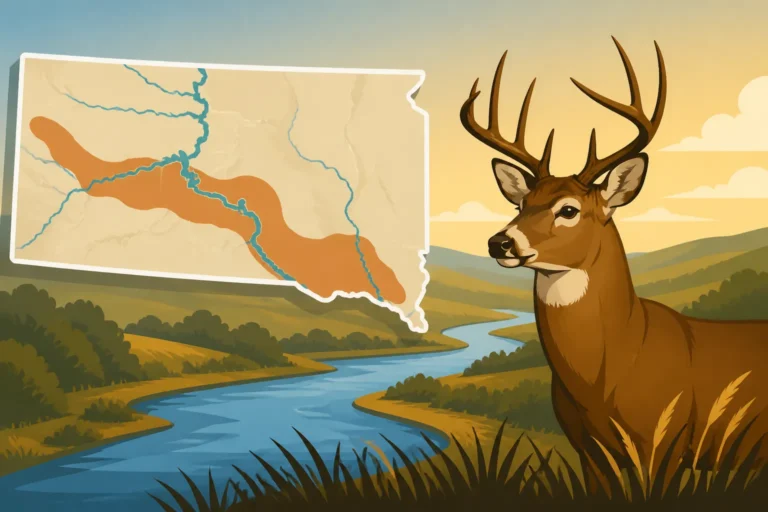
The Missouri River defines a significant portion of South Dakota's landscape, creating four massive reservoirs: Lake Oahe, Lake Sharpe, Lake Francis Case, and Lewis and Clark Lake. These enormous bodies of water are critical for waterfowl, especially late in the season when smaller potholes freeze up. They provide vast loafing and roosting areas for hundreds of thousands of ducks and geese, including significant numbers of diver ducks that prefer deep, open water. Hunting these reservoirs often involves boat access, scouting for points, bays, or islands where birds are congregating, and setting up large decoy spreads. Shoreline hunting can also be effective in certain areas, particularly for pass shooting or when birds are feeding in adjacent fields. The U.S. Army Corps of Engineers manages much of the land along these reservoirs, and many areas are open to public hunting. However, it’s crucial to understand specific regulations for each reservoir, including any "no-hunting" or refuge zones. These areas are incredibly dynamic, with changing water levels and ice conditions, which can drastically impact where birds are found. Always prioritize safety when hunting big water, especially as the weather turns colder. Check out Missouri River Hunting Access in South Dakota for more on specific access points.
National Grasslands and Other Public Lands West River
While the East River is famed for its potholes, the "West River" country, west of the Missouri, also offers waterfowl opportunities, though often different in character. The vast National Grasslands, such as the Fort Pierre National Grassland and Buffalo Gap National Grassland, primarily managed by the U.S. Forest Service, are sprawling expanses of shortgrass prairie. While primarily known for mule deer and prairie grouse, they also contain numerous stock dams and prairie creeks that can hold ducks and geese, especially during migration. These areas can be more challenging to hunt due to their sheer size and lower bird densities compared to the pothole region, but they offer a truly wild experience. Success here often comes from extensive scouting, targeting smaller water bodies that birds use to rest and water. Additionally, various state-owned School and Public Lands are scattered across the state, some of which may offer waterfowl habitat. The South Dakota GFP Public Hunting Atlas is an indispensable tool for identifying these smaller, often overlooked parcels of public ground. Using advanced mapping tools like GoHunt can significantly aid in identifying these smaller, accessible water sources within vast tracts of land, helping you pinpoint potential hotspots from the comfort of your home before you even hit the road.
| Waterfowl Species | Typical Habitat | Preferred Hunting Method | Key Identifying Features |
|---|---|---|---|
| Mallard (Duck) | Potholes, fields, rivers | Decoys, calling, jump shooting | Green head (drake), iridescent blue speculum |
| Green-winged Teal (Duck) | Shallow potholes, marshes | Decoys (small spreads), jump shooting | Small, fast flight, green speculum |
| Canvasback (Duck) | Large lakes, rivers, reservoirs | Diver decoys, layout blind (boat) | Red head, sloped bill, white back |
| Canada Goose (Goose) | Fields, large lakes, rivers | Field spreads, layout blinds, flagging | Black neck & head with white chinstrap |
| Snow Goose (Goose) | Fields, large lakes | Mass spreads, e-callers (spring), layout blinds | All white with black wingtips (adult) |
| White-fronted Goose (Goose) | Fields, shallow wetlands | Field spreads, layout blinds, flagging | Orange legs, white face patch, speckle belly (adult) |
Gear, Logistics, and Ethical Considerations for Your Hunt
A successful and enjoyable waterfowl hunt in South Dakota requires more than just knowing where the birds are; it demands proper gear, careful logistical planning, and a strong commitment to ethical hunting practices. Overlooking any of these elements can quickly turn an exciting adventure into a frustrating ordeal.
Must-Have Gear for South Dakota Waterfowling
South Dakota weather is famously unpredictable and can change dramatically in a single day, or even a few hours. Therefore, layering with quality, waterproof, and windproof clothing is absolutely essential. Waders, whether chest or waist-high, are non-negotiable for most pothole and shallow-water hunting scenarios. A reliable 12-gauge shotgun, capable of handling steel shot (which is required for waterfowl), is standard. Make sure you have plenty of non-toxic ammunition appropriate for the species you're targeting. For decoying, you'll need a variety of decoys—mallards, pintails, geese—depending on your target and location. Quality calls are important, but knowing how and when to use them is even more so. Don't forget essentials like a good headlamp for early mornings and late evenings, a blind bag for your gear, and plenty of hot coffee or water. Finally, a well-trained retriever is a game-changer, not just for recovering birds quickly (reducing cripples), but also for making the hunt far more efficient and enjoyable. Think about the weather and conditions you might face, from early season warmth to late-season blizzards, and pack accordingly. Our article on Layering for South Dakota Wind has great tips for staying comfortable.
Planning Your Trip: Accommodation, Travel, and Safety
South Dakota is a big state, and getting to your hunting grounds often involves significant travel. If flying in, consider commercial airports like Sioux Falls (FSD) or Rapid City (RAP), and plan on renting a sturdy vehicle, preferably with 4×4 capabilities, especially if venturing onto less-maintained county roads or two-tracks. These can quickly become impassable with rain or snow. Booking accommodations, whether a hotel, Airbnb, or even a cabin, especially during the popular pheasant and duck opener, should be done well in advance. Small towns fill up fast!
Safety should always be your top priority. If hunting from a boat on the Missouri River, adhere to all boating safety regulations, wear life jackets, and constantly monitor weather forecasts. Hypothermia is a real risk in cold, wet conditions, so always have dry clothes and emergency supplies readily available. Inform someone of your hunting plans and expected return time, especially if hunting alone or in remote areas. A basic first-aid kit is also a wise addition to your pack. Always practice safe gun handling, especially when hunting with others during a drive or retrieve.
Responsible Hunting and Conservation
Being a responsible hunter means more than just following the law; it's about upholding the integrity of the sport and contributing to conservation. Always clean up your spent shells, discarded packaging, and any other trash from your hunting site. Respect private property by obtaining permission before hunting and by staying clear of posted land. Ethical shooting practices, such as waiting for birds to be in range and aiming for clean kills, minimize crippling losses. Furthermore, hunters are crucial conservationists. The purchase of your Federal Duck Stamp directly funds wetlands protection and acquisition. Your license fees and excise taxes on hunting equipment also contribute significantly to wildlife management and habitat restoration efforts. By participating in harvest surveys, you provide valuable data that helps wildlife managers make informed decisions. Remember, hunters are the original conservationists, and upholding these values ensures the future of South Dakota's incredible waterfowl resources for generations to come.
Advanced Tips for Maximizing Your Experience
To move beyond just "getting lucky" and consistently find success and enjoyment in South Dakota's waterfowl rich environment, you need to think like a bird and leverage modern tools. These advanced tips can elevate your hunting game to the next level.
Reading Weather Patterns and Bird Behavior
Waterfowl are incredibly sensitive to weather changes, and understanding how these patterns influence their behavior is a huge advantage. Cold fronts, for instance, often push new birds south into South Dakota, signaling fresh opportunities. Heavy snow or strong winds can force birds off large, open water bodies and into smaller, more sheltered wetlands or agricultural fields for feeding. Conversely, calm, clear days can make birds warier and harder to decoy, often leading them to loaf in large, open water until late morning or afternoon. Pay close attention to wind direction, as birds almost always land into the wind. This dictates your decoy spread and blind placement. Learning to "read the sky"—observing how birds are flying, whether they're migrating high, feeding low, or simply loafing—will help you make on-the-fly adjustments to your setup. Sometimes, waiting an extra hour for a new wave of birds to arrive with a weather system, or shifting your hunt from morning to midday, can make all the difference. Our article on Late-Season Hunting in South Dakota Snow dives into specific challenges and opportunities that arise when the flakes start falling.
Utilizing Technology for Scouting and Navigation
Gone are the days when a paper map and a keen eye were your only scouting tools. Today, technology offers powerful advantages. GPS-enabled mapping apps like OnX Hunt, BaseMap, or even Google Earth are indispensable for e-scouting. These tools allow you to study aerial imagery, identify potential potholes, river bends, or feeding fields, and mark property lines long before you ever set foot on the ground. You can analyze terrain, spot potential access points, and even gauge the amount of cover available. For waterfowl, specifically, look for areas with good water sources adjacent to agricultural fields. Using a detailed map layer, you can differentiate between permanent wetlands and ephemeral potholes that might dry up. GoHunt's mapping tools, in particular, offer robust features that allow hunters to identify public land boundaries, analyze topography, and even track historical harvest data in some regions, providing a data-driven edge for planning your hunts. Combining e-scouting with real-time weather forecasts and radar will help you predict bird movements and choose your hunting location with much greater confidence.
The Value of a Good Hunting Dog
While you can absolutely hunt waterfowl without a dog, a well-trained retriever elevates the entire experience, and frankly, makes it more ethical. Not only do retrievers find downed birds quickly, often in dense cover or open water where you might otherwise lose them, but they also significantly reduce the number of crippled birds that get away. Breeds like Labrador Retrievers, Chesapeake Bay Retrievers, and Golden Retrievers are popular choices, known for their intelligence, eagerness to please, and tolerance for cold water. Training a waterfowl dog is a long-term commitment, but the reward is a loyal hunting partner and a much more efficient hunt. A dog also adds an element of camaraderie and joy to the field or blind that's hard to replicate. Proper dog care in the field is also vital—ensure they have plenty of water, protect their paws from ice or burrs, and know the signs of overheating or hypothermia. Investing in a good dog and their training is an investment in countless memorable hunts. For insights on working with dogs, see Pointing Dogs Versus Flushers on Wild Birds, which, while focused on pheasants, shares principles relevant to any hunting dog.
Disclaimer
The information provided in this guide is for general informational purposes only and does not constitute legal advice. Hunting regulations, seasons, and licensing requirements are subject to change. Always consult the most current South Dakota Game, Fish and Parks (GFP) hunting handbooks, regulations, and official websites before planning or engaging in any hunting activities. It is the hunter's responsibility to know and obey all applicable laws and regulations.