South Dakota Game Production Area Rules
Navigating public hunting lands in South Dakota can sometimes feel like trying to solve a puzzle, especially with the various types of state and federal areas, each with its own set of guidelines. Among the most valuable — and sometimes misunderstood — are South Dakota’s Game Production Areas (GPAs). These vital pieces of public ground offer incredible opportunities for hunters, anglers, and outdoor enthusiasts, but knowing and following their specific rules is key to a successful and legal outing. This guide will help you understand the ins and outs of Game Production Area rules, ensuring you can enjoy these rich habitats responsibly.
Understanding South Dakota Game Production Areas
Game Production Areas are cornerstones of public hunting access in South Dakota, yet many hunters aren't entirely clear on what makes them distinct. These are not merely patches of land; they are actively managed ecosystems dedicated to wildlife and public recreation.
The Purpose and Mission of GPAs
At their core, South Dakota Game Production Areas are tracts of land purchased and managed by the South Dakota Game, Fish and Parks (GFP) specifically for the benefit of wildlife and public access. The primary goal is to provide critical habitat for game and non-game species alike, while simultaneously offering robust opportunities for public hunting, fishing, trapping, and other forms of wildlife-related recreation. Think of them as permanent wildlife refuges with an open-door policy for ethical hunting.
Unlike some temporary access programs, GPAs are owned by the state, which means they are here for the long haul. This permanence allows for long-term habitat improvement projects, ensuring a stable environment for generations of wildlife and hunters. Whether it's restoring wetlands for waterfowl, planting diverse cover for pheasants, or managing grasslands for deer, every action on a GPA is geared towards enhancing the natural resource.
Funding, Acquisition, and Management
The existence and continuous improvement of Game Production Areas aren't accidental; they're the result of dedicated funding and strategic management. The acquisition of these lands is primarily funded through hunting and fishing license sales, as well as federal aid programs like the Pittman-Robertson Act. This means that every license, tag, and federal excise tax on firearms and ammunition directly contributes to securing and enhancing these vital public lands. Additionally, the South Dakota Habitat Stamp Price plays a crucial role in these efforts.
Once acquired, GPAs are actively managed by GFP biologists and land managers. This isn't just about letting nature take its course; it involves proactive habitat work. You might find food plots planted for wintering wildlife, controlled burns to rejuvenate grasslands, tree plantings for thermal cover, or extensive wetland restoration projects. These efforts are designed to create diverse habitats that support robust wildlife populations, directly benefiting the hunters who utilize these areas. Without this consistent investment and hands-on management, many of the prime hunting spots we enjoy today simply wouldn't exist.
GPAs Versus Other Public Access Types
It's easy to lump all public hunting land together, but understanding the nuances between different types is crucial for compliance and successful hunting. Game Production Areas stand apart from other popular public access options in South Dakota, such as Walk-In Areas (WIAs) and federal lands like the National Grasslands. The distinctions mainly lie in ownership, permanence, and specific rules.
| Feature | Game Production Area (GPA) | Walk-In Area (WIA) | National Grassland |
|---|---|---|---|
| Ownership | State of South Dakota (GFP) | Private Land (Leased by GFP) | Federal Government (US Forest Service) |
| Permanence | Permanent Public Access | Seasonal/Annual Lease (Can Change) | Permanent Public Access |
| Primary Purpose | Wildlife Habitat & Public Recreation | Public Hunting Access on Private Land | Multi-Use (Grazing, Recreation, Habitat) |
| Vehicle Access | Foot traffic only (beyond parking) | Foot traffic only | Designated roads/trails (MVUMs) |
| Camping | Generally prohibited | Prohibited | Dispersed camping often allowed |
| Management | Active habitat management by GFP | Landowner manages; GFP manages access signage | Federal management plans |
As you can see, GPAs are distinct. While South Dakota Walk-In Areas Explained offer incredible opportunities by leasing private land for public hunting, these agreements are often annual and can change. GPAs, being state-owned, provide a consistent and dedicated public resource. Similarly, while National Grasslands Hunting in South Dakota provides vast federal acreage, they operate under different regulations from the US Forest Service, particularly regarding vehicle use and camping, which tend to be more permissive than on state GPAs. Always refer to current maps and regulations for each specific type of land you plan to visit.
General Regulations and Prohibited Activities on GPAs
Hunting on Game Production Areas isn't just about finding the birds or deer; it's about adhering to a clear set of rules designed to protect the resource and ensure a quality experience for all. Ignorance of these rules isn't an excuse, and violating them can lead to serious consequences.
Universal "No-Nos" to Remember
There are certain activities that are almost universally prohibited on South Dakota Game Production Areas, and for good reason. These rules are in place to preserve the integrity of the habitat and prevent conflict. Littering and dumping are absolute cardinal sins; anything you pack in, you must pack out. This includes spent shotgun shells, empty water bottles, and any other debris. The destruction of property, whether it's tearing down signs, cutting fences, or damaging habitat improvements like planted trees, is strictly forbidden and can result in significant penalties.
Furthermore, cutting live trees, gathering firewood, or removing any natural resources (like rocks, plants, or shed antlers) without explicit permission is typically against the rules. These resources are part of the ecosystem GPAs are designed to protect. While it might seem tempting to practice your shot, target shooting or sighting in rifles is generally not allowed on GPAs unless there's a specifically designated public shooting range. These are rare on GPAs, and discharging firearms outside of hunting seasons or for purposes other than taking game can be dangerous and is often illegal. Finally, be mindful of alcohol regulations; open containers or consumption might be prohibited or restricted to ensure safety and prevent disturbances. Violations of these rules can fall under South Dakota Wildlife Violation Penalties, so always err on the side of caution.
Seasonal Restrictions and Area-Specific Closures
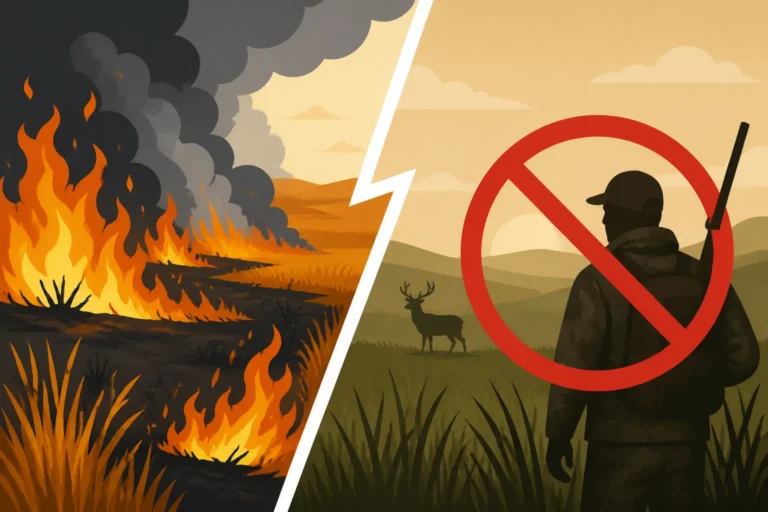
While GPAs are generally open to the public, it's a common misconception that they're open for all activities all the time. Certain areas or specific activities may be subject to seasonal restrictions or even temporary closures. For instance, some GPAs might have designated sections that serve as wildlife sanctuaries, especially during nesting periods or for wintering big game, meaning access might be restricted or prohibited during those times. Active habitat management projects, such as prescribed burns, logging, or seeding, might also necessitate temporary closures for public safety and the success of the work.
It's imperative to always check the South Dakota GFP website for current information or look for signage posted at the GPA entrance. The hunting seasons for specific game species will dictate when you can legally pursue those animals, but these seasons don't necessarily override a specific GPA closure for other management reasons. Always cross-reference the state hunting proclamation with any local postings. Knowing South Dakota pheasant season dates or South Dakota Deer Season Dates by Weapon is only half the battle; knowing the specific GPA's current status is the other.
Permitted Activities Beyond Hunting
While hunting is a primary focus, Game Production Areas are designed for broader public enjoyment and conservation. Many other activities are not only permitted but encouraged, as long as they align with the GPA's mission and don't conflict with habitat protection or other users. Fishing is often allowed in any water bodies located within a GPA, provided you have the appropriate South Dakota fishing license. Hiking is another popular pastime, offering a chance to explore the diverse landscapes and observe wildlife.
Bird watching and photography are excellent ways to appreciate the non-game species that also call GPAs home. Trapping is also permitted during open seasons for licensed individuals, contributing to furbearer management. Essentially, most non-motorized, low-impact outdoor recreation is welcome. However, it's critical to remember that while multiple uses are embraced, the paramount goal remains wildlife habitat and sustainable hunting opportunities. Always be prepared to share the landscape and be respectful of others' experiences.
Specific Rules for Hunting, Vehicles, and Dogs
Digging deeper into GPA regulations, there are specific guidelines that often cause confusion for hunters, especially concerning how you get around and whether your canine companion can join you.
Hunting Specifics on Game Production Areas
When it comes to the act of hunting itself on a Game Production Area, all state hunting regulations apply without exception. This means adhering to established seasons, daily bag limits, possession limits, legal shooting hours, and proper tagging requirements for your harvested game. There are no special permits required for the act of hunting on GPAs beyond your regular South Dakota hunting licenses and stamps. However, it's always wise to reconfirm all details in the most current South Dakota hunting proclamation, as regulations can sometimes change between seasons.
Don't forget the practicalities, like Blaze Orange Rules on a Bird Hunt, which are critical for safety, especially on popular GPAs during pheasant season. You should also be prepared for the actual hunting conditions. Many GPAs incorporate food plots, which can be excellent spots for pheasants, deer, or turkeys. Understanding how to approach and Hunting Food Plots and Corn Edges effectively, while staying within all legal boundaries, is a skill worth honing. Always practice fair chase ethics, ensuring a clean shot and respecting the animal and the hunt.
Vehicle Use and Access Restrictions
One of the most frequently misunderstood rules on Game Production Areas revolves around vehicle use. The overwhelming majority of GPAs are designated as "foot traffic only" beyond the clearly marked parking areas. This means you park your vehicle in a designated spot, and then you proceed into the hunting area on foot. This rule is in place for several crucial reasons: to minimize disturbance to wildlife, prevent habitat damage from off-road travel, maintain the quality of the hunting experience for all users by limiting vehicle presence, and control erosion.
While some GPAs might have specific designated access roads or trails that vehicles are permitted on, these are exceptions and will be very clearly marked. Never assume you can drive further than the parking lot. This also means planning for game retrieval. If you harvest a deer or an antelope deep within a GPA, you'll need a plan for Getting a Deer Out of a South Dakota Coulee or otherwise packing it out on foot, using a game cart, or a sled. Off-road travel, even to retrieve game, is typically prohibited. Always consult the official GFP public hunting atlas or use a mapping app like onX Hunt to understand the specific vehicle access points and restrictions for each GPA you intend to visit.
Camping, Fires, and Overnight Stays
This is another area where hunters often make assumptions that can lead to violations. As a general rule, camping and open fires are strictly prohibited on South Dakota Game Production Areas. GPAs are primarily intended for day use, meaning you should plan to enter and exit the area within daylight hours, or at least not set up a campsite or light a campfire. This rule is essential for preventing wildfires, ensuring sanitation, and protecting the natural resources from undue impact.
While it's rare, if a specific GPA does allow camping or fires, it will be explicitly stated and clearly marked with signs or on official GFP maps. These exceptions are few and far between, so the safest assumption is always "no camping." This contrasts significantly with federal lands like National Grasslands, where dispersed camping is often permitted under certain guidelines. Always make alternative arrangements for overnight accommodations outside the GPA boundaries, whether that means a nearby campground, hotel, or private land with permission.
Dog Training and Use
For many South Dakota hunters, a hunting dog is an indispensable partner, especially for chasing pheasants. Dogs are generally allowed on Game Production Areas for hunting purposes during open seasons, provided they are under control and following all state laws. However, when it comes to dog training outside of established hunting seasons, the rules can become more nuanced. Some GPAs may have specific dates or areas designated for dog training, or it might be restricted entirely to prevent disturbance to nesting birds or other wildlife.
Always check the current GFP regulations or specific GPA rules regarding off-season dog training. Even during hunting season, ensure your dog is well-behaved and doesn't harass non-game wildlife or other users. Furthermore, practicing good dog etiquette, such as picking up after your dog and ensuring they are wearing proper identification, is always a good idea. Remember that the South Dakota prairie can be tough on dogs, so always plan for Dog Water and Burrs on the Prairie and protective gear.
Navigating and Scouting South Dakota GPAs
Finding and effectively using Game Production Areas requires more than just showing up. Smart navigation and pre-season scouting are critical components of a successful and compliant hunting trip.
Utilizing Digital Mapping Tools
In today's hunting world, digital mapping tools are absolutely indispensable for navigating public lands, and South Dakota's Game Production Areas are no exception. Apps like onX Hunt or GoHunt have revolutionized how hunters locate, understand, and access these vital areas. These platforms provide detailed public/private land ownership maps, clearly delineating GPA boundaries, as well as showing access roads, trails, and topographical features.
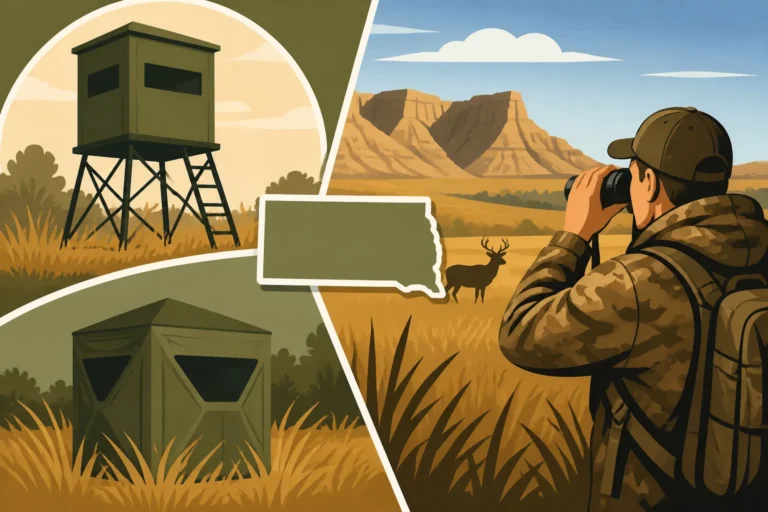
Using the satellite imagery overlay, you can scout potential cover, assess terrain, and identify pinch points or travel corridors from the comfort of your home. Crucially, many of these apps allow you to download maps for offline use, which is a lifesaver in West River country or other remote areas where cell service is spotty or nonexistent. They can help you visualize Reading Aerial Imagery for Cattail Cover or pinpoint potential areas for Glassing Grids on Open Breaks that might be adjacent to a GPA. Before you ever set foot on a GPA, spend time with these tools to understand the lay of the land, identify legal access points, and plan your hunt.
Understanding Boundaries, Gates, and Signage
Official GFP signage is your best friend when hunting Game Production Areas. GPAs are typically marked with distinctive white signs featuring green lettering, clearly indicating that you are entering a state-owned Game Production Area. It is critical to pay attention to these signs, as they provide essential information about the specific area and its rules.
Gates you encounter on access roads leading into GPAs are almost always for management access only and not for public vehicle entry. Unless explicitly stated otherwise on signage, assume a closed gate means foot traffic beyond that point. Fences delineate property lines, and it's your responsibility to know where the GPA ends and private land begins. Using a GPS with plat maps, like those offered by onX Hunt, helps immensely in avoiding inadvertent trespass. Always consult the official South Dakota Public Hunting Atlas, available online from GFP, which provides comprehensive maps of all public hunting lands, including GPAs, and is updated regularly. Knowing how to interpret these resources is paramount to avoiding violations and respecting landowners.
Seasonal Access Considerations
While GPAs are a year-round resource for wildlife, your access to them can vary significantly depending on the season and prevailing weather conditions. South Dakota weather is famously unpredictable, and it can dramatically impact road conditions and accessibility. After heavy rains, many unpaved access roads leading to GPAs, especially in the East River prairie pothole country, can become Mud Roads After a Prairie Rain, making them impassable even for 4×4 vehicles. Getting stuck is not just an inconvenience; it can be dangerous and costly.
Similarly, winter access can be challenging. Some GPA access roads may not be plowed, requiring high-clearance vehicles or a longer walk-in. If you're targeting waterfowl, be aware that water levels in wetland GPAs can fluctuate, potentially rendering some areas inaccessible if they are completely flooded or, conversely, too dry. Always check weather forecasts and recent conditions before heading out, and consider calling the local GFP office for up-to-date information on specific GPA conditions. A little pre-trip research can save you a lot of frustration and ensure you don't waste precious hunting time. Scouting South Dakota Public Ground Before the Season should always include checking potential access issues.
Respecting the Resource and Fellow Hunters
Hunting on public land like GPAs is a shared privilege, and part of that privilege involves upholding a high standard of ethics and respect for both the natural resource and your fellow outdoor enthusiasts.
Ethical Hunting Practices
Beyond legal compliance, ethical hunting on Game Production Areas is about being a good steward of the land and the wildlife. This means always practicing fair chase, which implies giving the animal a reasonable chance and utilizing skills and knowledge rather than relying on unfair advantages. It means striving for a clean, quick kill and making every effort to recover any game you shoot. There's nothing more disheartening than finding a wounded animal that was lost due to a poor shot or lack of tracking effort. If you find yourself needing to follow up a marginal shot, knowing how to Blood Trailing Through Prairie Cover is crucial.
Proper field dressing and disposal of game waste are also ethical considerations. While gut piles are natural, they should be left well away from public access points, trails, and water sources. Consider the impression you're leaving on others who use the land. This extends to other activities as well, like Coyote Calling on Open Grassland; ensure your actions don't inadvertently interfere with other hunters or cause unnecessary disturbance.
Sharing the Land with Other Users
South Dakota's GPAs, especially during popular seasons like pheasant opener, can attract a crowd. Sharing these public spaces respectfully is vital for a positive experience for everyone. This means showing courtesy to other hunters, birdwatchers, hikers, and anyone else enjoying the area. Avoid "sky-busting" (shooting at birds outside of effective range), especially if another party is working towards those birds. Giving other hunters space and avoiding cutting off their retrieves or drives is common Pheasant Hunting Etiquette on Public Ground.
If you encounter another hunting party, a friendly wave or brief, polite conversation goes a long way. Discussing intentions or routes can prevent conflicts and even lead to cooperative efforts, like what is often seen when Sharing a Walk-In Area With Another Party. Remember that not everyone on a GPA is hunting, so always be mindful of non-hunters and their activities, ensuring their safety and enjoyment are not compromised. A little common courtesy ensures that public land remains a welcoming place for all.
Leave No Trace Principles
The "Leave No Trace" philosophy is a set of outdoor ethics promoting conservation in the backcountry, and its principles are perfectly applicable to hunting on South Dakota Game Production Areas. The core idea is simple: leave the area as good as, or better than, you found it. This means packing out all your trash, including spent shell casings, food wrappers, and anything else you brought in. There is no such thing as "biodegradable" trash when it comes to leaving human impact.
Minimize your impact on the land itself. Stay on existing trails or roads where designated, and avoid creating new ones, especially with vehicles where prohibited. Avoid disturbing vegetation or natural features unnecessarily. When field dressing game, choose a spot away from water sources and high-traffic areas. By adhering to these principles, you help preserve the natural beauty and ecological health of the GPAs, ensuring they remain productive and pristine for future generations of wildlife and outdoor enthusiasts.
Enforcement and Reporting Violations
Rules are only as good as their enforcement, and South Dakota's Game Production Areas are actively monitored to ensure compliance and protect the resources. Understanding who enforces the rules and what happens if they're broken is crucial.
The Role of South Dakota Game Wardens
The primary enforcers of all hunting and outdoor recreation rules on Game Production Areas are South Dakota Game Wardens, officially known as Conservation Officers. These dedicated professionals patrol GPAs regularly, checking licenses, ensuring hunters are complying with state hunting regulations, and verifying adherence to GPA-specific rules. They are the frontline defense for South Dakota's wildlife and public lands.
Their role is multifaceted, encompassing law enforcement, public education, and resource management. If you have questions about specific GPA rules or observe something unusual, a Game Warden is the best person to contact. They are knowledgeable about local conditions and regulations and are committed to ensuring ethical and legal use of these valuable public spaces. Interacting respectfully with a Game Warden, even during a license check, is part of being a responsible hunter.
Penalties for Rule Violations
Violating rules on a Game Production Area can lead to a range of penalties, depending on the severity and nature of the infraction. These penalties are designed to deter illegal activities, compensate for damages, and protect the integrity of the resource. Minor infractions, such as littering, might result in fines. More serious violations, like habitat destruction (e.g., cutting trees, driving off-road where prohibited), could lead to substantial fines, restitution requirements for damages, and potentially the loss of hunting privileges for a period. Poaching or other egregious wildlife violations carry the most severe penalties, often including large fines, jail time, and lengthy license revocations.
It's important to remember that these rules are not arbitrary; they are in place to safeguard the wildlife and habitat that GPAs were created to protect, and to ensure fair and safe access for everyone. The costs associated with violations extend beyond monetary fines, impacting your reputation and future ability to enjoy South Dakota's rich outdoor heritage. Always consult the official GFP hunting handbook for detailed information on South Dakota Wildlife Violation Penalties.
How and When to Report a Violation
If you witness a violation on a Game Production Area, whether it's illegal hunting, habitat destruction, or another infraction, it's your responsibility as a conservation-minded individual to report it. The South Dakota GFP has a dedicated Tip Line for reporting wildlife violations, and you can also contact your local Game Warden directly. When reporting, try to gather as much detail as possible without putting yourself in harm's way.
Important information includes the exact location (GPS coordinates if possible), the time and date of the incident, a description of the individuals involved (clothing, distinguishing features), vehicle descriptions (make, model, color, license plate number), the specific violation observed, and any photos or videos you can safely obtain. The key is to report the information to law enforcement and not to confront the individuals yourself. Game Wardens are trained professionals equipped to handle such situations safely and effectively. Reporting Poaching in South Dakota helps protect the resources we all cherish and ensures that those who violate the rules are held accountable.
Disclaimer
This article is for general informational purposes only and does not constitute professional advice. Laws, prices and regulations vary by location and change over time. Consult a qualified professional for guidance on your specific situation.