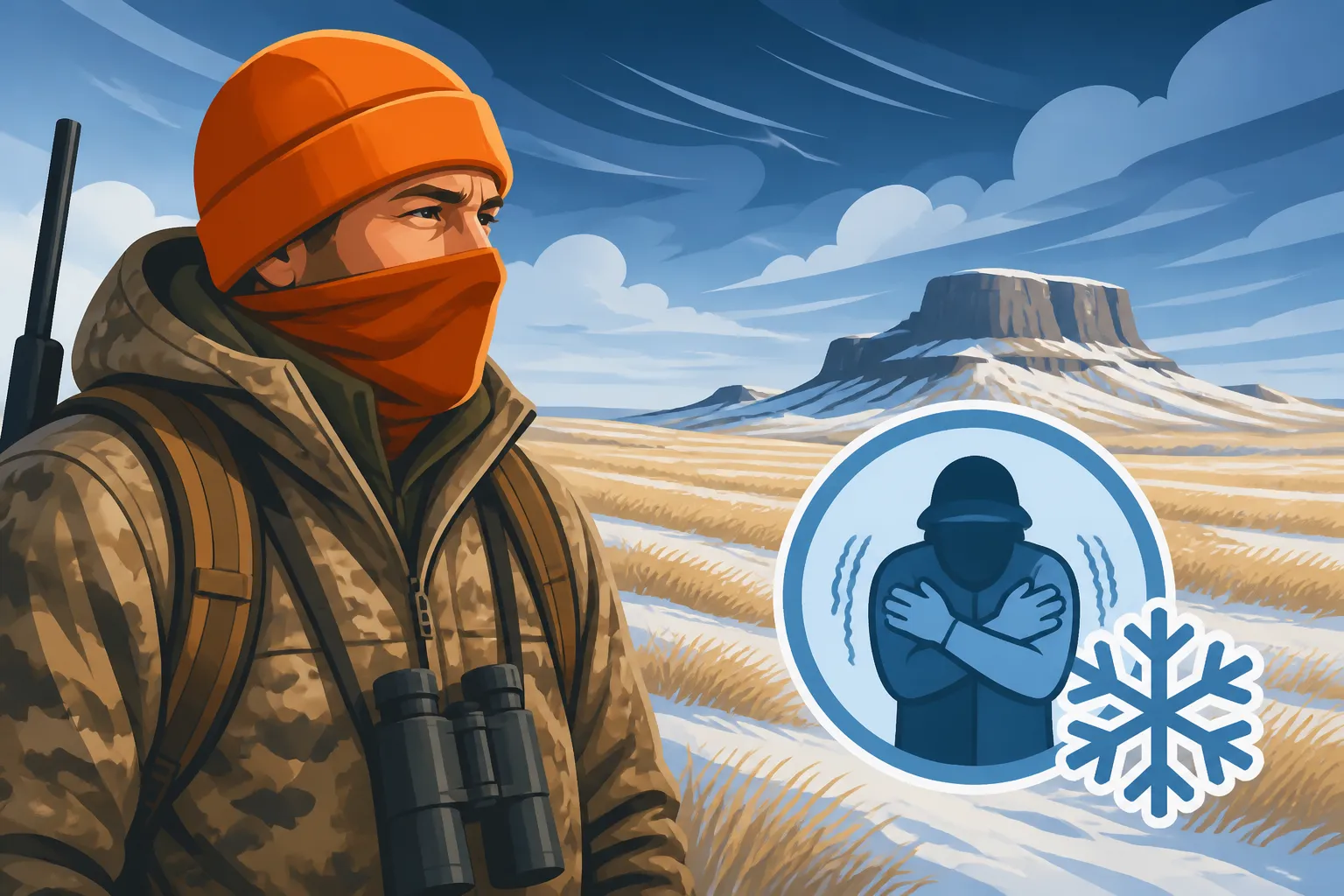
Hypothermia Risk on Open Prairie
There’s nothing quite like the crisp air of a South Dakota hunting morning, but that beauty can quickly turn treacherous if you’re not prepared for the brutal reality of the open prairie. Many hunters underestimate how rapidly conditions can change, especially when a sunny forecast hides the biting wind or a sudden blizzard rolls in, leaving you vulnerable. This guide is all about understanding the very real danger of hypothermia out in those vast, exposed landscapes, recognizing its sneaky signs, and equipping you with the knowledge to stay safe and warm.
Understanding the Insidious Threat of Hypothermia
Hypothermia isn't just "feeling really cold"; it's a dangerous medical condition where your body loses heat faster than it can produce it, causing your core body temperature to drop below 95°F (35°C). On the open prairie, this isn't some rare occurrence; it's a constant, lurking threat that can catch even experienced hunters off guard. The vast, flat landscape of South Dakota is both its charm and its danger. There's often little to no natural shelter from the relentless wind, which can amplify the cold far beyond what the thermometer suggests – this is the dreaded wind chill effect.
Think about a typical late-season pheasant hunt or a cold morning spent Waterfowl Hunting the South Dakota Prairie. You might start the day with what seems like tolerable temperatures, but then the wind picks up, or an unexpected cloud cover moves in, and suddenly, you're in a completely different environment. Even early-season hunts, when temperatures seem mild, can be risky if you get wet from a fall into a slough or a sudden rain shower. Water, even at temperatures well above freezing, wicks heat away from your body twenty-five times faster than air. That initial "shivering" you might dismiss as just being cold is your body's first frantic attempt to generate heat, and it's a critical warning sign that you absolutely shouldn't ignore. The deceptive nature of the prairie means that a short walk can feel like an eternity when the elements turn, making escape to warmth much harder than it appears on a map.
Recognizing the Subtle and Overt Signs
Spotting hypothermia, especially in its early stages, is crucial because the affected person's judgment often becomes impaired. They might deny being cold or insist they're fine, even as their body tells a different story. It’s vital to be vigilant, both for yourself and for anyone you’re hunting with. The progression of hypothermia usually moves through mild, moderate, and severe stages, each with distinct indicators.
In mild hypothermia, your core temperature is between 90-95°F (32-35°C). You'll typically notice persistent shivering, often uncontrollable. Your teeth might chatter incessantly, and you could feel a sudden surge of clumsiness or a slight difficulty with fine motor tasks like zipping up a jacket or loading shells. Speech might become a little slurred, and your skin might appear pale. Mentally, there might be slight confusion or a lack of focus. It's easy to write these off as minor inconveniences of being out in the cold, but they are your body's red flags. This is the stage where intervention is easiest and most effective.
As the body continues to cool, you enter moderate hypothermia (82-90°F / 28-32°C). Shivering might become violent, or paradoxically, it might stop entirely as the body's energy reserves are depleted. This cessation of shivering is a grave sign. Speech will be distinctly slurred, and coordination will severely decline; walking might become a staggering shuffle. The most alarming symptom is often impaired judgment and confusion. An individual might become lethargic, withdrawn, or even combative and irrational, sometimes trying to shed clothes in what's known as "paradoxical undressing" because they feel a sudden flush of warmth. Their breathing may become slow and shallow, and their pulse weak. At this point, prompt action is critical.
Severe hypothermia (below 82°F / 28°C) is a life-threatening emergency. The person will likely be unconscious, their breathing almost imperceptible, and their pulse very weak or absent. Their skin will be cold to the touch, and their pupils may be fixed and dilated. There will be no shivering. In this state, immediate medical attention is absolutely necessary, and gentle handling is paramount as the heart is extremely vulnerable to erratic rhythms. Always assume someone in this condition is alive, even if they appear deceased, and begin careful rewarming while awaiting professional help.
Here's a quick overview of the stages:
| Stage of Hypothermia | Core Body Temperature | Key Symptoms | Immediate Actions |
|---|---|---|---|
| Mild | 90-95°F (32-35°C) | Shivering (uncontrollable), teeth chattering, minor clumsiness, slight confusion, pale skin, slurred speech. | Get out of wind/wet. Add layers of dry clothing. Consume warm, sugary liquids. Increase activity (if safe). |
| Moderate | 82-90°F (28-32°C) | Violent shivering (may stop), significant clumsiness, impaired judgment, confusion, slurred speech, lethargy, slow/shallow breathing, weak pulse, paradoxical undressing. | Seek immediate shelter. Remove all wet clothing. Apply direct warmth to core (chest, neck, groin, armpits). Offer warm, sugary drinks. Avoid rubbing extremities. Keep victim horizontal. Call for emergency help. |
| Severe | Below 82°F (Below 28°C) | Unconsciousness, no shivering, no apparent breathing, very weak/absent pulse, fixed/dilated pupils, rigid muscles. May appear lifeless. | Handle with extreme care; avoid sudden movements. Begin CPR if no pulse/breathing. Apply direct core warmth (warm packs). Do not attempt to rewarm extremities. Keep victim horizontal. Emergency medical transport is critical. |
Prevention: Your Best Defense on the Prairie
The old adage "an ounce of prevention is worth a pound of cure" is never truer than when facing hypothermia on the South Dakota prairie. Preparing thoroughly before you even step foot outside is your absolute best defense against the cold.
Strategic Layering and Proper Clothing Choices
The foundation of cold-weather safety is intelligent layering. Forget the old cotton sweatshirt; cotton absorbs moisture and loses its insulating properties when wet, turning into a chilling blanket. Instead, embrace the "Wicking, Insulating, Shell" system:
- Wicking Base Layer: This is your first line of defense, designed to pull moisture (sweat) away from your skin. Look for materials like merino wool or synthetic blends. Companies like Smartwool or Capilene offer excellent options that keep you dry, which is paramount.
- Insulating Mid-Layers: These layers trap warm air close to your body. Fleece, down, or synthetic puff jackets work wonders. On a crisp day, a good fleece vest might be enough, but for Late-Season South Dakota Pheasants in Heavy Cover, a substantial puffy jacket is essential. You want layers you can easily add or shed as your activity level or the weather changes.
- Protective Outer Shell: This layer shields you from wind and precipitation. A waterproof and windproof jacket and pants are non-negotiable. Even on a dry day, a windproof shell will make a massive difference in how warm you feel. Brands like Sitka Gear or First Lite offer purpose-built hunting shells that stand up to harsh prairie conditions.
Don't forget your extremities! Your head, neck, hands, and feet are major points of heat loss. A warm hat, neck gaiter, insulated gloves or mittens (perhaps even two pairs), and quality, waterproof boots are just as important as your body layers. When it comes to boots, especially if you're Boots for Walking Cattails All Day, ensure they are insulated, waterproof, and provide good support to prevent fatigue, which can also contribute to feeling colder.
Fueling Your Internal Furnace
Your body is a heat-producing machine, but it needs fuel. Staying properly hydrated and fed is critical for maintaining your core temperature. Dehydration impairs your body's ability to regulate temperature, making you more susceptible to the cold. Drink plenty of water or electrolyte drinks, even if you don't feel thirsty. Consider carrying a thermos of hot coffee, tea, or broth; the warm liquid provides immediate comfort and helps raise core temperature.
Bring high-energy, easy-to-eat snacks like nuts, trail mix, chocolate, or energy bars. Your body burns more calories just trying to stay warm in cold weather, so consistent fueling is essential. Don't skip meals, and make sure you're getting enough complex carbohydrates and healthy fats.
Essential Gear and Smart Trip Planning
Beyond clothing and food, a well-stocked pack and a solid plan are non-negotiable. Every hunter exploring the vast public lands, or even private leases, across South Dakota should carry a First Aid Kit for a Prairie Hunt that includes emergency items specific to cold weather. This means an emergency space blanket, a fire starter, extra dry socks, and an additional insulated layer (even a lightweight puffy you can throw on).
Before you head out, checking the forecast isn't enough. You need to understand the full weather picture. Use a reliable app or service like GoHunt to get detailed, hourly forecasts that include wind speed and direction, not just temperature. This information can dramatically influence your strategy, especially when it comes to setting up for a blind hunt or planning a long walk. GoHunt can also help you scout the terrain for potential natural windbreaks or emergency shelter locations, which are often scarce.
Always adhere to the advice of Leaving a Trip Plan Before a Hunt. Tell someone exactly where you're going, your planned route, and when you expect to return. In areas with spotty Cell Coverage in West River Country, this simple step could be a lifesaver. Carry a fully charged cell phone (and a portable power bank!) but don't rely on it as your sole communication or navigation tool. A physical map and compass, or a GPS device like those offered by Garmin, are invaluable backups. If you're vehicle hunting, always keep an emergency kit in your truck that includes a shovel, tow strap, extra blankets, food, water, and even a small stove or heater. Getting your truck Getting Stuck on a Prairie Two-Track in freezing conditions without these supplies is a fast track to trouble.
Adjusting Tactics for Conditions
Remember that hunting methods might need to change with the weather. On particularly cold and windy days, consider adjusting your strategy from long, exposed walks to methods like Working South Dakota Shelterbelts for Roosters or focusing on areas that offer more cover. If you're Hunting South Dakota Walk-In Areas in winter, you might find birds hunkered down in the thickest cattails, requiring more effort but offering more protection from the wind. Being adaptable can not only increase your success but also reduce your exposure to harsh elements. For example, knowing how Reading Snow for Deer and Predator Sign can also inform you of deer movement into more sheltered areas, reducing your exposure time in open country.
Immediate Response: When Hypothermia Strikes
Despite all precautions, sometimes the unexpected happens, or symptoms manifest subtly. Knowing how to react quickly and effectively is critical if you or a hunting partner starts showing signs of hypothermia. The goal is always to stop further heat loss, gently rewarm the individual, and get professional medical help if needed.
The very first step is to get out of the cold and wet. Find shelter immediately. This could be your vehicle, a designated warming hut, or even a temporary makeshift shelter behind a thick tree line or in a deep coulee that offers a break from the wind. If clothes are wet, they must come off. Replace them with dry layers as quickly as possible. This is why having extra dry clothing in your pack or vehicle is so vital. If you’re caught completely unprepared, even taking off wet layers and wringing them out can help somewhat, but dry replacements are far superior.
Once out of the elements and in dry clothing, focus on gentle rewarming of the body's core. This means applying warmth to the chest, neck, head, and groin area. If you have warm packs, place them in these areas. Skin-to-skin contact under a blanket or in a sleeping bag with another person can also be incredibly effective at transferring body heat. Avoid vigorous rubbing or applying direct, intense heat (like a hot water bottle directly on the skin) to extremities, as this can force cold blood back to the core and cause complications. Offer warm, sugary drinks – think hot cocoa or sweetened tea. Avoid alcohol and caffeine; alcohol causes vasodilation, leading to further heat loss, and caffeine can restrict blood flow and worsen dehydration.
For anyone displaying moderate to severe symptoms, your immediate priority, after stabilizing them as much as possible, is to contact emergency services. Even if you think you’ve got the situation under control, moderate to severe hypothermia requires professional medical assessment and care. With the often remote nature of South Dakota hunting locations, it’s imperative to call for help as soon as possible. While waiting for help to arrive, continue your rewarming efforts, keep the person horizontal, and ensure they are well-insulated. Never leave an individual alone if they are experiencing moderate or severe hypothermia; their condition can rapidly deteriorate, and their impaired judgment means they may not be able to help themselves. Monitoring their breathing and pulse carefully is also important, as it could signal the need for CPR. Remember, even in extreme cases where a person appears lifeless, continue rewarming and emergency efforts until medical professionals confirm otherwise.
Disclaimer
The information provided in this guide is for general informational purposes only and does not constitute medical advice. Always consult with a qualified healthcare professional for any health concerns or before making any decisions related to your health or treatment. Hunting inherently carries risks, and preparedness is key to mitigating those risks. Stay safe out there.