Reporting a Sick Animal in South Dakota
It’s unsettling to be out enjoying the vast beauty of South Dakota's prairies or Black Hills and suddenly come across an animal that just doesn't look right. Whether it's a deer stumbling, a pheasant looking lethargic, or an antelope with obvious injuries, it can leave you wondering what to do. This comprehensive guide will walk you through the crucial steps of identifying, documenting, and reporting sick or injured wildlife in South Dakota, empowering you to protect our state's precious ecosystems and ensure the health of our game populations for generations to come.
Why Reporting a Sick Animal Matters in South Dakota
Coming across a sick or injured animal isn't just a sad sight; it can be a vital clue to larger ecological or public health concerns. Your observation, even if it seems minor, can contribute significantly to wildlife management and conservation efforts across the state.
Understanding Disease Spread and Wildlife Health
South Dakota's diverse ecosystems, from the rich farmlands of East River to the rugged West River Hunting Country in South Dakota, are home to a wide array of wildlife. When diseases take hold, they don't respect boundaries, and their impact can be devastating. Think about how quickly something like Chronic Wasting Disease (CWD) can spread through deer and elk populations. A single animal exhibiting symptoms could be the tip of an iceberg, indicating a localized outbreak that, if left unaddressed, could impact healthy herds, future hunting opportunities, and even the natural balance of an area.
Similarly, other pathogens like Epizootic Hemorrhagic Disease (EHD) in deer or various strains of avian influenza in waterfowl can decimate populations in a short amount of time. Wildlife managers, like those at South Dakota Game, Fish and Parks (GFP), rely on reports from people like you to monitor these situations. Your report isn't just about one animal; it's about providing data points that help agencies understand disease prevalence, track its movement, and potentially implement strategies to mitigate its spread, safeguarding the overall health of our treasured game species.
Protecting Hunters and the Public
Beyond the health of the animals themselves, reporting sick wildlife is a critical step in protecting human health and safety. Many wildlife diseases are zoonotic, meaning they can be transmitted between animals and humans. While the risk varies greatly depending on the specific disease, it’s a serious consideration, especially for hunters who handle game directly. Consuming meat from a sick animal, even if it's cooked thoroughly, can pose risks. This is why strict guidelines are in place regarding South Dakota CWD Testing for Hunters and carcass handling.
Moreover, certain diseases like rabies, though less common in large game, can impact any mammal and present a direct public safety threat. If an animal appears disoriented, aggressive, or unusually tame, it could be rabid. Reporting these instances allows professionals to assess the situation safely, removing potential hazards to people, pets, and livestock. Your quick action ensures that public lands, whether they're South Dakota Walk-In Areas Explained or national grasslands, remain safe for everyone to enjoy. It's a testament to the responsible hunter's ethos: we're not just consumers of wildlife, but stewards of it, and that includes protecting both the animals and our fellow citizens from potential harm.
What to Do When You Encounter a Sick Animal
Spotting a sick or injured animal can trigger an instinct to help, but it's vital to approach the situation with caution and a clear plan. Your safety, and the safety of others, always comes first.
Observing and Documenting Without Disturbing
When you find an animal that appears sick, the very first thing to do is maintain a safe distance. Wildlife can be unpredictable, especially when injured or ill. A deer might charge, or a small mammal could bite, potentially transmitting disease. Your primary goal is to observe, not intervene.
Take a moment to carefully note details. What species is it? Where exactly is it located? GPS coordinates are incredibly helpful, and if you’re using a mapping app like GoHunt, you can often drop a pin right on the spot. If you’re familiar with the area, note specific landmarks: "It was a mature buck, just off the two-track leading into the cattail slough on the southeast corner of Walk-In Area 1234-W." What symptoms are you seeing? Is it stumbling, drooling excessively, acting disoriented, or just lying still in an unusual way? Is there visible external trauma, like a broken leg or open wound? Note the time of day, and if possible, take a photograph or a short video from a safe distance. These visual aids can be incredibly useful for GFP staff trying to assess the situation remotely. Remember, the more specific and detailed your observation, the better equipped wildlife professionals will be to respond appropriately.
Who to Contact and How
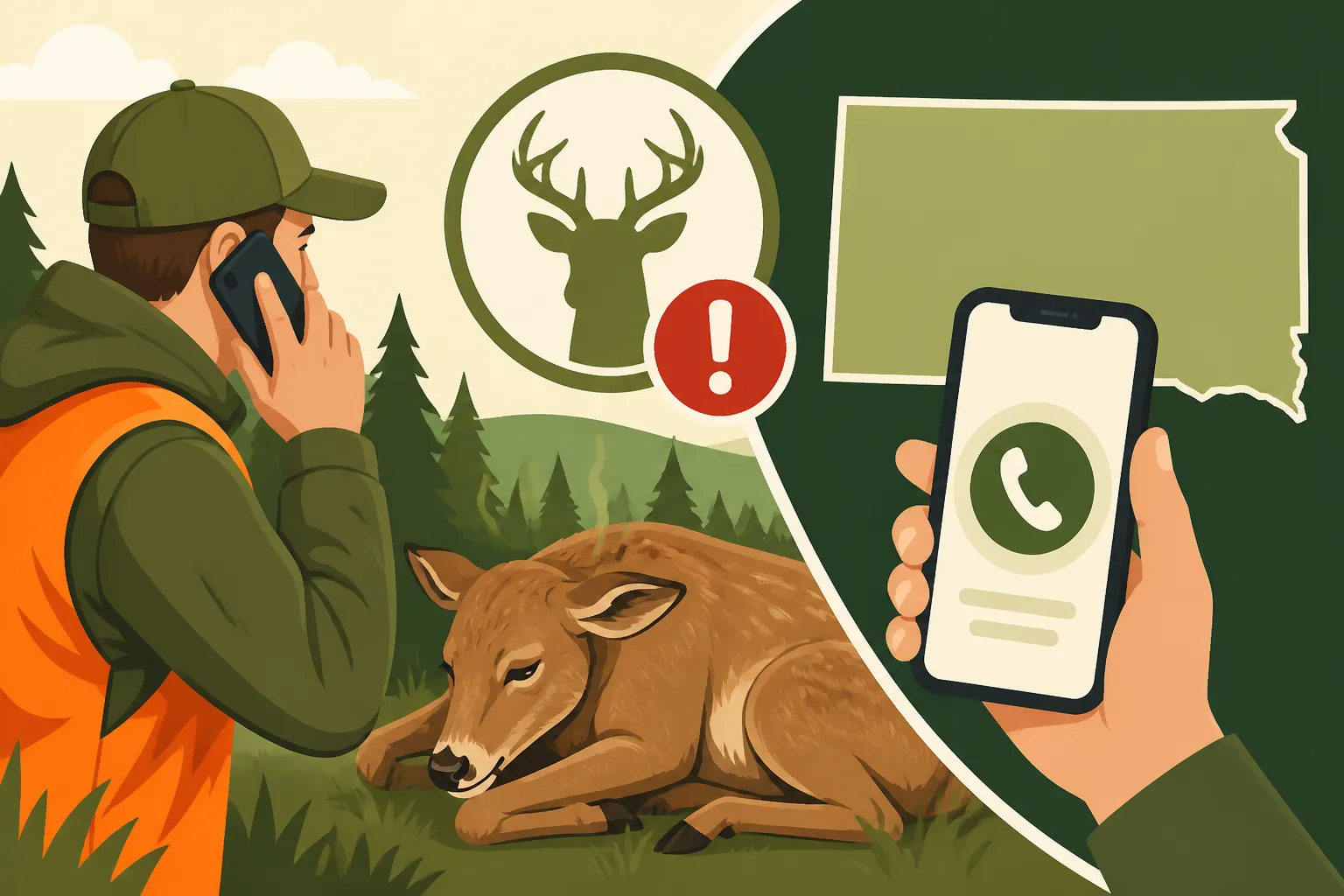
Once you've safely observed and documented the situation, it's time to make that crucial call. The primary agency to contact for sick or injured wildlife in South Dakota is the South Dakota Game, Fish and Parks (GFP). They have regional offices and conservation officers trained to handle these situations. You can find their contact information on the official GFP website, typically under their wildlife or law enforcement sections. For immediate concerns, especially if public safety is at risk (e.g., a potentially rabid animal in a populated area), you might also consider contacting local law enforcement, who can then coordinate with GFP.
When you make the call, be prepared to provide all the information you gathered. This includes:
- Your contact information: Name and phone number, in case they need more details or to follow up.
- Exact location: As precise as possible – GPS coordinates are ideal, otherwise specific landmarks or addresses. If you’re on public land, identifying the specific South Dakota Game Production Areas or Hunting South Dakota Walk-In Areas is key.
- Species of animal: Deer, pheasant, coyote, etc.
- Observed symptoms/injuries: Describe what you saw in detail.
- Time of observation: When did you see the animal?
It's important to understand that GFP personnel have to prioritize responses. While not every report will result in an immediate field visit, every piece of information is valuable for their ongoing wildlife monitoring and disease surveillance programs. Your call helps paint a clearer picture of the health of our state's wildlife.
Common Diseases to Watch For in South Dakota Wildlife
South Dakota's wildlife can be susceptible to various diseases, some of which are more commonly observed by hunters and outdoor enthusiasts. Knowing what to look for can help you identify a problem quickly and accurately.
Chronic Wasting Disease CWD in Deer and Elk
Chronic Wasting Disease (CWD) is a neurological disease that affects cervids, including deer, elk, and moose. It's a serious concern across South Dakota, particularly in some South Dakota Deer Units and Boundaries where it has been detected. The disease is always fatal, and its effects on the animal can be quite disturbing to witness. Common signs of CWD include:
- Extreme emaciation: The animal looks very thin, almost skeletal, despite often having access to food.
- Lethargy and abnormal behavior: The animal may appear listless, walk with a staggered gait, stand with a lowered head, or show a general lack of fear of humans.
- Excessive drooling: Saliva may accumulate around the mouth and chin.
- Increased thirst and urination: Though harder to observe directly, these are internal symptoms.
If you observe an animal with these symptoms, it's crucial to report it to GFP. While CWD isn't known to be transmissible to humans, the disease can contaminate the environment, making it a long-term threat to wild herds. Reporting helps GFP track its spread and manage affected areas, which is vital for the future of White-Tailed Deer Across South Dakota and South Dakota Elk in the Black Hills and Prairie populations.
Epizootic Hemorrhagic Disease EHD in Deer
Epizootic Hemorrhagic Disease (EHD) is another significant concern for deer in South Dakota, particularly during hot, dry periods when insects called midges, which transmit the disease, are prevalent. Unlike CWD, EHD can cause rapid mortality, sometimes within a few days of infection. Key symptoms often include:
- Fever: Animals may seek out water sources to cool down, often dying near them. You might find several deer carcasses around a single pond or creek.
- Swelling: Swelling of the head, neck, tongue, eyelids, and sometimes the legs.
- Internal hemorrhaging: This is harder to see externally but contributes to the animal's rapid decline.
- Lethargy and disorientation: Similar to CWD, but often more acute.
- Blue coloration of the tongue: Due to lack of oxygen, though this can be fleeting.
EHD outbreaks can lead to significant deer die-offs in localized areas. If you encounter multiple dead or severely sick deer near water, it's a strong indicator of EHD. Reporting these clusters helps GFP understand the scope of an outbreak and monitor its progression. While not directly harmful to humans, it's never advisable to consume meat from an animal suspected of having EHD. EHD Outbreaks in South Dakota Deer are unfortunately a recurring reality, and your vigilance can aid in tracking these events.
Avian Influenza in Waterfowl
Avian Influenza, or bird flu, is a viral disease that primarily affects birds, particularly waterfowl like ducks and geese, which are abundant in South Dakota's East River Prairie Pothole Country in South Dakota and along the Missouri River Hunting Access in South Dakota. While many strains cause mild or no symptoms in wild birds, highly pathogenic strains can be deadly and pose a threat to domestic poultry. Symptoms to watch for include:
- Lethargy and lack of coordination: Birds may appear sluggish, unable to fly, or stumble.
- Neurologic signs: Tremors, twisted neck, or seizures.
- Swelling: Especially around the head and eyes.
- Respiratory distress: Difficulty breathing, coughing, or sneezing.
- Sudden death: You might find multiple dead birds without obvious injury.
If you observe sick or dead waterfowl, especially a cluster of them, it's critical to report it to GFP. This is especially important if you also have backyard chickens or are involved in poultry farming, as contact with infected wild birds can lead to devastating outbreaks in domestic flocks. Hunters should exercise caution when handling waterfowl and always practice good hygiene.
Other Concerns Like Mange, Rabies, or Injuries
Beyond these major diseases, you might encounter other conditions that warrant a report.
- Mange: Often seen in canids like coyotes or foxes, mange is caused by mites and results in severe hair loss, crusty skin, and constant scratching. While not usually fatal directly, it can weaken an animal, making it vulnerable to other threats.
- Rabies: This highly dangerous viral disease affects mammals and can be transmitted to humans. An animal acting erratically—unusually aggressive, disoriented, excessively drooling, or unnaturally tame—could be rabid. Do not approach any animal exhibiting these signs. This is a prime example where public safety is paramount, and immediate reporting to GFP or local law enforcement is essential.
- Physical Injuries: A deer with a broken leg, an antelope entangled in a fence, or any animal suffering from a severe injury due to a vehicle collision or other accident. While wildlife agencies often focus on disease, severe injuries that cause prolonged suffering or pose a safety hazard might also be addressed.
Each of these scenarios presents a unique challenge, but the consistent response is responsible observation and prompt reporting to the appropriate authorities.
The Reporting Process with South Dakota Game, Fish and Parks
Navigating the reporting process for a sick or injured animal in South Dakota is fairly straightforward once you know what information GFP needs and what to expect afterward. Your thoroughness in gathering details makes a world of difference.
Gathering Essential Information for Your Report
When you contact the South Dakota Game, Fish and Parks, whether by phone or through their online reporting tools (if available), they'll be looking for specific details to help them respond effectively. Think of yourself as a crucial data collector in the field.
Here's a breakdown of the essential information they'll need:
- Precise Location: This is paramount. Don't just say "near Pierre." Provide specific GPS coordinates (from your phone or GPS device). If you're using an app like GoHunt, you can get very accurate coordinates. Alternatively, give an address, a rural route and mile marker, or detailed directions from a known landmark, such as "approximately 1.5 miles east of the junction of Highway 83 and County Road 10, in the cattail edge bordering a cornfield." The more precise, the better.
- Species Identification: Clearly state if it's a Mule Deer on the West River Breaks, a South Dakota Ring-Necked Pheasants, an antelope, a coyote, or another species. Even if you're not 100% sure, your best guess helps.
- Detailed Description of Symptoms/Condition: This is where your careful observation pays off.
- Behavioral: Is the animal stumbling, circling, acting disoriented, unresponsive, aggressive, unusually tame, or unable to stand?
- Physical: Is it emaciated? Does it have noticeable swelling on the head or body? Any visible wounds, broken limbs, or obvious signs of trauma? Is it drooling excessively, or does its fur/feathers look unusually sparse or matted (like with mange)?
- Deceased animals: If the animal is deceased, how many? Are they in a cluster? Any visible cause of death?
- Photos or Videos (if safe to obtain): As mentioned earlier, visual evidence can be incredibly powerful. A picture truly is worth a thousand words for a wildlife biologist or conservation officer trying to diagnose a problem from afar. Just ensure you capture these safely, without approaching too closely.
- Date and Time of Observation: Knowing when you saw the animal helps GFP understand the timeline of its condition.
- Your Contact Information: Be sure to provide your name and phone number so a GFP official can follow up if they need more details or clarification. They might even reach out to thank you for your vigilance!
By providing these details, you're not just reporting an animal; you're providing actionable intelligence that aids in robust wildlife management.
What Happens After You Report
Once you've made your report to the South Dakota GFP, you might wonder what the next steps are. It's important to understand that the response can vary depending on the severity of the situation, the species involved, and the nature of the symptoms.
Generally, here's what you can expect:
- Assessment by GFP Staff: Your report will be reviewed by wildlife biologists or conservation officers. They'll use the information you provided, combined with their knowledge of current disease trends and local conditions, to assess the situation. For instance, if you report multiple deer near water with specific symptoms in late summer, it might immediately flag as a potential EHD outbreak.
- Prioritization: Not every report will lead to an immediate field visit. GFP must prioritize based on public safety risks (like rabies), potential for widespread disease (like CWD or highly pathogenic avian influenza), and the sheer volume of reports they receive. A single deer with a minor injury might be monitored, while a cluster of dead birds or a visibly rabid animal will warrant a much faster response.
- Investigation and Monitoring: For disease concerns, GFP might dispatch staff to the location to investigate further, collect samples for testing, or simply monitor the situation. They track these reports to identify patterns, determine areas of concern, and understand the overall health trends of South Dakota Wildlife Disease Monitoring. Your report directly contributes to this larger data set.
- Educational Outreach: Sometimes, if a widespread issue is identified (like an EHD outbreak), GFP might use these reports to inform the public through advisories or updates, providing guidance to other hunters and landowners.
- No Direct Feedback (sometimes): While GFP appreciates every report, you might not always receive a direct follow-up on the specific outcome of the animal you reported. Rest assured, your information is valuable and contributes to the ongoing management of South Dakota's wildlife resources. The act of reporting itself is the crucial part, showing your commitment to responsible hunting and conservation.
| Symptom/Condition | Potential Cause | Action Required |
|---|---|---|
| Extreme thinness, drooling, dull eyes, lack of fear | Chronic Wasting Disease (CWD) | Report immediately to SD GFP. Do NOT consume meat. |
| Stumbling, lethargy, seeking water, swelling, dead near water | Epizootic Hemorrhagic Disease (EHD) | Report immediately to SD GFP. Do NOT consume meat. |
| Disoriented, aggressive, unusually tame, excessive drooling | Rabies | Report immediately to SD GFP AND local law enforcement. Stay clear. |
| Lethargic, uncoordinated, difficulty breathing, sudden death (especially in clusters) | Avian Influenza (Bird Flu) | Report immediately to SD GFP. Avoid direct contact, especially if you own poultry. |
| Hair loss, crusty skin, constant scratching | Mange | Report to SD GFP. Severity determines response. |
| Visible broken bones, deep wounds, entanglement in fence | Injury (e.g., vehicle collision, entanglement) | Report to SD GFP. They will assess for humane intervention. |
Disclaimer
This article is for general informational purposes only and does not constitute professional advice. Laws, prices and regulations vary by location and change over time. Consult a qualified professional for guidance on your specific situation.