Wild Turkeys in South Dakota
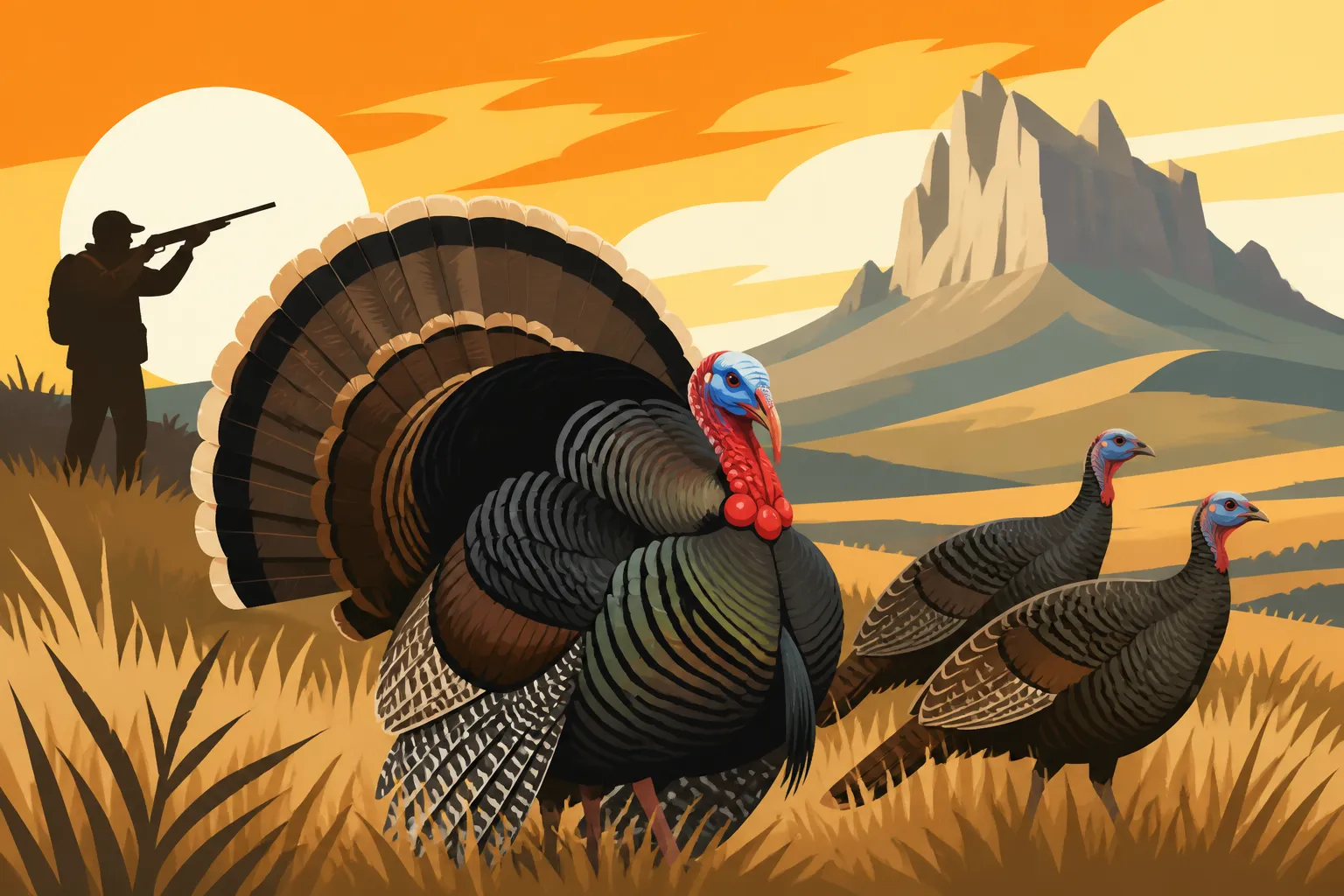
There's nothing quite like the heart-stopping gobble of a wild turkey breaking the silence of a South Dakota spring morning, or the challenge of locating a wary tom in the expansive fall landscape. For many hunters, chasing turkeys here can be a truly exhilarating experience, but it also comes with its unique set of frustrations, from deciphering the elusive Black Hills Merriam's to understanding the diverse populations scattered across the prairie. This comprehensive guide will walk you through everything you need to know about wild turkeys in South Dakota, covering their history, the distinct subspecies you'll encounter, where to find them, and the most effective tactics to help you fill your tag, ensuring your next hunt is as successful and enjoyable as possible.
The Resurgence of Wild Turkeys in South Dakota
It’s easy to assume wild turkeys have always been a staple of the South Dakota landscape, especially when you consider how robust their populations are today. However, the story of the wild turkey here is one of incredible conservation success. By the early 20th century, due to unregulated hunting and habitat loss, wild turkeys had been completely extirpated from the state. It's a stark reminder of how quickly even abundant game can disappear without thoughtful management.
Historical Context and Introduction
The reintroduction efforts for wild turkeys in South Dakota began in earnest in the 1950s. The first successful releases involved the adaptable Merriam's subspecies, primarily in the rugged and timbered terrain of the Black Hills. These birds, often transplanted from neighboring states like Wyoming and Colorado, found the ponderosa pine forests and the broken topography to their liking, establishing strong footholds surprisingly quickly. It was a true testament to the tenacity of the species and the dedication of wildlife managers.
Following the success in the Black Hills, attention turned to the rest of the state, particularly the river drainages and eastern woodlots where suitable habitat existed. This phase saw the introduction of Eastern wild turkeys, and later, the development of hybrid populations resulting from the interbreeding of Easterns and Merriam's, or even Rio Grande genetics in some areas. This strategic release of different subspecies into appropriate habitats laid the groundwork for the diverse and widespread turkey populations we enjoy across South Dakota today. The careful planning around habitat suitability was key, recognizing that a bird thriving in the mountains might struggle on the open prairie, and vice-versa.
Population Dynamics and Growth
Today, South Dakota boasts healthy and huntable turkey populations, a far cry from their absence just decades ago. The populations have largely stabilized, though they fluctuate year to year based on factors like nesting success, severe winters, and disease. Hunters often worry about localized dips in numbers, and while these can happen, the overall trend points to a thriving wild turkey presence thanks to ongoing habitat work and careful management by the South Dakota Game, Fish and Parks (GFP).
The state diligently monitors these populations through various surveys, assessing brood survival and habitat conditions. While they might not conduct a statewide "turkey count" in the same way some states do, they certainly keep a close eye on regional trends. Understanding these dynamics is crucial for setting appropriate season lengths and bag limits, ensuring that the hunting opportunities remain sustainable for future generations. For hunters keen on doing their own research, resources like the GoHunt platform can provide valuable data on harvest trends and population health in specific units, helping you gauge your chances of success.
Understanding South Dakota's Turkey Subspecies
South Dakota is unique in that it offers hunters the chance to pursue multiple subspecies of wild turkey, each with its own characteristics and preferred habitats. This diversity adds an exciting layer of challenge and interest to turkey hunting in the state, requiring hunters to adapt their strategies based on the birds they're pursuing.
Merriam's Turkeys in the Black Hills
The Black Hills of western South Dakota are home to the majestic Merriam's wild turkey. These birds are distinct from their Eastern cousins, often showcasing lighter, more iridescent plumage with white or buff-colored tail fan tips and tail feather coverts, giving them a ghostly appearance in the dappled sunlight of the ponderosa pines. Their gobble tends to be higher pitched and less robust than an Eastern's, and they often travel in larger flocks, particularly outside of the breeding season.
Hunting Merriam's in the Black Hills presents a unique set of challenges. This isn't flat ground hunting; you'll be navigating steep ridges, deep canyons, and vast timbered expanses. These birds are known for their strong legs, covering significant ground daily and often roosting high in tall pine trees. Their behavior can also be frustratingly different; they might gobble incessantly on the roost only to shut down once they hit the ground, or they might prefer to be called up to higher elevations rather than down into draws. Success often hinges on your ability to Calling Elk in Black Hills Timber, reading the topography, and being patient as you stalk through the silent woods.
Eastern and Hybrid Turkeys Across the State
As you move east from the Black Hills, particularly along the major river systems like the Missouri, James, and Big Sioux, you'll encounter Eastern wild turkeys and various hybrids. Easterns typically have darker body plumage with chestnut-brown tips on their tail feathers and coverts, presenting a much darker profile than a Merriam's. Their gobble is deeper, richer, and often more resonant, a sound that truly echoes through the timbered river bottoms.
Many areas in central and eastern South Dakota, especially where multiple subspecies were introduced or where their ranges overlap, feature hybrid turkeys. These birds can display a blend of physical characteristics and behaviors, making them a fascinating puzzle for hunters. You might find a bird with the body coloration of an Eastern but hints of white on its tail, or one that exhibits the vocalizations of both. These mixed populations can be highly adaptable, thriving in fragmented woodlands, shelterbelts, and agricultural landscapes, often roosting in cottonwoods along creeks or in established tree rows. Hunting these birds often involves Hunting Whitetails in South Dakota's Missouri River Timber tactics, as they frequent similar cover.
| Subspecies | Primary Location | Key Physical Traits | Gobble Characteristic | Typical Habitat | Hunting Challenge |
|---|---|---|---|---|---|
| Merriam's | Black Hills (West River) | Lighter body, white/buff tail tips | Higher pitch, less resonant | Ponderosa pine forests, steep draws | Rugged terrain, silent after fly-down |
| Eastern/Hybrid | East River, River Bottoms | Darker body, chestnut/brown tail tips | Deeper, richer, more resonant | River timber, shelterbelts, woodlots | Deciphering hybrid behavior, pressured birds |
Prime Turkey Habitat in South Dakota
South Dakota's diverse landscape offers a range of habitats that wild turkeys call home, each presenting distinct hunting opportunities and requiring different approaches. Understanding where these birds prefer to spend their time is the first step to a successful hunt.
Black Hills Forests and Timbered Draws
The Black Hills are a prime example of ideal Merriam's turkey habitat. These "islands in the plains" are characterized by extensive stands of ponderosa pine, interspersed with oak, birch, and aspen in the higher elevations and draws. The broken topography, with its myriad of canyons, ridges, and hidden pockets, provides ample roosting sites in tall pines, protection from predators, and a rich diversity of food sources including acorns, pine seeds, and various insects and forbs.
Hunters in the Black Hills need to be prepared for physical exertion. Turkeys here don't necessarily avoid human presence, but they are masters of using the terrain to their advantage. They might fly down into a deep canyon and spend the morning foraging, requiring you to carefully plan your approach to get within calling distance. Look for sign in the mornings near roost trees – droppings, feathers, and tracks in the dirt – which can give you a clue to their daily patterns. Using aerial maps, especially those found on platforms like GoHunt, can help you identify potential roosting areas and travel corridors, saving you precious scouting time.
River Bottoms and Eastern Woodlots
Moving east, the major river systems of South Dakota, such as the Missouri River, the James River, and the Big Sioux River, create crucial corridors of prime Eastern and hybrid turkey habitat. These river bottoms are often lined with mature cottonwoods, ash, elm, and oak trees, providing excellent roosting and nesting cover. The adjacent agricultural fields and food plots offer abundant food sources throughout the year, from waste grain to lush green shoots.
These habitats can be incredibly productive, but they also often receive more hunting pressure, especially on readily accessible public lands. Turkeys in these areas tend to be more vocal on the roost but can become exceptionally cagey once on the ground, sometimes running significant distances or crossing open fields to escape pressure. Understanding how Hunting Pressure Patterns on Walk-In Areas affects bird behavior here is paramount. Your best bet is to find areas with a mix of dense cover and open feeding grounds, focusing on early morning setups near known roosts or intercepting birds moving between feeding and loafing areas during the mid-morning.
Prairie River Corridors and Shelterbelts
Even in the more open, traditional prairie country of South Dakota, pockets of excellent turkey habitat can be found. Smaller creeks, ephemeral streams, and even man-made shelterbelts provide crucial thermal cover, protection, and roosting opportunities for turkeys where larger timber is scarce. These isolated patches of trees often concentrate birds, making them hotspots for hunters. While these might not hold huge numbers, the birds present are often less pressured and can be quite responsive.
These prairie-dwelling birds are masters of survival in a starker landscape. They might travel considerable distances across open grasslands to reach a particular shelterbelt for roosting or a draw with thicker brush for loafing. Hunting these areas requires a different kind of patience and observation. Glassing from a distance, much like when Spot-and-Stalk Antelope Hunting in South Dakota, can help you locate flocks as they move from roosts to feeding areas or vice versa. Always respect property boundaries and secure permission before entering private land, as many of these prime shelterbelts are on private farms.
South Dakota Turkey Seasons and Licensing
Understanding the nuances of South Dakota's turkey seasons and the licensing process is crucial for any hunter planning a trip. The state offers both spring and fall opportunities, each with distinct regulations and experiences.
Spring Turkey Season Details
Spring turkey season in South Dakota is the highlight for many, primarily focused on harvesting gobblers. The season typically opens in early April and runs through late May, providing ample opportunity to experience the peak of the spring breeding activity. Hunters eagerly anticipate the cacophony of gobbling that fills the air as toms display for hens. The regulations vary slightly between the Black Hills unit and the West River and East River prairie units, often with different application periods and tag structures.
Generally, you'll be looking to draw a specific unit and weapon-type tag (e.g., archery or firearms). The Black Hills unit often has more permits available, reflecting its larger turkey population and habitat. For the prairie units, tags can be more limited and highly sought after, especially for desirable areas with good public access or known turkey numbers. The thrill of calling a big tom into close range during the spring strut is unparalleled, making this season incredibly popular. For details on application dates and deadlines, consult the South Dakota Game, Fish and Parks (GFP) website or a reliable resource like GoHunt for up-to-date information, as these dates can shift slightly year to year.
Fall Turkey Season Opportunities
While spring gets most of the attention, South Dakota also offers a fantastic fall turkey season, typically running from October through January. Fall turkey hunting provides a completely different experience, often focusing on breaking up flocks and calling birds back together. This season allows for the harvest of any turkey, whether a gobbler or a hen, adding flexibility to your hunt.
The fall season is often less pressured than spring, and tags are typically more readily available, sometimes even over-the-counter in certain units. This can be a great option for hunters who missed out on a spring tag or who prefer the challenge of locating and breaking up a flock. Turkeys in the fall are focused on feeding and regrouping, making their behavior more predictable in some ways, but also requiring a different skill set than spring calling. You might find success by scouting agricultural fields after harvest or by locating larger flocks in timbered river bottoms. You'll need to check the specific South Dakota Turkey Season Dates for the current year to plan your autumn adventures.
Licensing and Application Process
Navigating the South Dakota licensing and application process can feel a bit daunting, especially for non-residents. For spring turkey, most tags are allocated through a lottery draw system. You'll need to apply within specific application periods, usually in January or February, with draw results announced shortly thereafter. It’s crucial to be aware of the specific unit you want to hunt, as success rates can vary wildly. Non-residents have limited tag availability in many prairie units, making those draws more competitive.
Residents generally have more options and higher draw odds. The cost for a South Dakota Nonresident Licence Costs can also be a significant factor to consider. For both residents and non-residents, you'll also need a South Dakota hunting license and a habitat stamp. For non-residents, small game licenses often cover turkey hunting, but always double-check the current regulations. The GFP website is your authoritative source for all licensing details, deadlines, and fee structures. Don't procrastinate on applying, as missed deadlines mean missed opportunities. The detailed guide on South Dakota Turkey Licence Draw provides further insights into increasing your chances of success.
Effective Turkey Hunting Tactics for South Dakota Terrain
Chasing wild turkeys in South Dakota requires adaptability. What works for a Merriam's in the Black Hills might not cut it for a hybrid on the prairie. Tailoring your approach to the specific subspecies and terrain is key to consistent success.
Roosting and Morning Setups
The pre-dawn hours are often the most exciting time to hunt turkeys. Locating birds on the roost the evening before can give you a significant advantage. This involves listening for those tell-tale tree gobbles just before dark, or even using locator calls like an owl hooter or crow call to provoke a shock gobble. Once a roost is located, you can plan your morning setup. The goal is to get into position silently, under the cover of darkness, within 100-150 yards of the roost tree, before the birds fly down.
When setting up, consider the terrain and how the birds might fly down or move after hitting the ground. In the Black Hills, Merriam's might pitch down the side of a steep ridge, or onto a flat bench. For Easterns along a river bottom, they might fly down into the thick timber or directly into an open field. Always try to position yourself so that the bird has to come to you, ideally over a slight rise or through a clearing, allowing for a clean shot. Understanding Where South Dakota Turkeys Roost is fundamental for these morning tactics. This strategic placement helps immensely, as turkeys often prefer to pitch down from the roost rather than walking a great distance through dense cover immediately.
Calling Strategies for Merriam's and Easterns
The art of calling is central to turkey hunting, but the effectiveness of different calls can vary by subspecies and situation. Merriam's in the Black Hills can be notoriously tricky. They might gobble aggressively on the roost but go silent once on the ground, or they might hang up frustratingly out of range. Softer hen yelps, clucks, and purrs can be effective, mimicking a contented hen. Sometimes, very little calling is needed, or a silent approach is best. If they respond to aggressive calling, keep it consistent but not over the top.
Eastern and hybrid turkeys, particularly those in river bottoms and agricultural areas, often respond well to a more diverse range of calls. Aggressive cutting, loud yelps, and even gobbler clucks can pique their interest. However, these birds can also be heavily pressured, especially on public lands, making them warier. Sometimes, subtle calling is better, while other times, a loud, attention-grabbing series is needed to pull them away from real hens. Experimentation is key, but generally, try to read the bird's mood and respond accordingly. Don't be afraid to switch between different calls – slate, box, diaphragm – until you find what gets a response.
Navigating Public and Private Lands for Turkeys
South Dakota offers a mix of public and private land opportunities for turkey hunting. Public lands, including National Forests, Game Production Areas, and Hunting South Dakota Walk-In Areas, can be excellent, but they often see more hunter traffic. Early season or weekday hunts often yield better results on public ground, or be prepared to walk further than other hunters. The South Dakota Public Hunting Atlas is an invaluable tool for identifying these accessible areas.
Private land is where many of the state's largest turkey populations reside, especially in the fertile East River region. Gaining permission from landowners can be challenging but incredibly rewarding. Start by scouting areas, identifying potential landowners, and then approaching them respectfully well in advance of the season. Offer to help with chores or provide a small gift as a thank you. Building these relationships can unlock access to phenomenal hunting. Remember, always respect posted land and clearly understand Finding Private Land Access in South Dakota rules to avoid trespass issues. Having an "onX Hunt" or similar mapping app on your phone with public/private land layers is almost essential when hunting South Dakota, ensuring you know exactly where you stand.
Essential Gear and Preparation for a South Dakota Turkey Hunt
A successful turkey hunt in South Dakota isn't just about calling; it's also about being properly equipped and prepared for the diverse conditions you might encounter. From your firearm to your camouflage, every piece of gear plays a role.
Shotgun and Ammunition Choices
For shotgun hunters, a 12-gauge or 20-gauge shotgun is typically the weapon of choice for turkeys. Many hunters prefer a 12-gauge for its wider range of load options and larger shot payload, but modern 20-gauges, especially those designed for turkey hunting, can be incredibly effective. Regardless of gauge, a tight choke (full or extra-full) is critical for dense patterns at turkey-killing ranges. Patterning your shotgun with your chosen ammunition before the season is absolutely non-negotiable. You need to know exactly how your gun performs at 20, 30, and 40 yards.
When it comes to ammunition, modern high-density loads like Federal Heavyweight TSS, Winchester Long Beard XR, or equivalent Tungsten Super Shot (TSS) options have revolutionized turkey hunting. While more expensive, these loads deliver incredible energy and pattern density, extending ethical shot ranges and increasing lethality. For traditional lead loads, #4, #5, or #6 shot are common choices. Always carry a few extra shells, and if hunting in damp conditions, ensure your ammunition is protected. For bowhunters, broadhead selection is also crucial, with mechanical broadheads often favored for their large cutting diameter and accuracy.
Camouflage and Concealment
Turkeys possess incredible eyesight, arguably among the best in the animal kingdom. This means your camouflage and concealment strategy needs to be top-notch. Head-to-toe camouflage is essential, including a face mask and gloves. Patterns that mimic the natural environment you'll be hunting in – whether it's the mottled greens and browns of the Black Hills timber or the more open, scrubby hues of prairie river bottoms – will serve you well. Popular brands like Mossy Oak, Realtree, or Sitka all offer excellent turkey-specific patterns.
Beyond just the pattern, remaining absolutely still is paramount. Even a slight twitch of the head or hand can spook an approaching tom. Many hunters opt for a pop-up ground blind, especially when hunting with youth or in areas with limited natural cover. These blinds provide excellent concealment and allow for more movement. If hunting without a blind, utilize natural cover like fallen logs, thick brush, or the base of a large tree to break up your outline. Remember, being comfortable in your setup also helps with stillness, so bring a comfortable seat or cushion.
Scouting Tools and Techniques
Effective scouting, both pre-season and in-season, significantly increases your chances of success. Pre-season scouting involves pouring over aerial maps, often using tools like GoHunt or onX, to identify potential turkey roosts, travel corridors, and feeding areas. Look for dark timber patches near open fields, creek bottoms, or areas where different habitat types converge. This remote scouting can save you countless hours in the field.
In-season scouting involves getting boots on the ground. Look for physical sign: tracks in dusty roads or soft earth, droppings, shed feathers, and strut marks where gobblers have dragged their wings. Listen for gobbles at dawn and dusk, or for "yelps" from hens and young birds throughout the day. Pay attention to food sources; if turkeys are feeding on acorns, find the oak stands. If they're in agricultural fields, note what crops are present. Even listening for the distinct drumming sound of a gobbler can pinpoint his location. For hunters, scouting a South Dakota Unit From Home has become a major advantage.
Challenges and Conservation Efforts for South Dakota Turkeys
While South Dakota's wild turkey populations are generally robust, they face ongoing challenges, and their continued success relies heavily on smart conservation practices. Understanding these factors is important for hunters and anyone invested in wildlife health.
Weather Impacts and Predator Pressures
Wild turkeys, like all wildlife, are susceptible to the whims of Mother Nature. Severe winter weather, especially prolonged periods of deep snow and extreme cold, can take a toll on populations, particularly if food sources become scarce and birds are forced to expend more energy to survive. Spring weather during nesting and brood-rearing is also critical. Cold, wet springs can lead to poor nesting success and high poult mortality, impacting the following year's turkey numbers. Conversely, mild winters and warm, dry springs can lead to population booms.
Predator pressure is another constant factor. Coyotes, bobcats, foxes, raccoons, and even some raptors all prey on turkeys, especially eggs and young poults. While predation is a natural part of the ecosystem, abnormally high predator numbers in specific areas can impact turkey recruitment. Wildlife managers monitor these dynamics, and sometimes, targeted predator management or habitat improvements that provide better cover for nesting hens and poults are implemented to help give turkeys an edge. These natural pressures are part of the wild turkey's life cycle, and understanding them helps set realistic expectations for hunting success.
Habitat Management and Future Outlook
The long-term success of South Dakota's wild turkeys hinges on ongoing habitat management. Turkeys need a diverse landscape that provides suitable roosting sites, secure nesting cover, and abundant food sources throughout the year. This means protecting and enhancing timbered river bottoms, maintaining and creating shelterbelts on the prairie, and ensuring a mosaic of agricultural and natural areas that meet their needs. Programs that encourage landowners to enroll in conservation practices, like planting trees or leaving waste grain, directly benefit turkey populations.
Conservation efforts extend beyond just habitat. South Dakota Game, Fish and Parks continuously monitors turkey health, including testing for diseases that could impact populations. Through careful management of hunting seasons and bag limits, they ensure sustainable harvest levels, allowing populations to remain healthy and providing ample hunting opportunities for future generations. As hunters, supporting organizations like the National Wild Turkey Federation (NWTF) and participating in local conservation initiatives helps ensure that the distinctive gobble of a wild turkey will continue to echo across South Dakota's diverse landscapes for years to come.
Disclaimer
Please note that hunting regulations, seasons, and licensing requirements in South Dakota are subject to change. Always consult the official South Dakota Game, Fish and Parks (GFP) website or their current hunting handbook for the most up-to-date and accurate information before planning any hunt. This guide is for informational purposes only and does not supersede state regulations.