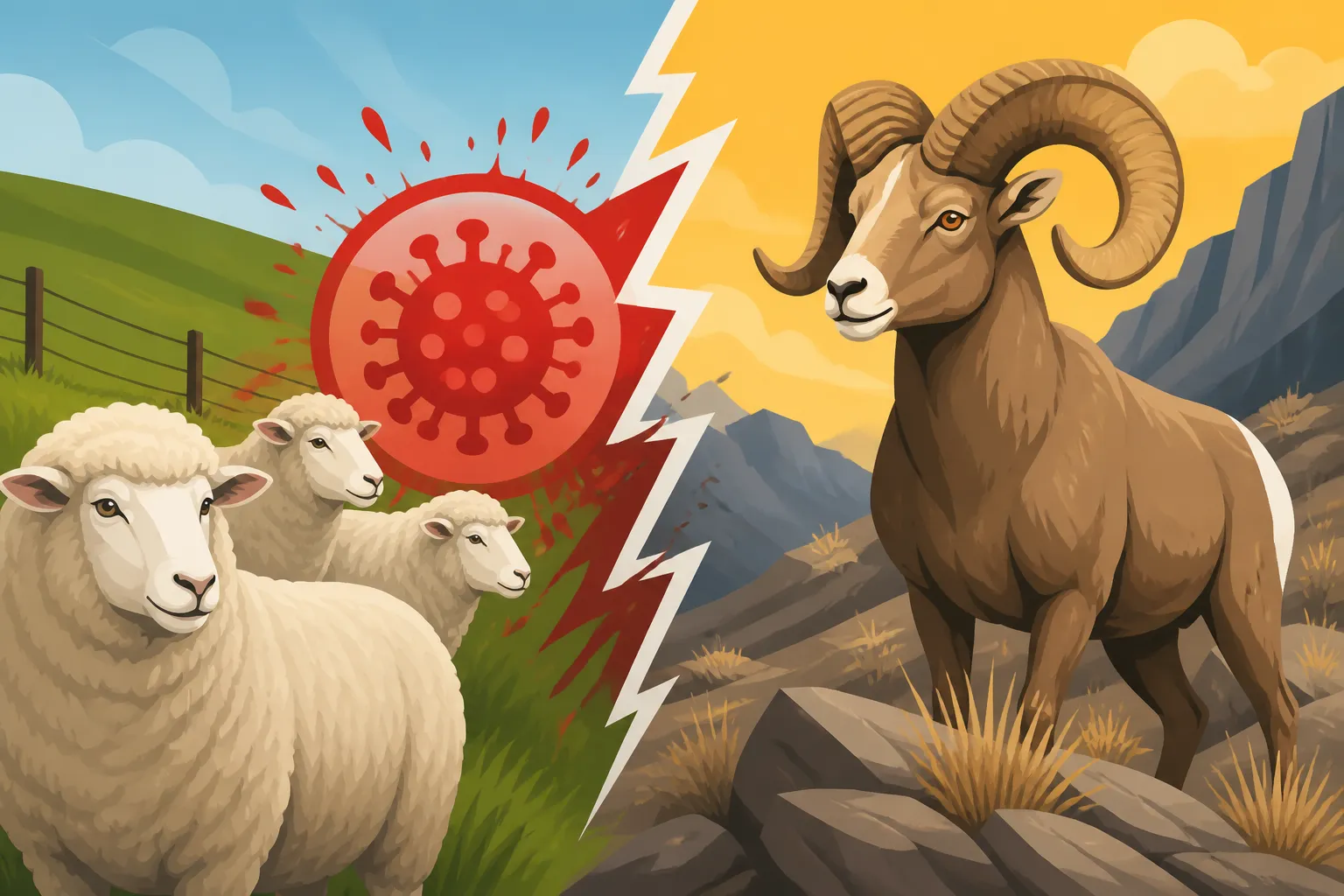
Why Domestic Sheep Threaten Bighorns
The majestic bighorn sheep, with their incredible horns and ability to navigate the most rugged terrain, are a true symbol of wild South Dakota. However, these magnificent creatures face a silent, yet incredibly deadly threat from an unexpected source: domestic sheep. This guide will delve into the critical, often heartbreaking, reasons why domestic sheep pose such a severe risk to our precious bighorn herds, and what it means for their future in our state.
Understanding the Bighorn Sheep Story in South Dakota
South Dakota’s bighorn sheep are not just another game animal; they are a conservation success story, albeit one constantly facing uphill battles. Their presence is a testament to dedicated wildlife management, but their survival hangs by a delicate thread.
A Legacy of Reintroduction and Struggle
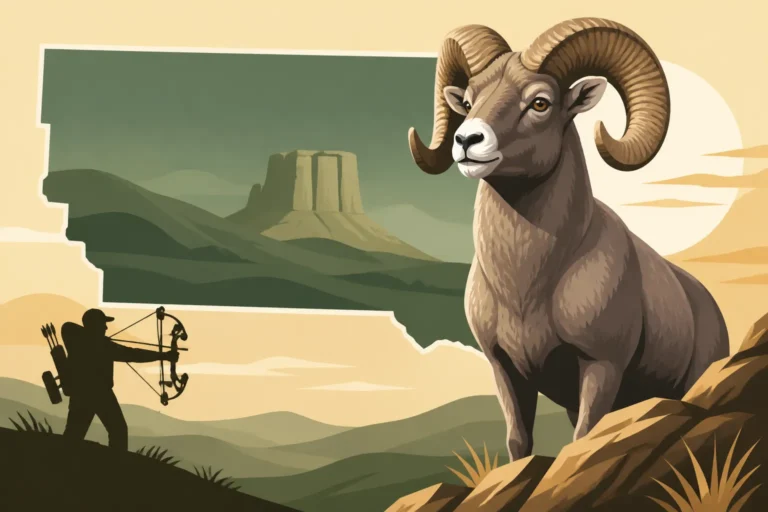
Historically, bighorn sheep once roamed parts of South Dakota, particularly in the rugged Black Hills. Sadly, due to unregulated hunting, habitat loss, and disease, these native populations were extirpated by the early 20th century. For decades, the Black Hills felt a void where these iconic animals once stood. The story of bighorns in South Dakota is one of determined reintroduction efforts, starting in the 1960s with animals brought from other states. These efforts aimed to restore a piece of our wild heritage, establishing small, fragile herds in challenging landscapes. Each successful lambing season and every mature ram that graces the rocky ledges is a victory hard-won. The First Bighorns Brought to Custer State Park marked a significant step in this journey, illustrating the long road of recovery for these majestic animals. Bighorn Translocations Since the 1960s have continued this vital work, slowly and carefully rebuilding what was lost.
The Elusive Nature of Wild Bighorns
Wild bighorn sheep are incredibly specialized animals. They thrive in steep, open, rocky terrain, using their incredible agility and keen eyesight to navigate cliffs and evade predators. This unique habitat preference often isolates them from human settlements, which historically provided them some protection. They are social creatures, living in herds that offer collective defense and foster strong bonds. For hunters, drawing a bighorn sheep tag in South Dakota is a once-in-a-lifetime opportunity, a testament to the rarity and difficulty of these hunts. Once-in-a-Lifetime Tags in South Dakota are exactly that for a reason – these animals are precious. Their elusive nature makes studying and managing them a constant challenge, but it also underscores their wild spirit, making their conservation all the more compelling. Protecting these herds is not just about hunting; it's about preserving a critical component of the Black Hills ecosystem and ensuring the genetic health of a species that truly embodies the rugged beauty of our state.
The Silent Killer: Disease Transmission from Domestic Sheep
The gravest threat to South Dakota’s bighorn sheep populations isn’t a predator or extreme weather; it's a microscopic bacterium carried by an animal that often seems harmless: the domestic sheep.
Mycoplasma Ovipneumoniae: The Primary Culprit
The scientific name might be a mouthful – Mycoplasma ovipneumoniae, or M.ovi for short – but its impact on bighorn sheep is devastatingly simple. This bacterium, often carried by domestic sheep with little to no ill effect, can be a death sentence for their wild cousins. When a bighorn sheep contracts M.ovi, it typically develops severe, chronic pneumonia. While domestic sheep might cough a bit or show mild symptoms, bighorns suffer tremendously. The most tragic aspect is the effect on lambs. Even if adult bighorns survive an initial M.ovi outbreak, the lingering effects of the disease often lead to very low, sometimes zero, lamb survival rates for years afterward. This means a herd might not be able to recruit new members, essentially facing a slow, agonizing decline. Bighorn Pneumonia and South Dakota Herd Setbacks refers directly to this critical issue, highlighting the severe challenges faced by conservationists.
How Contact Occurs and Spreads
The heartbreaking reality is that even brief, indirect contact between domestic and bighorn sheep can initiate a devastating M.ovi outbreak. This isn't about domestic sheep wanting to harm bighorns; it's an unfortunate consequence of their shared environment. Domestic sheep, whether raised for wool, meat, or as pets, can carry M.ovi asymptomatically. If a domestic sheep wanders off its pasture or if bighorns venture down from their high country into lower grazing areas, even a passing encounter can be enough. They might share a watering hole, cross paths on a trail, or graze in the same area hours apart, leaving behind the pathogen.
Ranching operations near bighorn habitat face immense pressure to manage their herds to prevent these interactions. This is where modern tools can play a part in proactive management. Landowners and land managers, by meticulously tracking land boundaries and areas where domestic livestock might roam, can potentially reduce overlap. For those trying to understand land ownership and potential conflict zones, mapping tools like GoHunt can be invaluable resources. By understanding precisely where private and public lands meet, where grazing allotments exist, and where bighorn populations are known to frequent, both ranchers and wildlife agencies can better plan separation strategies. Even the wind can carry aerosolized bacteria a short distance, making perfect isolation incredibly difficult in varied terrains like the Black Hills.
Devastating Outcomes for Bighorn Herds
The consequences of an M.ovi introduction into a bighorn herd are dire and long-lasting. Initial exposure can lead to rapid die-offs, with significant percentages of the herd perishing from acute pneumonia. However, the tragedy doesn't end there. As mentioned, the disease often becomes endemic within the herd. This means that while some adults may develop a degree of immunity, they can become chronic carriers, constantly shedding the bacteria. Lambs, born into an infected herd, are highly susceptible and suffer extremely high mortality rates. This "all-age die-off," followed by years of poor lamb recruitment, can effectively cripple a bighorn population. A herd that once thrived might dwindle to just a few individuals, or even vanish entirely. It's a slow-motion disaster that can undo decades of dedicated conservation work, turning a vibrant population into one teetering on the brink of extinction. Pneumonia in South Dakota Bighorn Herds is a stark reminder of these persistent challenges.
Mitigating the Risk: Strategies for Coexistence (and Separation)
Given the severity of the threat, effective strategies are paramount to protect South Dakota's bighorns. The primary goal is often separation, but successful implementation requires a multi-faceted approach involving everyone from state agencies to private landowners and even hunters.
Separation as the Golden Rule
The most effective, though often most challenging, strategy is to prevent any contact whatsoever between domestic and bighorn sheep. This means actively separating their grazing ranges. In areas with known bighorn populations, this can involve modifying domestic sheep grazing allotments, investing in specialized fencing designed to keep domestic sheep contained, or even acquiring land to create buffers. It's not a simple task, especially in vast, open landscapes like parts of the Black Hills National Forest or other West River areas where bighorns might range. Wildlife managers constantly face the logistical nightmare of ensuring no overlap. Strategic fencing, combined with diligent herd management on the part of ranchers, forms the bedrock of this effort. This separation is crucial for the long-term health of South Dakota Bighorn Sheep Numbers.
Educational Outreach and Landowner Partnerships
Successful bighorn conservation isn't solely the responsibility of state agencies; it absolutely requires the cooperation of private landowners. Many domestic sheep operations have existed for generations, and sudden changes can be difficult. That's why educational outreach is so critical. Working with ranchers to help them understand the risks, providing resources for disease prevention in their own herds, and fostering a spirit of collaboration are essential. Landowners who are aware of bighorn ranges nearby and take proactive steps to manage their domestic animals – such as not allowing them to wander, monitoring their health, and reporting any potential interactions – become invaluable partners. Organizations and government agencies often work to compensate landowners for certain land management practices that benefit bighorns, recognizing their vital role. For those involved in land management and property assessment, understanding topographical features and property lines, perhaps through tools like GoHunt, can further facilitate these partnerships by providing clear, visual information.
Hunter and Outdoor Enthusiast Responsibility
Even if you're not a domestic sheep owner, you have a role to play in protecting bighorns. If you're Scouting South Dakota Public Ground Before the Season or exploring areas like the Black Hills National Forest Hunting lands, keep your eyes open. If you ever encounter bighorn sheep in close proximity to domestic sheep, or see domestic sheep roaming unattended near known bighorn habitat, it's crucial to report it to the South Dakota Game, Fish and Parks. Early detection of potential contact can be the first step in mitigating a larger problem. Furthermore, practice meticulous bio-security. If you've been in areas with domestic sheep, especially if you handle your own sheep at home, ensure your boots, clothing, and equipment are thoroughly cleaned before venturing into bighorn country. This minimizes any risk of inadvertently transferring pathogens. Every little bit of vigilance helps safeguard these truly magnificent creatures.
The Broader Conservation Picture for South Dakota Bighorns
Protecting South Dakota's bighorns extends beyond preventing disease; it's about valuing their presence and actively managing their future. Their continued existence enriches our state in numerous ways.
The Value of Healthy Bighorn Populations
Bighorn sheep are much more than just a trophy animal. Ecologically, they are an integral part of the Black Hills ecosystem, contributing to biodiversity and serving as a key indicator species for the health of their rugged habitats. Their presence draws wildlife enthusiasts, photographers, and those who simply appreciate the wildness they embody. From a hunting perspective, the opportunity to draw a tag for a bighorn ram is among the most coveted experiences in North American hunting. This rarity underscores their value, and the revenue generated from these limited tags often goes directly back into conservation efforts for bighorns and other wildlife. To lose these herds to preventable disease would be a profound loss to South Dakota's natural heritage, impacting both our ecosystems and our outdoor traditions. South Dakota Bighorn Sheep Numbers are always a concern, and every effort to increase them is critical.
Ongoing Monitoring and Management Efforts
The South Dakota Game, Fish and Parks (GFP) and various conservation partners are tirelessly working to monitor and manage bighorn sheep populations. This includes aerial surveys to estimate herd sizes and demographics, ground observations to track individual animals, and regular health checks. When possible, bighorns are captured, fitted with tracking collars, and tested for diseases, including M.ovi. This proactive monitoring allows wildlife managers to detect outbreaks early, understand disease dynamics, and implement management actions, such as isolating affected herds or relocating healthy animals to new areas to reduce density or establish new populations. Such efforts are crucial for understanding challenges like Bighorn Pneumonia and South Dakota Herd Setbacks. Data from these monitoring programs also informs the highly selective and limited draw system for bighorn tags, ensuring that any hunting opportunities are sustainable and do not jeopardize the long-term health of the herds. For serious hunters and those interested in the science behind wildlife management, resources like the GoHunt Insider platform offer valuable insights into wildlife population trends and unit-specific information, often drawing on state agency data. This kind of detailed information is vital for anyone invested in the future of species like the bighorn sheep.
Impact of Mycoplasma Ovipneumoniae: Domestic vs. Bighorn Sheep
Here's a quick comparison of how Mycoplasma ovipneumoniae typically affects domestic and bighorn sheep.
| Feature | Domestic Sheep | Bighorn Sheep |
|---|---|---|
| Disease Severity | Often asymptomatic or mild respiratory signs | Severe, chronic pneumonia, often lethal |
| Mortality Rate | Low | High, especially in initial outbreaks |
| Lamb Survival | Unaffected | Drastically reduced, often near zero for years |
| Herd Impact | Minimal | Can decimate a herd, leading to long-term decline |
| Carrier Status | Common, often chronic carriers | Can become chronic carriers, perpetuating disease |
| Immunity | Develops immunity, minimal long-term effects | Adults may develop some immunity, but lambs vulnerable |
Disclaimer
This article is for general informational purposes only and does not constitute professional advice. Laws, prices and regulations vary by location and change over time. Consult a qualified professional for guidance on your specific situation.