South Dakota Nonresident Licence Costs
For many nonresident hunters, the dream of a South Dakota hunting adventure often bumps up against a wall of questions, especially when it comes to understanding the complex web of license costs and application fees. It can feel like you need a degree in accounting just to figure out what you'll actually pay for the privilege of pursuing pheasants, deer, or antelope in the Coyote State. This comprehensive guide is designed to demystify those expenses, breaking down every cost a nonresident hunter might encounter, from the mandatory stamps to the elusive big game draw fees, ensuring you can plan your trip with clarity and confidence.
Understanding the South Dakota Nonresident Hunting Landscape
South Dakota holds an almost mythical status among hunters, particularly for its legendary pheasant hunting. But it's not just the pheasants that draw folks from across the country; the opportunities for mule deer, whitetails, and pronghorn antelope are also a huge draw. However, accessing these world-class hunting experiences as a nonresident comes with its own set of rules, regulations, and, yes, costs.
Why South Dakota Attracts Nonresident Hunters
There's a reason why hunters flock to South Dakota year after year. The sheer abundance of game, coupled with a landscape that feels tailor-made for hunting, creates an irresistible allure. For pheasants, it's the vast expanses of prime habitat – everything from CRP fields to dense cattail sloughs – that hold incredible numbers of birds. For big game, the West River breaks offer challenging mule deer opportunities, while the river bottoms and agricultural fields on the East River side are havens for whitetails. The open prairies, of course, are synonymous with high-speed pronghorn chases. This quality of hunting is a primary driver for nonresidents, and they're often willing to invest significant time and money for a chance at it. The state's dedication to robust wildlife management also plays a critical role, ensuring healthy populations for future hunting seasons.
The Importance of Planning Ahead for License Costs
Navigating the financial aspect of a South Dakota nonresident hunt requires diligent planning. Unlike some states where a single general hunting license might cover most small game, South Dakota often requires a combination of licenses, stamps, and specific draw applications, each with its own fee structure. Failing to understand these nuances can lead to unexpected expenses, missed application deadlines, or even the inability to hunt your desired species. For instance, the deadlines for big game draws are often months in advance of the season, and you'll typically pay a non-refundable application fee even if you don't draw a tag. Understanding the full financial commitment from the outset, including license fees, preference points, and any additional permits, is absolutely crucial for a successful and stress-free trip. It's not just about budgeting for gas and lodging; it's about making sure your paperwork is in order and your wallet is ready for the unique South Dakota system.
Essential Nonresident Hunting Licenses and Fees
Before you even dream of a specific species, every nonresident hunter in South Dakota needs to cover some foundational costs. These universal requirements are the starting point for any hunting adventure in the state, regardless of whether you're chasing ringnecks or a trophy buck.
The Mandatory Small Game and Habitat Stamp
The cornerstone of almost any nonresident hunting trip to South Dakota begins with the General Hunting License, often referred to as the Small Game License, and the Habitat Stamp. Currently, a South Dakota nonresident General Hunting License typically costs around $150. This license is your entry ticket for pursuing small game, including pheasants, grouse, partridge, and rabbits. It's important to remember that this general license doesn't grant you access to all species; it's the baseline. Beyond that, the Habitat Stamp, usually an additional $25, is a mandatory purchase for nearly all hunting and fishing licenses in South Dakota. This stamp contributes directly to the conservation and development of critical wildlife habitat across the state, ensuring that the wild places we cherish remain healthy and productive. Together, these two items are non-negotiable and represent the minimum financial outlay for a nonresident hunter planning a trip for small game, making the initial investment around $175.
Big Game Application and License Costs for Deer and Antelope
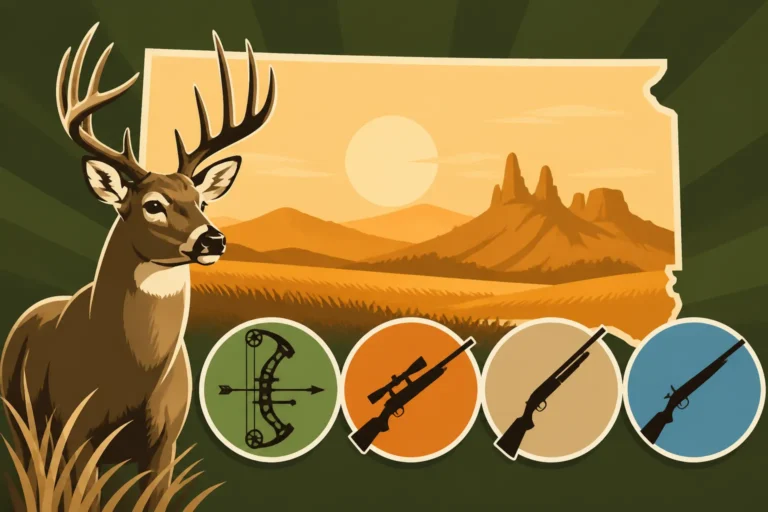
When it comes to big game like deer and antelope, the costs become more layered. Nonresidents generally must apply through a lottery draw system, which incurs non-refundable application fees regardless of the draw outcome. For a nonresident deer application, this fee is often around $10. If you are successful in drawing a tag, the actual license fee for a deer license, whether it's for West River Mule Deer or East River Whitetails, is substantial, usually in the range of $280 to $300 for an antlered tag. Similarly, applying for a nonresident pronghorn antelope tag also comes with an application fee, often around $10, with the successful license fee being in a similar range, typically $280-$300 for an either-sex tag. These figures are subject to change year to year, so it's always critical to check the South Dakota Game, Fish and Parks (GFP) website for the most current information. The application process itself is a critical step, and understanding the deadlines is paramount. You can find more details on important dates like the South Dakota Deer Application Deadline to make sure you're always on schedule.
Waterfowl and Other Game Bird License Requirements
For nonresidents focusing on migratory birds, additional licenses and stamps are necessary. Beyond the general nonresident small game license and habitat stamp, waterfowl hunters will need to purchase a South Dakota Nonresident Waterfowl License. These can be purchased for a full season or as two separate five-day periods, offering flexibility. A full season nonresident waterfowl license typically costs around $150, while the two five-day periods might be closer to $100-$110 each. In addition, all waterfowl hunters 16 years and older must possess a Federal Migratory Bird Hunting and Conservation Stamp, commonly known as the Federal Duck Stamp, which is purchased separately and costs around $25. This stamp is vital not just for hunting but for wetland conservation across the nation. For those pursuing wild turkeys, nonresident turkey licenses are also available through a draw system, with application fees and license costs (often around $100-$150) dependent on the season (spring or fall) and the unit applied for. Remember to check specific South Dakota Waterfowl Seasons and Zones when planning your duck and goose hunts.
Navigating the Big Game Draw System and Associated Costs
The big game draw in South Dakota is a rite of passage for many nonresidents. It's a system designed to manage limited quotas, and while it can be frustrating, understanding its mechanics and the costs involved is key to success.
Preference Points and Their Role in Drawing Tags
South Dakota utilizes a preference point system for many of its nonresident big game draws, particularly for deer and antelope. This system rewards loyalty and patience. For a fee, typically around $5-$10, you can purchase a preference point without applying for a tag. If you don't draw a tag after applying, you automatically accrue a preference point for the next year. These points essentially increase your odds in subsequent draws, giving you a better chance of securing a coveted tag. For nonresidents, accumulating these points can be a strategic long-term investment, especially for high-demand units or species. It's a way to build equity in the draw without committing to a full license cost every year. Understanding South Dakota Preference Points Explained is essential for any nonresident hoping to consistently hunt big game in the state, as it outlines how they work and how many you might need for specific units. Tools like GoHunt can provide invaluable insights into historical draw odds, helping you decide whether to apply for a tag or simply buy a point.
Application Fees Versus License Fees
This is a common point of confusion for many first-time applicants. When you apply for a big game tag in South Dakota, you're usually charged two distinct fees: an application fee and the full license fee. The application fee, as mentioned, is generally a smaller, non-refundable amount (e.g., $10). This fee covers the administrative costs of processing your application. The much larger license fee (e.g., $280-$300 for deer or antelope) is typically paid upfront at the time of application, but it is fully refundable if you are unsuccessful in the draw. So, while your credit card statement might show a significant charge when you apply, only the small application fee is kept by the state if you don't draw. This distinction is crucial for budgeting, as it means you won't be out hundreds of dollars if you don't get a tag, just the smaller application fee.
Understanding Refund Policies and Unsuccessful Draws
As just mentioned, if your application for a big game license is unsuccessful, you will typically receive a full refund of the license fee portion of your payment. The small application fee, however, is non-refundable. This policy is in place for most nonresident big game draws, including deer and antelope. It's important to understand the timeline for these refunds. They usually process shortly after the draw results are announced, but it can take a week or two for the funds to reappear in your account depending on your bank. While it's disappointing not to draw a tag, the refund policy minimizes the financial risk for hunters who apply year after year to build points or try for a coveted unit. Always double-check the specific draw regulations for each species, as refund policies can sometimes have minor variations, though this general rule holds true for the majority of big game draws in South Dakota.
Specific Nonresident Big Game License Costs
Once you dive into the specifics of big game, the costs diversify based on the species and the type of tag you're hoping to draw. Each big game animal presents its own set of challenges and financial commitments.
West River and East River Deer License Breakdown
South Dakota manages its deer populations under separate East River and West River designations, reflecting the distinct ecological zones and hunting opportunities on either side of the Missouri River. For nonresidents, these designations also often come with different draw odds and, sometimes, slightly varied license types. A nonresident antlered deer license, whether it's for West River mule deer or an East River whitetail, typically costs around $280-$300. Antlerless deer tags, when available to nonresidents (which is less common than for residents), may be slightly cheaper, but they are also usually drawn through a more limited lottery. For those interested in South Dakota Deer Licence Types by Region, it’s worth noting that while the base costs are similar, the availability and draw difficulty can vary significantly. You might apply for an archery tag which, while having a different season structure, often carries a similar license cost if drawn. Knowing which region you want to hunt and understanding the specific unit codes is paramount before applying.
Pronghorn Antelope License Expenses
Pronghorn antelope hunting in South Dakota is a unique experience, offering fast-paced action on the vast prairies. Nonresident antelope licenses are highly sought after and are exclusively allocated through a lottery draw. The application fee is usually a nominal amount, perhaps $10, and if successful, the either-sex antelope license itself typically costs in the range of $280-$300. Archery antelope opportunities also exist, with similar fee structures for the license. It's crucial for hunters to understand the South Dakota Antelope Season and Draw specifics, including application periods and unit designations, as pronghorn tags are not as numerous as some deer tags. The draw odds can be challenging, meaning many hunters will accrue preference points over several years before finally drawing a coveted tag.
Elk and Once-in-a-Lifetime Tag Costs
Elk hunting in South Dakota is an incredibly special, and rare, opportunity for nonresidents. Most nonresident elk tags are allocated through a very competitive lottery draw system for units within the Black Hills. These tags are considered "once-in-a-lifetime" for some license types, meaning if you draw one, you cannot draw another of that specific type again. The application fee for elk is generally around $10, but the license itself, if drawn, is significantly more expensive than deer or antelope, often in the range of $500-$550 for an antlered elk tag. Antlerless elk tags, if available, would be slightly less. Similarly, tags for bighorn sheep and mountain goats are also once-in-a-lifetime opportunities, with even higher license fees (often $1,000+ if drawn) and extremely low draw odds, making them true bucket-list hunts that require years, if not decades, of point accumulation. These draws are so exclusive that many hunters utilize services like GoHunt to analyze the long-term investment in preference points. You can delve deeper into these exclusive opportunities by exploring content on Once-in-a-Lifetime Tags in South Dakota.
Small Game and Bird Hunting License Costs for Nonresidents
While big game draws grab a lot of headlines, South Dakota is perhaps best known for its incredible bird hunting opportunities. For nonresidents, this means a different set of licenses and costs, often focusing on flexibility and volume.
Pheasant Hunting Options and Associated Fees
For the vast majority of nonresident pheasant hunters, the journey begins with the aforementioned South Dakota Nonresident Small Game License and the Habitat Stamp, totaling around $175. However, South Dakota offers a unique flexibility: nonresidents can choose between a full season small game license or two separate five-day hunting periods. The two five-day periods, often purchased individually, provide flexibility for hunters who can't commit to a full season. Each five-day license period might cost around $70, meaning two periods would total around $140, plus the habitat stamp. This option allows hunters to spread out their trips or simply enjoy a shorter, more focused hunt. It's a great way for hunters to experience the famous South Dakota Pheasant Season and Licences without paying for a full season license if their schedule doesn't allow for it. Many commercial operations and lodges will assist in ensuring you have the correct licensing for your stay.
Waterfowl Hunting Licences and Federal Duck Stamp
For those whose passion lies in the skies rather than the tall grass, waterfowl hunting offers spectacular opportunities on South Dakota's prairie potholes and massive Missouri River reservoirs. As mentioned previously, the base requirements for nonresidents are the General Hunting License (Small Game License) and the Habitat Stamp. On top of this, you’ll need a specific South Dakota Nonresident Waterfowl License, which runs about $150 for the full season or about $100-$110 for each of the two five-day periods. Additionally, any waterfowl hunter aged 16 or older must possess a valid Federal Migratory Bird Hunting and Conservation Stamp, the Federal Duck Stamp, currently priced at $25. This stamp isn't just a requirement; it's a direct contribution to wetland conservation, supporting the very habitats that migratory birds depend on. Remember, while the state issues its waterfowl license, the Federal Duck Stamp is a separate purchase available at post offices, sporting goods stores, or online. Detailed information regarding dates and specific species can be found when researching South Dakota Waterfowl Seasons and Zones.
Turkey and Predator Hunting License Specifics
South Dakota also offers excellent hunting for wild turkeys and various predators. For nonresident turkey hunters, the spring and fall seasons are managed through a lottery draw system. Application fees are usually nominal, perhaps $5-$10, and if successful, the nonresident turkey license itself typically costs around $100-$150, depending on the season and specific unit. It’s important to note that these turkey tags are not generally "over the counter" for nonresidents; planning ahead and applying during the designated periods is essential. For predator hunting, such as coyotes, foxes, and bobcats, the nonresident General Hunting License (Small Game License) is usually sufficient. There isn't typically a separate "predator license" fee, but you must have a valid hunting license to pursue these species. Always double-check the current regulations, as rules can occasionally change, especially concerning species like bobcats which may have specific tagging requirements or bag limits.
Additional Fees and Considerations Beyond the License Price
While the core license and application fees form the bulk of your expenses, there are several other potential costs that nonresident hunters should factor into their budget. These can add up and significantly impact the overall cost of your South Dakota hunting adventure.
Online Application Fees and Processing Charges
In the age of digital convenience, most South Dakota hunting license applications and purchases are made online through the GFP website. While incredibly efficient, these online transactions often come with small processing or convenience fees. These fees are usually just a few dollars, but they are added to the total cost of each transaction. For instance, if you purchase a small game license, a habitat stamp, and apply for a deer tag in separate transactions, you might incur multiple small processing fees. These aren't hidden costs, but they are easy to overlook if you're only focusing on the main license prices. Always be prepared for these minor surcharges when completing your purchases online, as they are a standard part of modern government services.
Hunter Education Requirements and Costs
For many nonresident hunters, especially younger individuals or those new to hunting, meeting South Dakota's hunter education requirements is a critical first step. Hunters born after December 31, 1954, must have completed a hunter safety course approved by the GFP or another state. While the course itself might have been completed in your home state, if you need to take one, there are associated costs. Online courses can range from $15 to $30, and in-person courses may have a small administrative fee. Although the cost of hunter education isn't directly a "license cost" for South Dakota, it's a mandatory prerequisite for many, and ensuring you have proof of completion is essential. If you don't have proof, you might need to carry an apprentice hunting license, which has its own set of rules regarding supervision. More details can be found when reviewing South Dakota Hunter Safety Requirements.
Potential Costs for Private Land Access or Outfitters
While South Dakota offers extensive public hunting opportunities through its Walk-In Area program and Game Production Areas, many nonresidents opt for hunting on private land or with an outfitter. This can come with significant additional costs. Securing private land access, especially for prime pheasant or deer hunting, often involves paying trespass fees directly to landowners, which can range from hundreds to thousands of dollars for multi-day hunts. Alternatively, booking a fully guided or semi-guided hunt with a South Dakota outfitter can be a substantial investment. A guided pheasant hunt, including lodging, meals, guides, and dogs, can easily run $500-$1,000+ per hunter per day, while guided big game hunts often cost thousands for the entire trip. These outfitter fees typically do not include your actual state hunting licenses or stamps, which you are still responsible for purchasing independently. It’s crucial to clarify exactly what is included in any private land agreement or outfitter package to avoid misunderstandings. For anyone considering professional services, thoroughly researching and understanding Booking a South Dakota Pheasant Hunt is a wise move.
Strategies for Managing Your South Dakota Hunting Budget
Hunting in South Dakota as a nonresident can be an investment, but with smart planning, you can make the most of your budget and maximize your chances of a rewarding experience without breaking the bank.
Prioritizing Your Hunt Goals to Optimize Spending
One of the best ways to manage your budget is to clearly prioritize your hunting goals. Are you dead set on a trophy West River mule deer, even if it means years of accumulating preference points and a higher overall license cost? Or is a fun, high-volume pheasant hunt with friends the main objective? Perhaps a combination small game and waterfowl trip? Each goal has a different financial implication. If your primary aim is pheasant hunting, focusing solely on the nonresident small game license and habitat stamp is the most cost-effective approach. If big game is your dream, then strategically buying preference points for a few years might save you money in the long run by increasing your odds and potentially avoiding multiple unsuccessful application fees. Decide what truly matters most to you, then build your budget around that priority. Don’t try to do everything on a limited budget; focus on one or two key experiences.
Utilizing South Dakota's Five-Day Hunting Periods
South Dakota's offering of two separate five-day nonresident small game hunting periods is a fantastic way to stretch your hunting dollar and flexibility. Instead of committing to a full season license, which is pricier, you can purchase two five-day licenses. This means you can plan two distinct trips, perhaps one for the pheasant opener and another for a late-season hunt, or use them for different groups of friends. Each five-day period offers a comprehensive pheasant hunting experience without the commitment and cost of the full season license. This option is especially beneficial for those with busy schedules or for groups that prefer shorter, more intense hunts. It allows you to tailor your trip duration to your budget and time constraints, making South Dakota hunting more accessible.
Researching Draw Odds and Point Systems with Tools like GoHunt
For big game hunters, knowledge is power, especially when it comes to the draw system. Understanding the historical draw odds, the number of preference points required to draw a particular unit, and how the bonus point system works can save you significant money and frustration. Websites and services like GoHunt specialize in analyzing draw data, providing detailed insights into success rates, point trends, and application strategies for various states, including South Dakota. Utilizing such resources can help you make informed decisions about whether to apply for a tag, purchase a preference point, or even which unit to target based on your accumulated points and budget. This strategic approach minimizes wasted application fees on draws with impossibly long odds and helps you build a realistic long-term plan for drawing that dream South Dakota big game tag. It’s an investment in information that pays dividends.
Staying Updated on South Dakota License Changes
Wildlife management is a dynamic field, and with it, license regulations and costs are subject to change. Staying informed is your best defense against unexpected fees or missed opportunities.
Why License Costs Can Fluctuate
South Dakota's hunting license costs are not static; they can and do change from year to year. Several factors contribute to these fluctuations. Inflation is a constant pressure, impacting the administrative and operational costs of the South Dakota Game, Fish and Parks (GFP). Additionally, changes in wildlife management strategies, such as the need to fund specific conservation initiatives or adapt to shifts in game populations, can influence license fee adjustments. Legislative decisions made by the state government also play a significant role, as they often approve the GFP's proposals for fee increases or new license categories. These changes are typically announced well in advance of the hunting season, but staying proactive in checking official sources is crucial. For example, the state may change when South Dakota Points Switch to Bonus or adjust the cost of a South Dakota Preference Point Cost for Nonresidents.
Official Resources for Current Fee Information
To ensure you have the most accurate and up-to-date information regarding South Dakota nonresident hunting license costs, always consult the official resources provided by the state. The primary source is the South Dakota Game, Fish and Parks (GFP) website. This website will have current year's fee schedules, application deadlines, and detailed regulations for all species. Look for sections specifically dedicated to "licenses and permits" or "nonresident information." Additionally, the annual South Dakota Hunting Handbook (often released in late summer) is an invaluable resource, providing a comprehensive overview of all rules, seasons, and costs. Avoid relying solely on older guides, forum posts, or word-of-mouth information, as these can quickly become outdated. Make it a habit to check the GFP website at least once a year, preferably before planning your annual hunting trip or applying for any draws.
Summary Table: Key South Dakota Nonresident License Costs (Estimates)
Please note these are approximate costs and are subject to change by the South Dakota Game, Fish and Parks (GFP). Always check the official GFP website for the most current fees.
| License/Permit Type | Approximate Cost (Nonresident) | Notes |
|---|---|---|
| General Hunting License (Small Game) | $150 | Mandatory for pheasants, grouse, rabbits, etc. |
| Habitat Stamp | $25 | Mandatory for most hunting/fishing licenses |
| 5-Day Small Game License (each period) | $70 | Option for two 5-day periods instead of full season |
| Deer Application Fee | $10 | Non-refundable, charged upon application |
| Deer License (Antlered, if drawn) | $280-$300 | Refundable if not drawn |
| Antelope Application Fee | $10 | Non-refundable, charged upon application |
| Antelope License (Either-Sex, if drawn) | $280-$300 | Refundable if not drawn |
| Preference Point (Deer/Antelope) | $5-$10 | Increases draw odds in future years |
| Waterfowl License (Full Season) | $150 | Required in addition to Small Game License for ducks/geese |
| Waterfowl License (5-Day Period, each) | $100-$110 | Option for two 5-day periods instead of full season |
| Federal Duck Stamp | $25 | Mandatory for all waterfowl hunters 16+ |
| Turkey Application Fee | $5-$10 | Non-refundable, charged upon application |
| Turkey License (if drawn) | $100-$150 | Refundable if not drawn |
| Elk Application Fee | $10 | Non-refundable, charged upon application |
| Elk License (Antlered, if drawn) | $500-$550 | Refundable if not drawn; often once-in-a-lifetime |
| Bighorn/Mountain Goat License (if drawn) | $1,000+ | Very rare, once-in-a-lifetime |
| Online Processing Fees | ~$2-$5 per transaction | Variable, added to online purchases |
Disclaimer
Please remember that hunting regulations, license costs, and season dates can change. This information is intended for general guidance only. Always consult the official South Dakota Game, Fish and Parks (GFP) website or their current hunting handbook for the most accurate and up-to-date regulations before planning or undertaking any hunting activities.