South Dakota Turkey Season Dates
Navigating the ins and outs of South Dakota's turkey hunting seasons can feel like trying to solve a complex puzzle, especially when you're dreaming of that strutting tom. With different dates for spring and fall, varying units, and specific rules for residents and nonresidents, it’s easy to get overwhelmed. This comprehensive guide is here to break down the South Dakota turkey season dates, simplify the application process, and help you plan your pursuit of a gobbler in the beautiful Mount Rushmore State.
Understanding the Dual Nature of South Dakota's Turkey Seasons
South Dakota offers two distinct turkey hunting seasons: spring and fall. Each season presents unique challenges, rewards, and most importantly, different dates and regulations that hunters need to grasp. It’s not just about when you can hunt, but how you can hunt, which birds you're targeting, and the overall experience you're after.
Spring: The Thrill of the Gobble
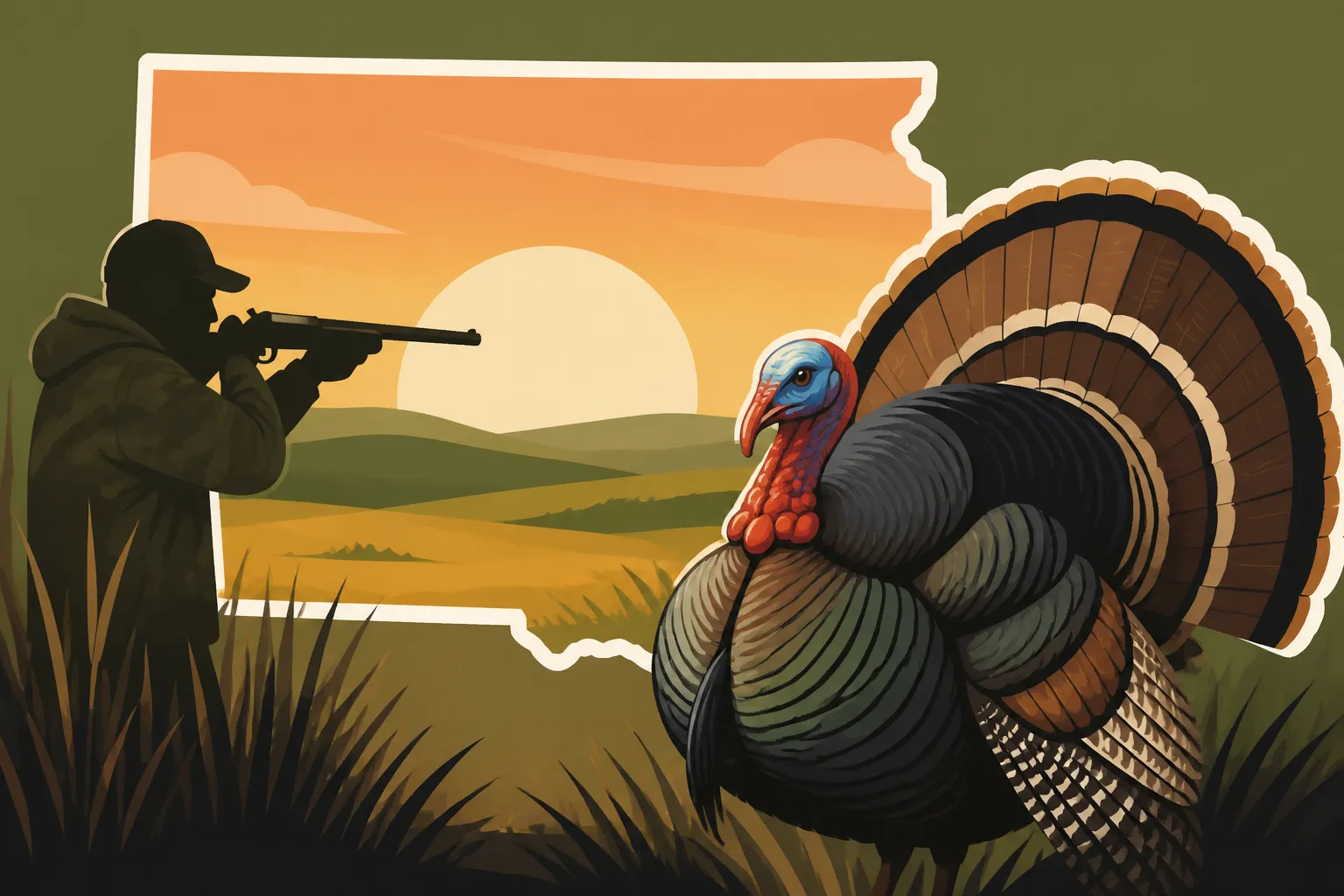
The spring turkey season is, for many, the quintessential turkey hunting experience. It’s a time of renewal on the prairie and in the Black Hills, filled with the resonant drumming of tom turkeys, the visual spectacle of a full strut, and the heart-stopping moment when a gobbler answers your call. This season is specifically focused on hunting male turkeys (toms or jakes), capitalizing on their breeding behavior when they are most vocal and susceptible to calling. The dates are carefully set to coincide with peak breeding activity, ensuring hunters have the best chance while also allowing for successful reproduction. The excitement of spring is unmatched, making it the more popular, and often more competitive, season.
Fall: A Different Kind of Hunt
While less popular than spring, the fall turkey season offers a completely different, yet equally rewarding, hunting experience. Instead of focusing on breeding toms, fall hunting is often about locating flocks and using different tactics, like "flushing and calling back" a scattered flock. The dates typically run much longer and the bag limits can be more liberal, often allowing for "any turkey" tags. This season is a great opportunity to fill your freezer, introduce new hunters to the sport, or simply enjoy more time afield when the pressure might be lower. Understanding these fundamental differences is the first step in planning your South Dakota turkey adventure.
Key Season Dates for Spring Turkeys
South Dakota's spring turkey season is meticulously structured, primarily divided between the Black Hills and the prairie units, with specific dates for archery and firearms. These distinctions are crucial for hunters planning their applications and trips. The availability of tags and the units themselves vary significantly between residents and nonresidents, adding another layer of complexity.
Black Hills Turkey Season: Merriams in the Timber
The Black Hills region, with its stunning ponderosa pine forests, is home to the majestic Merriam's turkey. This is often a highly sought-after tag, known for its picturesque setting and the unique challenge of hunting turkeys in mountainous timber.
The Black Hills spring season usually kicks off with an archery-only period, typically starting around April 1st and running for several weeks. This provides bowhunters with a quieter, less pressured opportunity before the firearms season begins. Following the archery-only dates, the much-anticipated firearms season typically opens around the third Saturday in April and extends through mid-May.
For both archery and firearms, the Black Hills is usually managed as a single unit, making boundary navigation simpler than the prairie units. However, tag numbers are controlled, and drawing one requires planning, especially for nonresidents. Remember that while the dates provide the window, successful hunting here often means being prepared for steep terrain and finding those birds that prefer to roost high in the pines. Resources like GoHunt can be invaluable in tracking draw odds and application strategies for these highly desired Black Hills tags.
Statewide Prairie and East River Units: Easterns and Hybrids
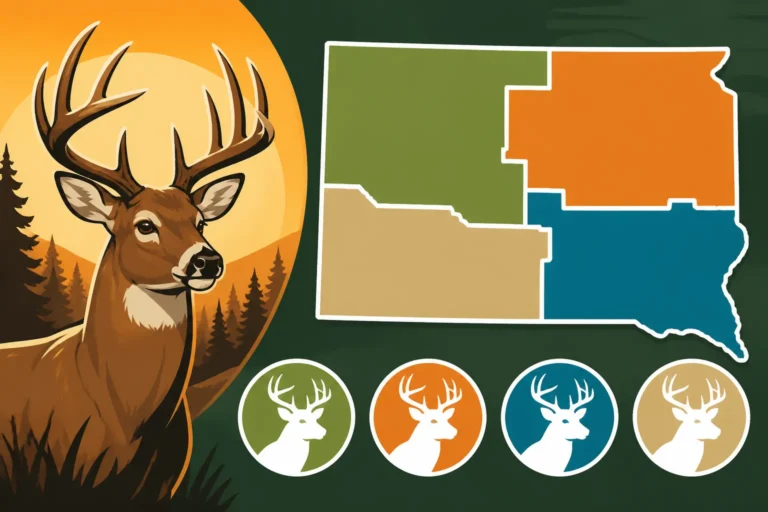
Outside the Black Hills, the vast prairies of South Dakota offer excellent hunting for Eastern and hybrid turkeys. These birds often inhabit river bottoms, shelterbelts, and drainages, providing a different type of challenge. The prairie season is further broken down into various units, often designated as East River and West River prairie units, each with its own specific tag quota and season dates.
Statewide archery season typically aligns with the Black Hills archery dates, offering a long window from early April through late May for bowhunters across the state. This means if you don't draw a firearms tag, or prefer bowhunting, you have ample opportunity.
For firearms, the prairie units usually have an earlier start than the Black Hills, often beginning in early to mid-April and running through mid to late May. Unlike the singular Black Hills unit, prairie firearms tags are unit-specific and allocated through a draw. Nonresidents face stiffer competition and more limited tag availability for these units. It’s vital to check the current year’s South Dakota Game, Fish and Parks (GFP) proclamations for the exact dates and unit numbers, as they can shift slightly year to year. When you're trying to figure out "Which Coulees Hold Bucks in Dry Years," you're likely in similar prairie habitat that also holds turkeys. Applying for the right unit, understanding the draw odds, and being flexible with your dates are all part of the game.
Youth Season: Fostering the Next Generation
South Dakota is committed to fostering new hunters, and the youth turkey season is a fantastic example. Typically, a special youth-only season opens earlier than the general firearms season, often in late March or early April, extending for a week or two. This gives young hunters (usually ages 12-17) a dedicated opportunity to hunt under the supervision of an adult mentor, often before the influx of adult hunters. It's a less pressured environment that can lead to a truly memorable first turkey experience. This early start also means that mentors can focus entirely on the youth hunter, without the distraction of trying to get their own bird. Ensuring you understand the South Dakota Hunter Safety Requirements is crucial before heading out with a youth hunter.
Fall Turkey Season Dates and Opportunities
The fall turkey season often gets overshadowed by its spring counterpart, but it offers a unique and enjoyable hunting experience in South Dakota. While the focus shifts from calling in a love-struck tom to locating and breaking up flocks, the satisfaction of a successful fall hunt is just as real.
When Fall Turkeys Roam
Fall turkey season dates are generally more liberal and less restrictive than spring. They typically open in early to mid-October and can run through the end of December, sometimes even into January. This extended season provides ample opportunity to get out and hunt after the initial rush of pheasant and deer openers has settled. The tactics change; instead of delicate hen yelps, you might be using aggressive yelps and cutts to scatter a flock, then calling them back. Or, you might be scouting fields for feeding birds, much like you would if you were Hunting Food Plots and Corn Edges for deer.
Units and Bag Limits in the Fall
For the fall season, tags are often available for a broader range of units, and sometimes the entire prairie region is open with specific limitations. Bag limits are typically more generous, often allowing for two birds, and sometimes an "any turkey" tag, meaning you can harvest either a tom or a hen. This makes it an excellent option for meat hunters looking to fill their freezer or for those who simply enjoy the challenge of hunting different phases of the turkey's annual cycle.
However, just like spring, nonresidents will find fall tags more challenging to acquire, often requiring a draw, though the odds may be better than in spring. Always consult the current year's GFP Turkey Proclamation for the precise unit boundaries, tag numbers, and specific dates.
Licensing, Application Deadlines, and Important Regulations
Securing a South Dakota turkey tag, especially for nonresidents, involves navigating a draw system and adhering to strict deadlines. Understanding this process is paramount to a successful hunt.
The South Dakota Turkey Licence Draw
South Dakota utilizes a lottery draw system for many of its turkey tags, particularly for nonresidents and specific desirable units.
Nonresident Hunters: For nonresidents, drawing a spring turkey tag can be quite challenging, especially for prairie units. The number of nonresident tags is significantly limited. There are generally two application periods for spring turkey: one for the Black Hills and another for the prairie units (East River and West River). The application deadlines are typically in late January or early February for spring hunts. Fall nonresident tags are usually less competitive, with application deadlines around late July or early August. Services like GoHunt are fantastic for researching South Dakota Turkey Licence Draw odds and understanding historical draw success rates, helping you make informed decisions about which units to apply for.
Resident Hunters: Residents have a much higher likelihood of drawing tags, with more tags allocated and often simpler application processes. There are typically separate draw periods for Black Hills and prairie units, similar to nonresidents, but with more available options.
It's crucial to understand that "South Dakota's Hybrid Preference and Bonus Points" system, prevalent in big game draws, generally does not apply to turkey draws. Turkey draws are usually pure lotteries, meaning every applicant has an equal chance regardless of past applications. This levels the playing field but also means consistency is key – you have to apply every year for a chance.
Critical Application Dates and Resources
Missing an application deadline means missing out on the hunt. The South Dakota GFP website is your ultimate, official source for current year dates and regulations. However, reputable hunting resources like GoHunt can also serve as excellent tools for keeping track of these crucial dates and understanding the intricacies of the draw.
Here’s a general timeline to keep in mind (always verify for the current year):
| Season | Application Period (Typical) | Draw Results (Typical) | Season Dates (Typical) |
|---|---|---|---|
| Spring Black Hills Archery | Late Dec – Early Feb | Mid-Feb | Early April – Mid-May |
| Spring Black Hills Firearms | Late Dec – Early Feb | Mid-Feb | Mid-April – Mid-May |
| Spring Prairie (East/West River) | Late Jan – Mid-Feb | Late Feb – Early Mar | Early April – Late May |
| Youth Spring Turkey | Late Dec – Early Feb | Mid-Feb | Late March – Early April (earlier than general) |
| Fall Statewide Turkey | Late June – Early Aug | Mid-Aug | Mid-Oct – Late Dec |
Please note: These dates are approximate and can change annually. Always consult the official South Dakota Game, Fish and Parks website for the most current information.
You can also find detailed information about South Dakota Big Game Draws and How to Apply on the GFP website, which will guide you through the digital application portal.
General Regulations and Considerations
Beyond dates and draw odds, several key regulations impact your South Dakota turkey hunt:
- Shooting Hours: Legal shooting hours for turkeys are typically from 30 minutes before sunrise to sunset. This is critical for ethical hunting and legal compliance. Early morning is often prime calling time, but always ensure it's within legal hours.
- Bag Limits: Spring bag limits are usually one male turkey (tom or jake) per tag. Fall bag limits can vary by unit but are often more liberal, sometimes allowing for "any turkey" (tom or hen) and potentially multiple tags.
- Tagging: After harvesting a turkey, it must be immediately tagged according to GFP regulations. This typically involves attaching a physical tag to the bird. Additionally, you are often required to South Dakota Harvest Reporting Rules your harvest online or via phone within a certain timeframe.
- Blaze Orange (Fall): While not required for spring turkey hunting, hunters pursuing turkeys during the fall firearms deer seasons or other concurrent firearms seasons may need to wear blaze orange. Always check the current year’s regulations to be sure, especially if you're hunting in areas with other hunters during the late season.
- Licensing: In addition to your turkey tag, you will need a valid South Dakota hunting license and potentially a habitat stamp. Nonresidents will typically purchase a nonresident small game license in conjunction with their turkey tag. Understanding South Dakota Nonresident Licence Costs is important for budgeting your trip.
- Public vs. Private Land: Turkeys can be found on both public and private lands. South Dakota offers various public access programs like Game Production Areas (GPAs) and Hunting South Dakota Walk-In Areas, but securing private land access often yields the best results. Always obtain landowner permission before hunting private property.
Whether you're after the vocal challenge of a Merriam's Turkeys in the Black Hills or the strategic pursuit of Eastern and Hybrid Turkeys in South Dakota on the prairie, understanding these season dates, application processes, and regulations is your first step to a successful South Dakota turkey hunt. With careful planning and a little perseverance, you'll be well on your way to bringing home a gobbler.
Disclaimer
Please note that hunting regulations, season dates, and application deadlines are subject to change by the South Dakota Game, Fish and Parks (GFP). Always consult the official South Dakota GFP website or the current year's hunting proclamation for the most accurate and up-to-date information before planning your hunt.