South Dakota Turkey Licence Draw
The excitement of spring gobblers or the challenge of a fall bird in South Dakota is a dream for many, but the reality of actually drawing a turkey license can feel like navigating a maze. From confusing application periods to understanding unit boundaries, it's easy to get discouraged before you even step foot in the woods. This comprehensive guide will walk you through the entire South Dakota turkey license draw process, demystifying the system so you can apply with confidence.
Understanding the South Dakota Turkey Draw System
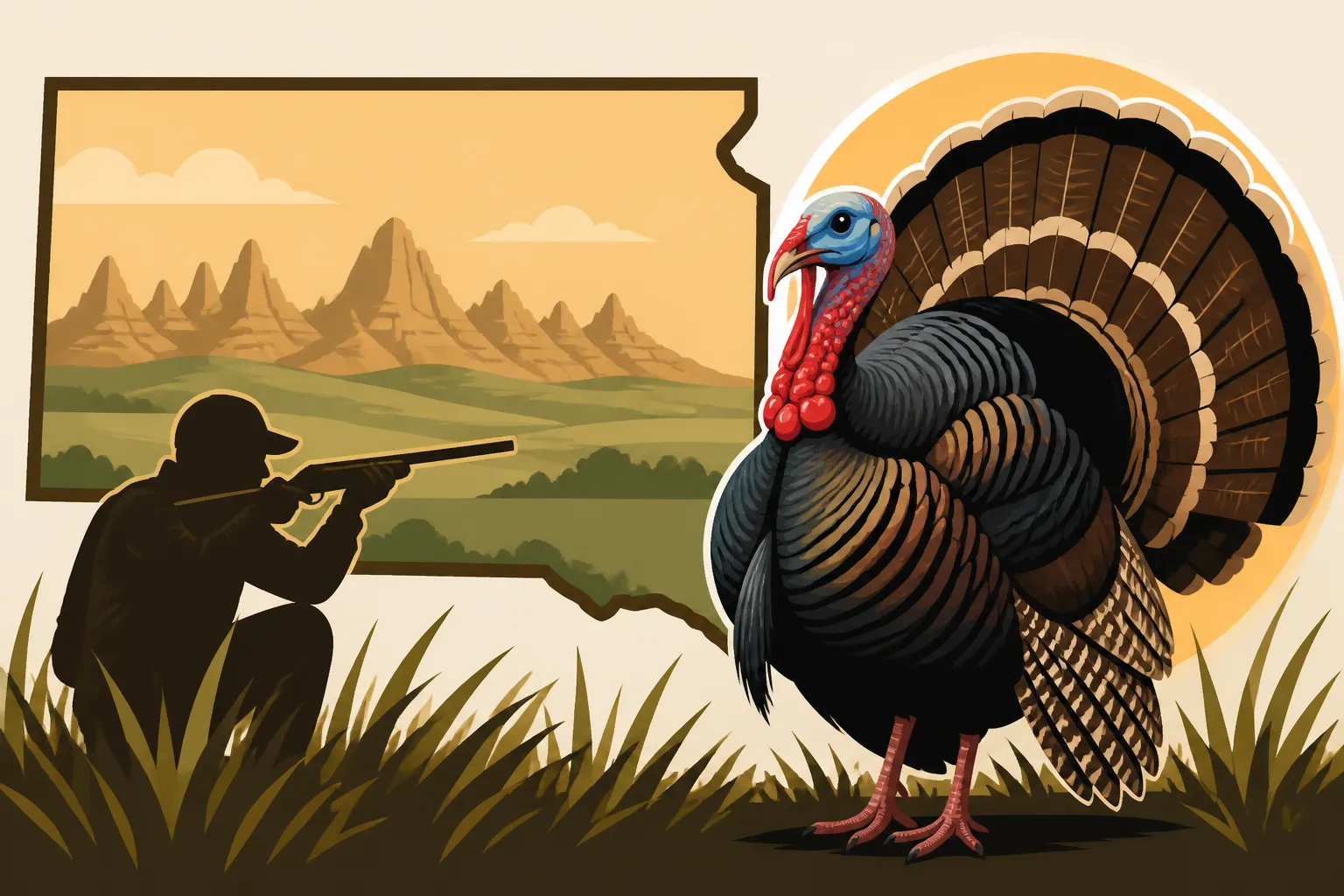
South Dakota is renowned for its wild turkeys, especially the Merriam's subspecies in the Black Hills and the Eastern and hybrid birds found throughout the prairie. This popularity, however, means that licenses for certain prime areas and seasons are limited, necessitating a draw system to fairly distribute tags. It’s not just about showing up; it’s about understanding the nuances.
Why a Draw for Turkeys?
Unlike small game like pheasants where you simply buy an over-the-counter license (after getting your South Dakota Nonresident Hunting Licence Cost and habitat stamp, of course!), turkey tags for specific units and seasons are often allocated via a lottery system. This isn't meant to frustrate you; it's a vital wildlife management tool. The South Dakota Department of Game, Fish and Parks (GFP) uses the draw to control hunting pressure, maintain healthy turkey populations, and ensure a quality hunting experience across different regions. If everyone could hunt anywhere they wanted, anytime, without limits, the bird numbers would quickly suffer, and nobody wants that. It's about finding that delicate balance between opportunity and conservation, especially for those coveted Black Hills tags.
Resident Versus Non-Resident Applications
One of the biggest distinctions in the South Dakota turkey draw, as with many other big game draws, is the difference between resident and non-resident opportunities. South Dakota prioritizes its residents, and rightfully so, as they contribute year-round to the state's economy and conservation efforts. Non-residents often face stricter quotas, higher license fees, and sometimes even completely separate draw pools with fewer available tags.
For example, a non-resident might have fewer units to choose from, or specific units might only offer a handful of non-resident tags, making the draw odds considerably tougher. It’s crucial to recognize this from the outset. Don't go into the application expecting the same opportunities as a resident, and certainly don't get frustrated if your dream unit is resident-only. Instead, focus on the units that do offer non-resident tags and strategize accordingly. Many non-residents successfully draw prairie units, which often have better odds, even if they don't get as much attention as the famous Black Hills.
Key Seasons and Units
South Dakota offers both spring and fall turkey seasons, each with its own charm and challenges. The spring season, generally running from mid-April through May, is all about that classic gobbling action, calling in a lovesick tom. Fall hunting, typically from October through December, is more about finding flocks and breaking them up, then calling individuals back in. The tactics are different, and so are the draw opportunities. You can find all the specific dates and details in the South Dakota Turkey Season Dates guide.
Beyond the seasons, South Dakota is divided into various hunting units. The most famous is undoubtedly the Black Hills unit, known for its picturesque landscapes and abundant Merriam's turkeys. These tags are highly sought after, and drawing one often requires a significant amount of luck or accumulated preference points (more on those in a bit). Then you have the various prairie units, which span both East and West River regions. These units hold good populations of Eastern and hybrid turkeys and often present better draw odds, especially for non-residents. Don't discount the prairie; these hunts can be incredibly rewarding, offering vast landscapes and challenging birds. When you're looking at the draw, you'll need to specify not just the season, but also the specific unit you're applying for. This makes research incredibly important, as unit boundaries directly impact your chances.
Navigating the Application Process
So, you've decided which season and general area you're interested in. Now comes the nitty-gritty: actually applying. The process, while mostly online, has specific steps and deadlines you absolutely cannot miss. Missing a deadline for the South Dakota Big Game Draws and How to Apply is a common, heartbreaking mistake many hunters make.
Deadlines and Application Periods
This is arguably the most critical piece of information. The South Dakota GFP sets specific application periods for both spring and fall turkey seasons. These aren't flexible. If you miss the window, you're out of luck for that season, unless leftover licenses become available. Generally, spring turkey applications open in January and close in February, with results usually available by late February or early March. Fall turkey applications typically open in July and close in August, with results by early September.
Always double-check the official GFP website for the exact dates each year, as they can shift slightly. Mark them on your calendar, set phone reminders, and tell your hunting buddies to remind you. It sounds overly cautious, but how many times have we all thought, "I'll do that tomorrow," only for tomorrow to turn into next week and the deadline to pass? Be proactive! Being aware of all the specific South Dakota Application Deadlines is crucial for any hunting endeavor in the state.
The Online Application Portal
The good news is that applying for a South Dakota turkey license is largely done online through the GFP website. It’s a pretty user-friendly system, but it does require you to set up an account if you don't already have one.
Here’s a general step-by-step breakdown:
- Create an Account or Log In: Head to the South Dakota GFP licensing page. You'll need to either create a new account (if you're a first-time applicant) or log in with your existing credentials. Make sure all your personal information (name, address, date of birth) is accurate.
- Select Your Application Type: Once logged in, navigate to the "Apply for Licenses" section. You'll see options for various big game draws. Select the appropriate turkey application (e.g., "Spring Turkey" or "Fall Turkey").
- Choose Your Preferences: This is where you'll select your desired unit, season (e.g., "Any Legal Weapon," "Archery Only"), and potentially your weapon type if there are specific weapon-restricted hunts. Pay close attention to unit numbers and descriptions. You'll usually get to list a first, second, and sometimes third choice. Always fill out all choices, even if your top choice is a long shot. This dramatically increases your chances of drawing a tag, even if it's not your absolute dream unit.
- Confirm and Pay: Review all your selections carefully. Make sure the unit, season, and weapon choices align with what you want. The application fee will be processed, and you'll receive a confirmation number. Keep this number handy!
- Habitat Stamp and Other Requirements: Remember that in addition to the turkey license itself, you'll need to purchase a South Dakota Habitat Stamp if you haven't already for the current licensing year. Non-residents will also need a non-resident small game license. These are often automatically added to your cart during the application process if you don't have them.
Preference Points and Their Role
South Dakota uses a preference point system for many of its big game draws, and turkeys are no exception in some instances. The system is designed to give applicants who have been unsuccessful in previous draws a better chance in future ones. Essentially, each time you apply for a turkey license and are unsuccessful, you earn a preference point. The more points you have, the higher your odds in subsequent draws, as applicants with more points are often considered before those with fewer. For a deep dive into how points work generally, check out South Dakota Preference Points Explained.
Important Notes on Turkey Preference Points:
- Unit-Specific: Preference points are generally specific to certain species and sometimes even specific seasons (e.g., spring turkey vs. fall turkey).
- Non-Resident Impact: For non-residents, preference points can be particularly valuable, as their draw odds are often lower to begin with. Accumulating points can significantly boost your chances of drawing a desirable tag in a tough unit like the Black Hills.
- Point-Only Option: If you know you won't be able to hunt in a given year, or if you want to focus on accumulating points for a highly sought-after tag, South Dakota often allows you to purchase a preference point without applying for a license. This is a smart long-term strategy.
- Using Points: When you successfully draw a turkey license, your preference points for that species (and often season) are typically zeroed out. You then start accumulating them again for future draws.
Always check the current year's GFP regulations for the exact details on how preference points apply to turkey drawings, as rules can occasionally change. Programs like GoHunt often have detailed draw odds and point data that can help you understand what it takes to draw in specific units.
Strategies for Improving Your Odds
Drawing a turkey tag, especially for a prime unit, can feel like a roll of the dice. But with a bit of strategy and research, you can absolutely improve your chances. It’s about making informed decisions, not just hoping for the best.
Researching Unit Quotas and Success Rates
This is where the real homework comes in. Before you even think about putting in your application, you need to dig into the data. The South Dakota GFP publishes past draw odds, quota information, and harvest reports. These documents are goldmines of information.
- Quota Data: Look at how many licenses were offered in each unit for both residents and non-residents. A unit offering 50 non-resident tags will inherently have better odds than one offering only 5.
- Success Rates: Harvest reports will show you how successful hunters were in different units. While this doesn't directly impact draw odds, it gives you an idea of the turkey population and hunting quality. High success rates in a hard-to-draw unit might validate putting in for it, whereas low success rates might make you reconsider.
- GoHunt Data: Tools like GoHunt are invaluable for this research. They consolidate years of draw data, preference point requirements, and unit analysis into easy-to-understand formats. Using their detailed insights, you can often see exactly how many points it really took to draw a tag in a specific unit last year, and how many applicants there were for each choice. This kind of platform can help you target units where your accumulated preference points give you a genuine advantage, or identify units with historically higher non-resident draw rates.
Don't just look at the overall numbers; pay attention to the success rates specifically for non-residents if that applies to you. A unit might have great resident odds but be nearly impossible for non-residents.
Applying for Less Popular Units or Seasons
This is a classic strategy for any limited draw hunt. While everyone dreams of hunting Merriam's Turkeys in the Black Hills, those units are notoriously difficult to draw. Consider broadening your horizons.
- Prairie Units: Many of the prairie units offer excellent turkey hunting, often for Eastern and Hybrid Turkeys in South Dakota. These tags are generally easier to draw, especially for non-residents. The hunting experience might be different – more open country, different calling strategies – but the challenge and reward are just as great. Plus, these areas often coincide with excellent National Grasslands Hunting in South Dakota or other public access.
- Fall Season: If you're consistently striking out on spring tags, consider the fall season. Fall turkey hunting often sees less competition in the draw, as many hunters prefer the spring gobbling action. While it's a different style of hunt, it's a fantastic way to experience South Dakota turkeys and get a tag in your pocket.
- Later Spring Periods: Sometimes, even within the spring season, there are different periods or "splits." The early periods might be the most popular, leaving later periods with slightly better odds. While the peak gobbling might occur earlier, turkeys are still active later in the spring, and you might find less hunting pressure.
Understanding Second and Third Choices
Never leave your second and third choices blank on a South Dakota turkey application. This is a critical mistake that many hunters make, effectively giving up additional chances to draw a tag. The draw system processes applications based on your choices in order. If you don't draw your first choice, your application moves to your second choice, and then your third, if available.
Think strategically about these backup choices:
- Realistic Backups: Your second and third choices should be units that have historically higher draw odds, even if they're not your top pick. This is where your research into quotas and past draw results really pays off.
- Lower Point Requirements: If you're building preference points, consider using your second or third choices for units that generally require fewer points to draw. This ensures you're still in the running for some tag.
- Geographic Variety: You might pick a Black Hills unit as your first choice, but then choose a prairie unit for your second and third. This hedges your bets across different types of turkey hunting opportunities.
By fully utilizing all your choices, you significantly increase your overall probability of coming home with a South Dakota turkey tag, even if it's not the exact unit you initially dreamed of.
South Dakota Turkey Draw Application Details
To help visualize the process and key information, here’s a simplified table outlining typical application windows and considerations. Always verify current year dates on the official GFP website.
| Season Type | Application Opens (Approx.) | Application Closes (Approx.) | Draw Results (Approx.) | Key Considerations | Non-Resident Quota | Preference Points |
|---|---|---|---|---|---|---|
| Spring Turkey | Early January | Late February | Early March | High demand for Black Hills. Multiple units/periods. | Limited | Yes (often) |
| Fall Turkey | Early July | Late August | Early September | Generally better odds, less competition. Different tactics. | More Available | Yes (often) |
What to Do After the Draw and Next Steps
Once the application period closes, it's a waiting game. The anticipation can be nerve-wracking, but knowing what to expect next will keep you prepared.
Checking Draw Results
The South Dakota GFP will announce draw results online by a specific date, usually a few weeks after the application period closes. You can typically check results by logging back into your GFP account. You'll see whether you were successful in drawing a license for one of your choices, or if you were unsuccessful. If you drew, congratulations! Your license will usually be available digitally or mailed to you. If you didn't, don't despair – there might still be opportunities.
Leftover Licenses and How to Acquire Them
It's common for some turkey licenses to go undrawn, especially in less popular units or for the fall season. These become "leftover licenses" and are often sold on a first-come, first-served basis after the main draw results are posted. This is a fantastic opportunity for hunters who didn't draw in the initial lottery, or for those who decided to apply last-minute.
- Stay Alert: Keep an eye on the GFP website and their social media channels for announcements about leftover license sales. They can sell out quickly for desirable units.
- Be Ready: Have your account information and payment method ready. When the sales open, log in immediately and be prepared to act fast.
- Flexibility: Leftover licenses might not be for your dream unit, but they represent a chance to still go hunting. Be flexible with your expectations and consider units you might not have initially applied for. This is often the path for non-residents to get a tag when the draw doesn't go their way.
Preparing for Your Hunt
Once you have that coveted South Dakota turkey tag in hand, the real fun begins: preparing for your hunt! This involves a lot more than just packing your shotgun.
- Scouting: Even if it's an Eastern and Hybrid Turkeys in South Dakota hunt on public land, pre-season scouting is invaluable. Use maps (like those from GoHunt or public hunting atlases) to identify potential roosting areas, feeding spots, and travel corridors. Look for sign like tracks, droppings, and strut marks.
- Gear Check: Ensure your shotgun is patterned correctly for turkey loads. Check your calls – friction calls, mouth calls, box calls – and practice your sequences. Pack appropriate camouflage, including face mask and gloves.
- Physical Conditioning: Turkey hunting, especially for Wild Turkeys in South Dakota, can involve a lot of walking, sitting, and sometimes running to cut off a bird. Make sure you're physically ready for the demands of the field.
- Regulations Review: Always, always, always re-read the current year's South Dakota turkey regulations. Bag limits, shooting hours, tagging requirements – these are critical details that vary. For instance, the general shooting hours for pheasants start at 10 AM, but for turkeys and big game, it's generally one-half hour before sunrise to one-half hour after sunset. Know the rules!
- Consider a Guide: If you're new to South Dakota or turkey hunting, or want to maximize your chances in a limited timeframe, consider a guided hunt. Especially for challenging areas like the Black Hills, hiring a professional can be incredibly beneficial. There are many reputable services offering Guided Turkey Hunts in the Black Hills that can help you understand the terrain and the birds.
By understanding the draw system, applying strategically, and preparing thoroughly, you'll be well on your way to a successful South Dakota turkey hunt. Good luck out there!
Disclaimer
Please note that hunting regulations, season dates, and application deadlines are subject to change by the South Dakota Department of Game, Fish and Parks (GFP). Always consult the official GFP website or the current year's hunting handbook for the most accurate and up-to-date information before applying for any license or heading afield. This guide provides general information and recommendations, but it is the hunter's responsibility to ensure full compliance with all state and federal hunting laws.