Calling Elk in Black Hills Timber
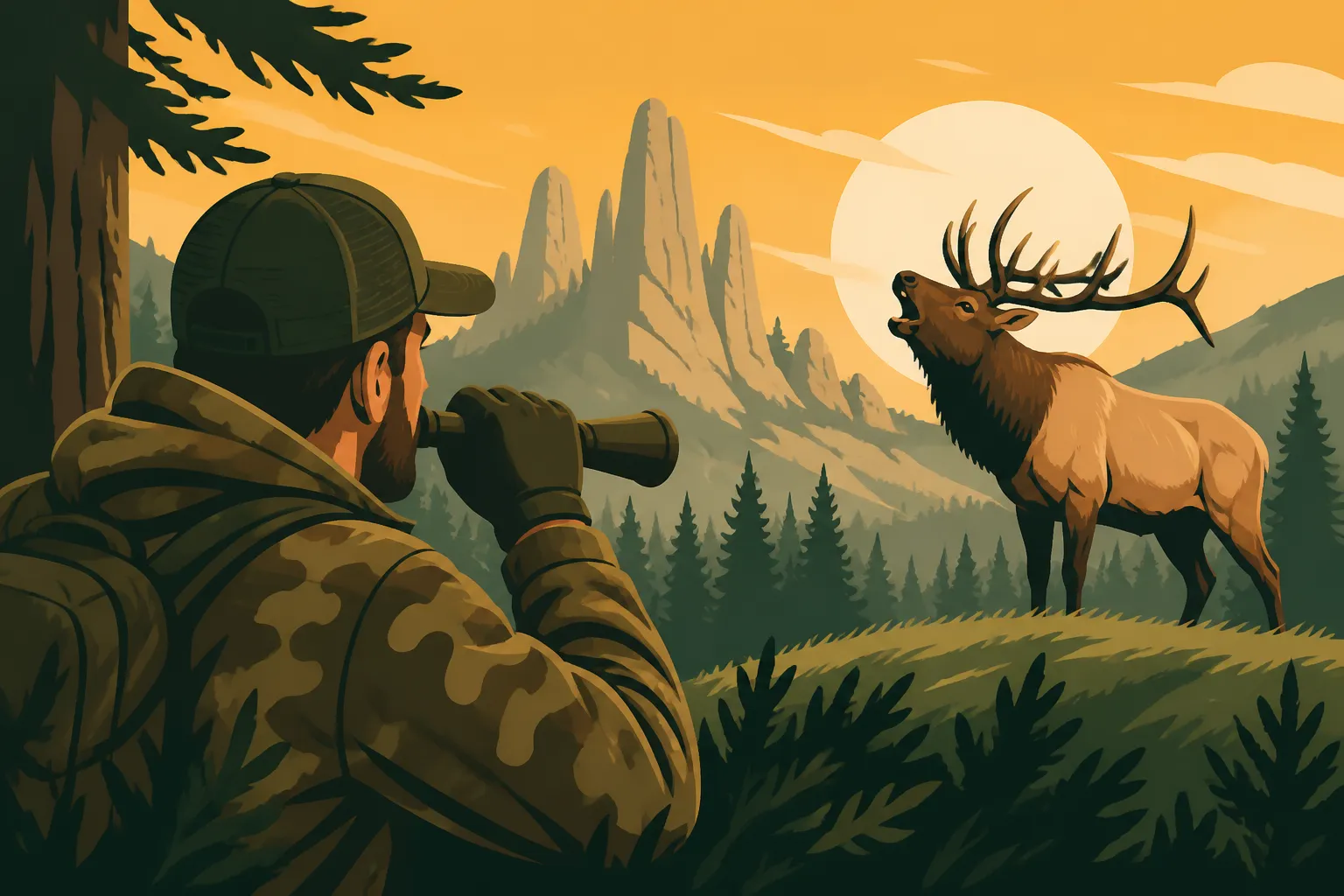
Trying to call in a Black Hills bull elk can feel like you're speaking a foreign language, often met with deafening silence or, worse, a wary bull that just melts back into the timber. The dense Ponderosa pine, steep ridges, and often unpredictable thermals make it incredibly challenging to decipher their subtle communications and get them to commit. This guide will dive deep into the nuances of elk vocalizations, essential calling techniques, and strategic setups to help you turn those silent timber ghosts into a hard-earned encounter.
Understanding Elk Vocalizations and Behavior
Calling elk effectively in the thick Black Hills timber isn't just about making noise; it's about understanding the language they speak and the context in which they speak it. Elk are highly social animals, and their vocalizations are rich with meaning, changing dramatically with the seasons and situations. Ignoring this underlying communication can lead to frustrating silence or, worse, spooked animals.
The Intricate World of Elk Communication
Elk use a wide array of sounds to communicate with each other, from subtle mews to thunderous bugles. Each sound carries specific information about their location, mood, age, and even their intentions. A hunter who takes the time to truly listen and learn these nuances gains a significant advantage. For instance, a soft, contented mew from a cow might indicate a relaxed herd, while a sharp, insistent bark could signal alarm. The timber in the Black Hills can mute and distort these sounds, making it even more critical to understand what you're hearing, or what you should be hearing. It’s not uncommon to hear a distant bugle that sounds like it’s just over the next ridge, only to realize the bull is half a mile away, the sound echoing through the canyons.
Decoding Different Calls and Their Meanings
The key to successful calling lies in interpreting and mimicking the right calls at the right time. Let's break down some of the most common elk vocalizations:
- Mews and Chirps: These are the bread and butter of cow and calf communication. Mews are soft, nasal sounds, often used to express contentment, locate other herd members, or call calves. Chirps are shorter, higher-pitched versions, often heard from calves or as cows gather their young. A string of gentle mews can be very effective for luring in a bull during the rut, as he’s constantly searching for receptive cows.
- Barks: An alarm call. A loud, sharp bark means an elk has detected danger, whether it's a predator or a hunter. If you hear a bark, freeze immediately. The elk knows something is up, and any further movement or aggressive calling will likely send them packing.
- Bugles: The signature sound of a bull elk, primarily used during the rut. Bugles are a complex series of sounds, typically starting with a low growl, rising to a high-pitched whistle, and often ending with a series of grunts or chuckles. A bugle serves multiple purposes: challenging other bulls, attracting cows, and announcing a bull's presence and dominance. The specific characteristics of a bugle can tell you a lot about the bull – a strong, clear bugle might be a dominant herd bull, while a weaker, hesitant one could be a satellite bull testing the waters. When you're Bugling Elk in the Black Hills, paying attention to these details can help you tailor your response.
- Grinding and Chuckles: These sounds often accompany a bugle, especially during a challenge. Grinding is a deep, guttural sound bulls make when frustrated or aggressive. Chuckles are shorter, coarser sounds that signal a bull is moving, herding cows, or actively challenging a rival. These are often the sounds that close the distance when a bull is committing to a fight.
The Role of the Rut in Elk Behavior
The rut, typically peaking from mid-September to early October in the Black Hills, is the absolute best time for calling elk. During this period, bull elk are driven by an intense desire to breed, making them more vocal, less cautious, and far more susceptible to calling. Dominant bulls gather harems of cows and fiercely defend them from challengers, while satellite bulls lurk on the fringes, trying to steal cows or challenge the herd master.
This is when the bugle becomes a powerful tool. A challenge bugle from a hunter can often provoke a response from a herd bull, drawing him in to defend his territory. Similarly, cow calls can be irresistible to a bull looking for a receptive mate. Understanding the stages of the rut – from the initial sporadic bugles to the full-blown chaos of the peak rut, and then the declining activity as cows are bred – is crucial for timing your calling strategy. Early in the rut, bulls might be more cautious. At the peak, they can be incredibly aggressive and responsive. After the peak, they might be more interested in finding any remaining receptive cows and less interested in fighting.
Essential Elk Calls for Black Hills Timber
Equipping yourself with the right elk calls is paramount, but knowing how and when to use them is the real skill. Black Hills timber often demands a different approach than wide-open country. The close quarters mean you might not need to call as loudly, but you'll definitely need to call more convincingly.
The Power of the Bugle
The bugle is often what comes to mind when people think of elk hunting, and for good reason. It's a powerful tool, but it's also one that can easily backfire if used incorrectly.
- Open-Reeded Bugles: These calls, like those from Rocky Mountain Hunting Calls or Bugling Bull Game Calls, are fantastic for beginners. They're relatively easy to learn and produce a very realistic bugle. They're great for locator calls, but can also be used for challenges. Practice controlling your breath and diaphragm to get that clear, ringing whistle and a deep, guttural chuckle.
- Diaphragm Calls (Mouth Reeds): These calls, often used in conjunction with a bugle tube, offer the most versatility and realism once mastered. Brands like Phelps Game Calls or Primos produce excellent diaphragm calls. They allow for subtle variations in tone, pitch, and volume, which are critical for mimicking a wide range of bull sounds. The beauty of a diaphragm call is that it frees up your hands for your bow or rifle, a huge advantage when a bull charges in.
When to bugle? Primarily during the rut, as a locator call to pinpoint a bull's general location, or as a challenge. If you hear a bull bugle, especially if he's close, a return bugle can sometimes draw him in aggressively. However, be cautious: a poor bugle can immediately turn off a dominant bull. Often, a "soft" bugle, mimicking a younger or satellite bull, can be more effective at drawing a dominant bull in without immediately escalating the challenge. Remember to combine the bugle with grunts and chuckles to add realism; it makes the bull think another elk is actually moving through the timber.
Mastering Cow and Calf Calls
Cow and calf calls are arguably more important than bugles for consistent success, especially outside the peak rut or when bulls are wary. They are universal elk language.
- Pinch-Style Calls: These calls, which you squeeze and blow into, are very user-friendly and great for producing realistic mews and chirps. They are often made by companies like Hunter's Specialties or Primos.
- Open-Reeded Cow Calls: Similar to open-reed bugle calls, these produce excellent cow and calf sounds with minimal practice. They offer a good range of tones.
- Diaphragm Cow Calls: Again, these offer the most realism and hands-free operation. Different reed sizes and cuts allow for different pitches, mimicking cows of various ages.
Cow calls are effective throughout the season. Early in the season, a lost calf call can sometimes draw in a protective cow or even a curious bull. During the rut, a series of estrus mews or excited barks can be irresistible to a bull. If you hear a bull bugle, often the best response isn't another bugle, but a few soft, pleading cow mews. This appeals to his instinct to breed and can draw him in without challenging him to a fight, which he might choose to avoid if he feels he's at a disadvantage in the thick timber. Even a Cow Calling a Herd Bull with soft, contented mews can draw him in, not necessarily because he's coming to fight, but because he's looking for a receptive female.
Utilizing Locator Calls
Locator calls aren't specific elk sounds, but rather loud, attention-grabbing noises used to get a distant elk to bugle in response, revealing their location.
- Bugle Tubes: While used for bugling, a bugle tube can also be used to amplify a loud, distinct sound.
- Crow Calls or Owl Hoots: These calls, often used for other game animals like coyotes or turkeys, can sometimes shock an elk into bugling. The sharp, unfamiliar sound can trigger a reflex bugle.
Locator calls are particularly useful at dawn and dusk, or anytime you're trying to locate elk in vast timber. You'll often use a locator call when you first get to a ridge, especially when Hunting Elk on Steep Black Hills Ridges, letting out a series of calls and then waiting. Often, the response is faint, far off, and you'll need keen ears to pick it up. Be prepared to move quickly and strategically once you get a response, always keeping the wind in mind. The goal here isn't to call the elk to you, but to confirm their general whereabouts so you can plan your stalk.
Setting Up for Calling Success
Calling an elk is one thing; getting a shot opportunity is another entirely, especially in the challenging Black Hills timber. A successful setup hinges on understanding the environment, anticipating elk movement, and positioning yourself for the shot.
The Critical Role of Wind and Thermals
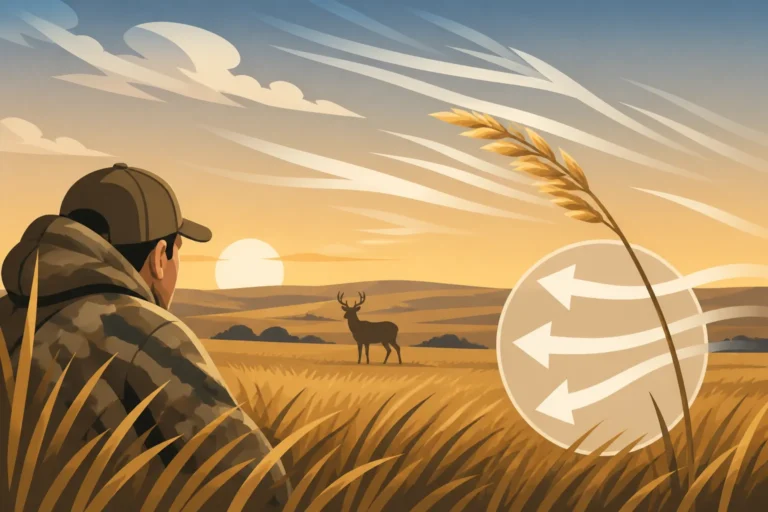
In the Black Hills, wind and thermals are your number one concern. Elk have an incredible sense of smell, and a slight shift in wind can betray your presence instantly, sending them silently slipping away.
- Wind Direction: Always approach from downwind. This sounds obvious, but in timber, wind can swirl unpredictably. Use a wind checker frequently. When calling, position yourself so the prevailing wind carries your scent away from where you expect the elk to approach.
- Thermals: In mountainous terrain like the Black Hills, thermals are air currents that rise and fall with temperature changes. In the morning, as the sun warms the ground, thermals rise uphill. In the evening, as the air cools, thermals fall downhill. This means your scent will drift uphill in the morning and downhill in the evening. Factor this into your approach and calling setup. If you're Hunting Elk in Ponderosa Timber on a hillside, arriving early and setting up before the thermals start to rise is crucial. Tools like GoHunt's mapping features can show you terrain features that influence thermals, helping you predict how air currents will behave.
It's often a game of cat and mouse, trying to stay ahead of the wind. Sometimes, it means moving around a ridge to get the wind right, even if it adds extra hiking. A well-placed call with bad wind is still a busted hunt.
Utilizing Terrain and Cover to Your Advantage
The Black Hills offer distinct advantages and challenges in terms of terrain and cover. Knowing how to use it is vital.
- Ridges and Saddles: Elk often travel along ridges and through saddles. These are natural funnels where you can set up ambushes. When calling, position yourself just over the crest of a ridge, or in a saddle, so that an approaching elk has to expose itself to get to you.
- Dense Timber and Openings: The Ponderosa pine can be incredibly thick, limiting visibility and shooting lanes. Look for natural openings, logging roads, or small clearings within the timber. These can be prime spots for setting up. When you call, an elk might approach cautiously, trying to circle downwind. Having multiple shooting lanes or a partner strategically placed can increase your odds.
- Water Sources: Elk, like all animals, need water. Seeps, springs, and small creeks in the Black Hills can be excellent places to find fresh sign and set up calls, especially in dry periods. Early morning or late evening often finds elk near water.
When approaching a calling setup, move slowly and deliberately, using every tree, rock, or change in elevation for cover. Elk have incredible eyesight, and even in thick timber, movement is easily spotted.
Strategic Hunter Positioning and Partnering
How you position yourself and, if applicable, your hunting partner, can make all the difference when an elk commits to the call.
- The Shooter and the Caller: If hunting with a partner, the caller should position themselves 50-70 yards behind the shooter. Elk are often focused on the source of the sound. If the caller is directly behind the shooter, the elk will come in looking past the shooter, drawing its attention away. This setup puts the bull at a disadvantage, as he’s focused on the caller’s position, giving the shooter a better opportunity for a clean shot. The caller can also provide cover and distraction if the elk hangs up.
- Utilizing Natural Blinds: Once you've chosen your spot, use natural cover like fallen logs, thick brush, or the base of a large tree to break up your silhouette. Don't be out in the open. You need to be able to draw your bow or shoulder your rifle without being detected.
- Anticipate the Approach: Think like an elk. If you're calling from a certain spot, where would you come from? Would you circle downwind? Would you approach stealthily through a draw? Position yourself to cover those likely approach routes. Have your bow or rifle ready, as sometimes a bull will come in much faster and quieter than you expect in the Black Hills timber. When Scouting South Dakota Public Ground Before the Season, identifying these natural approach lanes can save you valuable time.
| Elk Call Type | Primary Purpose | Best Time/Situation | Notes |
|---|---|---|---|
| Bugle (Challenge) | Attract/Challenge other bulls | Peak rut, when a bull is bugling back aggressively | Use with caution; can intimidate smaller bulls or draw aggressive responses. Combine with grunts/chuckles. |
| Bugle (Locator) | Pinpoint elk location | Dawn/Dusk, or when searching large areas | Sharp, loud bugle. Do not expect elk to come to a locator call. |
| Cow Mew (Soft) | Express contentment, locate herd | All season, especially effective during rut for bulls | Gentle, nasal. Draws in curious bulls looking for receptive cows. |
| Cow Mew (Estrus) | Signal receptiveness | Peak rut to attract breeding bulls | More insistent, drawn-out mews. Very effective on rutting bulls. |
| Calf Chirp/Mew | Locate calf, signal distress | Early season, or to pull in protective cows | Can sometimes draw in curious bulls or cows looking for lost calves. |
| Alarm Bark | Signal danger | Never used by hunter intentionally | Recognise it. If heard, freeze! |
| Grinding/Chuckles | Aggression, herding cows | During challenge bugles, when bull is close | Adds realism and urgency to bugles, indicates a bull is moving. |
Common Calling Scenarios and Tactics
Knowing the calls and having a good setup is fundamental, but applying them correctly in dynamic hunting situations is where the real art lies. The Black Hills throws a lot of different scenarios at hunters, and adapting your strategy is key.
Blind Calling for Success
Blind calling is when you initiate calls in an area you believe holds elk, even if you haven't heard or seen any yet. It's a speculative approach, but often necessary in dense timber where spotting elk is difficult.
- "Cold" Calling Strategies: Start with a few soft cow mews or chirps. Listen intently for five to ten minutes. If nothing, try a short, non-committal bugle, like a young bull looking for the herd. The goal here is to pique curiosity without sounding overly aggressive or threatening. You're trying to elicit a response, not immediately draw them in.
- Timing and Location: Blind calling is often most effective in the mornings or evenings when elk are more active. Choose areas with good cover, fresh sign, or historical elk activity. Ridges, thick bedding areas, or travel corridors identified through methods like E-Scouting Walk-In Areas Before the Season are prime spots. After calling, be patient. Elk can take a while to decide to respond or investigate. Sometimes, a bull might silently sneak in.
- Moving and Calling: Don't stay in one spot for too long. If you don't get a response after 15-20 minutes, move a few hundred yards and try again. Vary your calls and volume. In the Black Hills, elk range widely, and a mobile calling strategy can cover more ground.
Responding to a Heard Bugle
When a bull breaks the silence with a bugle, the game changes. Your response can either draw him in or send him packing. This is where subtle strategy often beats aggressive enthusiasm.
- Assessing the Bugle: Listen carefully. Is it a strong, confident bugle? A hesitant one? Is he moving? Is he with cows (indicated by chuckles and grunts)? His bugle will tell you a lot about his mood and dominance.
- The Soft Reply: Often, the best first response to a bugling bull, especially if he sounds dominant, is a series of soft, seductive cow mews. This appeals to his breeding instinct without challenging his authority. If he's a herd bull, he's less likely to abandon his cows for a fight but might come to investigate a new cow.
- The Challenge (Use Sparingly): If the bull sounds like a satellite bull, or if he's actively challenging you, a responsive bugle with grunts and chuckles can sometimes infuriate him enough to draw him in. However, be prepared for him to come in hot and fast. If he's a true herd bull, a too-aggressive challenge from too far away might just make him round up his cows and leave.
- Reading the Response: How the bull responds dictates your next move. If he bugles back immediately and moves closer, keep calling, varying between cow calls and soft bugles. If he goes silent, he might be sneaking in, or he might have left. Give him time. Sometimes, less is more.
Calling in a Satellite Bull
Satellite bulls are often younger or less dominant bulls that hang on the periphery of a herd, hoping to steal a cow or challenge the herd bull when he's distracted. These bulls can be easier to call in than a large, established herd bull.
- Understanding Their Behavior: Satellite bulls are often more cautious, but also more desperate for breeding opportunities. They are less likely to initiate a full-blown challenge but will respond to cow calls.
- Tactics for Satellite Bulls: A mix of soft cow calls and non-dominant bugles (mimicking a younger bull) can be highly effective. The non-dominant bugle makes them think they can compete, while the cow calls appeal directly to their goal.
- Patience and Positioning: Satellite bulls might circle extensively, trying to get downwind to scent-check the "cow." This is where your wind awareness and strategic positioning become absolutely critical. Having a partner act as the caller, positioned behind you, can keep the bull's attention away from your shooting lane as he tries to pinpoint the source of the cow calls. Remember that sometimes they will sneak in completely silently.
Troubleshooting and Advanced Tactics
Even with the best calls and strategies, elk hunting in the Black Hills can be frustrating. Bulls go silent, they hang up out of range, or they simply disappear. Knowing how to troubleshoot common issues and employ advanced tactics can turn a tough hunt around.
When Calls Go Silent: What to Do
The dreaded silence after a series of calls or a distant bugle can be disheartening. It doesn't necessarily mean the elk is gone; it often means you need to change your approach.
- He Hung Up: This is perhaps the most common scenario. The bull came in, got within 100-200 yards, and then stopped, trying to pinpoint the source of the sound or get a whiff of your scent.
- Solution: Go completely silent for 15-20 minutes. He might think the "other elk" has moved off and become curious, or he might just move on. Then, try a very soft cow mew or a subtle "chuckle" or "grunt" that sounds like an elk feeding or moving. This can sometimes convince him to take those last few steps. If you have a partner, the caller can sneak away a bit and call again, making it sound like the elk is moving.
- He Went Downwind: If you didn't manage your wind properly, he might have circled downwind, smelled you, and silently slipped away.
- Solution: Always be hyper-aware of your wind. If you suspect he went downwind, either try to circle widely to get ahead of him (if terrain allows) or reposition for a new approach. Sometimes, you just have to accept that you were busted and learn from it.
- He Was a "Ghost": Some elk, especially pressured bulls, will bugle once or twice and then go completely silent, moving off without a trace.
- Solution: Don't chase a ghost. If you call and he doesn't respond or moves off silently, try to circle ahead and blind call again, or change areas. The Black Hills are vast, and there are other elk. Utilizing tools like GoHunt can help you find alternative productive areas with good access, especially during Black Hills Elk Hunting Tactics planning.
Aggressive Versus Passive Calling
The balance between aggressive and passive calling is a dynamic one, constantly adjusted based on the elk's response and the hunting pressure in the area.
- Aggressive Calling: Loud, frequent bugles, grunts, and chuckles. Used to challenge dominant bulls or to get a quick response from a distant elk.
- When to Use: Peak rut, when bulls are hot and responsive, or if a bull is aggressively bugling at you. It can be effective, but also carries the highest risk of scaring off wary elk.
- Passive Calling: Soft, infrequent cow mews, subtle chirps, soft grunts, or even just long periods of silence.
- When to Use: Any time outside the peak rut, when elk are pressured, when you suspect a bull is close and wary, or when you are trying to coax in a hung-up bull. This is often the more consistent producer in the Black Hills, where timber can make elk feel exposed. Sometimes, the most effective call is no call at all, just patiently waiting after making a few soft sounds.
A good rule of thumb: start passive, and only escalate to aggressive if the situation demands it and the bull's behavior indicates he'll respond positively.
Utilizing Decoys and Hunting Partners
Decoys and hunting partners can significantly increase your success rates, especially in the tight confines of the Black Hills timber.
- Elk Decoys: A cow decoy can be incredibly effective, especially for drawing in a hung-up bull. If a bull sees a "cow" moving towards him, or standing enticingly, it can be just enough to overcome his caution. Place the decoy strategically so the bull has to come into your shooting lane to get a good look at it. There are even small, lightweight fabric decoys that attach to a bow limb, like those from Montana Decoy, making them easy to carry.
- The "Two-Hunter Advantage": As mentioned, having a caller position themselves behind the shooter is a classic and highly effective tactic. The elk focuses on the sounds of the caller, allowing the shooter to draw or raise their weapon unnoticed. The caller can also act as a spotter, directing the shooter to the approaching elk, or even rake a tree with a stick to simulate a bull thrashing its antlers. This simulates a real scenario, where multiple elk are interacting, adding to the realism. When considering Black Hills Elk Herd History, remember that elk have adapted to varying levels of pressure, and these advanced tactics can help mimic a natural, non-threatening situation.
- Simulated Movement: If you're hunting alone, try making a call, then moving silently a few yards, and calling again. This simulates a moving elk, which can be more convincing than a stationary one. Just be mindful of making too much noise or exposing yourself.
- Glassing Black Hills Breaks at First Light: While this guide focuses on calling, remember that combining calling with good glassing techniques, particularly when Glassing South Dakota Breaks at First Light, can help you locate elk before you even need to open your call.
Calling elk in the Black Hills timber is a constant learning process. Every hunt offers new lessons. Embrace the challenges, stay persistent, and remember that patience and strategic thinking are just as important as the calls themselves.
Disclaimer
Always consult the latest South Dakota Game, Fish and Parks regulations and landowner permissions before engaging in any hunting activities. Hunting ethics and safety should always be your top priority.