East River Prairie Pothole Country in South Dakota
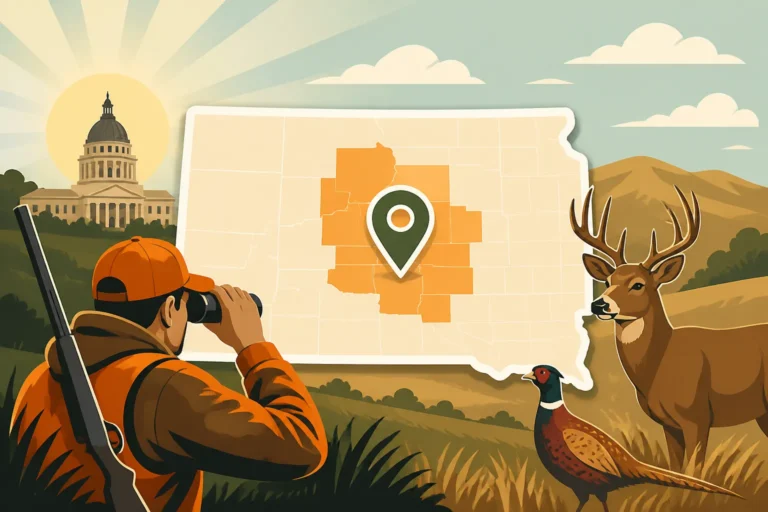
Many hunters dream of vast, uninterrupted wilderness, but the true magic of South Dakota hunting, particularly in the East River region, often lies in understanding the mosaic of diverse habitats and ever-changing access. This guide delves into the unique challenges and incredible rewards of hunting the East River prairie pothole country, offering insights into its landscape, prime game species, and how to successfully navigate its public and accessible private lands for an unforgettable experience.
Understanding the East River Landscape: What Makes It Special for Hunting
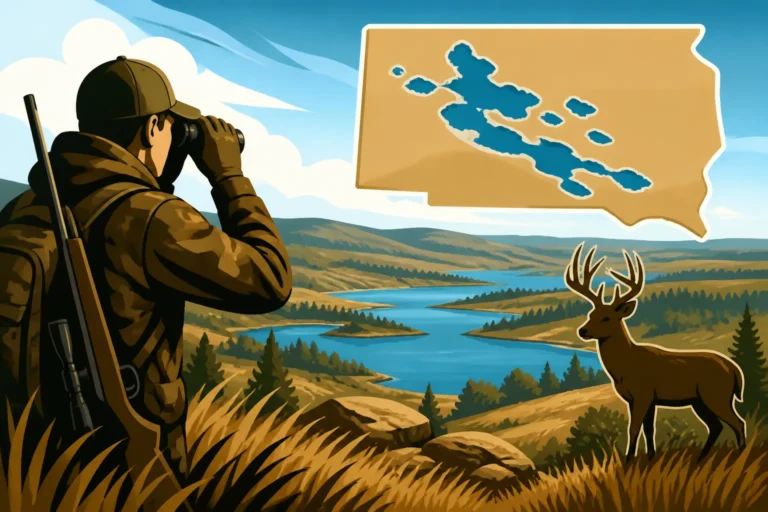
The East River region of South Dakota is a geological marvel, sculpted by ancient glaciers, and now a vibrant tapestry of productive agriculture, winding river corridors, and, most famously, an incredible density of small, often shallow wetlands known as "potholes." This unique topography creates an unparalleled hunting environment, primarily known for its upland birds and waterfowl. It's a land of subtle rises and falls, rich black dirt, and an abundance of cover types that hold game throughout the seasons.
The Glacial History and Its Impact on Habitat
Picture this: thousands of years ago, massive glaciers crept across what is now eastern South Dakota, grinding and shaping the land. As they retreated, they left behind a scarred, pockmarked landscape. These depressions filled with water, creating the "potholes" – shallow wetlands that dot the prairie like freckles. The glaciers also deposited rich soil, creating the fertile ground that makes this region an agricultural powerhouse today. This history isn't just a geological fun fact; it's the fundamental reason why East River habitat is so productive. These wetlands, surrounded by grasslands, cattail sloughs, and grain fields, provide vital nesting, brooding, and wintering cover for pheasants, ducks, and geese. They are the magnets that draw and hold game birds, creating choke points and travel corridors that hunters can learn to read.
Beyond the potholes themselves, the glacial till also created rolling hills and subtle drainages that provide protection from the elements. These topographical features, often barely noticeable from a distance, can funnel pheasants or provide a sheltered resting spot for waterfowl on a windy day. Understanding that every dip, every rise, and every small body of water is a direct legacy of those ancient ice sheets helps you appreciate the richness of the hunting opportunities and predict where game might be holding. It also means that even seemingly flat ground can offer crucial cover and travel routes for wildlife.
Agriculture's Influence and Hunter Access Dynamics
While the glaciers laid the foundation, modern agriculture profoundly influences the East River hunting scene. Vast expanses of corn, soybeans, and wheat dominate the landscape, providing abundant food sources for all manner of wildlife, particularly pheasants and deer. These cultivated fields act as giant cafeterias for game, drawing them out of dense cover in the mornings and evenings. However, agriculture also shapes hunter access. Most of this land is privately owned, and active farming operations dictate where and when hunters can gain permission.
Working around agriculture requires a keen understanding of land use and respect for private property. Hunters often find success by focusing on the edges of these fields, where pheasants might feed or transition to cover, or by targeting unharvested areas like standing corn that offer late-season refuge. The dynamic between agriculture and wildlife means that scouting, often through tools like onX Hunt, becomes paramount to identifying feeding patterns and potential travel routes. It's a continuous puzzle of identifying where the birds are finding food and where they're retreating for safety, always with an eye on the property boundaries.
Water and Wetlands: The Lifeblood of the Prairie
If agriculture provides the food, then water and wetlands are the heart and soul of East River hunting. The sheer number of potholes, ranging from tiny puddles to sprawling marsh complexes, is staggering. These wetlands, combined with larger rivers like the James and the Big Sioux, create a haven for migratory waterfowl and provide essential water sources and thermal cover for upland birds. For pheasants, cattail sloughs and wetland edges are indispensable, offering dense protection from predators and brutal winter weather.
The quality and quantity of these wetlands can fluctuate dramatically with rainfall and snowmelt, directly impacting game populations and hunting conditions. A wet year means more water, more aquatic insects, and potentially more successful duck broods. It also means more dense cattails for pheasants. A dry year, conversely, can concentrate waterfowl on fewer remaining water bodies and force pheasants into the thickest, wettest cover they can find. Hunters need to be adaptable, reading the water levels and understanding how it affects bird distribution. These wetlands are not just for ducks; they are critical ecosystems supporting the entire hunting landscape of the East River.
Key Game Species Flourishing in the Pothole Region
The East River prairie pothole country is a veritable paradise for bird hunters, primarily renowned for its robust populations of ring-necked pheasants and an incredible abundance of migratory waterfowl. While these two species are the undeniable stars, other upland birds also make their home here, offering diverse hunting opportunities.
The Mighty Ring-Necked Pheasant
When most people think of hunting in South Dakota, they think of pheasants, and for good reason. The East River region is the undisputed heartland of the South Dakota Ring-Necked Pheasants population. The combination of rich agricultural fields, dense grassland cover, and innumerable wetlands provides ideal habitat for these colorful, wily birds. Hunters flock here from all over the world to experience the thrill of a rooster exploding from cover. The hunting season, often kicking off with the famous "opener" in October, sees vast numbers of hunters taking to the fields.
Successfully hunting pheasants in this region involves understanding their daily patterns. Early mornings often find them feeding in cornfields or stubble, while midday typically sees them hunkered down in heavy cover like cattail sloughs, dense CRP (Conservation Reserve Program) grass, or thick shelterbelts. As evening approaches, they'll often move back to food sources before heading to their roosting cover for the night. The East River's varied cover types mean that hunters must be prepared to tackle everything from short stubble fields to chest-high switchgrass, often within the same quarter section. This variability keeps pheasant hunting engaging and challenging, demanding adaptable tactics and a good pair of boots.
Abundant Waterfowl: Ducks and Geese Galore
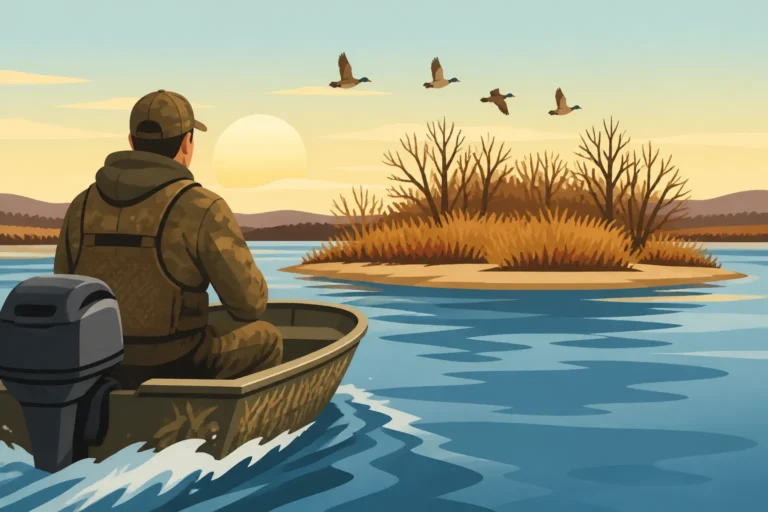
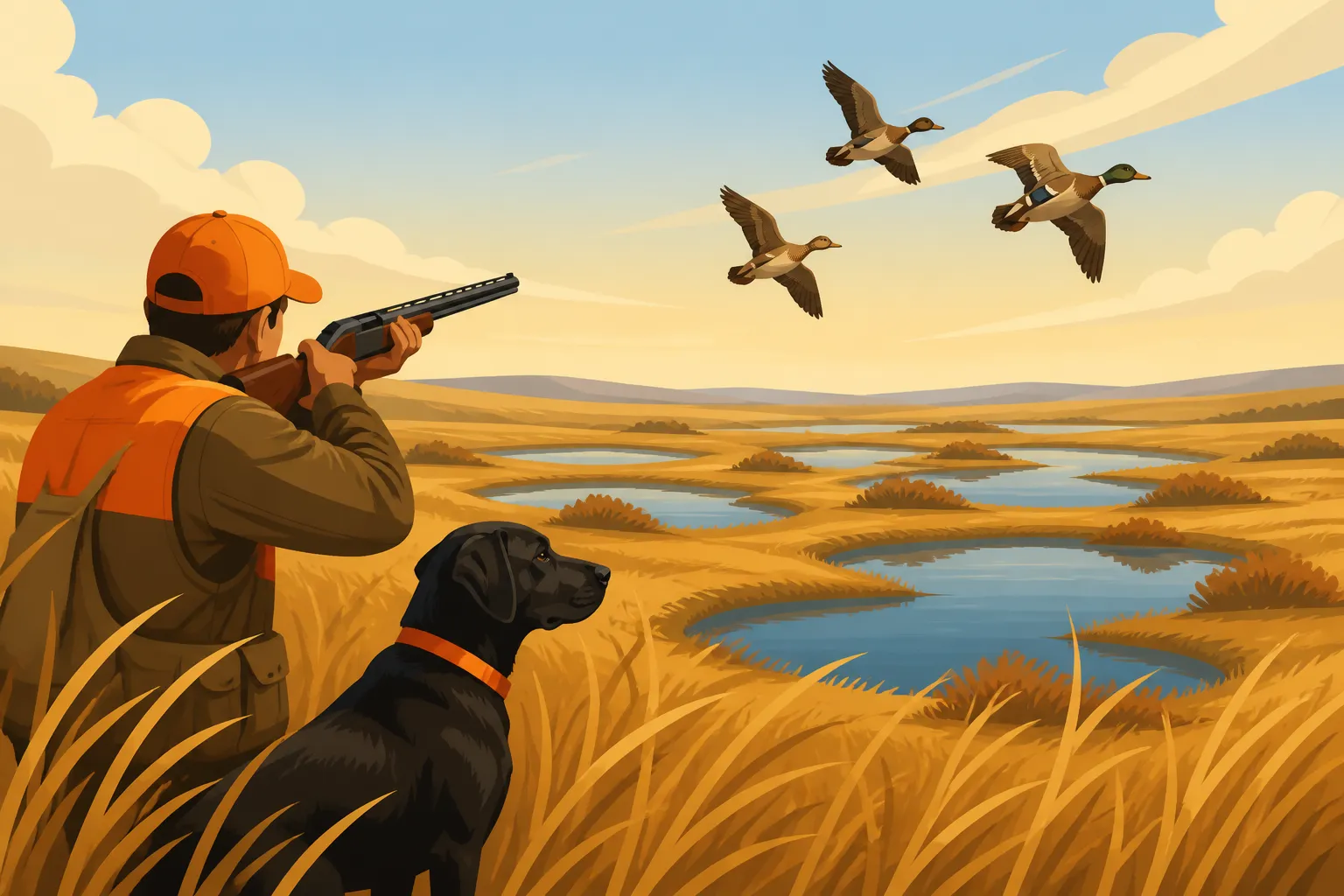
Beyond pheasants, the East River region is a critical stopover and breeding ground for South Dakota Waterfowl on the Central Flyway. The "pothole region" nickname truly earns its stripes here, as ducks and geese find an endless buffet of small wetlands for resting, feeding, and breeding. Mallards, pintails, teal, gadwall, and wigeon are common duck species, while Canada geese, snow geese, and occasionally white-fronted geese utilize the area. The sheer number of water bodies means that hunters can find diverse opportunities, from large sloughs to small, isolated potholes.
Waterfowl hunting in East River can range from elaborate decoy spreads in flooded fields or large marshes to more guerrilla-style jump shooting of small stock dams and isolated potholes. The timing of migrations plays a huge role in success, with early season hunts often targeting locally hatched birds and later seasons depending on the arrival of birds from the north. Understanding current weather patterns and scouting is crucial for finding where the birds are actively feeding and resting. The diverse landscape offers flexibility, allowing hunters to adapt their methods to the specific species they're pursuing and the conditions they encounter.
Other Upland Birds: Grouse and Partridge
While pheasants reign supreme, the East River also offers opportunities for other upland game birds, though often in more localized pockets. South Dakota Prairie Grouse and Partridge can be found, adding another dimension to a mixed-bag hunt. Sharp-tailed grouse are primarily found in the western parts of the East River, particularly in areas with larger tracts of native prairie and less intensive agriculture. They are a true prairie bird, and pursuing them often involves covering vast amounts of open grassland.
Hungarian partridge, or "Huns," are smaller, fast-flying birds that often inhabit open stubble fields, shelterbelts, and the edges of native grass. They are notorious for holding tight until the last minute before exploding into the air with a distinctive whirring flight. While not as numerous as pheasants, finding a covey of Huns can be a delightful surprise for a pheasant hunter. Hunting these birds often involves similar tactics to pheasants but with an even greater emphasis on diligent dog work and sharp shooting. Their populations can fluctuate, but a dedicated hunter might find them in areas providing a mix of open land and light cover.
Navigating Public Hunting Opportunities East River
One of the most remarkable aspects of hunting in South Dakota, especially in the East River region, is the extensive network of public and publicly accessible lands. While much of the state is privately owned, the South Dakota Game, Fish and Parks (GFP) has done an excellent job of providing hunters with numerous options. Understanding these different land types and how to use them is key to a successful hunt.
South Dakota's Walk-In Area (WIA) Program
The South Dakota Walk-In Areas Explained program is a true game-changer for resident and nonresident hunters alike. Through this innovative program, GFP leases hunting rights from private landowners, designating these parcels as "Walk-In Areas" (WIAs). These areas are marked with distinctive yellow signs and are open to public hunting from September 1st through May 31st, often covering crucial pheasant and waterfowl habitat. WIAs are foot-traffic only, meaning no vehicles are allowed beyond designated parking areas, which helps distribute hunting pressure and preserve the quality of the hunting experience.
The beauty of WIAs is their sheer number and variety. They can range from small blocks of CRP grassland to expansive cattail sloughs, and even some agricultural fields post-harvest. Using the South Dakota GFP Public Hunting Atlas, or an app like onX Hunt, is absolutely essential for locating these areas and understanding their boundaries. Before heading out, always consult the most current atlas or app, as WIA parcels can change from year to year. These areas provide invaluable access, especially in prime pheasant country, and are often the backbone of a successful DIY hunting trip. However, be mindful of Hunting Pressure Patterns on Walk-In Areas, especially during the pheasant opener, and consider hunting weekdays or targeting less obvious cover.
Game Production Areas (GPAs) and Waterfowl Production Areas (WPAs)
Beyond WIAs, hunters in East River can also utilize Game Production Areas (GPAs) and Waterfowl Production Areas (WPAs). South Dakota Game Production Areas are lands purchased and managed by the state GFP for public hunting and wildlife habitat. These areas are permanent public lands, often featuring a mix of grasslands, wetlands, and some timbered draws. GPAs are typically larger than many WIA parcels and provide stable habitat year after year, often acting as wildlife refuges that push birds out into surrounding accessible areas.
Waterfowl Production Areas (WPAs) are managed by the U.S. Fish and Wildlife Service, specifically for nesting waterfowl and migratory bird habitat. These federal lands are also open to public hunting, though specific regulations may apply regarding shooting hours or certain activities. WPAs, as their name suggests, are prime locations for duck and goose hunting, often featuring numerous small wetlands surrounded by dense nesting cover. They are critical for sustaining the region's waterfowl populations. Like WIAs, both GPAs and WPAs are clearly marked and can be found on the GFP Public Hunting Atlas and digital mapping platforms, making them indispensable resources for planning your East River hunt.
| Public Land Type | Owner/Manager | Primary Purpose | Access Rules | Best For |
|---|---|---|---|---|
| Walk-In Area (WIA) | Private Landowner/SD GFP | Lease public hunting rights | Foot traffic only | Pheasants, waterfowl, deer (localized) |
| Game Production Area (GPA) | SD GFP | State-owned habitat & public hunting | Vehicle access usually limited | Pheasants, waterfowl, deer, prairie grouse |
| Waterfowl Production Area (WPA) | U.S. Fish & Wildlife Service | Waterfowl nesting & migration habitat | Foot traffic only, specific regs | Ducks, geese, some pheasants |
| School & Public Trust Land | State of South Dakota | Generate revenue for education | Varies by parcel, check maps | Pheasants, deer, some waterfowl (check rules) |
School and Public Trust Lands: Understanding Access Rules
Another category of publicly accessible land in South Dakota includes School and Public Trust Lands. These lands were granted to the state by the federal government to generate revenue for public education through grazing leases, agriculture, and other uses. While the primary purpose isn't recreation, many parcels are open to public hunting. However, access rules can be a bit more nuanced than for WIAs or GPAs.
The key to hunting School and Public Trust Lands is verification. Not all parcels are open, and some may have specific restrictions. Hunters must always check the South Dakota GFP Public Hunting Atlas or use a reliable mapping application like onX Hunt, which clearly delineates these parcels and their open/closed status. Some parcels may be landlocked by private property, requiring permission from the surrounding landowners to access. While they can be excellent hunting grounds, particularly for deer, pheasants, and some waterfowl, it's crucial to do your homework and ensure you're legally accessing and hunting these lands to avoid any trespass issues.
Strategies for Success in East River Pheasant Fields
Hunting pheasants in South Dakota's East River region is an experience unlike any other, demanding a blend of strategic planning, physical effort, and often, the keen nose of a good bird dog. The diverse cover types, from dense cattails to vast CRP fields, require adaptable tactics to consistently put roosters in the bag. It's not just about walking; it's about reading the landscape and understanding bird behavior.
Reading Cover: From Cattails to CRP
The key to successful pheasant hunting in East River is becoming a master at "reading cover." Different types of cover hold birds differently and require distinct approaches. Cattail sloughs, for instance, are pheasant magnets, especially in late season or during cold weather. They offer incredible thermal protection and dense hiding spots. When hunting these, expect birds to hold tight, often flushing at very close range, but also be prepared for them to run ahead through the thickest parts. Driving these areas with a line of hunters and blockers can be highly effective. Reading Aerial Imagery for Cattail Cover on mapping apps can give you a huge advantage in identifying these prime areas.
CRP (Conservation Reserve Program) grasslands, another prevalent cover type, provide crucial nesting and wintering habitat. These fields can be immense, offering miles of tall, thick grass. Birds here tend to run more, often flushing wild if you're not careful. A slower, more methodical pace, allowing dogs to work thoroughly, is often best. Food plots, planted by landowners specifically for wildlife, and corn edges are also key. Birds will often use corn as escape cover, running along rows before flushing at the end. Hunting Food Plots and Corn Edges requires walking the edges carefully, often with a blocker at the end to cut off escape routes. Understanding what type of cover you're entering will dictate your pace, formation, and dog handling.
Working Fields with and Without Dogs
While many pheasant hunters swear by their canine companions, it's entirely possible to be successful Dogless Pheasant Hunting in South Dakota. If you're hunting without a dog, a larger group of hunters can mimic some of a dog's benefits, creating a more effective push. Spacing yourselves evenly and walking at a consistent pace, ideally into the wind, can help push birds forward. Utilizing blockers at the ends of fields or along escape routes becomes even more critical without a dog to retrieve downed birds or sniff out runners. For dogless hunters, focusing on smaller, more defined cover patches like shelterbelts, small cattail sloughs, or fence lines can be more productive than trying to cover vast open fields.
However, if you have dogs, their role is invaluable. Pointers like German Shorthaired Pointers or English Pointers excel at locating birds and holding them for the flush, while flushers like Labs or Springer Spaniels are fantastic at pushing birds out of thick cover and retrieving downed game. The choice between Pointing Dogs Versus Flushers on Wild Birds often comes down to personal preference and the type of cover you anticipate hunting most. Regardless of breed, a well-trained dog dramatically increases your chances of finding and retrieving birds, especially those wily roosters that prefer to run. Remember to keep your dog hydrated and protected from burrs, as the prairie can be tough on paws.
Timing Your Hunt: Midday Lulls and Roosting Flights
Pheasant hunting isn't a sunrise-to-sunset affair in the same way deer hunting might be. In South Dakota, pheasant shooting hours famously begin at 10 a.m. (local time) during most of the season. This late start allows birds to leave their roosting cover and move to feeding areas, often concentrating them in predictable spots. The "10 a.m. start" is an iconic part of the South Dakota pheasant experience, and it's something to embrace.
Midday, from about noon to 3 p.m., often sees a "lull" in activity. Birds have fed and are typically hunkered down in the thickest cover available, digesting their meal and avoiding predators. This is a prime time to target dense cattail sloughs or heavy CRP fields where birds are likely holding tight. As late afternoon approaches, pheasants begin to move back towards feeding areas before heading to their roosts, often in tall grass or brushy draws, as darkness falls. Knowing these daily patterns allows you to optimize your hunting strategy, choosing the right type of cover to work at the right time of day for maximum success. Don't waste precious daylight hours aimlessly wandering during the midday lull; instead, target the heavy stuff.
Waterfowl Hunting in the Land of 10,000 Potholes
The East River region of South Dakota is a dream come true for waterfowl hunters, boasting an incredible density of small wetlands and agricultural fields that serve as magnets for migrating ducks and geese. The variety of water bodies, from shallow potholes to expansive lakes, allows for diverse hunting strategies, making every outing a new adventure.
Decoy Spreads for Ducks and Geese
Effective Decoy Spreads on a Prairie Pothole are crucial for drawing ducks and geese into shooting range. For ducks, smaller spreads of a dozen to two dozen decoys can be very effective on the countless potholes. Focus on creating an open landing zone in front of your blind, with some decoys appearing to feed naturally. Mixing in a few dabbler and diver species can also add realism. Spinning wing decoys, used judiciously, can be incredibly effective at attracting ducks from a distance, especially on calm days. The key is to make your spread look natural and inviting, mimicking contented birds on the water.
For geese, especially Canada geese, larger spreads are often more effective, sometimes numbering in the hundreds if conditions allow. Field hunting for geese in cut corn or stubble requires careful scouting to identify active feeding fields. Field Hunting Geese in South Dakota Cut Corn often involves using full-body decoys or silhouettes to create a realistic spread of feeding birds, often with a "kill hole" for the birds to commit to. Layout blinds are almost essential for concealment in these open fields, allowing hunters to blend seamlessly with the stubble. The success of any decoy spread hinges on scouting the birds' preferred feeding or resting areas and setting up where they want to be.
Jump Shooting Potholes and Stock Dams
For hunters who prefer a more active approach, Jump Shooting South Dakota Stock Dams and potholes offers an exciting alternative to stationary blind hunting. This tactic involves slowly and stealthily approaching small bodies of water, surprising ducks that are resting or feeding there, and flushing them into the air for a shot. It's a method that requires good stealth, quick reflexes, and an understanding of how ducks will typically flush. Many of the smaller, out-of-the-way potholes that might not be suitable for a large decoy spread are perfect for jump shooting.
Successful jump shooting relies on careful scouting, identifying which potholes are holding birds, and then using terrain features like slight rises or tall grass to conceal your approach. Always approach with the wind in your face to muffle your sound and keep your scent away from the birds. Walking slowly along the edge of a slough or peeking over a berm can reveal hidden ducks. This method is particularly popular during the early season when birds are less wary and more concentrated on local water bodies. It's a great way to explore public lands and cover a lot of ground, often yielding a satisfying mixed bag.
Understanding Flyways and Migration Patterns
While local birds offer early-season opportunities, the true spectacle of East River waterfowl hunting often revolves around the powerful movements of the Central Flyway. South Dakota is a critical corridor for millions of ducks and geese migrating between their northern breeding grounds and southern wintering areas. Understanding When Ducks Migrate Through South Dakota and the general patterns of this migration is crucial for late-season success. Cold fronts to the north, for instance, will push new waves of birds into the East River, often bringing with them fresh, less pressured birds.
Duck species like mallards will often linger as long as open water is available, even after some of the smaller potholes freeze. Goose migrations, especially for snow geese, can be massive spectacles, with thousands of birds moving through in waves. Keeping an eye on weather forecasts, both locally and hundreds of miles to the north, is a vital part of waterfowl hunting strategy in East River. Resources like the GoHunt platform (for general hunting info and insights, though more big game focused, can still offer relevant weather and wildlife news) can provide broad ecological insights. This knowledge helps hunters anticipate new arrivals, plan their hunts around peak migration periods, and position themselves for the best chances at success.
Deer and Other Big Game in East River Habitat
While East River South Dakota is primarily celebrated for its phenomenal bird hunting, it would be a mistake to overlook the opportunities for big game, particularly white-tailed deer. The diverse mosaic of agricultural fields, river corridors, and shelterbelts creates excellent habitat for whitetails, and for the lucky few, even a chance at a prairie mule deer or pronghorn.
Whitetail Deer in River Bottoms and Shelterbelts
Whitetail Range Along South Dakota Rivers is extensive in the East River, with the James River and Big Sioux River corridors, along with their tributaries, providing critical habitat. These river bottoms are often a mix of mature timber, dense brush, and overgrown oxbows, offering deer excellent cover, food, and water. During the fall and winter, whitetails often rely heavily on these areas for refuge from hunters and harsh weather. Hunting these river bottoms often involves strategic stand placement, scouting for rub lines and scrapes, and understanding deer travel patterns along the river.
Beyond the major rivers, smaller wooded draws, creek bottoms, and especially shelterbelts are also key whitetail areas. Shelterbelts, rows of trees planted as windbreaks, offer valuable cover and travel corridors across otherwise open agricultural landscapes. Deer will use these to move between feeding areas in crop fields and bedding areas. Hunting near the ends of these shelterbelts, or within them on a windy day, can be productive. The combination of abundant food from agriculture and diverse cover means East River whitetails can grow to impressive sizes, offering a challenging and rewarding hunt. Hunting Whitetails in South Dakota's Missouri River Timber might be a different region, but the principles of hunting riverine habitat translate well.
Occasional Mule Deer and Antelope Sightings
While mule deer and pronghorn antelope are primarily associated with the West River breaks and open prairies, it's not entirely unheard of to find them in the East River region, particularly in transitional zones or areas with more expansive grasslands. Mule deer sightings are rare and generally confined to the far western edge of the East River, where the prairie begins to take on a more open, broken character. These animals are typically transient or part of very localized populations, often making their way into the region from classic West River habitat.
Similarly, pronghorn antelope are true creatures of the open prairie and are far more common west of the Missouri River. However, isolated pockets or transient animals might occasionally be spotted in the largest, most unbroken tracts of grassland in the extreme western East River counties. Successfully hunting these animals would require a highly targeted approach, extensive scouting, and often a lot of luck. For most hunters pursuing deer in East River, the focus will be overwhelmingly on the abundant whitetail population, but the occasional glimpse of a mule deer or antelope is a testament to the diverse wildlife that can occasionally roam this region.
Predators: Coyotes and Foxes
The East River landscape, with its abundant small game and bird populations, naturally supports a healthy population of predators. Coyotes are widespread and common throughout the region, adapting well to the mix of agricultural and grassland habitats. They are opportunistic hunters, preying on everything from rodents and rabbits to pheasants and even deer fawns. Coyote hunting is a popular activity, especially during the winter months when their pelts are prime and the snow makes them easier to spot and track. Calling Coyotes on South Dakota Grassland is a common tactic, using electronic or mouth calls to mimic prey in distress.
Red foxes are also prevalent, particularly in areas with a good mix of agricultural fields and pockets of dense cover. They are smaller than coyotes but equally cunning and also feed on small mammals and birds. Occasionally, swift foxes, a smaller and more elusive species, might be found in the most pristine prairie habitats, though they are less common than red foxes. Hunting predators in East River provides an additional challenge and can contribute to wildlife management by helping to control populations that can impact game bird nesting success. It's a great way to extend your time in the field, especially after the bird seasons close.
Essential Gear and Preparation for an East River Hunt
A successful hunt in South Dakota's East River prairie pothole country isn't just about knowing where to go or what to do; it's also about being properly equipped and prepared for the unique demands of the environment. From battling the elements to navigating the land, having the right gear can make or break your experience.
Clothing, Footwear, and Weather Preparedness
South Dakota weather is famously unpredictable and can change dramatically in a single day, especially during the fall hunting seasons. Layering is not just a suggestion; it's a necessity. Start with a moisture-wicking base layer, add insulating layers like fleece or wool, and top it off with a waterproof and windproof outer shell. Blaze orange is legally required for pheasant hunting and highly recommended for any upland hunt to ensure visibility and safety. Investing in high-quality, durable Boots for Walking Cattails All Day is paramount. These should be waterproof, comfortable for covering many miles, and provide good ankle support. Many hunters prefer rubber boots for the wet conditions often found in and around potholes and sloughs.
Beyond clothing, always carry essentials like a small backpack with water, snacks, a first-aid kit (especially if hunting with dogs), and a headlamp. A compass and a physical map, even if you rely on GPS, are good backups. Pay close attention to the forecast before and during your hunt, as an unexpected cold front or rain shower can quickly turn a pleasant day into a miserable one if you're not prepared. High winds are also a common factor on the open prairie, making proper windproof clothing essential to stay warm and comfortable.
Mapping Tools and Navigation
In a landscape characterized by a mix of public and private lands, accurate navigation and boundary identification are absolutely critical. Digital mapping applications are an invaluable tool. Products like onX Hunt provide detailed property ownership information, public land boundaries (including WIAs, GPAs, and WPAs), aerial imagery, and topographic maps right on your phone or GPS device. This allows you to quickly determine if you are on accessible land, identify potential access routes, and pinpoint prime cover. Using the South Dakota Public Hunting Atlas Online is a great start, but a robust app makes it real-time in the field.
Beyond identifying public lands, these mapping tools are excellent for scouting. You can virtually explore areas from home, identifying potential cattail sloughs, shelterbelts, food plots, and pinch points that might hold birds or deer. They also allow you to mark parking spots, game trails, and even the location of downed birds or lost items. Always ensure your device is fully charged, and consider carrying a portable power bank. While technology is incredibly helpful, remember that cell service can be spotty in some remote East River locations, so knowing how to use offline maps is a smart backup strategy.
Licenses, Regulations, and Hunter Education
Before you even step foot in the field, ensure you are fully compliant with all South Dakota hunting regulations. This includes purchasing the appropriate licenses, such as the nonresident small game license for bird hunting or specific big game tags obtained through the draw system. Nonresident pheasant hunters, for instance, typically need a South Dakota Nonresident Small Game Licence Price along with a habitat stamp. Familiarize yourself with daily bag limits, possession limits, shooting hours, and tagging requirements for all species you plan to pursue.
If you are new to hunting or under a certain age, South Dakota Hunter Education and Licensing requirements must be met. South Dakota has specific regulations regarding hunter orange, trespass laws, road hunting, and vehicle use on public lands. The South Dakota Game, Fish and Parks website is the official source for current regulations and licensing information, and it's essential to review it annually. Ignorance of the law is not an excuse, and violations can result in significant fines and loss of hunting privileges. A well-prepared hunter is not only better equipped but also fully aware of their responsibilities and the regulations that govern their sport.
Disclaimer
This article is for general informational purposes only and does not constitute professional advice. Laws, prices and regulations vary by location and change over time. Consult a qualified professional for guidance on your specific situation.