Glacial Lakes Region Hunting Access
Trying to navigate the hunting landscape in South Dakota's Glacial Lakes Region can feel like a maze, especially if you're new to the area or primarily accustomed to big game country. The sheer volume of water, the mix of public access types, and the unique challenges of marsh and grassland hunting often leave hunters feeling overwhelmed about where to even begin. This guide aims to demystify hunting access in this incredible region, helping you find those prime spots for waterfowl, pheasants, and more.
Understanding the Glacial Lakes Region's Unique Landscape for Hunters
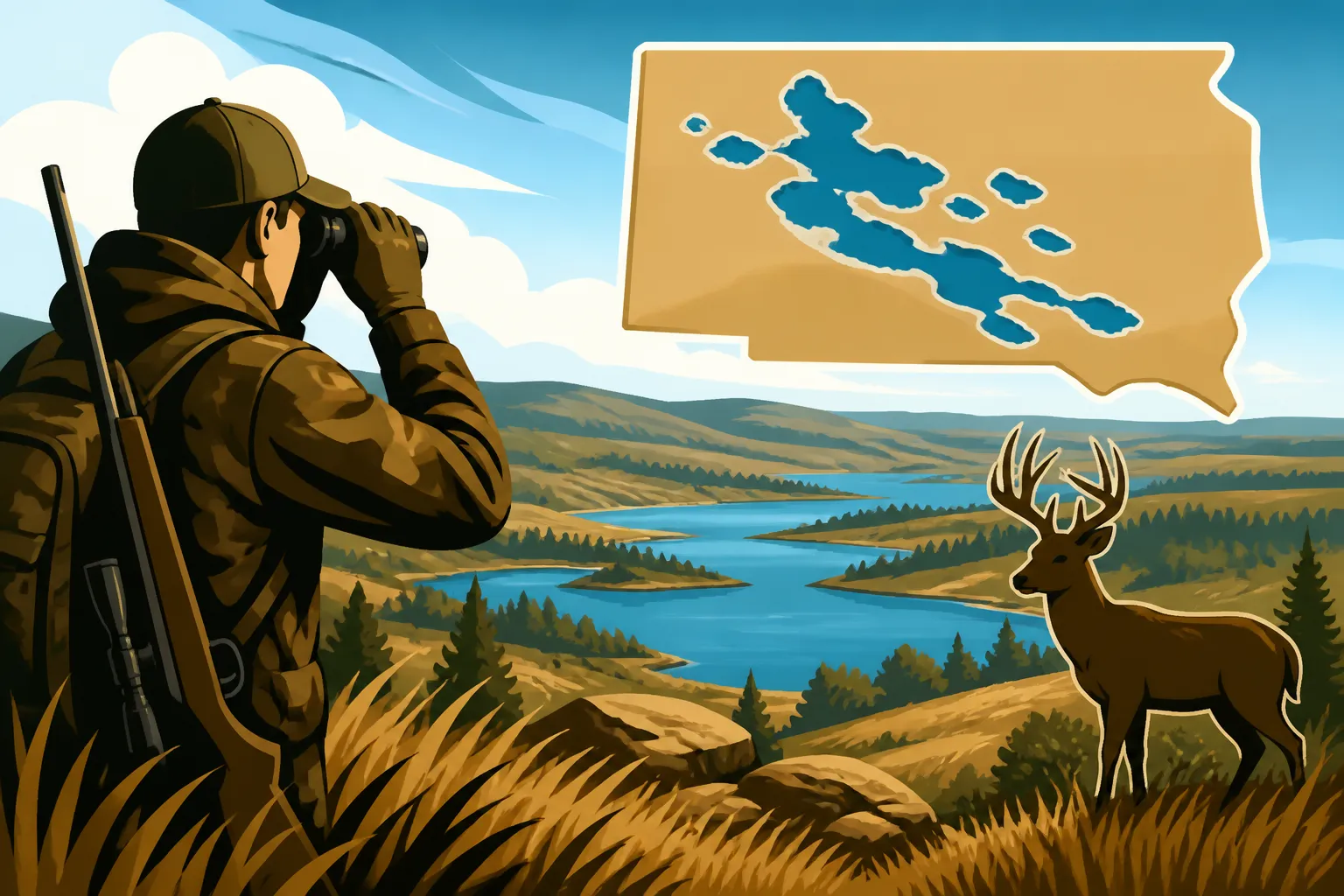
The Glacial Lakes Region, nestled in northeastern South Dakota, is a truly special place. It's a land sculpted by ancient glaciers, leaving behind a distinctive terrain that's a magnet for various game species. Understanding this unique topography is the first step to unlocking its hunting potential.
The Prairie Pothole Legacy and its Hunting Value
Imagine an endless canvas dotted with countless small depressions, each holding water – that's the prairie pothole region. These aren't just puddles; they are vital wetlands, forming the "duck factory" of North America. When the glaciers retreated, they left behind this incredible patchwork of shallow wetlands, often surrounded by diverse upland grasses and cattails. This mosaic creates perfect habitat: open water for ducks and geese, dense cover for pheasants, and a rich food source for all manner of wildlife.
For hunters, this means incredible opportunities. Waterfowl are abundant, from mallards and pintails to various divers. These potholes act as critical staging and feeding areas during migration. Simultaneously, the surrounding uplands, often contiguous with these wetlands, provide fantastic pheasant cover. It's not uncommon to jump ducks out of a cattail slough only to have pheasants flush a few steps later from the adjacent grass. This intermingling of habitats is what makes hunting here so unique and often, so rewarding. Knowing how to read these landscapes, identifying healthy pothole complexes versus dry basins, is key to success.
Dominant Land Cover Types and What They Mean for Hunting
The Glacial Lakes Region is characterized by a blend of land covers that directly impact hunting strategies. You'll primarily encounter expansive grasslands, often interspersed with agricultural fields of corn and soybeans, alongside the aforementioned prairie potholes.
The grasslands, ranging from native prairie remnants to managed conservation reserve program (CRP) acres, are critical for pheasants, deer, and even some prairie grouse. These areas offer thermal cover in winter, nesting sites in spring, and foraging opportunities year-round. When you see a large block of undisturbed grass, especially near a food source or water, you know it's a potential holding area.
Agricultural fields, while privately owned, are crucial too. Cut cornfields are magnets for migrating geese and often provide late-season pheasant foraging. Soybean fields, once harvested, can also hold birds seeking scattered grain. Understanding crop rotations and field conditions can help you predict animal movement, even if you're hunting adjacent public ground. Hunting Food Plots and Corn Edges can offer further insights into how game animals utilize these areas. Lastly, the heavy cattail sloughs and dense willows found around many potholes provide impenetrable cover, especially in winter. These spots are often overlooked due to their difficulty to hunt, but they consistently hold birds, particularly when hunting pressure pushes pheasants into the thick stuff. Knowing how to approach these dense areas can make all the difference.
Navigating Public Access Options in the Glacial Lakes Region
South Dakota is famous for its robust public access programs, and the Glacial Lakes Region benefits immensely from these initiatives. Learning the distinctions between Waterfowl Production Areas, Game Production Areas, and Walk-In Areas is fundamental to effectively hunting this part of the state.
Waterfowl Production Areas (WPAs) and Their Role
Waterfowl Production Areas, or WPAs, are federally owned lands managed by the U.S. Fish and Wildlife Service, primarily focused on nesting and breeding habitat for migratory birds. As their name suggests, they are absolute goldmines for waterfowl hunters. You'll find thousands of these scattered throughout the Glacial Lakes Region, often appearing as small to medium-sized parcels on your mapping apps like onX Hunt.
WPAs typically feature a mix of wetlands, grasslands, and some planted cover. They are open to public hunting and trapping, but there are specific rules to be aware of. For instance, permanent blinds are generally not allowed, and vehicle access is often restricted to designated parking areas. The beauty of WPAs is their sheer abundance and their consistent ability to hold ducks and geese. Scout these areas for active bird use, look for fresh sign, and pay attention to wind direction to set up successful decoy spreads. Beyond waterfowl, many WPAs also hold good numbers of pheasants, especially in their grassy uplands, making them excellent spots for combination hunts. Understanding Decoy Spreads on a Prairie Pothole can greatly enhance your success on these lands.
State Game Production Areas (GPAs)
South Dakota Game Production Areas (GPAs) are state-owned lands managed by the South Dakota Game, Fish and Parks (GFP) specifically for wildlife habitat and public hunting. These areas are incredibly valuable and widespread in the Glacial Lakes Region. Like WPAs, GPAs offer a diverse array of habitats, from dense cattail sloughs and expansive grasslands to food plots and shelterbelts. They are often larger than WPAs, providing more room to roam and offering a wider range of hunting opportunities.
GPAs are generally well-marked with signs, making them easy to identify in the field. They are accessible to the public, and while specific regulations can vary, they are designed to be hunter-friendly. You can pursue pheasants, waterfowl, deer, and other small game on GPAs. The key with GPAs, especially in popular areas, is to scout them thoroughly. Look for areas with diverse cover, natural travel corridors for deer, and secluded pockets that might hold birds away from heavy pressure. Utilizing a mapping tool like GoHunt can help you identify these areas and plan your access points.
Walk-In Areas (WIAs) and Their Specifics
South Dakota's Walk-In Area (WIA) program is a truly remarkable initiative that opens up hundreds of thousands of acres of private land to public hunting. Landowners voluntarily enroll their property, and in return, hunters gain foot access. These areas are absolutely crucial for hunters in the Glacial Lakes Region, providing access to prime pheasant and waterfowl habitat that would otherwise be off-limits.
WIAs are marked with distinctive yellow signs and are generally open to foot traffic only. This "foot traffic only" rule is a game-changer; it means you're often getting into areas that see less pressure simply because they require more effort to reach. You might find anything from CRP fields and harvested crop ground to wetlands and timbered creek bottoms enrolled in the WIA program. The beauty is that the available WIAs change annually, so checking the current South Dakota Public Hunting Atlas is absolutely essential before you head out. Don't rely on old maps; always get the most up-to-date information. These areas offer incredible opportunities for hunters willing to put in the legwork and respect the "no vehicles" rule. Hunting South Dakota Walk-In Areas can provide even more detailed strategies for these unique parcels.
| Public Land Type | Ownership | Primary Focus | Typical Habitat | Access Rules | Key Hunting Opportunities |
|---|---|---|---|---|---|
| Waterfowl Production Areas (WPAs) | Federal (USFWS) | Waterfowl nesting, breeding, and migration | Pothole wetlands, native grasslands, some planted cover | Foot traffic, designated parking; no permanent blinds | Waterfowl, pheasants, some small game |
| Game Production Areas (GPAs) | State (SD GFP) | Wildlife habitat, public hunting | Diverse: wetlands, grasslands, food plots, shelterbelts, timber | Foot traffic, designated parking; generally hunter-friendly | Pheasants, waterfowl, deer, small game, upland birds |
| Walk-In Areas (WIAs) | Private (enrolled by SD GFP) | Public hunting access on private land | Varies widely: CRP, crop stubble, wetlands, timber, pastures | Foot traffic only; check annual maps for availability | Pheasants, waterfowl, deer, small game, upland birds |
Strategies for Finding Private Land Access
While South Dakota boasts impressive public land opportunities, private land still holds the vast majority of the state's game, particularly pheasants. Gaining access to private ground can significantly enhance your hunting experience in the Glacial Lakes Region, but it requires effort, respect, and a strategic approach.
Building Relationships with Local Landowners
The traditional approach to hunting private land—knocking on doors—is still incredibly effective, especially in a community-oriented state like South Dakota. However, it's not just about getting a "yes" for one season; it's about fostering long-term relationships. Start by being polite and respectful. Introduce yourself, explain what you're hoping to hunt, and make it clear you understand and appreciate that this is their property.
Offer to help with small tasks around the farm, offer to share your harvest, or simply check in with them even when it's not hunting season. Many landowners appreciate a friendly face and someone who cares about their land. Be specific about your intentions: "I'm hoping to chase pheasants in that slough by your south section," rather than a vague request to hunt "somewhere." Always offer to leave your vehicle in a non-obtrusive spot and be meticulous about closing gates and not damaging fences. Remember, a good impression now can lead to years of access and even new friendships. If you're a non-resident, consider visiting in the off-season, perhaps in late summer, to introduce yourself without the pressure of opening weekend.
Utilizing Digital Mapping Tools for Scouting and Contact
In today's hunting world, digital mapping tools are indispensable, especially when trying to pinpoint private land and identify potential landowner contacts. Apps like onX Hunt and GoHunt allow you to overlay property boundaries with landowner information, making it easier to identify who owns what. This is a huge advantage for narrowing down who to contact.
Before you even leave home, you can "e-scout" the Glacial Lakes Region. Look for prime habitat features: large blocks of grass, unharvested food plots, dense cattail sloughs adjacent to crop fields, or small timbered draws. Once you've identified promising parcels, the mapping app can often tell you the landowner's name and sometimes even contact information, though a local phone book or online search might be needed for numbers. This allows you to make an informed phone call or write a thoughtful letter before showing up unannounced. Mention specific features of their property that attracted you, showing you've done your homework. This level of preparation demonstrates respect and seriousness, often leading to a much more favorable response. Don't underestimate the power of a well-researched, polite inquiry.
Key Considerations for Hunting the Glacial Lakes Region
Hunting in the Glacial Lakes Region, while incredibly rewarding, comes with its own set of nuances. Understanding pressure patterns and knowing what game you're most likely to encounter will help you plan successful trips.
Pressure Patterns and Timing Your Hunts
The Glacial Lakes Region, particularly during pheasant and waterfowl seasons, can see significant hunting pressure, especially on public lands and during opening weekends. If you're planning a trip around the South Dakota Pheasant Opener Date, expect company. Many hunters travel from across the country for this experience, and the most accessible public lands will be thoroughly worked.
To counter this, consider hunting during weekdays if possible. Midweek hunts, even a week or two after the opener, can yield fantastic results as many hunters have returned home, and birds have settled back into their routines. Also, don't be afraid to put in the extra walking. Many hunters stick close to their vehicles. By venturing further into a WIA or GPA, you significantly increase your chances of finding less-pressured birds. Late season, after a few snowfalls, can also be exceptional. Pheasants will be concentrated in the heaviest cover, and while challenging, it offers some of the most rewarding hunts. Be prepared for colder weather and potential snow, but the reward of working a dense cattail slough for roosters pushed deep into cover is unparalleled. Late-Season South Dakota Pheasants in Heavy Cover covers this in more detail.
Species-Specific Hunting Opportunities
While pheasants and waterfowl often steal the spotlight, the Glacial Lakes Region offers a rich tapestry of other hunting opportunities. You'll find good numbers of white-tailed deer, especially along river bottoms, shelterbelts, and around larger sloughs. Archery season for deer here can be excellent, and rifle tags are often available through the draw system.
Upland hunters can also find opportunities for Hungarian partridge and sharp-tailed grouse, though their numbers can vary and require a keen eye and different tactics than pheasants. These birds prefer more open grassland and brushy cover. Don't forget about predators; coyotes are abundant and offer a challenging hunt, especially in the winter when they stand out against the snow. Small game like rabbits and squirrels can also provide fun opportunities.
When planning your trip, consider what species you want to prioritize. If it's pheasants and ducks, focus on the pothole country. If you're after deer, look for larger blocks of timber and river corridors within the region. Each species has its preferred habitat, and by understanding the unique landscape of the Glacial Lakes Region, you can tailor your hunt for maximum enjoyment and success. South Dakota Ring-Necked Pheasants and South Dakota Waterfowl Hunting on the Central Flyway are great resources to dive deeper into these core opportunities.
Disclaimer
This article is for general informational purposes only and does not constitute professional advice. Laws, prices and regulations vary by location and change over time. Consult a qualified professional for guidance on your specific situation.