Dogless Pheasant Hunting in South Dakota
Let's be honest, the thought of heading out for pheasants in South Dakota without a trusty bird dog by your side can feel a bit like showing up to a gunfight with a butter knife. You hear all the stories, see all the pictures, and they almost always feature a slobbering, eager retriever or a stylish pointer. But for many of us, owning and training a bird dog simply isn't feasible, or maybe you're just looking to try a different challenge. The good news is, successful dogless pheasant hunting in South Dakota isn't just a pipe dream; it's absolutely achievable with the right mindset, tactics, and preparations, and this guide is here to show you exactly how.
Understanding Pheasant Behavior Without a Canine Partner
When you're out there without a dog, you're essentially stepping into the role of both hunter and retriever. This means you need to think like a pheasant, anticipating their moves and understanding their natural instincts far more acutely than someone who relies on a dog's nose and energy. The game changes, but the core objective – finding those magnificent roosters – remains.
The Rooster's Instinct: Running Over Flying
If you've spent any time around pheasants, you know they're champion sprinters. Their long legs are built for speed, and their first instinct when pressured isn't to take to the air in a magnificent flush, but to tuck their heads and run. They'll weave through cover, use every ditch and fold in the terrain, and try to put as much distance between themselves and perceived danger as possible, all while staying hidden on the ground. This running behavior is amplified when there isn't a dog actively pushing them or pinning them down by scent.
For the dogless hunter, this running tendency is your biggest challenge and, paradoxically, your greatest opportunity. A fast-moving hunter or a noisy group can push birds out of an entire section of cover without ever seeing a single feather, as the birds simply outrun them on the ground. However, if you understand this and adapt your approach, you can actually use their reluctance to fly to your advantage, forcing them into situations where flushing becomes their only option. It's a psychological game, and you're trying to outsmart a bird that has evolved over millennia to survive.
Where Pheasants Hide in Dogless Scenarios
Without a dog to root them out, pheasants are experts at exploiting dense cover. They're not just looking for camouflage; they're looking for impenetrable thickets that offer both visual concealment and physical barriers against predators. This means the really heavy stuff – those intimidating cattail sloughs, dense stands of switchgrass, thick multiflora rose bushes, and mature shelterbelts – are prime spots.
In these dogless scenarios, roosters will often hold incredibly tight, sometimes even letting you walk within feet of them before flushing, hoping you'll simply pass them by. They’ll also cling to the very edges of cover, especially where it meets open fields or roads, looking for a quick escape route. Pay close attention to corners of fields, drainages, and even small isolated patches of cover that might seem insignificant. These overlooked spots, where a dog might blow through too quickly, can be goldmines for the patient, dogless hunter. Think about how these birds try to maximize their chances of remaining hidden, and you'll start to zero in on their preferred sanctuaries.
Essential Gear and Preparations for the Dogless Hunter
Successful dogless pheasant hunting isn't just about strategy; it's about being physically prepared and having the right tools. You are the engine, the nose, and the retriever, so your gear needs to support that demanding role. Skimping here can lead to frustration, missed opportunities, and even a lost bird.
Footwear and Clothing for Covering Ground
This isn't a casual stroll in the park. You're going to be walking miles, often through tough, uneven terrain and dense cover. Your feet are your most important asset. Invest in high-quality, comfortable, and waterproof boots with good ankle support. Think "snake boots" or dedicated upland hunting boots that are designed to withstand briars, thorns, and wet conditions. Nothing will end a hunt faster than blistered feet or soaked socks.
Your clothing needs to be durable and briar-resistant. Canvas or heavy-duty nylon brush pants are non-negotiable to protect your legs from cuts, scratches, and burrs. Layering is key, as South Dakota weather can change dramatically throughout the day, from chilly mornings to warm afternoons. You'll be working hard, so wear moisture-wicking base layers to prevent chilling. And, of course, blaze orange is absolutely essential for safety, both for you and anyone else in your party. Aim for at least 500 square inches on your outer garment. If you want more details on staying comfortable, check out a guide like Layering for South Dakota Wind.
Navigational Tools and Mapping for Public Land
This is perhaps the most critical difference for dogless hunting. Without a dog to quarter and cover ground, you need to be incredibly precise about where you are, where you've been, and where you're going, especially when trying to find a downed bird. A reliable GPS unit or a smartphone with a robust hunting app is indispensable. Apps like GoHunt are fantastic for identifying property boundaries, showing Walk-In Areas, and tracking your path. This helps you avoid trespassing and allows you to methodically grid-search for downed game.
Before you even leave home, spend time e-scouting using aerial imagery. Look for changes in cover type, drainage ditches, old farmsteads, and corners that might hold birds. This can inform your hunting plan, helping you identify potential escape routes or areas where birds might be funneled. Understanding these land features from a bird's perspective is a huge advantage. The better you know the terrain before you step foot on it, the more efficient and successful your hunt will be. A good starting point is to focus on E-Scouting Walk-In Areas Before the Season to get familiar with public access.
Shotgun and Ammunition Choices
Your shotgun needs to be reliable and one you shoot well. Most pheasant hunters opt for a 12-gauge or 20-gauge. Given the potential for tight flushes in dogless scenarios, but also longer shots on running birds that finally flush, a modified or improved modified choke is generally a good all-around choice. It offers a balance between pattern density for close shots and enough spread for those slightly longer distances.
For ammunition, 4-shot or 5-shot lead loads (where legal) are excellent choices for pheasants, providing enough knockdown power and pattern density. If you're hunting in an area that requires non-toxic shot, bismuth or heavier-than-lead alternatives in comparable sizes (or even slightly larger, like 3-shot) are good options. Always carry enough shells, but remember you'll also be carrying the weight, so don't overdo it. Focus on accuracy; a clean kill minimizes the chance of losing a bird, which is even more critical when you don't have a dog to help track.
Proven Dogless Hunting Tactics
Hunting pheasants without a dog forces you to be more strategic and physically engaged. You become the eyes, the nose, and the legs that would normally belong to a canine companion. These tactics emphasize observation, patience, and smart movement.
The Art of the Slow Walk
This is perhaps the single most important dogless pheasant hunting tactic. Forget the idea of storming through a field, hoping to kick up birds. When you move too fast, pheasants simply run ahead of you, often flushing far out of range or sneaking out the back side of the cover. Instead, adopt a slow, deliberate pace. Imagine you're walking across a minefield, carefully placing each foot.
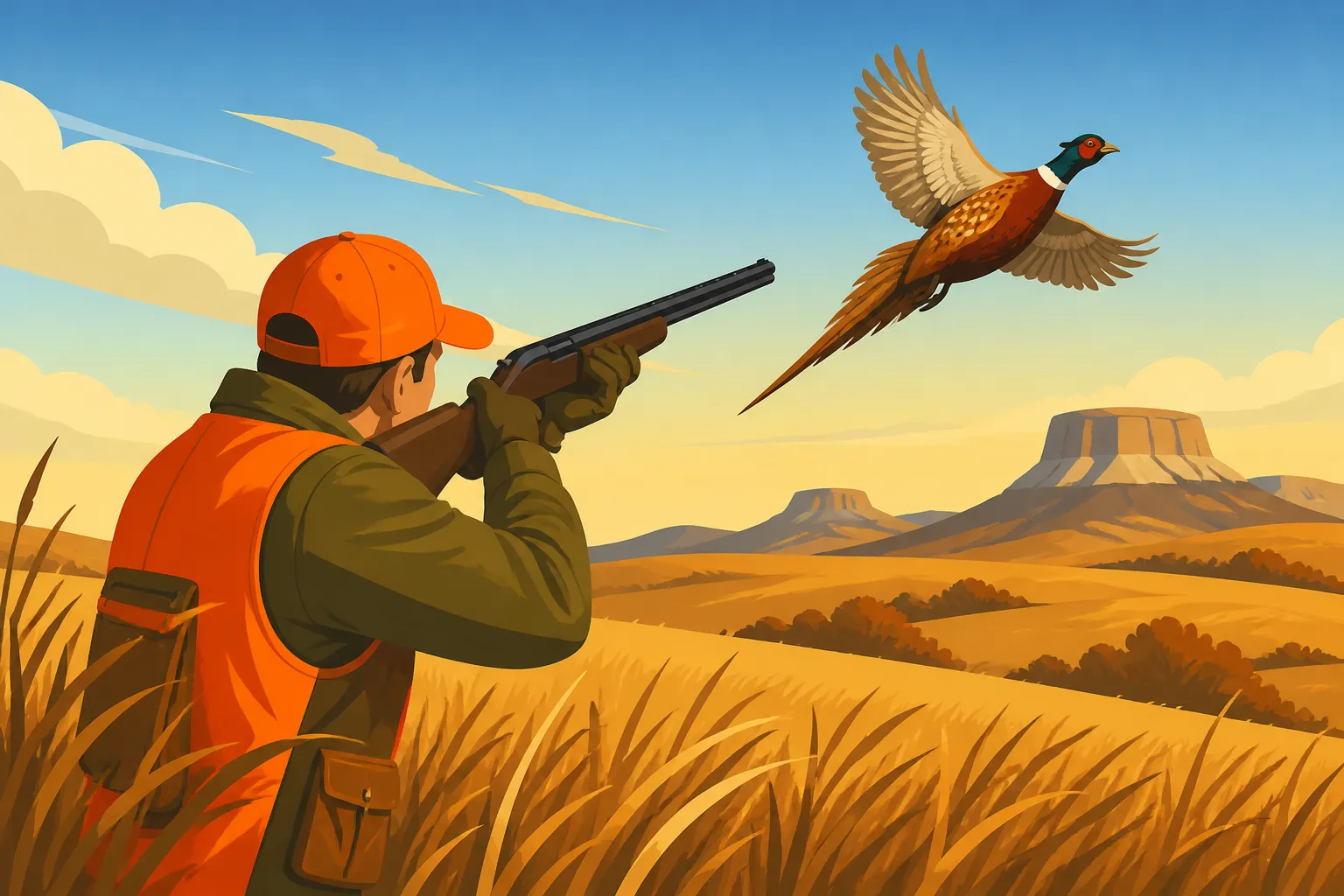
The key is to pause frequently – every 10 to 20 yards, stop completely for 10-20 seconds. During these pauses, scan the cover intently. Often, a pheasant that was running will stop when it perceives the immediate threat has paused, thinking it's no longer being pursued. It might even stick its head up to see what you're doing. This sudden break in movement can make a nervous rooster flush, giving you a shot. These pauses also allow you to catch your breath, listen for subtle rustles in the cover, and simply observe. This deliberate, start-and-stop cadence mimics the natural movement of a predator and can convince a hiding bird that its best option is to fly.
Using Terrain and Cover to Your Advantage
Even without a dog, you can manipulate pheasants into flushing within range by understanding how they use the landscape. Look for natural funnels: narrow strips of cover, pinch points where a slough narrows, or areas where thick cover meets a fence line or a road. Birds naturally want to follow these paths or avoid leaving the security of cover, and you can use this to your advantage.
Walk the edges of cover. Pheasants often hold just inside the transition zone between heavy cover and open ground. By walking parallel to these edges, you put pressure on them, making them choose between running into the open (which they generally dislike) or flushing. If you're working a shelterbelt, for instance, walking the downwind side, about 10-15 yards in, can push birds towards the end or force them to hold tight. If you have a partner, one person can walk the inside while the other walks the outside, ensuring birds don't simply slip out the back. For more on working specific cover, read up on Working South Dakota Shelterbelts for Roosters.
Solo Pushing and Blocking Strategies
Even as a solo hunter, you can employ a simplified version of blocking. When approaching a rectangular patch of cover, instead of walking straight through the middle, walk along one long edge, then cut across one short end, effectively "cornering" any birds. Then, work your way back through the remaining cover, pushing birds towards the remaining short end or a corner. You become the driver and the blocker, creating psychological pressure points.
Another effective solo strategy is to walk parallel to a road, ditch, or fence line. These features act as natural barriers, reducing the number of escape routes for a running pheasant. You're effectively taking away their preferred running lanes, making a flush more likely. It’s physically demanding, as you'll often have to cover the same ground multiple times from different angles, but the payoff can be huge when a rooster finally explodes from a spot you’ve walked past three times. Patience, observation, and methodical movement are your allies.
Group Hunting Without Dogs
If you have a few hunting partners, dogless hunting becomes significantly more effective and safer. This is where the concept of "driving" and "blocking" truly shines. Designate a group of "drivers" to walk through the cover, pushing birds forward, and a group of "blockers" to position themselves silently at the far end of the cover, waiting for the birds to be pushed their way. This is a classic method for tackling large fields, food plots, or even massive cattail sloughs.
Communication is paramount in a group hunt. Before starting, agree on the direction of the drive, the speed of the drivers, and the exact positions of the blockers. Safety is the absolute priority; everyone needs to be aware of where everyone else is at all times. Drivers should walk slowly and methodically, making noise, kicking clumps of grass, and maintaining an even line. Blockers should remain absolutely still and silent, blending into the cover, ready to raise their guns when birds flush. For effective group strategies, especially in heavy cover, check out Walking and Blocking South Dakota Cattail Sloughs. This collective effort makes up for the lack of a dog's nose and energy, creating an unbeatable force that covers ground and forces birds to flush.
Overcoming Common Dogless Hunting Challenges
Hunting without a canine companion brings a unique set of hurdles, especially when dealing with the realities of South Dakota's often dense and challenging cover. Anticipating these difficulties and having a plan to overcome them is key to a successful, and less frustrating, dogless hunt.
Locating Downed Birds
This is, without a doubt, the most significant challenge for the dogless hunter. A pheasant can disappear into thin air even in relatively sparse cover, and without a dog to follow a scent trail, finding a downed bird can feel like searching for a needle in a haystack. The absolute first step is to mark the spot precisely where the bird was when you shot it and where it landed. Pick out a specific tree, a fence post, a patch of unique weeds, or anything else that stands out. Use your GPS or hunting app (like GoHunt) to drop a waypoint immediately.
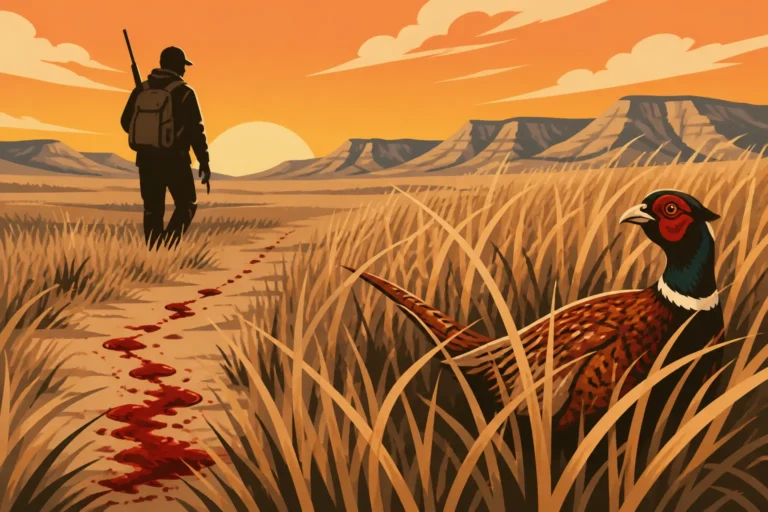
Once you approach the general area, resist the urge to rush in. Take a deep breath and start a methodical grid search from where you last saw the bird. Envision a square grid, about 10-20 yards per side, and walk slowly through each line, then switch directions and walk perpendicular lines. Keep your eyes peeled for any sign – a single feather, a disturbance in the grass, or even a drop of blood. Walk slowly, scanning the ground carefully. If the bird ran after being hit, expand your search outward, focusing on any cover it might have tried to reach. It might be tempting to give up, but a wounded bird is a tragedy to lose, so persevere. Remember, an ethical hunter never gives up on a downed bird.
Dealing with Heavy Cover and Thick Phragmites
South Dakota has some truly intimidating cover, especially those vast, dense cattail sloughs and towering stands of phragmites. For a dogless hunter, these areas can seem insurmountable. Birds vanish into them, and the sheer effort required to push through them can be exhausting. Your best bet for these areas is to hunt with a group, using the driving and blocking tactics discussed earlier. The more people you have pushing through, the greater the chances of dislodging a rooster.
If you're hunting solo or with a small group, you'll need to be incredibly patient and strategic. Focus on the edges of these heavy cover patches, or look for narrow fingers or points of cover that extend into more open areas. Birds will often utilize these less dense sections. When you do enter heavy cover, move slowly, taking short, measured steps. Kick clumps of grass and pause frequently. Every time you think a bird is ahead of you, it might actually be holding tight right under your feet. This is where a methodical approach, rather than a brute-force push, often yields better results. For tips on navigating these tough spots, consider reading about Late-Season South Dakota Pheasants in Heavy Cover which often involves pushing through dense winter cover.
Managing Fatigue and Staying Hydrated
Dogless pheasant hunting is a physically demanding endeavor. You'll be walking for miles, often through thick cover and uneven ground, all while carrying a shotgun and gear. Fatigue can set in quickly, leading to sloppy walking, less effective searching, and decreased situational awareness – all things that reduce your chances of success and increase safety risks.
Combat fatigue by starting your day well-rested. Pack plenty of water, even on cool days, and drink it regularly, not just when you feel thirsty. High-energy snacks like granola bars, nuts, or fruit can provide sustained fuel. Take frequent, short breaks to rest your legs and catch your breath. Don't feel pressured to keep up a relentless pace. Remember that the slow, methodical walk is actually more effective for dogless hunting, so integrate those breaks into your strategy. Proper footwear and clothing, as mentioned earlier, also play a huge role in minimizing discomfort and conserving energy. If your boots are comfortable and you're dressed appropriately, you'll be able to cover more ground efficiently. Ensure you have the right gear by consulting guides like Boots for Walking Cattails All Day.
Maximizing Your Chances on South Dakota's Public and Private Lands
South Dakota is famous for its abundant hunting opportunities, but simply showing up without a dog and hoping for the best isn't a strategy for consistent success. Maximizing your chances means doing your homework, understanding access points, and being respectful of landowners.
Scouting Before the Season
For the dogless hunter, pre-season scouting is not just a good idea; it's practically mandatory. Since you don't have a dog to cover vast amounts of ground and sniff out birds, you need to narrow down where the birds are likely to be. Drive the backroads during the late summer and early fall, ideally in the mornings or evenings. Look for signs of pheasants: birds crossing roads, dust-bathing areas, and general good habitat.
More importantly, use digital mapping tools and aerial imagery to identify prime cover. Look for those thick cattail sloughs, shelterbelts, unharvested food plots, and dense grass waterways. Pay attention to how different cover types connect, as these connections are often travel corridors for pheasants. Note potential access points and parking spots. When you're standing on the ground on opening day, having a mental map of the best cover will give you a significant advantage. Tools like GoHunt are invaluable for this, letting you visualize the terrain and mark potential hotspots from the comfort of your home. You can even use features to read things like Reading Aerial Imagery for Cattail Cover for more specific scouting insights.
Walk-In Areas and Game Production Areas
South Dakota boasts an incredible amount of public hunting access, and for the dogless hunter, these are your bread and butter. The South Dakota Game, Fish and Parks (GFP) manages an extensive network of Walk-In Areas (WIAs) and Game Production Areas (GPAs) that are specifically designed for public hunting. WIAs are private lands leased by the state, usually marked with distinctive yellow signs. GPAs are state-owned lands managed for wildlife habitat and public recreation.
The key is knowing how to find them and which ones offer the best opportunities. The GFP publishes an annual Public Hunting Atlas, available online or at GFP offices. This atlas is your Bible. Utilize the online version, which is often integrated into mapping apps, to see precise boundaries and cover types. While some WIAs can see pressure, many are large enough that a diligent dogless hunter can find unpressured pockets, especially if you're willing to walk a little further than others. These areas are specifically meant for hunters like you, so learn to use them effectively. Get familiar with guides like South Dakota Walk-In Areas Explained and Using the South Dakota Public Hunting Atlas.
Asking for Private Land Access
While public land is plentiful, don't overlook the possibility of gaining access to private land. Many landowners, especially those who don't run commercial operations, are still willing to grant permission to respectful hunters. The trick is to ask politely, well in advance of the season, and offer something in return.
Start by identifying private land parcels with good pheasant cover near areas you plan to hunt. Use your mapping app to find landowner information. Then, make a personal visit (don't just call or text). Introduce yourself, explain your intentions, and assure them you are a safe, ethical, and respectful hunter. Offer to help with chores, share some of your harvested birds, or simply leave the property cleaner than you found it. A small gift like a gift card or a bottle of local wine after the hunt can go a long way in securing future access. Building these relationships takes time and effort, but the rewards of having exclusive access to unpressured birds are immense. For more on this, check out Finding Private Land Access in South Dakota.
Comparative Table: Dogged vs. Dogless Pheasant Hunting
To truly understand the nuances, it helps to compare the two approaches directly. While a dog brings undeniable advantages, dogless hunting presents a unique set of skills and rewards.
| Aspect | Hunting With a Dog | Dogless Hunting |
|---|---|---|
| Flushing Birds | Dog's scent and presence trigger flushes consistently. | Relies on hunter's strategic movements, pauses, and pressure. |
| Bird Retrieval | Dog's nose and memory lead to high retrieval rates. | Most challenging; requires precise marking, methodical grid searches. |
| Cover Preference | Dog can effectively work all cover types. | Favors working edges, natural funnels; heavy cover is very demanding. |
| Pace of Hunt | Often faster, dog covers ground, hunter follows. | Slower, deliberate, stop-and-go pace is more effective. |
| Physical Demands | Still demanding, but dog assists with covering ground. | Very high; hunter is responsible for all ground coverage and searching. |
| Solo Hunting | Highly effective, dog provides companionship & function. | Possible but significantly more challenging for retrieval and covering ground. |
| Group Hunting | Dog enhances group drives, finds missed birds. | Group drives are most effective dogless strategy for flushing. |
| Required Skills | Dog handling, reading dog's body language. | Advanced scouting, terrain reading, precise shot placement, methodical searching. |
Disclaimer
Hunting is an inherently dangerous activity. Always prioritize safety, wear appropriate blaze orange, know your firearm, and be aware of your surroundings and hunting partners. Consult the most current South Dakota Game, Fish and Parks regulations before heading afield, as rules and seasons can change. This guide provides general information and should not be taken as legal advice.