Finding a South Dakota Lease
Oh, the dream of having your own private slice of South Dakota paradise for hunting. It's a vision many of us chase, imagining unpressured fields of pheasants, untouched draws holding big bucks, or quiet prairie expanses where antelope roam freely. But finding a hunting lease in South Dakota, one that truly fits your needs and budget, can feel like trying to find a needle in a haystack – it's often frustrating, competitive, and sometimes even a little disheartening when you start digging into what's available. This guide aims to pull back the curtain on the leasing landscape, offering realistic advice and actionable strategies to help you navigate the process and hopefully secure that elusive private ground.
The Appeal and Reality of Hunting Leases in South Dakota
There's a reason why so many hunters, especially those traveling from out of state, set their sights on securing a private hunting lease in South Dakota. The appeal is immense, promising an experience that often public land simply can't match. Yet, the reality of this market comes with its own set of hurdles and competitive pressures that are crucial to understand from the outset.
Why Hunters Seek Leases Here
Let's be honest, the allure of a hunting lease in South Dakota is powerful. Imagine stepping onto ground where you know every cattail slough, every shelterbelt, every coulee, because you've scouted it, managed it, and are the primary hunter. This offers an incredible sense of control and familiarity that's hard to replicate on public lands. You're not worrying about pulling up to a Walk-In Area at dawn only to find three other trucks already parked, or a deer drive already pushing through the prime cover. A lease can mean dedicated access, significantly less hunting pressure, and the opportunity to implement long-term game management strategies.
For many, it's about building a tradition. Having a consistent piece of land allows for family and friends to gather year after year, creating memories without the constant scramble for public spots. It's about more than just bagging game; it's about the entire experience, from the scouting trips in the summer to the crisp fall mornings spent in the field. This stability and predictable access, particularly for species like pheasants where South Dakota shines, is the primary driver behind the strong demand for leased land.
Furthermore, a lease gives you the freedom to hunt on your own schedule, adhering to the season dates, of course, but not needing to compete for daylight hours with a dozen other groups. You can work food plots, set up treestands exactly where you want them, and truly invest in the property's potential. This kind of hands-on approach to your hunting grounds is a massive draw for those who want to be more involved than just showing up opening morning.
The Challenges of the Lease Market
Now for the dose of reality: finding a good hunting lease in South Dakota isn't a walk in the park. The demand for quality hunting ground, especially for pheasants and prime deer habitat, far exceeds the supply. This drives competition and, predictably, the associated costs. Landowners often receive multiple inquiries, and those with desirable properties are certainly aware of their value. It's not uncommon to hear stories of leases being passed down through generations or quietly renewed year after year without ever hitting the open market.
Another significant challenge is simply knowing where to start. Many landowners, particularly older generations, might not advertise their land online. They prefer word-of-mouth or dealing with people they know or who come highly recommended. This makes the initial discovery phase a true "ground game," requiring persistence, respectful inquiry, and often, a bit of luck. You might drive hundreds of miles and knock on dozens of doors before finding a receptive ear.
Lastly, the financial aspect can be a significant barrier. While we won't discuss specific numbers, understand that securing a quality hunting lease represents a substantial financial commitment. This investment needs to be weighed against the benefits, and it's essential to have a clear budget in mind. It's not just the lease fee itself; there's often insurance, potential habitat improvements, and travel costs to consider. It's a long-term commitment that requires careful planning and a realistic understanding of the market.
Identifying Promising Areas and Types of Leases
South Dakota is a diverse state, offering a variety of hunting experiences depending on the region. Understanding these geographic differences and the types of leases you might encounter is key to focusing your search effectively. You wouldn't look for an elk lease in the same place you'd search for a prime pheasant property, for instance.
Geographic Zones and Game Species
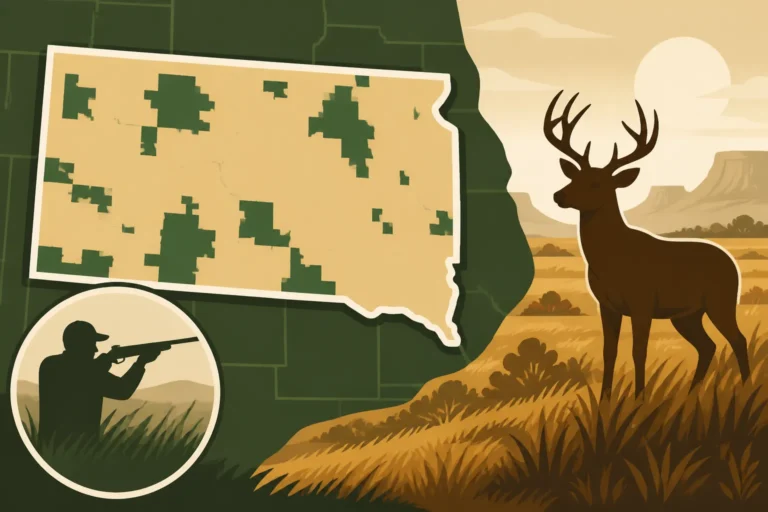
When you're looking for a lease, the first thing to consider is what you want to hunt. If you're dreaming of epic pheasant hunts, your focus will naturally gravitate towards the East River region of South Dakota. This area, with its rich agricultural lands, ample cattail sloughs, and dense shelterbelts, is synonymous with ringnecks. Counties in the eastern and central parts of the state are historically strong pheasant producers, and landowners here understand the value of good bird habitat. You'll also find excellent whitetail hunting along the river corridors and in the pockets of timber scattered throughout the east. For targeting deer specifically, look for properties with significant timber or dense river bottom cover, which can hold big bucks. Hunting Whitetails in South Dakota's Missouri River Timber is a classic approach for good reason.
Move west of the Missouri River, and the landscape changes dramatically, as do the hunting opportunities. The West River breaks and grasslands are prime mule deer and pronghorn antelope country. Here, you're looking for leases with large expanses of sagebrush, draws, and rugged terrain. Finding a lease for Spot-and-Stalk Antelope Hunting in South Dakota requires different land characteristics than a pheasant lease. There are also prairie grouse like sharptails and prairie chickens in these areas, often found on leases that consist largely of native prairie. In the far western part of the state, the Black Hills National Forest offers unique opportunities for elk, mountain lions, and Black Hills whitetails, though private leases for elk here are fewer and often highly specialized due to the mixed public/private land ownership.
Different types of leases are found in these areas. In East River, you might find leases focused on specific fields for waterfowl, or entire quarter-sections managed for pheasants. West River leases might be for cattle pasture with hunting rights for deer and antelope. Understanding the predominant game in a region will help you narrow down your search and set realistic expectations for what a landowner might offer.
Types of Hunting Leases Available
It's not a one-size-fits-all world when it comes to hunting leases. You'll encounter a few different structures, and understanding them will help you communicate your needs and avoid misunderstandings. The most common type is a full-season, exclusive lease. This means you, or your group, have the sole hunting rights to a piece of property for the entire hunting season, or sometimes even year-round. These are highly sought after because they offer maximum control and privacy, but they also come with the highest price tag.
You might also find non-exclusive leases, where multiple parties are allowed to hunt the same ground, sometimes with restrictions on when or where they can be present. While these might be more affordable, they can lead to competition among hunters and require very clear communication and rules to avoid conflicts. Day leases are another option, where you pay for a single day or a specific short period of hunting. These are less common for large game but sometimes available for pheasants, often on smaller operations or as a way for landowners to supplement income.
Sometimes, a landowner might offer a per-species lease, where you can only hunt, say, deer, but not pheasants, or vice-versa. This can be a good option if you have a very specific hunting goal. Lastly, some leases are multi-year agreements, offering stability but also a longer commitment. Always clarify whether the lease is for exclusive access and which species are included. You don't want to show up with your shotgun for pheasants only to find out the lease was for deer only!
Strategies for Locating Lease Opportunities
Finding a hunting lease isn't like buying a commodity; it often requires a mix of modern technology, old-fashioned networking, and a healthy dose of persistence. You'll need to employ a multi-pronged approach to uncover those elusive private land opportunities.
Leveraging Technology and Online Resources
In today's world, technology has made the initial legwork of finding potential lease ground much more efficient. Tools like onX Hunt are indispensable for identifying land ownership, parcel boundaries, and potential habitat features. You can literally scroll across the South Dakota landscape on your phone or computer, zoom in on promising areas, and instantly see who owns the land. This is incredibly powerful for generating a list of landowners to contact. You can look for properties with ideal cover – thick shelterbelts, expansive CRP fields, cattail sloughs, or remote draws – and then quickly identify the owner.
Beyond just identifying ownership, these apps can help you understand the lay of the land without setting foot on it initially. You can use satellite imagery to pinpoint pinch points, travel corridors, and bedding areas for deer, or prime winter cover for pheasants. This allows you to tailor your pitch to a landowner, demonstrating that you've already done your homework and understand their property's potential. Some digital mapping platforms even include public land layers, helping you avoid accidental trespass and understand surrounding hunting pressure. E-Scouting Walk-In Areas Before the Season is a common strategy, and it applies just as well to private land you might want to lease.
While South Dakota doesn't have a centralized, statewide lease listing service, dedicated online hunting lease platforms do exist where landowners or brokers might advertise available properties. These vary in popularity and the quantity of listings, but they are worth checking regularly. You might also find leads on hunting forums or social media groups dedicated to South Dakota hunting. Another resource, though perhaps more focused on tags, is GoHunt, which can provide valuable insights into specific units, including game populations and draw odds, helping you determine which areas are worth pursuing a lease in based on your target species and success rates. This can inform where you might even want a lease, by identifying areas with high potential.
Boots-on-the-Ground and Networking
While technology is a great starting point, nothing beats old-fashioned boots-on-the-ground research and personal networking in South Dakota. Many of the best leases are found through word-of-mouth. Start by driving through areas that appear to have good habitat for your target species. Pay attention to properties that look well-managed for wildlife, or those that might have "For Lease" signs (though these are rare). When you see a property that catches your eye, use your onX Hunt app to identify the landowner.
The next step, and perhaps the most crucial, is respectful direct contact. This often means knocking on doors. Introduce yourself, state your intentions clearly and courteously, and be prepared for both rejections and polite conversations. Farmers and ranchers are busy people, so be mindful of their time, especially during planting or harvest season. A great time to connect might be in late spring or early summer, well before hunting season chaos begins. Talk to locals at the general store, the gas station, or the local café – farmers know other farmers, and word travels fast in rural communities.
Building relationships is paramount. If you're fortunate enough to meet a landowner, demonstrate respect for their land, their livestock, and their way of life. Offer references if you have them. Sometimes, offering to help with small chores, like checking fences or watching for trespassers, can open doors. The goal is to establish trust and show that you'd be a responsible, reliable lessee. Remember, they're not just leasing land; they're leasing it to you, and your character matters a great deal.
Negotiating and Securing Your South Dakota Lease
Once you've identified a promising property and made contact with a landowner, the next phase involves clear communication, negotiation, and formalizing the agreement. This stage is critical to ensure a positive experience for both parties involved.
Crafting Your Approach to Landowners
Approaching a landowner about leasing their property requires a delicate balance of professionalism and respect. Your first impression is everything. When you make contact, be polite, articulate, and honest about your intentions. Explain what species you're interested in hunting, how many people would be in your hunting party, and for what duration you envision the lease. Don't immediately jump to money; focus on demonstrating that you are a responsible individual who will treat their property with the utmost care. Landowners often worry about liability, property damage, gates being left open, or livestock being disturbed. Addressing these concerns proactively can go a long way.
Consider creating a simple, one-page proposal that outlines your intentions, your commitment to ethical hunting practices, and perhaps even how you plan to manage the property's game resources responsibly. You might suggest helping with basic upkeep, like fence repair or weed control, as part of the agreement. This shows you're not just looking to take, but also to contribute. Many landowners have strong ties to their land, and showing that you value it beyond just its hunting potential can set you apart. Be prepared to answer questions about your hunting style, your vehicle use on the property, and your overall philosophy. Having a good rapport can often trump a slightly higher offer from someone less trustworthy.
Always ask what their expectations are. Do they want certain areas off-limits? Do they have other family or friends who hunt the property? What are their concerns about having hunters on their land? The more you listen and understand their perspective, the better you can tailor your offer and build a strong, trusting relationship. Remember, you're not just negotiating a business deal; you're building a relationship that ideally will last for many seasons.
Essential Elements of a Lease Agreement
Once a verbal agreement is reached, it is absolutely essential to put everything in writing. A formal hunting lease agreement protects both you and the landowner. This document doesn't need to be overly complex, but it must clearly outline all terms and conditions. Without a written agreement, misunderstandings are inevitable, and should a dispute arise, you'll have little recourse. This document is a critical foundation for a successful, long-term leasing relationship.
Here are the key elements that should always be included in a South Dakota hunting lease agreement:
| Element | Description | Importance |
|---|---|---|
| Parties Involved | Full legal names and contact information of both lessee(s) and landowner(s). | Establishes who is bound by the agreement. |
| Property Description | Legal description and physical address of the leased land, including acreage. | Clearly defines the precise boundaries of the hunting area. |
| Lease Term | Start and end dates of the agreement (e.g., annual, multi-year, specific season). | Defines the duration of access and hunting rights. |
| Hunting Rights | Clearly state which game species can be hunted. | Prevents confusion about target animals. |
| Number of Hunters | Maximum number of individuals allowed to hunt under the lease. | Manages pressure and landowner expectations. |
| Access Points | Designated entry and exit points for vehicles and foot traffic. | Protects specific areas and property infrastructure. |
| Payment Terms | Agreed-upon lease fee, payment schedule, and method of payment. | Financial clarity for both parties. |
| Liability Clause | Indemnification statement releasing landowner from liability for accidents. | Crucial protection for the landowner; often required. |
| Rules & Restrictions | Prohibited activities (e.g., no permanent stands, no cutting trees, no night hunting, vehicle use restrictions, use of ATVs). | Sets boundaries for acceptable behavior and property use. |
| Subleasing Clause | States whether the lessee is allowed to sublease the property to others. | Clarifies if hunting rights can be transferred or shared beyond the initial party. |
| Cancellation Terms | Conditions under which either party can terminate the agreement early. | Provides an exit strategy for unforeseen circumstances. |
| Signatures | Signatures of all parties involved, dated and preferably witnessed. | Legally binds the parties to the terms of the agreement. |
Make sure to discuss each of these points thoroughly with the landowner. Understanding South Dakota Trespass Law and Posted Land is also crucial, as your lease agreement supersedes general trespass rules, granting you legal access. This detailed approach ensures that everyone is on the same page, minimizing the potential for conflicts and ensuring your South Dakota hunting lease is a source of enjoyment, not stress.
Disclaimer
This article is for general informational purposes only and does not constitute professional advice. Laws, prices and regulations vary by location and change over time. Consult a qualified professional for guidance on your specific situation.