South Dakota Refuge Deer Licences
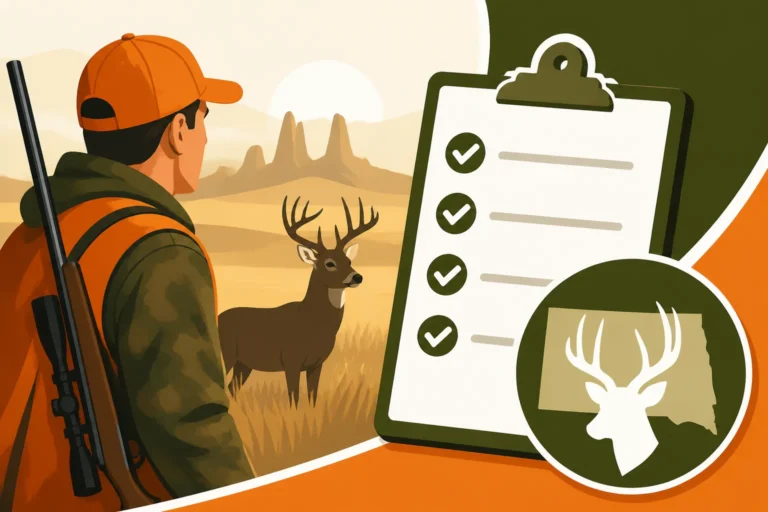
The dream of filling your freezer with a prime South Dakota deer often runs into the harsh reality of limited access, especially for non-residents or those without private land connections. Public lands offer options, but some of the most sought-after opportunities come through special drawings on wildlife refuges. Navigating these unique "refuge deer licenses" can feel like deciphering a complex puzzle, but this guide will cut through the confusion, offering a clear path to understanding and applying for these coveted tags.
Understanding South Dakota Refuge Deer Licenses
South Dakota is blessed with a network of National Wildlife Refuges and Waterfowl Production Areas that, while primarily managed for migratory birds and other wildlife, often provide exceptional hunting opportunities for big game, including deer. These refuge deer licenses are special permits issued through a limited lottery system, designed to control harvest and manage deer populations within these sensitive ecosystems. Unlike general statewide deer tags, refuge licenses are specific to a particular refuge and come with their own set of unique rules, seasons, and application processes.
Imagine the frustration of seeing prime deer habitat on a refuge boundary, knowing it holds mature bucks, but being unable to hunt it with your general tag. That's precisely where these special licenses come into play. They unlock access to areas that would otherwise be off-limits, offering a chance at a quality hunt in often less-pressured environments. The challenge, of course, is drawing one of these highly competitive tags. It's not a guaranteed thing, and it often requires persistence and a good understanding of the application system.
What Makes Refuge Hunts Unique?
Hunting on a wildlife refuge isn't quite like hunting typical public land. These areas are managed with specific conservation goals in mind, which often translates to tighter regulations and different hunting experiences. For instance, some refuges might only allow archery hunting, or they might have very short, specific seasons to minimize disturbance to other wildlife. You might find areas designated as "foot traffic only," which means no ATVs or even bicycles, forcing you to truly immerse yourself in the landscape. This can be a huge benefit, as it often means less human pressure and more natural deer behavior.
Consider the Lacreek National Wildlife Refuge, for example. It's a vast area in southwestern South Dakota, known for its wetlands and diverse wildlife. Deer hunting here is a special opportunity, often involving unique regulations that differ from the surrounding private lands or even other public parcels. These hunts are carefully crafted to manage the deer herd without negatively impacting the refuge's primary mission. It's a privilege to hunt these areas, and hunters are expected to adhere strictly to all refuge-specific rules in addition to state hunting regulations. This layered approach to rules can be daunting, but the potential for a quality experience makes it worthwhile.
Where These Opportunities Exist
While not every refuge offers deer hunting, several key locations in South Dakota are known for these special opportunities. The main players often include:
- Lacreek National Wildlife Refuge: Located in Bennett County, this refuge is often highlighted for its controlled deer hunts.
- Sand Lake National Wildlife Refuge: Up in Brown County, this refuge also periodically offers special deer seasons.
- Waubay National Wildlife Refuge: Situated in Day County, hunters here might find opportunities for deer.
It's critical to remember that availability changes year to year based on deer population numbers, management objectives, and federal regulations. Always consult the most current South Dakota Game, Fish and Parks (GFP) hunting handbook and the specific refuge's website for up-to-date information. Missing a critical detail could mean missing an application deadline or, worse, running afoul of regulations during your hunt.
The Application Process for Refuge Deer Licenses
Getting your hands on a South Dakota refuge deer license requires navigating a specific application process that often runs concurrently with the state's regular big game draws. This isn't a simple over-the-counter purchase; it's a lottery system where luck plays a role, but strategic application can sometimes improve your odds, or at least ensure you're in the running. The process can feel complex, especially for first-time applicants, but breaking it down step-by-step makes it manageable.
It's easy to feel overwhelmed by all the different application periods and tag types. Many hunters, especially non-residents, just focus on the main state draws and overlook these niche opportunities. But for those willing to put in a little extra effort, refuge hunts can provide access to high-quality deer hunting that isn't typically found on other public lands. Paying close attention to the details here is paramount.
Deadlines and Application Periods
Refuge deer license applications generally open and close around the same time as the statewide deer draw applications. However, specific refuge hunts might have slightly different windows or additional requirements. For instance, the main South Dakota Deer Application Deadline is usually in early summer for most firearm seasons, with archery deadlines often later. Refuge hunts will fall within or very close to these general periods. You'll typically apply through the South Dakota GFP online licensing system. When you select a deer tag type, there will be options for specific refuges or special units.
This is where a tool like GoHunt can become invaluable. Their license application systems and draw odds resources can help you track specific refuge deadlines and understand the historical success rates for different units. Staying organized and informed is half the battle when trying to draw a limited-entry tag. Don't rely on word of mouth; always double-check the official GFP website or the specific refuge's management plan for the current year.
Understanding the Draw System
South Dakota employs a hybrid preference and bonus point system for many of its big game draws, but refuge hunts often operate a bit differently. While the general deer draw might use points, some refuge hunts might be a pure lottery, meaning everyone has an equal chance regardless of points accumulated. This can be both frustrating and liberating – frustrating because your loyalty doesn't always build an advantage, but liberating because even a first-time applicant has a fair shot.
Here's a simplified look at what you might encounter:
| Draw System Feature | General Deer Draw (e.g., West River) | Refuge Deer Hunts (Unit Specific) |
|---|---|---|
| Point System | Hybrid Preference/Bonus Points | Often Pure Lottery or Limited Bonus |
| Application Fee | Standard, plus habitat stamp | Standard, plus habitat stamp |
| Season Dates | Broader, regional dates | Very specific, limited dates |
| Weapon Types | Varies by season/unit | Often restricted (e.g., archery only) |
| Access | Open to public/private if permitted | Restricted to refuge boundaries |
Knowing whether a specific refuge hunt uses South Dakota's Hybrid Preference and Bonus Points system or is a pure lottery is critical for managing your expectations and strategy. Some hunters might choose to apply for a "point-only" option in other draws to build points for more common tags, while putting in for a refuge tag that year, hoping for a lucky draw.
Applying with GoHunt and Other Resources
The application portal for South Dakota GFP is fairly user-friendly, but understanding which specific unit or hunt code corresponds to a refuge hunt can sometimes be tricky. This is where researching with platforms like GoHunt really shines. They provide detailed breakdowns of hunt units, application strategies, and historical draw odds, often including insights into these harder-to-find refuge opportunities. You can often see how many tags were issued in previous years, how many applicants there were, and even general success rates.
Before you submit your application, make sure you meet all the necessary requirements, including possessing a valid South Dakota Nonresident Hunting Licence Cost (if applicable) and the required habitat stamp. Double-check the dates and weapon restrictions for the refuge hunt you're interested in. Making an error here can invalidate your application, and you'll miss out on a prime hunting opportunity.
Key Considerations for Hunting Refuges
Drawing a refuge deer license is just the first step; the real work begins when you start planning your hunt. Hunting on these specialized areas comes with a unique set of challenges and responsibilities. It’s not simply a matter of showing up with your gear; successful refuge hunters put in considerable effort to understand the specific dynamics of their chosen area.
Many hunters dream of drawing a tag in a low-pressure area, only to find themselves unprepared for the unique demands of refuge hunting. The rules can be stringent, the terrain can be challenging, and the deer, while present, are often incredibly wary. It's not a walk in the park, but with the right approach, it can be an incredibly rewarding experience.
Refuge-Specific Rules and Regulations
This cannot be stressed enough: every refuge will have its own set of rules that are often more restrictive than general state hunting regulations. These might include:
- Limited access points: You might only be allowed to enter and exit from designated parking areas.
- Time restrictions: Hunting might only be allowed during certain hours, often mirroring state shooting hours but sometimes with specific variations.
- Weapon restrictions: Some refuges are archery-only, or might restrict the type of firearms allowed (e.g., shotgun with slugs, muzzleloader only).
- Tree stand/blind rules: You might be prohibited from using screw-in steps, or stands might need to be removed daily. Ground blinds might be allowed but must be temporary.
- Vehicle access: Most refuges are entirely foot traffic only, especially during hunting seasons. Plan for long walks.
- Game retrieval: Special procedures might be in place for retrieving harvested animals, especially in wetland areas.
- Carcass transport: Be aware of any specific rules regarding the transport of deer carcasses, particularly with concerns about Chronic Wasting Disease (CWD).
These rules are in place for a reason – to protect the refuge's delicate ecosystem and ensure a safe experience for all users. Ignorance of the rules is not an excuse, and violations can result in hefty fines and loss of hunting privileges. Always check the refuge's official website or call the refuge office directly for the most current rules and any special instructions for the upcoming season.
Scouting and E-Scouting Strategies
With limited access and often expansive areas, effective scouting is paramount for refuge deer hunting. Since physical access might be restricted before the season, E-Scouting Walk-In Areas Before the Season becomes your best friend. Utilize online mapping tools like OnX Hunt, which can show you property boundaries, public land designations, and even detailed satellite imagery of habitat features. Look for:
- Edge habitat: Where different cover types meet (e.g., timber and marsh, grasslands and cattails).
- Travel corridors: Funnels, creek beds, fence lines, or timber strips that deer might use to move between bedding and feeding areas.
- Bedding areas: Thick thermal cover like dense cattails, brushy draws, or small timber blocks.
- Food sources: While refuges are often natural landscapes, identifying any specific browse, acorn crops, or even agricultural fields on adjacent private land can pinpoint deer activity.
- Water sources: Although many refuges are wetland-rich, knowing specific water features can be helpful, especially in drier parts of the season.
After E-scouting, if pre-season physical access is allowed, focus on covering ground quietly and observing. Pay attention to game trails, rubs, scrapes, and droppings. Identify potential stand locations that offer good wind advantage and cover.
Dealing with Hunting Pressure and Other Hunters
Even though refuge tags are limited, these areas can still experience some hunting pressure, especially on opening days. Being aware of Hunting Pressure Patterns on Walk-In Areas and how deer react to it is crucial. Deer in refuges, having less exposure to human activity for much of the year, can become incredibly skittish once hunting seasons open.
Here are a few tips:
- Hunt away from easy access: Most hunters stick close to parking areas or easily accessible trails. Venture deeper into the refuge where others might not go.
- Hunt mid-week: If possible, hunt during weekdays when pressure is typically lower.
- Early or late in the day: Deer movement is often highest at dawn and dusk.
- Understand deer movement: Deer pushed by hunters in one area might move into adjacent thick cover. Knowing where these sanctuaries are can be beneficial.
- Communicate with other hunters: A quick chat in the parking lot can help avoid conflicts and keep everyone safe.
Maximizing Your Chances on a Refuge Hunt
Drawing the tag is a victory, but converting that tag into a successful harvest requires diligent preparation and smart hunting strategies adapted to the refuge environment. These unique areas demand a thoughtful approach, combining traditional hunting wisdom with tactics tailored for often restrictive and challenging conditions.
Don't underestimate the physical demands of refuge hunting. With limited vehicle access, you'll likely be covering significant ground on foot, often through dense cover or uneven terrain. Being physically prepared can make a huge difference in your endurance and ability to hunt effectively.
Adapting Your Hunting Tactics
Given the potential for thick cover, restricted weapon types, and wary deer, your hunting tactics might need to evolve from your typical methods.
- Still Hunting/Sneaking: In many refuge environments, especially those with heavy cover, a slow, methodical still hunt can be incredibly effective. Move slowly, taking one or two steps, then pausing for several minutes to scan and listen. Utilize natural breaks in cover and terrain to your advantage. This works particularly well in areas where deer might be bedded in thickets or cattails, allowing you to get close before they burst out.
- Stand Hunting: If allowed, strategically placed Treestand Setups on Narrow River Timber or ground blinds can be productive. Focus on pinch points, funnels, or areas overlooking primary food sources. Remember, stands usually need to be temporary. Consider portable climbing stands or lightweight ground blinds that are easy to pack in and out.
- Wind Management: This is always critical in deer hunting, but even more so in areas where deer might be concentrated and sensitive to human scent. Always play the wind, using thermal currents (which tend to rise in the morning and fall in the evening) to your advantage. A sudden wind shift can blow your hunt.
- Tracking and Following Up: Because deer often seek the thickest cover, tracking a marginally hit deer can be a real challenge. Be prepared for extensive Blood Trailing Through Prairie Cover. Pay close attention to shot placement, and if in doubt, give the animal plenty of time before beginning your retrieve. Knowing how to Reading Snow for Deer and Predator Sign can also be incredibly useful in late-season hunts.
Gear Essentials for Refuge Hunting
Your gear list for a refuge hunt might look a bit different from a typical private land hunt. Since you'll likely be carrying everything on your back, efficiency and durability are key.
- Comfortable Backpack: A good quality, comfortable pack is essential for carrying all your gear, water, and potentially game meat out.
- Navigation Tools: A reliable GPS unit or a smartphone with a mapping app (like OnX Hunt) is crucial. Know your boundaries!
- Water & Snacks: Hydration and fuel are vital for long days afield.
- First Aid Kit: Be prepared for minor injuries, especially with potential for long walks through rough terrain.
- Game Cart/Hauler: If allowed and practical, a lightweight game cart can be a lifesaver for extracting a deer from deep within a refuge.
- Optics: High-quality binoculars are indispensable for scanning dense cover and open expanses.
- Weather-Appropriate Clothing: South Dakota weather can be unpredictable. Layering is key, and waterproof outerwear is a must, especially around wetlands.
It’s often a good idea to pack a processing kit for Field Dressing an Antelope Fast or a deer, as you might be a long way from a vehicle or processing facility. Being able to get the meat cooled quickly, especially in warmer early season hunts, is paramount for meat quality.
Post-Harvest Responsibilities
Once you've successfully harvested a deer on a refuge, your responsibilities don't end there. You'll need to adhere to all state and refuge-specific rules for tagging, field dressing, and transporting your animal.
- Tagging: Immediately tag your deer according to South Dakota GFP regulations. This typically involves attaching your paper tag to the animal.
- Harvest Reporting: Ensure you understand and complete the South Dakota Harvest Reporting Rules promptly. This is often done online or via a phone call and is crucial for game management.
- Retrieval: Plan your retrieval route. This might involve significant effort, so have a strategy for quartering the animal if necessary to make it easier to pack out.
- Cleaning: Consider the best way to clean your animal to preserve the meat, especially if you have a long journey home. Knowing how to Getting Meat Cooled in Warm Weather is vital for early season hunts.
Refuge deer licenses offer a unique and challenging hunting experience in South Dakota. While securing one requires patience and persistence in the draw, the reward is access to some truly special deer habitat. By understanding the application process, respecting the specific rules of each refuge, and adapting your hunting tactics, you can turn a drawn tag into a memorable and successful hunt.
Disclaimer
Hunting regulations and opportunities are subject to change. Always consult the official South Dakota Game, Fish and Parks (GFP) website and the specific National Wildlife Refuge's public use regulations for the most current and accurate information before planning your hunt. This guide is for informational purposes only and should not be considered legal advice.