South Dakota Youth Deer Season
Navigating the world of hunting regulations, especially when you're trying to introduce a young hunter to the tradition, can feel like a maze. It’s a joy and a responsibility, and you want to get it right, ensuring their safety and a memorable experience without stumbling over technicalities. This guide is dedicated to demystifying the South Dakota Youth Deer Season, covering everything from eligibility to field strategies, so you can focus on building those lifelong memories.
Understanding the South Dakota Youth Deer Season Regulations
South Dakota has wisely created a dedicated youth deer season, recognizing the importance of fostering the next generation of conservationists and hunters. This special season is designed to provide a low-pressure, focused opportunity for young people to experience deer hunting, often before the general firearms seasons open and the woods become more crowded. It’s a fantastic way to introduce them to the sport in a controlled, educational environment.
Eligibility and Age Requirements
One of the first questions most parents have is, "Can my child even participate?" The short answer is yes, with specific age and certification requirements. Generally, the South Dakota youth deer season is open to residents and nonresidents who are at least 10 years old but no older than 17 by December 31st of the hunting year. This age range is critical to note, as it defines who qualifies for the youth-specific tags and season dates.
Before they can even step into the field with a firearm, young hunters must successfully complete a state-approved hunter education course. This isn't just a hoop to jump through; it's a vital step that teaches gun safety, wildlife identification, ethics, and basic survival skills. You can find comprehensive information on the requirements, including online and in-person course options, in our detailed guide on South Dakota Hunter Education and Licensing. However, South Dakota also offers an Apprentice Hunter program, which is a fantastic alternative for those younger kids or even older youth who want to try hunting before committing to the full certification course. Under this program, a young person (of any age, even under 10, for small game, though deer usually has a 10-year-old minimum) can hunt under the direct supervision of a licensed adult mentor, without having completed hunter education. This mentor must be at least 18, licensed, and remain within arm's reach. It's truly a great way to "test the waters" and see if hunting is something your child enjoys before investing the time in a full course.
Season Dates and Hunt Areas
The timing of the South Dakota Youth Deer Season is strategically placed to offer a unique experience. Typically, this season occurs on a specific weekend, or sometimes a few days, usually in late September or early October, preceding the main firearms deer seasons. This timing is a real advantage because deer are often less pressured, and the weather can be milder, making for a more comfortable and enjoyable experience for younger hunters. Imagine teaching your child how to spot deer on a crisp fall morning, with the leaves just starting to turn, rather than battling freezing temperatures and heavy snow.
The youth season is generally open statewide for any deer, meaning the tag often allows for either-sex deer. This flexibility increases the chances of success, which is a huge confidence booster for a first-time or young hunter. While it's statewide, success rates can vary wildly based on habitat and deer density. For instance, the river bottom areas along the Missouri River in eastern South Dakota are known for their strong whitetail populations, offering diverse opportunities compared to the more open prairies of West River, which might hold more mule deer. Understanding these regional differences can help you plan where to focus your efforts. For a deeper dive into specific areas, our guide on South Dakota Deer Licence Types by Region can be incredibly helpful in understanding where different deer populations thrive.
You’ll want to check the most current South Dakota Game, Fish and Parks (GFP) hunting handbook each year, as dates and specific regulations can shift slightly. Often, these tags allow youth to hunt both public and private land (with permission), offering great flexibility. It's worth noting that GFP puts a lot of effort into making this season accessible, so always check their official resources.
License Types and Application Process
Securing the right license is a non-negotiable step. For the youth deer season, a specific youth deer license is typically required. Unlike some of the more complex draw systems for adult deer tags, the youth deer license often has a much simpler application process, sometimes even being over-the-counter or having very high draw odds if it goes to a draw. This is designed to reduce barriers for new hunters.
To apply, you'll generally go through the South Dakota GFP online licensing system. You’ll need to have your child's hunter education certificate number (or confirm their eligibility for the apprentice hunter program) and basic personal information ready. Don't forget that a general hunting license and a South Dakota Habitat Stamp are usually prerequisites for purchasing any game-specific tag, including youth deer. It's a bundle of requirements that sometimes catches new families off guard, so plan ahead!
For those who like to delve into the data and really understand their options, resources like GoHunt can be incredibly useful. While the youth deer season might be simpler, if you're looking at future hunts or want to understand general deer population trends in different units, GoHunt offers detailed statistics and insights that can help in planning. It allows you to research potential units, review past success rates, and even understand terrain features. This foresight can be invaluable, especially if you're considering expanding beyond the youth season into general deer hunts down the road. Double-check all application deadlines well in advance, as missing them means missing out entirely.
| Requirement | Details | Notes |
|---|---|---|
| Age | 10-17 years old by Dec 31st of the hunting year | Check specific year's regulations for exact dates. |
| Hunter Education | Required, OR participation in Apprentice Hunter Program | Apprentice requires direct supervision by licensed adult. |
| General Hunting License | Yes | Purchased separately. |
| Habitat Stamp | Yes | Purchased separately. |
| Youth Deer License | Specific tag for youth season | Often over-the-counter or high draw odds; check GFP yearly handbook. |
| Season Dates | Typically late September/early October (check current GFP handbook) | Designed for less pressure, milder weather. |
| Hunt Area | Generally statewide for any deer | Increases chances of success; check for any unit-specific restrictions. |
Key Considerations for a Successful Youth Deer Hunt
Beyond the rules and regulations, the actual hunting experience is where the magic happens. A successful youth hunt isn't solely defined by harvesting an animal, but by the quality of the experience, the lessons learned, and the memories made. Setting your child up for success involves careful planning, patient mentorship, and the right equipment.
Mentorship and Safety
Your role as a mentor cannot be overstated. This isn't just about supervising; it's about teaching. You are the guide, the instructor, and the safety officer. The absolute paramount consideration is safety. Before you even head to the field, spend extensive time on firearm proficiency and safety. Practice shooting from various positions, emphasize muzzle control, target identification, and the always-important "is it safe to shoot?" checklist. Simulate hunting scenarios at the range, ensuring your young hunter understands how to safely move with a loaded firearm and how to take a responsible shot. For those participating in the apprentice program, understanding South Dakota Apprentice Hunting Rules is crucial, as direct, arm's-reach supervision is a legal requirement. This isn't just about staying close; it's about being actively engaged in every step of their hunt.
Beyond the firearm, ethical hunting practices are key. Teach them about fair chase, respecting wildlife, and conservation. Talk about the importance of knowing your target and what's beyond it. Explain why patience is a virtue in hunting and that sometimes, a clean, ethical shot doesn't present itself, and that's okay. These are the values that will shape them into responsible hunters for life, far more than any trophy ever could. Sharing your knowledge, your patience, and your passion for the outdoors will foster a deeper connection to nature and a greater appreciation for the sport.
Gear and Preparation
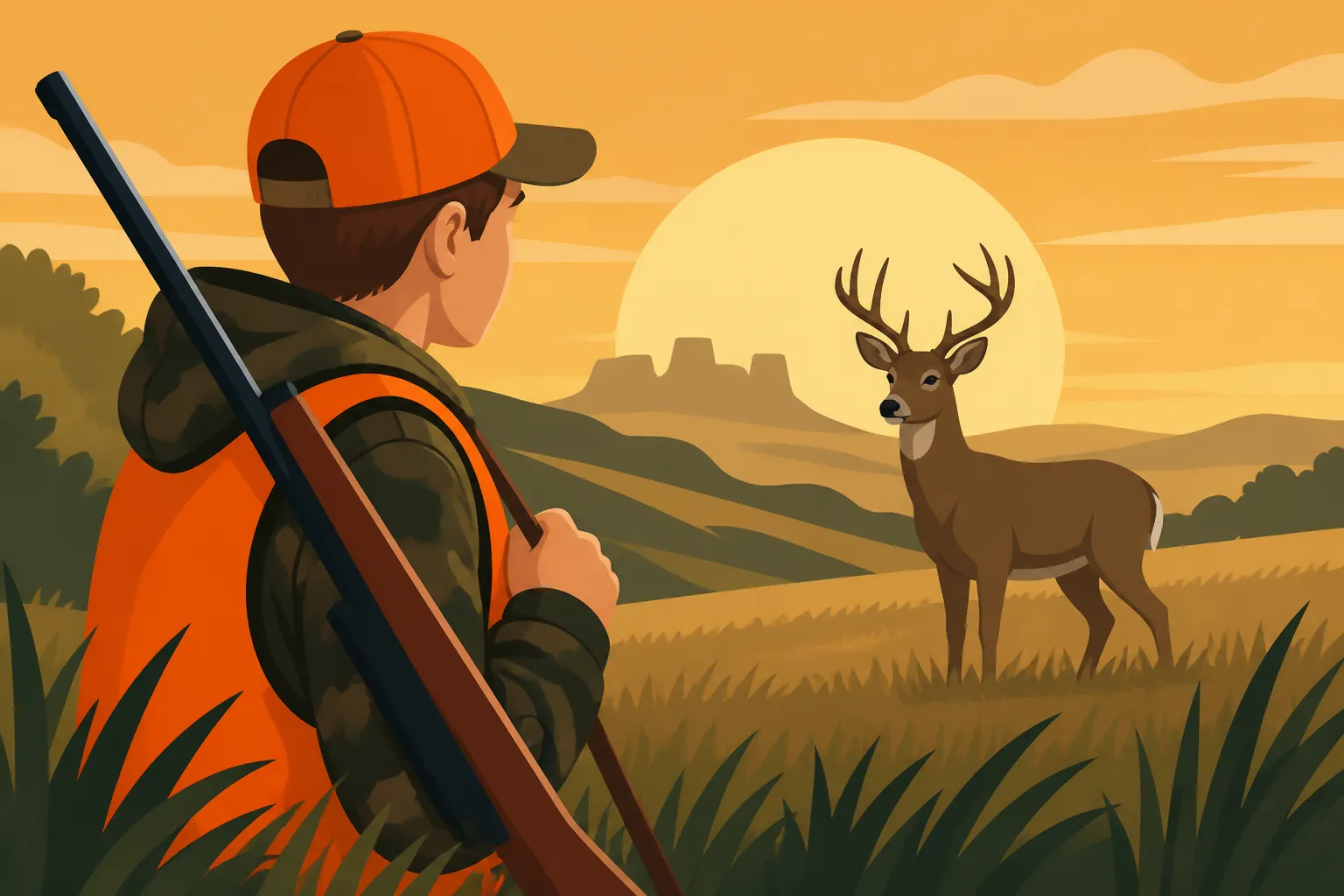
Having the right gear makes a huge difference, especially for a young hunter. Comfort is crucial. Ill-fitting clothing that chafes, boots that pinch, or a rifle that's too heavy or has too much recoil can quickly turn a fun experience into a miserable one. Start with proper clothing: layers are your best friend in South Dakota, where temperatures can swing dramatically between morning and midday. Ensure they have good quality, waterproof boots that are broken in. Blaze orange is a must for safety during firearms seasons, so make sure they have a highly visible hat and outer layer.
When it comes to the firearm, choose something appropriate for their size and recoil tolerance. A lighter caliber like a .243, 6.5 Creedmoor, or even a .223 (where legal and appropriate for deer, always check local regs) with reduced recoil loads can make a world of difference in their confidence and accuracy. Ensure the rifle fits them well – proper length of pull is vital for accuracy and managing recoil. Many gun shops offer youth model rifles that are scaled down. Don't forget ear and eye protection for the range and the field. A good set of binoculars, even a compact pair, can empower them to be active participants in spotting deer, rather than just waiting for you to point one out. Practicing prone shots on the prairie can also build confidence, especially when considering the open country you might encounter. Having practiced and being comfortable with their rifle before the hunt is critical; this isn't the time for a first shot. Our article on Sighting In Before the Opener provides valuable tips to ensure their rifle is dialed in.
Field Tactics and Strategy
Hunting with a youth requires a different approach to tactics. While seasoned hunters might endure long, cold sits, a young hunter's patience might be shorter. Consider tactics that offer more engagement or quicker action, or at least regular breaks. Still hunting, where you move slowly through cover, pausing frequently to glass and listen, can be very engaging. Each step becomes an exercise in observation, which can be thrilling. If you choose a stand, ensure it’s comfortable and safe, and bring snacks, drinks, and maybe even a quiet game or book for periods of inactivity. Don't push them too hard or too long. A few hours of focused hunting are often more effective than an all-day sit that leads to boredom and frustration.
Understanding deer behavior is also paramount. During the early youth season, deer are often still in their summer patterns, focusing on food sources like alfalfa fields, corn edges, or even oak stands if you're in an area with timber. They'll bed down in heavy cover like cattail sloughs or dense shelterbelts during the day. Consider focusing your efforts around these feeding and bedding areas during prime times: early morning and late evening. Our guide on Hunting Food Plots and Corn Edges offers valuable insights that can be adapted for youth hunts. Or, if you're venturing west, "Reading Prairie Coulees for Mule Deer" can help you identify prime locations. Remember, the goal is to make it fun and educational, so adapting your strategy to their attention span and physical capabilities is key. Don't be afraid to take a break for lunch or to explore some tracks.
Making the Most of the Youth Deer Season Experience
The youth deer season is more than just an opportunity to harvest an animal; it's a foundational experience that can shape a young person's relationship with the natural world. It’s about building character, fostering respect, and cementing family bonds.
Beyond the Harvest: Education and Connection
Even if a deer isn't harvested, the hunt itself is a treasure trove of learning opportunities. Teach them about deer sign – tracks, rubs, scrapes, and bedding areas. Explain how to read the wind and use terrain to your advantage. Talk about the local ecosystem, the other wildlife you see, and the importance of habitat conservation. Point out different birds, plants, and even insects. This transforms the hunt into an immersive outdoor education experience.
Encourage questions and actively engage them in decision-making, like choosing a spot to sit or deciding which direction to walk next. This involvement makes them feel like a genuine partner in the hunt, fostering independence and critical thinking. The South Dakota GFP, and many organizations like the National Wild Turkey Federation (NWTF) or Ducks Unlimited, often have youth programs that emphasize these educational aspects, providing resources and mentorship to new hunters. Celebrating the experience, whether successful in terms of harvest or not, is crucial. High-fives for spotting a deer, praise for patiently sitting, or excitement over a well-placed practice shot all contribute to a positive memory.
Common Challenges and Solutions
Hunting with kids inevitably comes with its own set of challenges. Impatience is a big one. Young minds aren't always wired for long periods of stillness. Combat this with realistic expectations, shorter hunting sessions, and engaging distractions (quiet ones!). Bring a small snack, some hot chocolate in a thermos, or a compact field guide for identifying birds or tracks. Another challenge is the weather. South Dakota can be unpredictable. A sudden cold snap or rain shower can quickly dampen spirits. Always pack extra layers, rain gear, and hand warmers. Being prepared for the elements can turn a potentially miserable situation into a manageable one.
Managing expectations is also critical. Emphasize that hunting isn't about guaranteed success; it's about the journey. Talk about the ethics of shot placement and passing on a shot that doesn't feel right. If a harvest doesn't happen, focus on all the positives: the time spent together, the wildlife seen, the skills learned. You can use platforms like GoHunt to show them realistic draw odds or historical success rates for specific units, helping them understand that it's a challenge, which can make success even sweeter. Sometimes, just seeing a deer, even if it's not a legal target or too far away, can be a huge victory. Celebrate these small successes wholeheartedly.
Post-Harvest Responsibilities
If your young hunter is fortunate enough to harvest a deer, the learning continues with post-harvest responsibilities. This is where they learn about respect for the animal and the practicalities of meat processing. Teach them about tagging requirements immediately after the kill, which is a legal mandate in South Dakota. Then, involve them in the field dressing process as much as they are comfortable. Even if it’s just holding a leg or watching, explain each step and why it’s necessary to preserve the meat. Our article on Field Dressing in Warm October Weather can provide practical advice for this crucial step.
Harvest reporting is another important responsibility. South Dakota requires hunters to report their deer harvests online or via phone within a certain timeframe. This data is vital for wildlife management. Involve your child in this process, explaining how their harvest contributes to accurate population assessments and future hunting season decisions. Information on how to do this can be found in our guide on South Dakota Harvest Reporting Rules. Finally, discuss what happens to the meat: processing it for food, sharing with family and friends, truly honoring the animal. This full-circle understanding of the hunting process, from pursuit to table, is arguably the most profound lesson hunting can offer.
Disclaimer
Please remember that hunting regulations, season dates, and license requirements can change annually. Always consult the official South Dakota Game, Fish and Parks (GFP) website and the current year's hunting handbook before planning and embarking on any hunt. This article provides general information and should not be considered a substitute for official legal guidance.