South Dakota Bighorn Sheep Applications
The dream of drawing a bighorn sheep tag in South Dakota is one that haunts many a hunter's sleep, often feeling more like a distant fantasy than a tangible goal. The sheer unlikelihood can be incredibly frustrating, leaving many wondering if it's even worth the effort to apply year after year. This comprehensive guide is here to demystify the South Dakota bighorn sheep application process, breaking down everything you need to know to give yourself the best possible chance at this once-in-a-lifetime opportunity.
The Elusive Prize: Why South Dakota Bighorn Tags Are So Coveted
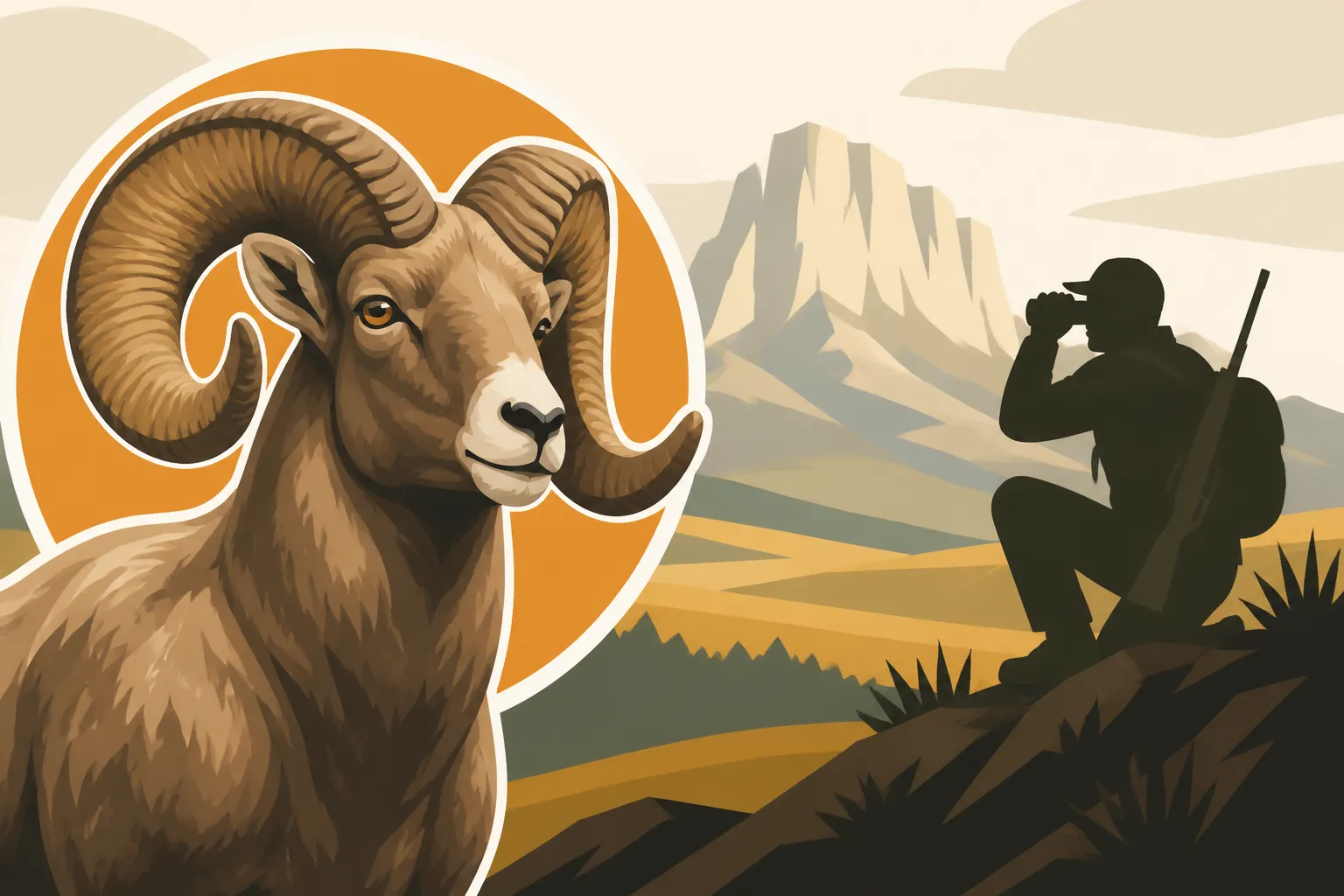
Let's be honest, the thought of pursuing a bighorn ram in its rugged Black Hills habitat is enough to quicken any big game hunter's pulse. It's not just another hunt; it's an ultimate test of skill, endurance, and perseverance, deeply intertwined with the wild spirit of the American West. But beyond the challenge, there’s an almost mythical quality to these animals, and the tags to hunt them are among the rarest issued by any state.
The Rarity and History of South Dakota Bighorns
South Dakota's bighorn sheep population, primarily found within the Black Hills, is a testament to dedicated conservation efforts. Unlike states with vast, self-sustaining populations, South Dakota’s herds are smaller, more localized, and carefully managed. This isn't a place where bighorns roam every mountain range. Their presence here is a success story, but it also means there are only a handful of animals to sustain a huntable population, leading to incredibly restrictive quotas. The journey of these magnificent creatures back into the state, starting with reintroductions in the 1960s, has been a long one, marked by both triumphs and setbacks. You can learn more about The First Bighorns Brought to Custer State Park to understand the origins of these efforts.
The limited number of rams that reach a huntable age and horn size each year directly translates to the scarcity of available tags. It’s a conservation-first approach, ensuring the health and viability of the herd comes before hunting opportunities. This low population ceiling is the primary driver of the tags' rarity, making every single permit a truly coveted item.
The Ultimate Big Game Challenge
Beyond the prestige of the tag itself, the hunt for a South Dakota bighorn sheep presents an unparalleled challenge. These aren't creatures you'll find grazing in an open field; they inhabit some of the most remote and rugged terrain in the Black Hills. Hunters often spend days, sometimes weeks, glassing vast landscapes, navigating steep, broken country, and enduring fickle mountain weather. It demands physical fitness, exceptional glassing skills, precise shooting, and mental fortitude. It’s a hunt that pushes you to your limits, making the eventual success even sweeter and more meaningful.
This isn't a hunt you just walk into; it requires meticulous planning and often extensive preseason scouting. Knowing the terrain, understanding bighorn behavior, and being prepared for the unexpected are paramount. Even though the Black Hills are beautiful, they can be unforgiving, and a bighorn hunt will expose any weaknesses in your preparation.
Limited Opportunity, Immense Value
Because the tags are so rare, the value of a South Dakota bighorn sheep tag extends far beyond its face value. For many hunters, drawing one represents the culmination of a lifetime of applying, a true "once-in-a-lifetime" opportunity as the name suggests for these special tags. This high value means that competition is incredibly fierce, with thousands of applicants vying for just a couple of tags each year. It’s a unique experience that very few hunters ever get to realize.
The intrinsic value of the experience also drives significant financial contributions to conservation. Often, one tag is auctioned off to raise funds specifically for bighorn sheep management and research in the state. This mechanism helps ensure the future of the species while providing an extraordinary opportunity for one very fortunate hunter, often generating six-figure sums for wildlife initiatives.
Getting Your Foot in the Door: Eligibility and Application Basics
Before you even dream of spotting a ram on a distant ridge, you need to understand the fundamental eligibility requirements and the application process. South Dakota has specific rules that govern who can apply and how, and missing a small detail can cost you a shot at the draw.
Resident vs. Nonresident Requirements
South Dakota generally prioritizes its residents for big game tags, and the bighorn sheep draw is no exception. While both residents and nonresidents can apply, the number of tags allocated to nonresidents is typically extremely limited, often just one, if any, is available through the general draw. This disparity means that the odds for a nonresident are astronomically low, making it one of the toughest draws in the country for out-of-state hunters. Residents, while still facing steep odds, have a slightly better chance at the few available tags.
To be considered a resident, you must meet specific criteria outlined by the South Dakota Game, Fish and Parks (GFP), including a certain period of continuous physical presence in the state with the intent to make South Dakota your home. It’s not just about owning property; it's about establishing genuine residency. Nonresidents will need to purchase a nonresident hunting license before applying for any big game draw, including bighorn sheep. Understanding South Dakota Nonresident Licence Costs is a good starting point for out-of-state hunters looking to apply for any big game.
Key Eligibility Criteria
Beyond residency, there are other crucial eligibility criteria to consider. First and foremost, you must be at least 12 years old by December 31st of the hunting year to participate in any big game hunt in South Dakota. For such a demanding hunt as bighorn sheep, practical experience and maturity are highly advisable, though not legally mandated beyond the age requirement. You'll also need to possess a valid South Dakota hunting license. If you've previously drawn a bighorn sheep tag in South Dakota, you are generally ineligible to apply again for a certain period, reinforcing the "once-in-a-lifetime" nature for many applicants.
Furthermore, applicants must not have any outstanding wildlife violations or revocations that would prevent them from legally purchasing a hunting license or participating in a hunt. It’s always wise to ensure your record is clean before applying for such a prestigious tag. It’s a good idea to annually review the current hunting handbook or the GFP website for any changes to eligibility criteria, as regulations can occasionally be updated.
Essential Licenses Before You Apply
Applying for a bighorn sheep tag isn't a standalone transaction; it requires foundational licenses first. For residents, this typically means a general hunting license. For nonresidents, a small game or general hunting license is usually required before you can even contemplate applying for big game draws. Additionally, all applicants, resident or nonresident, must purchase a South Dakota Habitat Stamp. This stamp contributes crucial funds to habitat improvement and public access programs across the state, and it’s a mandatory purchase for nearly all hunting licenses.
These prerequisite licenses are not just administrative hurdles; they are part of the system that funds wildlife management and conservation efforts in South Dakota. Ensure you acquire these base licenses well in advance of the bighorn application deadline to avoid any last-minute issues. Many hunters use platforms like GoHunt to keep track of these requirements across multiple states, ensuring they don't miss a beat.
Navigating the Draw: Understanding South Dakota's System
The South Dakota big game draw system can feel a bit like a mystery, especially for those new to it. While it's not as complex as some states' lottery systems, understanding how preference and bonus points work is absolutely vital for anyone serious about drawing a bighorn sheep tag.
The Bonus Point System Explained
South Dakota uses a bonus point system for its bighorn sheep draw. This means that for every year you apply for a bighorn tag and are unsuccessful, you accrue an additional bonus point. When the draw occurs, your application is essentially "cubed" by the number of bonus points you have. For example, if you have 5 bonus points, your name theoretically goes into the hat 5x5x5 = 125 times. This system dramatically increases your statistical odds over time, rewarding consistent applicants. However, if you successfully draw a tag, your bonus point accumulation resets to zero.
This system is designed to provide an advantage to loyal, long-term applicants without creating a situation where a tag is guaranteed after a certain number of years. It’s a significant factor when considering How the South Dakota Draw System Works for all big game species. It’s a good idea to think of it as a weighted lottery, where the weight increases with your persistence. Using a platform like GoHunt can help you track your bonus points and understand how they apply to specific draws.
Step-by-Step Application Process
The application process for South Dakota bighorn sheep tags is typically done online through the South Dakota GFP website. Here's a general breakdown of the steps:
- Ensure Eligibility and Prerequisite Licenses: Before anything else, confirm you meet all age, residency, and license requirements (e.g., general hunting license, habitat stamp).
- Access the GFP Application Portal: Navigate to the South Dakota Game, Fish and Parks website and find the online licensing and application portal.
- Select the Bighorn Sheep Application: Locate the specific application for bighorn sheep. You'll need to indicate whether you are applying as a resident or nonresident.
- Enter Personal Information: Fill out all required personal details accurately.
- Submit Payment: A non-refundable application fee is usually required. If you are successful in the draw, the full tag fee will be charged at that time. If you’re unsuccessful, you generally only pay the application fee.
- Confirm Application: Double-check all entered information before final submission. It’s critical to verify all details, as errors can lead to disqualification. You'll usually receive an email confirmation that your application has been received.
Remember, this is a highly competitive draw. Every step needs to be followed precisely. For comparison, you might look at the process for South Dakota Mountain Goat Applications, which also involve extreme rarity and a similar draw system.
Critical Application Deadlines to Remember
Missing a deadline is arguably the quickest way to guarantee you won't be hunting bighorns this year. South Dakota's big game application deadlines are strict and non-negotiable. For bighorn sheep, the application period typically opens in late summer and closes in late August or early September. However, these dates can shift slightly from year to year, so it's absolutely crucial to check the official South Dakota GFP website annually for the most current information.
Mark these dates clearly on your calendar, set reminders, and consider applying well in advance of the deadline. Procrastinating can lead to technical issues, forgotten steps, or simply missing the window entirely. Many successful applicants use tools from GoHunt or other reliable sources to track these deadlines across all their desired states, ensuring they never miss an opportunity to add another bonus point or apply for a coveted tag.
| Application Type | Key Dates (Approximate) | Requirements | Notes |
|---|---|---|---|
| Bighorn Sheep | Application Period: | Valid SD Hunting License (Resident/Nonresident) | One of the most competitive draws in the nation. |
| Late July – Early Sept. | South Dakota Habitat Stamp | Bonus points accumulate with unsuccessful applications. | |
| Draw Results: Mid-Sept. | Non-refundable application fee | Tags are extremely limited, often 1-2 per year. | |
| Preference Points | Purchase Period: | Not applicable for bighorn sheep directly | South Dakota uses a bonus point system for Bighorn, not preference points. See South Dakota Preference Points Explained for other species. |
| (Not applicable for Bighorn) | (Refer to species-specific draw systems) |
Deciphering the Odds: Units, Quotas, and Realism
So, you've applied, you've accumulated some bonus points, and now you're wondering, "What are my chances, really?" The truth is, the odds for South Dakota bighorn sheep are incredibly low. Understanding the specific units and their limited quotas helps put that into perspective.
South Dakota Bighorn Units and Their Differences
South Dakota's huntable bighorn sheep population is primarily concentrated in the Black Hills, and the GFP typically designates one or two specific hunting units for bighorns when tags are issued. These units are usually geographically defined areas within the Black Hills National Forest or surrounding lands where bighorn sheep populations are stable enough to support a harvest. Each unit is distinct in its terrain, access, and specific population dynamics, although the overall numbers remain low across the board.
For instance, Unit 100A, the "Black Hills Bighorn Sheep" unit, is the traditional designation. The boundaries are carefully drawn to encompass core bighorn habitat while managing potential conflicts with other land uses. Due to the limited range and small herds, hunters fortunate enough to draw a tag will find themselves in rugged, timbered, and rocky areas that demand serious physical preparation. This unit falls within the broader Black Hills National Forest Hunting region, meaning hunters will need to be familiar with forest access and regulations.
Annual Tag Quotas and Management Goals
The South Dakota GFP sets the annual tag quota for bighorn sheep based on rigorous biological surveys and management goals. These goals prioritize the long-term health and growth of the bighorn herds. The number of tags issued each year is exceedingly small, often just one or two, and sometimes none at all if herd health dictates. This makes it one of the most tightly controlled big game hunts in the nation. The goal is to allow for limited recreational hunting opportunities without impacting the population's ability to thrive and expand.
The quota is determined after aerial surveys and ground observations of ram numbers, age structure, and overall herd health. This conservative approach is absolutely critical for species like bighorns, which can be susceptible to disease and habitat challenges. While this means few opportunities for hunters, it ensures that South Dakota Bighorn Sheep Numbers remain viable for future generations.
Setting Realistic Expectations for the Draw
Let's be blunt: the odds of drawing a South Dakota bighorn sheep tag are incredibly slim, regardless of how many bonus points you have. We're talking about odds that can be in the range of 1 in several thousand or even tens of thousands for residents, and even lower for nonresidents. It’s truly the definition of a long shot. While the bonus point system helps, it doesn't guarantee success, and some hunters apply for decades without ever drawing a tag. You can find more specific data on South Dakota Bighorn Draw Odds if you search for the most recent draw statistics.
It's essential to maintain a realistic perspective. Apply consistently, accrue your bonus points, and hope for the best, but don't let it be the only big game dream you pursue. Many hunters treat the bighorn application as a lottery ticket—a small investment for a massive potential payoff, but with no expectation of winning. This realistic approach prevents disappointment and allows you to enjoy other hunting pursuits in South Dakota, such as South Dakota Elk Draw and Units or various deer opportunities, which offer far more accessible tags.
After the Application: What to Do Next
Once you've submitted your application and the deadline has passed, a period of anxious waiting begins. But whether you draw a tag or not, there are always next steps to consider. Preparing for a hunt of this magnitude requires foresight, and planning for an alternative is just as important.
Preparing for a Once-in-a-Lifetime Hunt (If You Draw)
If, by some stroke of incredible luck, you see that "Successful" notification, congratulations! Now the real work begins. Drawing a South Dakota bighorn sheep tag is just the start; the hunt itself demands significant preparation. This is not a hunt to be taken lightly or approached without extensive planning.
- Physical Conditioning: The Black Hills bighorn terrain is unforgiving. Start an intense physical training regimen immediately, focusing on cardiovascular endurance, leg strength, and hiking with a pack. You'll be climbing steep, rocky slopes, covering miles, and potentially packing out an animal from remote areas.
- Gear Check: Your gear needs to be top-notch. Think lightweight, durable, and reliable. High-quality optics (spotting scope, binoculars) are non-negotiable for locating rams in vast country. A dependable rifle with which you are extremely proficient at longer ranges is also essential. Consider your layering system for the fluctuating mountain weather, and invest in comfortable, supportive hiking boots.
- Scouting and Research: If at all possible, conduct preseason scouting trips to familiarize yourself with the unit. This will help you understand the terrain, identify potential bighorn hot spots, and locate water sources. Even if you can't scout in person, pore over topographical maps, satellite imagery, and aerial photos. Platforms like GoHunt are invaluable for e-scouting, providing detailed maps and terrain analysis. Talking to past tag holders or South Dakota GFP biologists can also provide invaluable insights. This extensive scouting is similar to what's needed for effective Scouting South Dakota Public Ground Before the Season for any big game.
- Guide Considerations: For a truly once-in-a-lifetime hunt, many successful applicants consider hiring a guide. While optional, a knowledgeable local guide can drastically increase your chances of success, especially in unfamiliar terrain, by providing expertise on bighorn behavior, access points, and efficient hunting strategies.
Planning Your Next Steps (If You Don't Draw)
For the vast majority of applicants, the draw results will bring disappointment. And that's okay! It's an expected outcome for such a rare tag. But an unsuccessful draw doesn't mean your hunting season is over; it simply means it's time to pivot to other exciting opportunities.
- Re-evaluate Your Plans: If bighorns were your primary focus, now is the time to activate your backup plans. Did you apply for other draws like deer or antelope? If not, investigate leftover tag sales or over-the-counter opportunities for other species. South Dakota offers fantastic opportunities for pheasant hunting, South Dakota Whitetail Hunting in River Bottoms, or even coyote hunting, which are much more accessible.
- Consider Other States: If chasing mountain sheep remains a passion, start researching bighorn draws in other Western states. Each state has its own unique draw system and timelines, and diversifying your applications can increase your overall odds of drawing a sheep tag, even if it's not in South Dakota.
- Focus on Points: The silver lining of an unsuccessful bighorn draw in South Dakota is the accumulation of another bonus point. This point is your investment in future draws, steadily increasing your statistical chance for next year. While it's a long game, persistence truly pays off in these highly competitive draws. Remember, for other species, you might be focused on South Dakota Preference Points Explained.
Ethical Considerations and Conservation
Regardless of whether you draw a tag, applying for a bighorn sheep hunt connects you to a broader conservation narrative. The funds generated from application fees and tag sales directly support research, habitat improvement, and management efforts that ensure these iconic animals continue to thrive in South Dakota. This makes every application, successful or not, a contribution to wildlife conservation.
Furthermore, if you are one of the fortunate few to draw, approaching the hunt with the highest ethical standards is paramount. Respect for the animal, the land, and the regulations is essential. This includes knowing your effective shooting range, making clean kills, and being prepared to recover your animal in challenging conditions. The opportunity to hunt a bighorn sheep is a privilege, and it comes with a responsibility to uphold the integrity of hunting and conservation.
Disclaimer
Please note that hunting regulations, application deadlines, and tag quotas are subject to change by the South Dakota Game, Fish and Parks (GFP) at any time. While we strive to provide the most accurate and up-to-date information, it is your responsibility to verify all details directly with the official South Dakota GFP website or by contacting them directly before making any application decisions or hunting plans. This guide is for informational purposes only and does not constitute legal advice.