Blood Trailing Through Prairie Cover
That gut-wrenching feeling when you know you’ve made a marginal shot, or when a solid hit disappears into the endless prairie grass and the blood trail just… vanishes. It’s a fear every South Dakota hunter has faced. Recovering wounded game is not just about filling your freezer; it’s a profound ethical responsibility. This guide will walk you through the precise steps, strategies, and mindset needed to effectively blood trail deer, antelope, or even coyotes across South Dakota’s challenging prairie landscapes, ensuring you do everything in your power to make a successful recovery.
The Critical First Moments After the Shot
When you finally pull the trigger on a buck, a pronghorn, or even a coyote across the wide-open South Dakota prairie, a lot of things happen very quickly. Adrenaline surges, and it’s easy to get tunnel vision. But what you do in those immediate moments, and the few hours that follow, can make or break your chances of recovering that animal. Patience and observation are your two most powerful tools here.
Marking the Shot Location and Last Sight
This is arguably the most important immediate action you can take. Your brain, flooded with excitement, will lie to you about exactly where that animal was standing when you shot it, and where it went into the cover. As soon as the shot breaks, keep your eyes glued to the animal. Note exactly where it was standing, the direction it bolted, and where you last saw it disappear into the tall prairie grass, a coulee, or a distant shelterbelt. Pick a prominent landmark in the background—a distant rock, a unique tree, a fence post, anything that stands out.
Once you’ve done that, focus on your shooting position. Mark it with something unmistakable: a dropped bandana, a bright piece of tape, your backpack. You need to be able to walk directly from your shooting spot to the exact location where the animal was standing or where you last saw it. This precision helps you establish a clear line of travel and look for the first signs of blood or disturbed earth. Even a slight angle shift can throw off your entire search pattern on vast, featureless terrain. Modern technology can be a huge asset here; using a mapping app like GoHunt to drop a pin at your shot location and last-seen point is incredibly helpful and removes much of the guesswork.
The Importance of Waiting Before Trailing
This is where true discipline comes into play, and it's often the hardest part for an excited hunter. Unless you witnessed the animal drop or heard it crash, do not immediately go after it. A wounded animal, especially one that isn't fatally hit, will often run a short distance and then bed down if it doesn’t feel pursued. If you push it too soon, it will jump up, and your already sparse blood trail will likely become non-existent as it covers more ground.
The general rule of thumb varies based on the perceived hit. For a definitive lung or heart shot, waiting 30-60 minutes might be sufficient if you saw the animal stumble badly. For a gut shot or any questionable hit, you should wait a minimum of 4 to 6 hours, or even overnight if conditions allow (e.g., cool weather, no predators). If you’re hunting later in the day, a gut-shot animal needs to be left until morning. This gives the animal time to stiffen up, bleed out, and settle, making it much easier to find and ensuring a more humane recovery. It also gives you time to calm down, think clearly, and gather your gear. Remember, pushing a wounded animal can turn a recoverable animal into a lost one, especially on the expansive prairie where they can disappear over a ridge or into a deep coulee in moments.
Decoding the Blood Trail
Once you’ve given the animal enough time, it’s time to start the search. This is where you become a detective, piecing together clues that the animal has left behind. Every drop, smear, and disturbed bit of ground tells a story about where the animal was hit and where it's headed.
Interpreting Blood Sign
Not all blood is created equal. The color, consistency, and amount of blood can give you crucial insights into the type of wound and the animal’s condition. This information will help you anticipate its behavior and plan your trailing strategy.
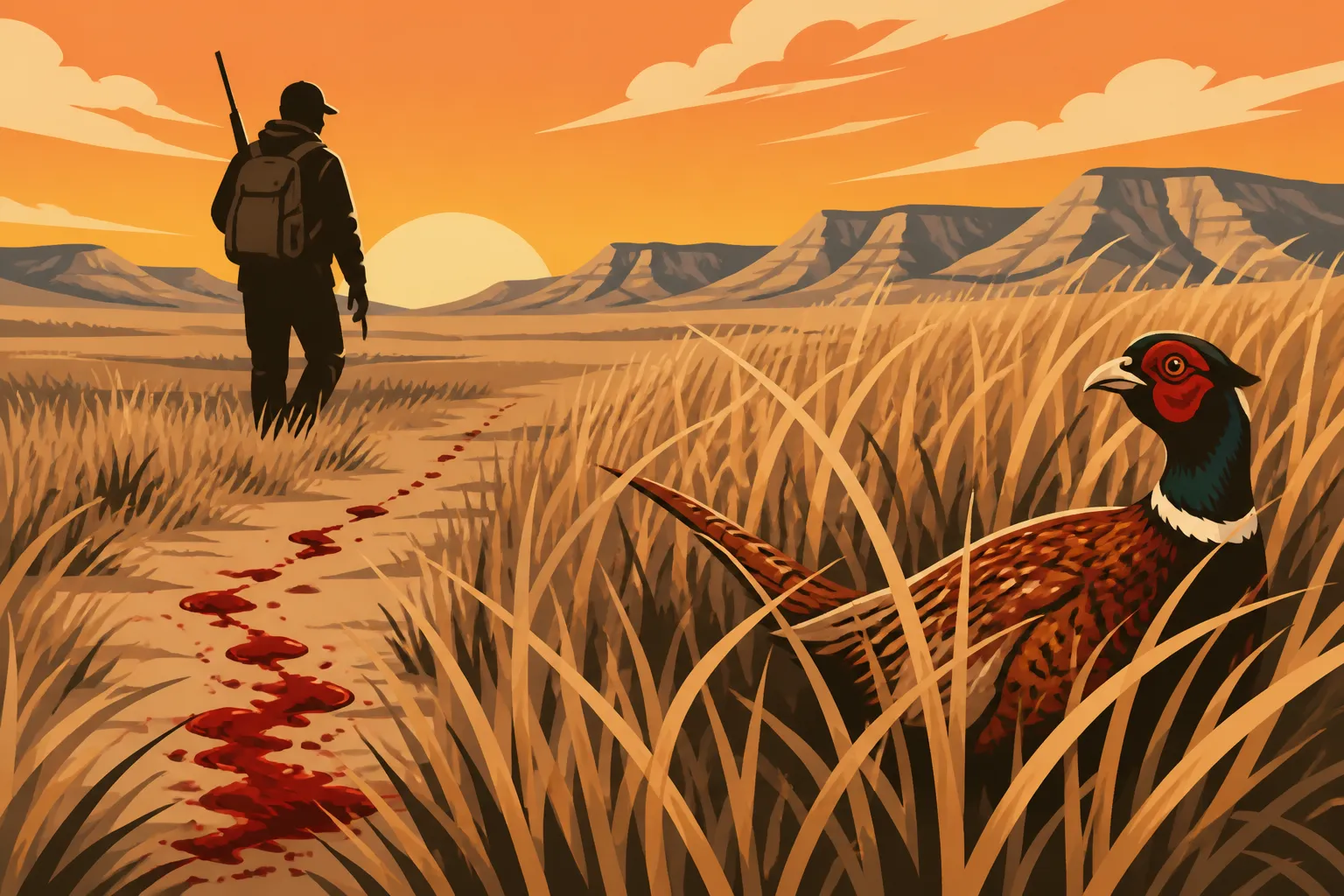
- Bright Red, Frothy Blood: This is the golden ticket. Bright red, often bubbly or frothy blood indicates a lung hit. This is usually a fatal shot, and the animal typically won't travel far. The frothy appearance comes from air mixing with blood in the lungs.
- Dark Red Blood: Dark red blood, often lacking froth, usually signifies a liver or muscle hit. Liver hits are fatal but can take longer for the animal to succumb. Muscle hits can be debilitating but not immediately lethal, meaning the animal might travel a considerable distance.
- Thin, Watery, or Greenish Blood: This is the dreaded gut shot. Greenish material or a foul odor indicates stomach contents. This is a very serious wound and often requires the longest wait time before trailing. These animals are tough and can travel far, but they will eventually bed down. The blood might be sparse and watery.
- Sparse Specks or Pin Drops: Sometimes, all you find are tiny, widely spaced specks of blood. This can indicate an entry-only wound, a high hit, or a superficial wound. It's often the hardest to follow and requires extreme patience and a wide search pattern.
Always note the quantity of blood. A good initial spurt often indicates a solid hit, even if it tapers off. If the blood trail quickly diminishes to nothing, it might mean the wound is clotting, or the animal is holding its blood internally. This is when other signs become even more critical.
Tracks, Scrapes, and Broken Vegetation
Beyond the blood, animals leave a wealth of other clues. On the prairie, where blood can quickly get absorbed by grass or hidden in the sparse cover, these secondary signs can be your lifeline.
- Tracks: Look for individual tracks, especially if the ground is soft or muddy. Note the gait—are the tracks widely spaced (running), or are they bunched up (walking slowly, possibly injured)? Look for any dragging signs, which could indicate a leg injury. Even on harder ground, a slight scuff or compressed vegetation can betray a track. Pay attention to the direction of travel and keep an eye out for any changes. If you are hunting in late season, Reading Snow for Deer and Predator Sign can be incredibly helpful for trailing.
- Scrapes and Rubs: As a wounded animal moves, it may scrape against vegetation, particularly if it's struggling. Look for hair, skin fragments, or even bone chips on branches or grass stalks. These can be tiny but are invaluable.
- Broken Branches and Bent Grass: A running animal will often break twigs or bend tall grass in its path. These signs are often subtle but, when followed in sequence, can reveal a clear path. Look for bent-over stalks of grass, particularly those with a slight sheen from being bent recently. A good tip is to get down on your hands and knees. Your eye-level view is very different from standing upright, and often reveals trampled grass or subtle blood drops that you'd otherwise miss. Don't forget to look for any white hairs from a whitetail deer or the specific texture of mule deer hair, which can be found snagged on barbed wire or brush. For more on how deer move in certain habitats, check out Hunting Whitetails in South Dakota's Missouri River Timber.
This is a cumulative process. Each small sign, whether a single drop of blood, a scuffed hoof print, or a bent blade of grass, helps to build a more complete picture of the animal’s path.
Systematic Trailing Strategies for Prairie Cover
Trailing through endless prairie can feel overwhelming, especially when the sign is sparse. A systematic approach, combined with the right tools and mindset, can significantly increase your success rate.
Grid Searching and Expanding Your Radius
When the blood trail becomes intermittent or disappears altogether, you can’t just wander aimlessly. You need a structured search pattern. This is where a grid search comes in handy.
- Mark Last Blood: This is non-negotiable. Drop a marker (flagging tape, a bright hat, an app pin) at the very last confirmed spot of blood. This is your anchor point.
- Initial Circles: Start by searching in an ever-widening spiral or series of concentric circles around the last blood. Move slowly, meticulously examining every blade of grass, every rock. Get low to the ground. If you’re with a partner, one person can stay at the last blood while the other searches.
- The Grid: If circles yield nothing, implement a grid search. From your last blood, establish a straight line in the direction you believe the animal was traveling. Walk this line slowly. Then, have another person (or yourself, if solo) walk parallel to you, perhaps 5-10 yards to your left, then 5-10 yards to your right. Systematically move forward, covering a wider and wider strip. Think of it like mowing a lawn. This ensures no ground is left unchecked. If you’re using a mapping app like GoHunt, you can sometimes mark your search path to visualize where you’ve already looked.
- Covering Ground Effectively: The key is to be thorough but not exhaustive in one spot. Move at a snail's pace, constantly scanning. Once you find new blood, mark it and repeat the process from there. This slow, methodical progress is more effective than rushing ahead and missing critical clues. For specific challenges in following marginal shots, take a look at Following Up a Marginal Shot in Grass.
Utilizing Technology and Tools
In today's hunting world, you have access to incredible tools that can make blood trailing much easier, especially on the prairie where landmarks can be scarce.
- GPS and Mapping Apps: As mentioned, GoHunt or similar apps are invaluable. You can mark your shot location, the last known position of the animal, and every single blood spot you find. This creates a virtual map of the trail, helping you see patterns and ensure you don’t backtrack over old ground or miss a turn. Many apps also have satellite imagery that can help identify potential cover or escape routes, such as thick stands of cattails or draws, which an injured animal might seek out.
- Headlamps and Lanterns: If you’re forced to trail at dusk or after dark, a bright headlamp is essential. Blood stands out differently under artificial light, often appearing darker or more iridescent. A powerful lantern or flashlight can also help illuminate a wider area. Consider a UV or blue light, which can make blood fluoresce and stand out against vegetation, though results can vary.
- Marking Tape: Always carry a roll of bright, biodegradable flagging tape. Use it to mark every single sign of blood you find. Place flags on either side of the trail at intervals, forming a visible path. This is especially helpful if you need to leave the trail and come back, or if you’re working with multiple people. Just be sure to remove it after your search is complete.
- Binoculars: Believe it or not, binoculars can be useful in blood trailing. From an elevated position, you might spot disturbed vegetation or a bedded animal further out than you can see with the naked eye. They are also essential for tasks like Glassing South Dakota Breaks at First Light to locate animals before the shot.
| Blood Color/Type | Indicates | Animal Behavior | Trailing Strategy |
|---|---|---|---|
| Bright Red, Frothy | Lung | Quick fatality, short travel | Follow quickly but carefully, expect short trail |
| Dark Red, Non-Frothy | Liver, Muscle | Fatal but slower, longer travel | Wait 1-4 hours, follow meticulously |
| Thin, Watery, Greenish | Gut, Paunch | Slow fatality, extended travel | Wait 4-10+ hours (overnight if possible), meticulous |
| Sparse Specks, Pin Drops | Superficial, High Hit | Variable travel, difficult trail | Wide grid search, focus on secondary signs |
| Bone Fragments | Heavy Bone Hit | May break leg, slow travel | Assume incapacitation, cautious approach, short wait |
Overcoming Specific Prairie Trailing Challenges
South Dakota’s prairie environment presents unique challenges that can make blood trailing particularly difficult. Understanding these hurdles and having strategies to overcome them is key to successful recovery.
Dealing with Tall Grass and Sparse Cover
The seemingly endless expanse of tall prairie grass is a blessing for wildlife cover but a curse for blood trailers. Blood easily gets absorbed by the dense vegetation or hidden beneath a canopy of stalks.
- Get Low to the Ground: As mentioned earlier, changing your perspective is critical. Crouch down, or even get on your hands and knees. This allows you to look under the canopy of grass where blood might have dripped, or to see bent and broken stalks that indicate a path.
- Use the Sun: The angle of the sun can dramatically affect visibility. Blood will often reflect light differently than the surrounding vegetation. If the sun is at your back, it can illuminate the trail more effectively. If you're struggling, consider waiting for a different time of day or coming back with the sun in a more favorable position. Shadows can also highlight subtle disturbances in the grass.
- Focus on Compression and Bending: Even if you can't see blood, a wounded animal moving through tall grass will compress it, bend it, or even break it. Look for these subtle lines of disturbance. A good technique is to move one foot length at a time, scrutinizing every square foot before advancing. If you notice a shift in the wind, which is common in South Dakota, remember that it can affect how the grass lies, potentially making the trail harder to see or making you feel like the trail has shifted. Dressing in layers for varied conditions is always a good idea, as described in Layering for South Dakota Wind.
Wind, Rain, and Drying Conditions
Weather is an unpredictable factor in South Dakota, and it can quickly erase a blood trail. Strong winds, sudden rain, or even just drying conditions can make a difficult task nearly impossible.
- Prioritize Immediately: If rain or snow is imminent, you need to compress your waiting time if the hit is even remotely marginal. While waiting is usually advised, a heavy downpour can wash away a trail completely, especially on hard ground. If you have a clear understanding of Rifle Calibers for South Dakota Antelope and feel confident in your shot placement, a shorter wait might be acceptable in these conditions.
- Work Fast but Methodically: When facing adverse weather, it’s a race against time. Move as quickly as you can while still being thorough. Don't rush so much that you miss signs, but don't dither either.
- Look for Shelter: A wounded animal often seeks shelter. Consider where the animal would naturally go to get out of the wind, rain, or sun. This might be a dense plum thicket, a cattail slough, a deep coulee, or the leeward side of a ridge. Expand your search to these areas systematically. For more on how game uses specific cover, check out Cattail Sloughs as Winter Cover.
- The Power of Memory and Teamwork: If the trail is gone, you have to rely on your initial observations and a grid search. If you have a hunting partner, spread out and cover ground. Two (or more) sets of eyes are always better than one, and you can communicate frequently about what you are seeing or not seeing. Before heading out on any hunt, make sure you have a First Aid Kit for a Prairie Hunt readily accessible, for both yourself and your companions.
When to Call in a Dog or Expert Help
Sometimes, despite your best efforts, the trail simply goes cold. This is when pride must take a back seat to responsibility. Knowing when to call in specialized help is a sign of a truly ethical hunter.
- Trained Tracking Dogs: There are professional blood tracking dog services available in many hunting areas, including parts of South Dakota. These dogs are specifically trained to follow cold blood trails, often many hours or even a day later. If you’ve exhausted all your options and believe the animal is down, contacting a local tracking dog service (if available and legal in your area for that specific game) is an excellent choice. They have an incredible sense of smell and can often pick up trails where human eyes and noses fail.
- Experienced Friends/Mentors: If a tracking dog isn't an option, or before resorting to one, consider calling in an experienced friend or mentor. A fresh set of eyes, especially someone calm and knowledgeable, can often spot signs you’ve overlooked due to frustration or fatigue. They might have strategies or experience in similar situations that can prove invaluable. When tackling the challenge of Getting a Deer Out of a South Dakota Coulee, having an extra set of hands and eyes is always a bonus.
- Know When to Call It: The hardest decision can be knowing when to stop. If you've spent hours or even a full day, covered vast ground methodically, and truly exhausted all avenues, you may have to accept that the animal is not recoverable. It's a tough pill to swallow, but sometimes, despite our best intentions, it happens. Make sure you fully understand the South Dakota Harvest Reporting Rules for any game taken, even if it’s a difficult recovery.
Ultimately, blood trailing through prairie cover is a test of patience, observation, and determination. By understanding the nuances of blood sign, employing systematic search strategies, and leveraging modern tools, you significantly increase your chances of a successful and ethical recovery.
Disclaimer
Hunting is an inherently dangerous activity. Always prioritize safety and comply with all local, state, and federal hunting regulations. The information provided in this guide is for informational purposes only and should not be considered a substitute for professional instruction, experienced mentorship, or official game and fish department guidelines. Always double-check current regulations with the South Dakota Game, Fish and Parks.