How South Dakota Walk-In Areas Work
Finding quality hunting land in South Dakota can feel like a daunting task, especially if you're not from around here or don't have personal connections to private landowners. Many hunters, myself included, have spent countless hours driving gravel roads, squinting at fences, and wondering where the "public" really begins. This guide is here to demystify one of the state's most invaluable resources for hunters: the South Dakota Walk-In Area program. We'll dive deep into what these areas are, how they function, and how you can successfully use them to chase pheasants, deer, and other game.
Understanding South Dakota Walk-In Areas
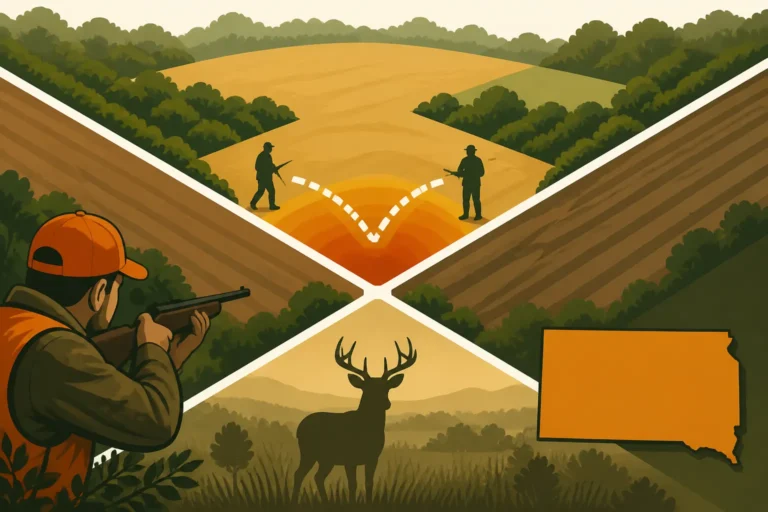
South Dakota's Walk-In Area (WIA) program is truly a gem for hunters, and it’s a concept that newcomers often struggle to wrap their heads around. At its core, a Walk-In Area isn't traditional public land, but rather private land that the South Dakota Game, Fish and Parks (GFP) department leases from landowners specifically for public hunting access. Think of it as a temporary easement, creating a patchwork of accessible ground that would otherwise be off-limits. This genius system gives hunters access to diverse habitats across the state, from prime pheasant cover to deer-rich draws, without needing to knock on doors or pay hefty trespass fees.
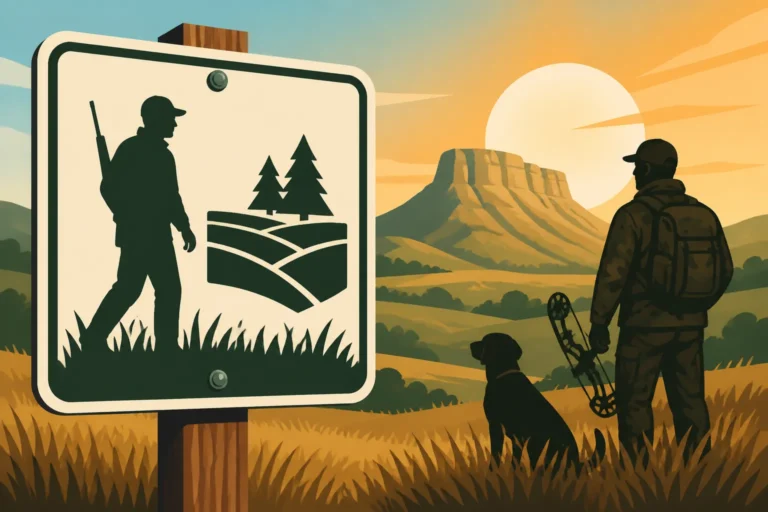
The program works on a voluntary basis, with landowners signing up to open their property for a designated period, typically during hunting seasons. In exchange for providing this access, landowners receive an annual payment. This arrangement is a win-win: landowners get a financial incentive, and hunters get more places to pursue game. These areas are clearly marked with distinctive yellow and black signs that state "Walk-In Area: Public Hunting and Fishing." If you don't see one of these signs, assume the land is private and requires permission. The sheer volume of acres enrolled changes year to year, but it consistently offers hundreds of thousands of acres.
The Genesis of the Walk-In Area Program
The idea for the Walk-In Area program didn't just appear out of thin air; it evolved from a pressing need to provide hunting opportunities, especially for small game like pheasants, as private land became increasingly inaccessible. Back in the day, finding a spot to hunt often meant striking up a conversation with a farmer at the local co-op or driving around looking for "Hunting by Permission" signs. As agriculture intensified and land ownership patterns shifted, coupled with increasing demand from resident and nonresident hunters, the GFP recognized that a more formalized approach was necessary. The program began as a way to enhance public access and distribute hunting pressure, ensuring that the hunting heritage could continue to thrive without solely relying on individual landowner generosity. It was a forward-thinking initiative, addressing the delicate balance between private property rights and public recreation.
Over the years, the program has grown significantly, adapting to changing land use practices and hunter demographics. It’s a testament to collaboration between state agencies, private landowners, and the hunting community that such a robust access program exists. The ongoing success of WIAs depends heavily on respectful hunter behavior, ensuring landowners remain willing participants for years to come. This foundation of respect and mutual benefit is what keeps these valuable hunting grounds open.
Types of Habitat Found in Walk-In Areas
One of the most appealing aspects of the WIA program is the incredible diversity of habitat it encompasses. You aren't just getting access to a single type of terrain; you're gaining entry to a cross-section of South Dakota's landscapes, each offering unique hunting opportunities. For pheasant hunters, you'll frequently find WIAs covering sprawling tracts of native prairie grass, dense cattail sloughs, and CRP (Conservation Reserve Program) fields. These are often prime pheasant habitat, offering both food and crucial winter cover. Imagine walking into a block of switchgrass, knowing that the dense cover could hold a wily rooster. South Dakota Ring-Necked Pheasants often thrive in these areas.
Beyond pheasants, WIAs also open up opportunities for deer hunters. Many WIA tracts include river bottoms with stands of timber, brushy draws, and agricultural field edges – ideal cover for both whitetail and mule deer. It's not uncommon to find a WIA property that combines dense grassland with a wooded creek bottom, offering fantastic diverse hunting in one parcel. Waterfowl hunters also benefit, as some WIAs include access to prairie potholes, stock dams, or sloughs that ducks and geese frequent. Even predator hunters can find good grounds in WIAs, pursuing coyotes and fox across varied terrain. The beauty of these areas is their varied nature; you might walk a grassy hillside in one WIA and then head to a brush-choked ravine in another, all within an hour's drive. Hunting Food Plots and Corn Edges can be particularly productive in some WIA settings.
Navigating and Utilizing South Dakota Walk-In Areas
Successfully hunting Walk-In Areas isn't just about showing up; it requires a bit of homework and strategic planning. The South Dakota GFP has made it remarkably easy to identify and locate these public-access parcels, but understanding how to interpret the maps and use mapping tools will give you a significant edge. This means getting familiar with the official resources and leveraging technology to your advantage.
The South Dakota Public Hunting Atlas
The primary tool for locating Walk-In Areas, along with other public hunting lands, is the South Dakota Public Hunting Atlas. This isn't just a simple map; it's a comprehensive resource that details all accessible lands across the state. The atlas is updated annually, usually in late summer or early fall, to reflect current WIA enrollments and other public access opportunities. You can get a physical copy, which is invaluable to have in your truck when cell service is spotty, or you can access it online through the GFP website. Many hunters print out specific pages for their target areas or download the entire PDF to their phone or tablet for offline viewing.
When using the atlas, you'll see different color codes indicating various types of public or public-access lands. Walk-In Areas are prominently marked, and often include information about the primary species typically found there and any specific restrictions (though most WIAs follow general rules). Using the South Dakota Public Hunting Atlas effectively means not just looking at where the green blocks are, but understanding the nuances of each parcel. Pay attention to the boundaries; while the WIA itself is open, adjacent land might be private, so knowing exactly where you are is critical for ethical hunting and avoiding trespass issues.
Digital Mapping Tools for WIAs
In today's hunting world, digital mapping tools have become almost indispensable, and they are particularly useful when navigating the often-patchy landscape of Walk-In Areas. Apps like onX Hunt are game-changers. These applications overlay property lines and public land designations directly onto satellite imagery, allowing you to see in real-time whether you're on a WIA, private land, or another type of public ground. This immediate feedback helps prevent accidental trespass and allows you to make quick decisions in the field. Imagine walking a field edge, and your GPS tells you exactly where the WIA ends and private land begins – invaluable information.
Many digital tools also allow you to mark waypoints, track your movements, and even scout remotely by examining aerial imagery. Before you ever leave home, you can "e-scout" potential WIAs, identifying promising cover, drainages, and access points. E-Scouting Walk-In Areas Before the Season can save you a lot of time and boot leather. By combining the official GFP atlas with a robust digital mapping tool, you'll be well-equipped to confidently explore South Dakota's Walk-In Areas. Some hunters also use tools like GoHunt for more advanced planning, especially when looking at broader regional trends or specific species distribution that might influence their WIA selection.
Access Points and Parking on Walk-In Areas
One of the nuances of hunting Walk-In Areas revolves around access and parking. While the land itself is open for public hunting, you can't just drive your truck across it. The vast majority of Walk-In Areas are strictly "foot traffic only." This means you need to find a legal place to park your vehicle off the main road, usually along a county road or a designated parking spot if one is provided. The yellow and black WIA signs will often indicate the designated access points, which typically correspond to where the land lease begins. Always double-check county road rules for parking; generally, you need to be off the traveled portion of the road and not obstructing traffic. Parking Away From the Cover You Hunt is not only good etiquette but often a necessity to ensure legal access.
Sometimes, a WIA might be landlocked by private property, meaning you can only access it via an adjacent public road or another piece of public land. This is where your mapping tools become essential, helping you identify these "corner crossing" scenarios or legal easements. Never assume you can cross private land to get to a WIA without explicit permission. Respect for private property is paramount to the program's continuation. Always look for the iconic WIA signs and ensure your boots hit the ground after you've confirmed you're on public access land.
Rules and Ethical Considerations for Walk-In Areas
Hunting Walk-In Areas isn't a free-for-all; it comes with a specific set of rules and, perhaps more importantly, an expectation of responsible and ethical behavior. These aren't just arbitrary guidelines; they are crucial for maintaining the integrity of the WIA program and ensuring its longevity. Remember, these lands are still privately owned, and the landowners are graciously allowing us access.
Foot Traffic Only and Other Specific Rules
The most fundamental rule for almost all Walk-In Areas is "Foot Traffic Only." This means no ATVs, no vehicles of any kind, and no horses (unless specifically noted, which is rare). You literally walk in. This rule is in place to minimize disturbance to the land, prevent damage, and reduce conflicts with landowners who may have agricultural operations or livestock nearby. Ignoring this rule is not only a violation but a sure-fire way to jeopardize the WIA program for everyone.
Beyond foot traffic, other rules typically include:
- No target shooting: WIAs are for hunting game, not for setting up targets.
- No camping: Unless explicitly stated, camping is not allowed on WIAs. You'll need to find designated camping areas on other public lands or private campgrounds.
- No littering: Pack out everything you pack in, and then some. Leave the land cleaner than you found it.
- No permanent blinds or stands: Portable blinds and treestands are usually allowed but must be removed at the end of each day's hunt. Check the specific WIA rules, as some may prohibit them entirely. Blinds and Stands on Walk-In Areas discusses these nuances.
- Dogs are generally permitted: Most WIAs allow hunting dogs, which is great for pheasant hunting. However, always ensure your dog is under control and not chasing livestock or disturbing other wildlife. Dog Water and Burrs on the Prairie is a good read if you're bringing a canine companion.
Understanding these rules before you go out is critical. Ignorance is rarely an excuse, and violating WIA regulations can result in fines, loss of hunting privileges, and, most importantly, sour relations with landowners, which directly impacts the future of the program.
Respecting Landowners and Fellow Hunters
Ethical conduct on Walk-In Areas extends beyond just following the written rules; it encompasses a broader respect for the landowners and your fellow hunters. Remember, these landowners are voluntarily participating, and their continued involvement depends on positive experiences. This means:
- Staying within boundaries: Use your mapping tools (like onX Hunt) to ensure you are always on WIA land and not accidentally trespassing onto adjacent private property.
- Avoiding disturbance: Be mindful of livestock, farm equipment, and any ongoing agricultural operations. Give them a wide berth.
- Closing gates: If you open a gate to access a WIA, close it behind you. This is a common courtesy that prevents livestock from escaping.
- Being courteous to other hunters: WIAs are public, and you're likely to encounter other hunters, especially during peak seasons. Maintain reasonable distances, avoid "sky-busting" birds that other groups are working, and communicate clearly if you're working the same cover. Pheasant Hunting Etiquette on Public Ground covers many important points here.
- Sharing a Walk-In Area With Another Party: This situation happens frequently. A friendly wave, a quick conversation about your plans, and agreeing on an approach can make the experience positive for everyone.
The golden rule for WIAs is simple: treat the land and its owner's property with the same respect you would your own, or even more. This proactive approach helps build trust and keeps these vital hunting grounds open for generations to come.
Hunting Strategies for Walk-In Areas
Walk-In Areas offer incredible hunting potential, but simply showing up without a plan might lead to frustration. Successful hunting on WIAs often comes down to smart scouting, adapting to conditions, and understanding how game utilizes these public-access parcels. Since these areas see varying levels of pressure, your tactics need to be flexible.
Pheasant Hunting in Walk-In Areas
Pheasants are, without a doubt, the most popular quarry in South Dakota's Walk-In Areas. The vast expanses of grass, cattails, and sloughs found on many WIAs are prime habitat for these vibrant birds. When targeting pheasants, consider the time of year and the time of day. Early in the season, birds might be spread out in lighter cover, while late-season birds will gravitate towards the thickest, nastiest cover available – think dense cattails or brushy draws. Late-Season South Dakota Pheasants in Heavy Cover are a different challenge entirely.
Tactical Approaches:
- Slow and thorough walks: Don't rush through good cover. Pheasants will run, hide, and sometimes hold incredibly tight. Work cover slowly, especially into the wind if possible, allowing your dogs (if you have them) to do their work.
- "Blocking" strategies: If hunting with a group, having a few hunters walk and others "block" the end of a cover strip can be highly effective. The blockers position themselves quietly at the downwind end, ready for birds flushed by the walkers. Pushing a Cattail Slough With Blockers is a classic WIA tactic.
- Midday hunts: While the early morning and late afternoon are popular, pheasants often move into denser cover during midday hours. Don't overlook the middle of the day for working heavy sloughs or large blocks of grass on a WIA. Where Roosters Sit at Midday can surprise you.
- Reading the landscape: Look for transitions in cover, edges of food plots, or areas where different types of habitat meet. These "edge" areas are often hotspots for birds.
Many hunters find that the more remote or larger WIAs, or those requiring a longer walk from the road, tend to hold more birds, simply because they see less immediate pressure.
Deer and Antelope Hunting in WIAs
While pheasants might be the main attraction, many Walk-In Areas offer excellent opportunities for deer and, in some west river units, even antelope. For deer, look for WIAs that incorporate timber, dense brush, river bottoms, or broken terrain. Whitetails will often stick close to cover and food sources, while mule deer prefer more open, broken country with good visibility. Whitetails in Missouri River Timber might be found in some of the larger WIAs along the major river systems.
Tactical Approaches:
- Scouting is crucial: Use your mapping tools to identify potential bedding areas, travel corridors, and feeding zones within WIAs. Look for pinch points or natural funnels. Since you're often limited to foot traffic, understanding the terrain before you go in helps you plan your approach.
- Still-hunting or stand placement: Depending on the terrain and cover, you might quietly still-hunt through a WIA, moving slowly and observing. If allowed, setting up a portable treestand or ground blind in a strategic location (like along a well-used game trail or near a food source) can also be effective. Remember, blinds and stands must be temporary.
- Wind direction: Always be mindful of wind direction, especially for deer. Approach from downwind to keep your scent from spooking game.
- Antelope strategies: For antelope in West River WIAs, spot-and-stalk is usually the primary method. Look for antelope on higher ground in the mornings or evenings, then use the terrain (draws, coulees, hills) to make a low-profile approach. Spot-and-Stalk Antelope on Open Prairie is a core skill here. Antelope often use WIA grasslands for grazing, so knowing how to use terrain to your advantage is key.
Hunting big game on WIAs often requires more patience and a greater understanding of animal behavior, as the game might be more wary due to general human activity.
Comparing Walk-In Areas to Other Public Lands
While Walk-In Areas are an incredible resource, they are not the only type of public or public-access land available in South Dakota. Understanding how WIAs differ from other categories, such as Game Production Areas (GPAs) or National Grasslands, can help you maximize your hunting opportunities and choose the best location for your target species and hunting style. Each type of land has its own characteristics, rules, and typical game.
Walk-In Areas vs. Game Production Areas (GPAs)
Game Production Areas (GPAs) are permanent public lands owned and managed by the South Dakota GFP. Unlike WIAs, which are leased private lands, GPAs are truly public, secured by the state specifically for wildlife habitat and public recreation, including hunting. This means GPAs tend to be more consistently managed for wildlife, often featuring diverse habitat components like food plots, wetlands, and dense cover designed to attract and hold game.
| Feature | Walk-In Areas (WIAs) | Game Production Areas (GPAs) |
|---|---|---|
| Ownership | Leased Private Land | State-Owned Public Land (GFP) |
| Permanence | Annual or multi-year lease, can change year to year | Permanent public land, managed long-term |
| Access | Primarily foot traffic only | Often allows vehicle access on designated roads/parking lots |
| Habitat | Reflects current landowner's farming/ranching practices | Actively managed for diverse wildlife habitat |
| Signage | Yellow and black "Walk-In Area" signs | Green "Game Production Area" signs |
| Camping | Generally not allowed | May allow dispersed camping in designated areas |
| Blinds/Stands | Portable only, must be removed daily | Portable only, but often allowed to be left for a season |
| Pressure | Varies greatly, can be high on popular parcels | Can be high, especially on easily accessible parcels |
The key difference lies in permanence and management. GPAs are long-term investments in wildlife, while WIAs offer flexible, often agricultural-adjacent access. Many hunters use GPAs as a baseline, then supplement their hunts by exploring nearby WIAs. South Dakota Game Production Areas details what to expect from these crucial pieces of public land.
National Grasslands and Forest Service Lands
Beyond WIAs and GPAs, South Dakota also boasts significant tracts of federal public land, primarily in the form of National Grasslands (like Buffalo Gap, Fort Pierre, and Grand River) and the Black Hills National Forest. These lands operate under federal regulations, which can differ from state-specific rules.
National Grasslands: These vast, open prairies in West River South Dakota offer tremendous opportunities for deer (both mule and whitetail), antelope, prairie grouse, and predators. Access is generally good, with numerous two-track roads, though some areas are remote and require significant hiking. Hunting these lands often involves extensive glassing and long-range shooting. National Grasslands Hunting in South Dakota explains the unique characteristics of these areas. The sheer scale means pressure can be spread out, but knowing how to read the landscape for subtle cover changes is critical.
Black Hills National Forest: Located in the western part of the state, this mountainous region is a completely different beast, offering hunting for elk, deer, and turkey. The terrain is rugged, timbered, and requires different hunting tactics, often involving calling and still-hunting in dense woods. Black Hills National Forest Hunting is a unique experience compared to the open prairie. While less about "Walk-In Areas" in the traditional sense, understanding that these federal lands also offer public access diversifies your hunting portfolio.
The decision of where to hunt often comes down to your target species, preferred hunting style, and whether you're willing to venture into more remote terrain. WIAs are fantastic for accessible, often high-quality, mixed-bag hunting, particularly for pheasants, and serve as an excellent entry point for many hunters new to the state.
Challenges and Rewards of Hunting Walk-In Areas
Hunting Walk-In Areas is an experience filled with its own unique set of challenges and, perhaps even greater, rewards. It’s not always easy, but the satisfaction of finding success on these public-access gems is truly fulfilling. Like any hunting endeavor, preparation and a realistic mindset are key.
Managing Hunting Pressure on WIAs
One of the biggest challenges of hunting Walk-In Areas, especially during popular seasons like the pheasant opener, is dealing with hunting pressure. Because WIAs are clearly marked and easily accessible, they can attract a lot of attention. You might show up at a prime WIA only to find several other vehicles already parked, or even multiple groups already working the same cover. This can be frustrating, especially if you've driven a long way. Opening Weekend Crowds on Public Ground are a reality.
Strategies for managing pressure:
- Hunt mid-week: If your schedule allows, hunting on weekdays rather than weekends can significantly reduce the number of other hunters you encounter.
- Go deeper: Many hunters stick close to the road. If you're willing to put in the extra boot leather and walk a mile or more into a large WIA, you'll often find less disturbed areas and more cooperative birds or deer.
- Utilize smaller parcels: Don't overlook the smaller, less obvious WIAs that might get bypassed by groups looking for massive tracts. These can sometimes hold hidden gems.
- Adjust your timing: Consider hunting later in the day, after early morning pressure has subsided, or during the late season when fewer hunters are out. Late-Season Hunting in South Dakota Snow can offer solitude.
- Scout alternative areas: Always have a backup plan. Identify several WIAs in a general area, so if your first choice is crowded, you can quickly move to another.
Dealing with pressure is part of the game on public ground, but with a bit of strategy, you can still find quality hunting opportunities.
The Rewards of Public Access Hunting
Despite the challenges, the rewards of hunting Walk-In Areas are immense. For many hunters, especially nonresidents or those without private land connections, WIAs are their primary, or even only, avenue to experience the incredible hunting South Dakota has to offer. The program truly levels the playing field, making world-class hunting accessible to everyone.
Key Rewards:
- Freedom to explore: WIAs offer the freedom to explore vast and varied landscapes, giving you the chance to discover new hotspots and challenge your hunting skills. Each parcel is a new adventure.
- Diverse game opportunities: From pheasants to deer, waterfowl, and predators, WIAs provide access to a wide range of species across different habitats. You might start your day chasing pheasants and end it scouting for a buck.
- Connecting with the land: There's a deep satisfaction in successfully navigating, scouting, and harvesting game on public ground. It fosters a greater appreciation for conservation and the effort it takes to manage these resources.
- Affordable hunting: Compared to expensive private leases or guided hunts, WIAs offer a cost-effective way to hunt, requiring only your hunting license and a willingness to walk. This democratizes hunting for many.
- Community and camaraderie: While you might encounter other hunters, many positive interactions happen on WIAs. Sharing information (respectfully), offering help, or simply a friendly nod acknowledges a shared passion.
The WIA program embodies the spirit of public hunting, offering genuine, challenging, and ultimately rewarding experiences for anyone willing to put in the effort. It's a cornerstone of South Dakota's hunting legacy, and something every hunter should take advantage of.
Disclaimer
This article is for general informational purposes only and does not constitute professional advice. Laws, prices and regulations vary by location and change over time. Consult a qualified professional for guidance on your specific situation.