Parking Away From the Cover You Hunt
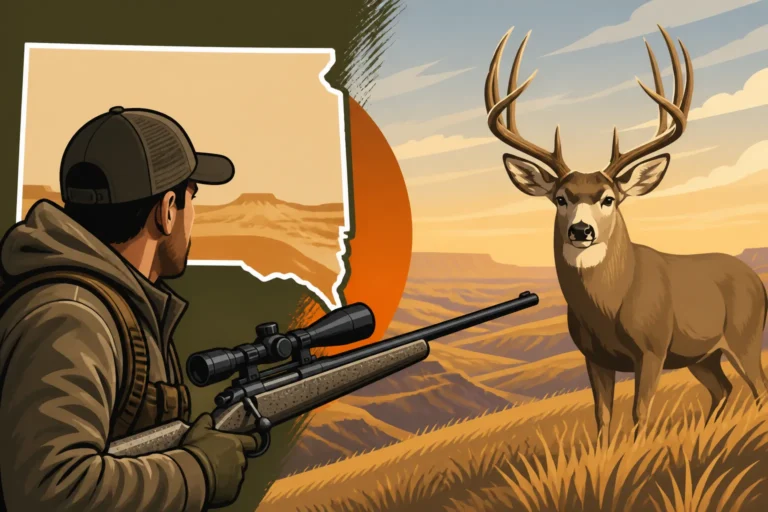
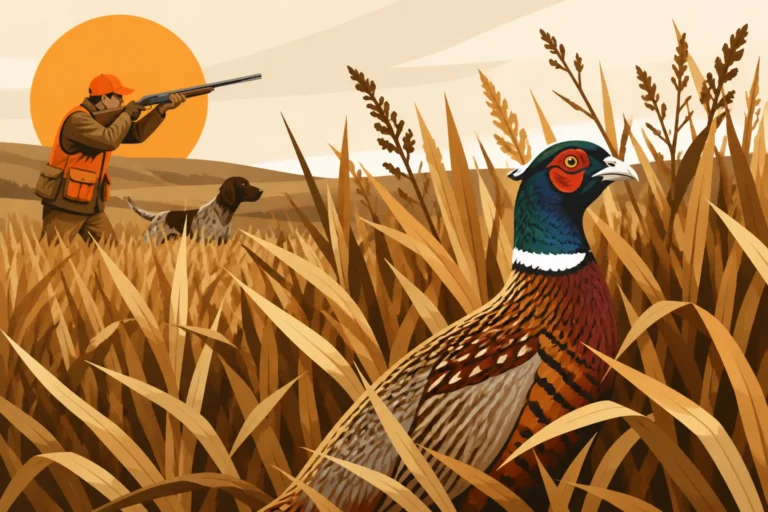
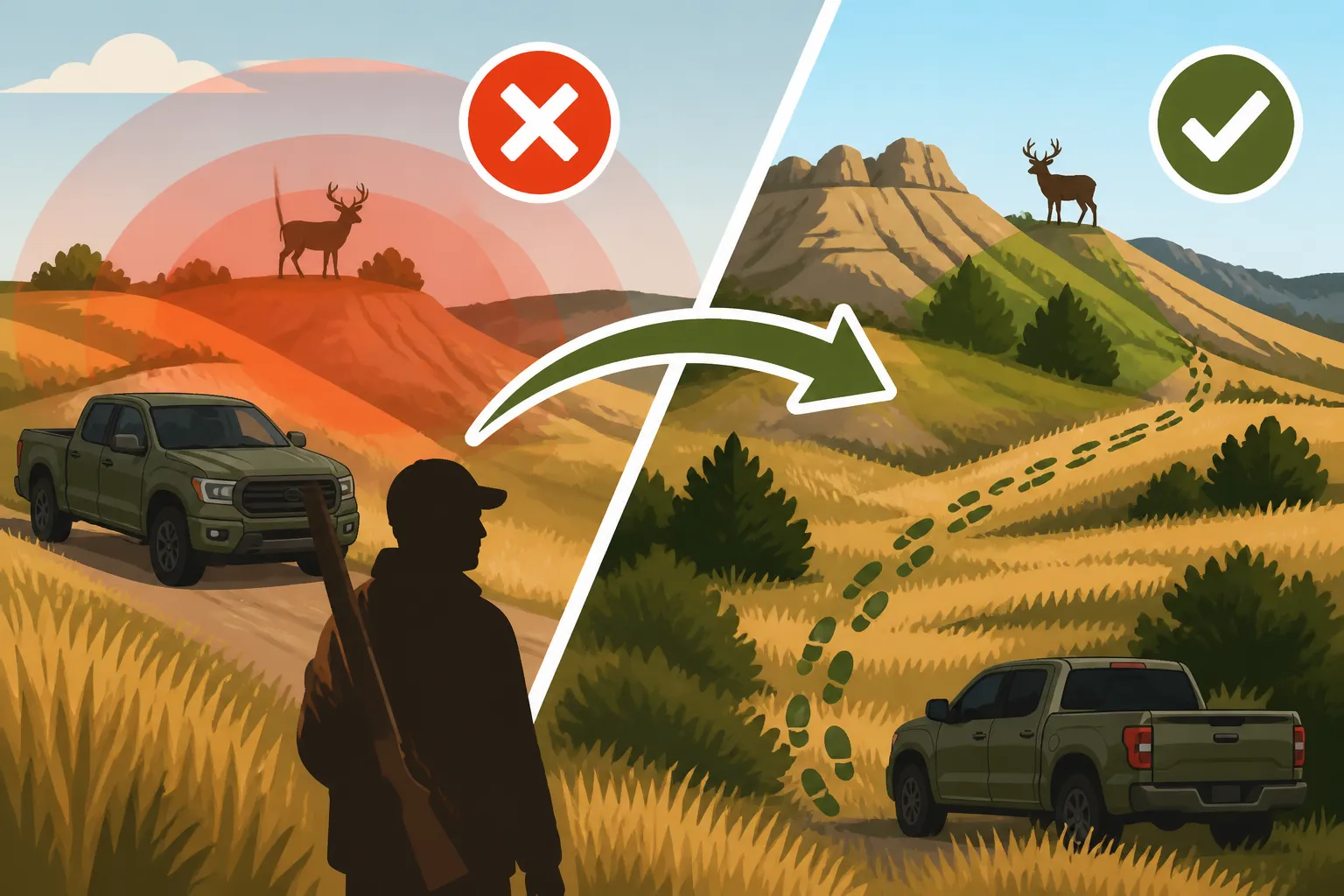
It's a scene all too familiar for anyone who's spent time hunting South Dakota's wide-open spaces: you pull up to that perfect-looking cattail slough, that promising draw, or the edge of a cornfield, and just as you're shutting off the engine, a flurry of pheasants erupts from the cover, or a buck you swear wasn't there melts away over the horizon. You hadn't even stepped out of the truck yet, and the hunt feels like it's already over. This guide is all about tackling that common frustration, exploring the crucial art of parking away from the cover you intend to hunt, and offering practical strategies to increase your success.
The Critical Importance of Strategic Parking
Many hunters, myself included, have learned this lesson the hard way. It's tempting to get as close as possible to save a few minutes of walking, especially when you're bundled up against a bitter prairie wind or you’re short on time. But that convenience often comes at a steep price: educating the game you’re pursuing, or worse, sending it scattering before you even have a chance to step foot in the field. Animals in South Dakota, from the wariest old rooster to a mature mule deer, are incredibly attuned to their environment, and the sudden appearance and sounds of a vehicle are huge red flags.
Why Your Vehicle Spooks Game More Than You Think
Think about it from an animal's perspective. In the vast, often treeless expanse of South Dakota, anything large and out of place stands out. A pickup truck, even if it's been driven down that gravel road a hundred times, is a massive, noisy, unnatural intrusion when it pulls to an abrupt halt directly adjacent to their hiding spot.
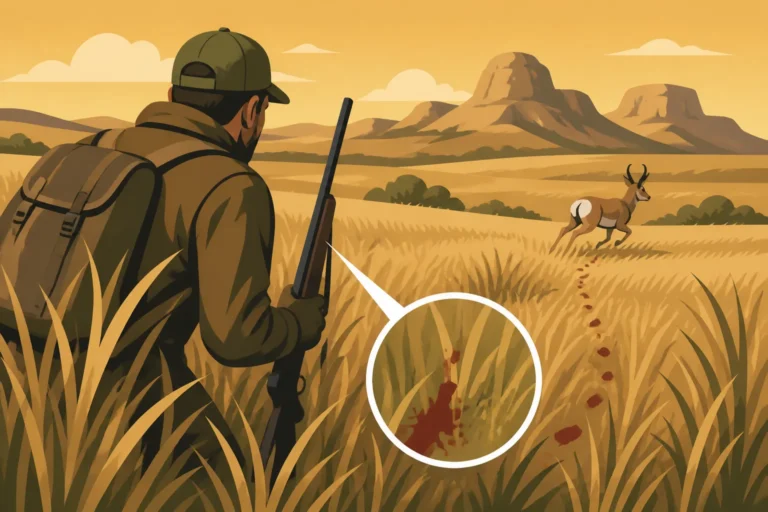
The sounds, especially, carry for incredible distances across flat prairie. The grinding of an engine, the slam of a door, human voices, even the clinking of gear in the bed – all these acoustic signatures announce your presence long before you physically enter their world. Pheasants, especially, are masters of escape. They hear you coming, they get nervous, and they'll either tuck down tighter, or they'll start running, often out the back side of the cover before you've even opened your truck door. This is a common challenge that makes Why Birds Run Instead of Flush such a critical read. For big game like mule deer or antelope, that initial alarm can send them on a long, unrecoverable run, essentially ruining your opportunity.
Setting the Stage for a Successful Approach
Your hunt begins long before you load your shotgun or nock an arrow. It starts with your approach and, critically, where you choose to park your vehicle. By parking a strategic distance away and taking advantage of natural cover and terrain, you instantly gain an advantage. You allow the immediate area around your intended hunting spot to remain undisturbed, giving you the element of surprise that is so vital in hunting pressured wild game. It’s about respecting the animals' senses and using that knowledge to your benefit, ensuring that when you do step into the field, you're doing so on your terms, not theirs.
Scouting for Optimal Parking Spots
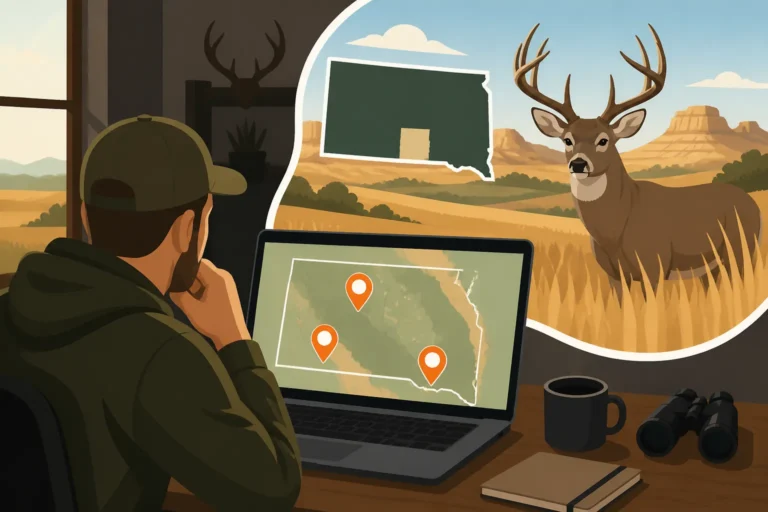
The best parking strategy isn't something you figure out on the fly when you arrive at your destination. It's a key component of your pre-hunt scouting, just as important as identifying good cover or likely travel corridors. With the tools available today, you can literally "e-scout" your parking long before your tires hit the gravel.
Utilizing Mapping Tools for Pre-Hunt Planning
Before you even leave home, spend some quality time with an online mapping tool. Programs like GoHunt's mapping features or the South Dakota Public Hunting Atlas are invaluable for this. Look at your chosen hunting area from an aerial perspective. Identify the primary cover you want to hunt – whether it’s a dense cattail slough, a winding creek bottom, a CRP field, or a shelterbelt.
Now, instead of zooming in on that cover, zoom out. Look for the roads or two-tracks that access the general area. Your goal is to find spots along those roads that offer:
- Distance: How far can you park from the edge of the cover? Aim for hundreds of yards, if not a half-mile, when possible, especially for wary pheasants or antelope.
- Visual Obstruction: Can you park behind a slight rise, a stand of trees, a large culvert, or even a deep ditch that conceals your vehicle from the immediate view of the cover?
- Auditory Buffer: While visual obstruction helps, sound still travels. Is there a topographical feature or even a dense strip of vegetation that might help muffle vehicle noises?
- Strategic Approach Route: Once you've identified a parking spot, visualize your walk-in. Can you use a fenceline, a low draw, a patch of taller grass, or the back side of a hill to approach the cover undetected? You're looking for Access Routes That Do Not Blow Out Birds. Remember, the wind will play a huge role here, so always plan your approach to keep the wind in your face or quartering.
Let's say you're planning a trip to one of the public South Dakota Walk-In Areas Explained in McPherson County. Instead of driving right up to the parcel's edge where you see prime pheasant cover, check the map for a wider pull-off a quarter-mile down the road, perhaps where a small group of cottonwoods might break up the silhouette of your truck. This extra planning step dramatically increases your chances of surprising birds.
Understanding Terrain and Wind Direction
The South Dakota landscape is your ally in strategic parking. Even subtle changes in elevation – a small knoll, the lip of a prairie coulee, or a slight depression – can make a huge difference in concealing your vehicle. When you're looking at your maps, pay close attention to contour lines. A few feet of elevation change can be enough to block line of sight.
Wind direction is equally critical. Always check the forecast before your hunt. If you park downwind of your hunting spot, every sound you make will carry directly to the animals. Ideally, you want to park so that the wind is blowing from your hunting area towards your vehicle, or at least across it. This way, any lingering human scent or vehicle exhaust is carried away, and sounds are dispersed or even carried in the opposite direction from the game. This principle is fundamental for many hunts, including Wind Direction on a Prairie Stalk for big game.
Consider the time of day, too. Early morning, when the air is still and sound travels furthest, demands even greater caution. Midday, with more wind and ambient noise, might offer a tiny bit more leeway, but the rule of "park far, walk quiet" still holds true.
On-the-Ground Parking Strategies
Even with the best pre-scouting, the reality of the ground can sometimes present challenges. Perhaps the designated pull-off is muddy, or another hunter beat you to your ideal spot. Having a few on-the-ground strategies in your mental toolkit will help you adapt and still minimize your impact.
Blending into the Landscape
The goal is to make your vehicle as inconspicuous as possible. This means more than just being far away; it means not sticking out like a sore thumb.
- Use Natural Cover: If there's a small cluster of trees, a thick fencerow, a tall grass embankment, or even a large rock pile, try to position your vehicle alongside or behind it. The less visible your truck is, the less likely it is to alarm game or draw the attention of other hunters who might think the spot is already occupied.
- Angle Your Vehicle: Instead of parking perpendicular to the road, turn your vehicle slightly, so its longest side is not facing directly towards the hunting cover. This can help reduce its visual footprint, especially if it’s a brightly colored vehicle.
- Lights Off, Doors Quiet: This sounds obvious, but in the pre-dawn darkness or the excitement of arrival, it's easy to forget. Kill your headlights and interior dome lights as far in advance as safely possible when approaching your parking spot. Gently close doors, rather than letting them slam. Minimize talking until you're a good distance from the vehicle. Every little bit of stealth helps.
- Choose a Spot Where You Won't Get Stuck: This is pure common sense but often overlooked in the eagerness of the moment. Those alluring grassy shoulders can turn into mud traps after a rain or a thaw. Always ensure your parking spot is firm and accessible. There's nothing worse than getting bogged down and having to call for a tow, thus completely blowing out any hunting within a mile radius. You definitely don't want to be Getting Stuck on a Prairie Two-Track.
Walking In with Purpose and Stealth
Once you've parked, the journey to your hunting spot is an extension of your stealth strategy. This isn't a casual stroll; it's a deliberate, calculated approach.
- Follow Terrain Features: As identified during your e-scouting with tools like GoHunt, use draws, fencelines, tall grass, or the backside of hills to break up your silhouette and mask your movement. Don't skylight yourself on a ridge unless absolutely necessary.
- Walk Quietly: This is paramount, especially when pheasant hunting. Dry stubble fields can be noisy, but a slow, deliberate pace, picking your footfalls, can minimize crunching sounds. If you're hunting with a partner, communicate silently with hand signals.
- Leverage the Wind: As mentioned, approach into the wind or with the wind quartering to you. This carries your scent away from the game and helps mask any sounds you make. This is a critical tactic for South Dakota Pheasant Hunting Tactics for the Opener and deer hunting alike.
- Allow Time: Rushing your walk-in will inevitably lead to more noise and less awareness. Give yourself ample time to cover the distance slowly and methodically. This also allows the area to settle down after your vehicle's departure.
A useful rule of thumb for different game species:
| Game Species | Minimum Parking Distance (Approx.) | Preferred Cover for Parking | Approach Strategy |
|---|---|---|---|
| Pheasants | 300 – 500+ yards | Behind a hill, thick shelterbelt, or cluster of farm buildings | Against the wind, using fencelines/ditches |
| Mule Deer | 500 – 800+ yards | Out of sight over a ridge, in a distant coulee, or dense cedar patch | Use terrain for concealment, often Glassing South Dakota Breaks at First Light from afar |
| Pronghorn | 800+ yards, often 1+ mile | Behind the largest available rise, out of sight completely | Extreme long-range walk, utilizing all available draws for a Spot-and-Stalk Antelope on Open Prairie |
| Waterfowl (Field) | 200 – 400 yards | Well-hidden in a distant tree line or behind a substantial structure | Low profile, often in darkness, walking to blinds |
| Waterfowl (Pothole) | 100 – 300 yards | Behind a natural rise, allowing for a stealthy approach to the water | Quiet walk, approaching from the downwind side of the pothole |
Remember, these are minimums. More distance is always better if the terrain allows. The key is to avoid driving directly to the spot where you anticipate finding game.
Overcoming Common Parking Challenges
Even with the best intentions and meticulous planning, South Dakota's dynamic environment can throw curveballs. Limited access, shared public land, and adverse weather are all realities that require adaptable strategies.
Navigating Public Land and Shared Access
Hunting public land in South Dakota, such as South Dakota Game Production Areas or Walk-In Areas, often means you won't be the only one out there. This presents unique parking challenges.
- Respect Other Hunters: If you arrive at a Walk-In Area and see another vehicle already parked strategically, avoid pulling up right next to them or directly into their planned approach. Find another spot, even if it's further away, or choose a different parcel to hunt. Good etiquette is key to avoiding conflicts and ensuring everyone has a positive experience. Understanding Hunting Pressure Patterns on Walk-In Areas can help you predict and avoid crowded areas.
- Limited Pull-Offs: Sometimes, the only "parking" available is a narrow shoulder along a county road. In these instances, prioritize safety first. Ensure your vehicle is entirely off the main travel lane. If possible, still try to find a spot that offers some visual break, even if it's just a slight dip in the terrain or a small culvert. You might have to walk a little further, but it’s worth it.
- Gate Closures: Some public lands have gates that might be closed to vehicle traffic, particularly during certain seasons or to protect wet roads. Always check Checking South Dakota Area Closures before you go. This means you might have to park outside the gate and walk in further than you initially planned. Embrace it as an opportunity for an even stealthier approach!
Adapting to Weather and Road Conditions
South Dakota weather can change on a dime, turning dry gravel roads into greasy mud traps, or obscuring vision with fog or snow.
- Muddy Conditions: After heavy rain or snowmelt, many unpaved roads and shoulders can become impassable or dangerously slick. Prioritize solid ground for parking. If you're in a two-wheel-drive vehicle, stick to main gravel roads or paved surfaces if possible. Four-wheel drive helps, but even then, discretion is the better part of valor. Again, avoid Getting Stuck on a Prairie Two-Track. Sometimes, the only safe parking is a considerable distance from your target.
- Snow and Ice: Fresh snow can offer excellent tracking opportunities, but it also amplifies sound. Every crunch of your boots will carry further. I remember a particularly cold day Hunting Roosters After a Blizzard where the snow was so squeaky underfoot, parking a full mile away was the only option for a quiet approach. Snow can also obscure road edges, making it harder to discern safe parking spots. Be extra cautious.
- Wind and Visibility: High winds can actually be your friend, masking the sounds of your approach. However, they also make it harder to hear birds flush or game moving. Poor visibility due to fog or heavy snow can make driving and parking challenging, but can also offer excellent cover for your walk-in. Always factor these conditions into your parking and approach plans.
Ultimately, the best advice for parking away from the cover you hunt is to embrace the walk. That extra 10, 15, or 20 minutes of walking from a well-hidden parking spot is rarely time wasted. More often than not, it's the critical difference between seeing a tail feather disappear over the hill or having a successful encounter with that wary South Dakota game. It takes a little extra effort, but it pays dividends in more opportunities and a much more rewarding hunting experience.
Disclaimer
The information provided in this guide is for general informational purposes only and does not constitute legal advice. Hunting regulations and conditions in South Dakota are subject to change. Always consult the official South Dakota Game, Fish and Parks regulations and land access rules before any hunting activity. Safety should always be your top priority in the field.