Best Way to Push a Cattail Slough
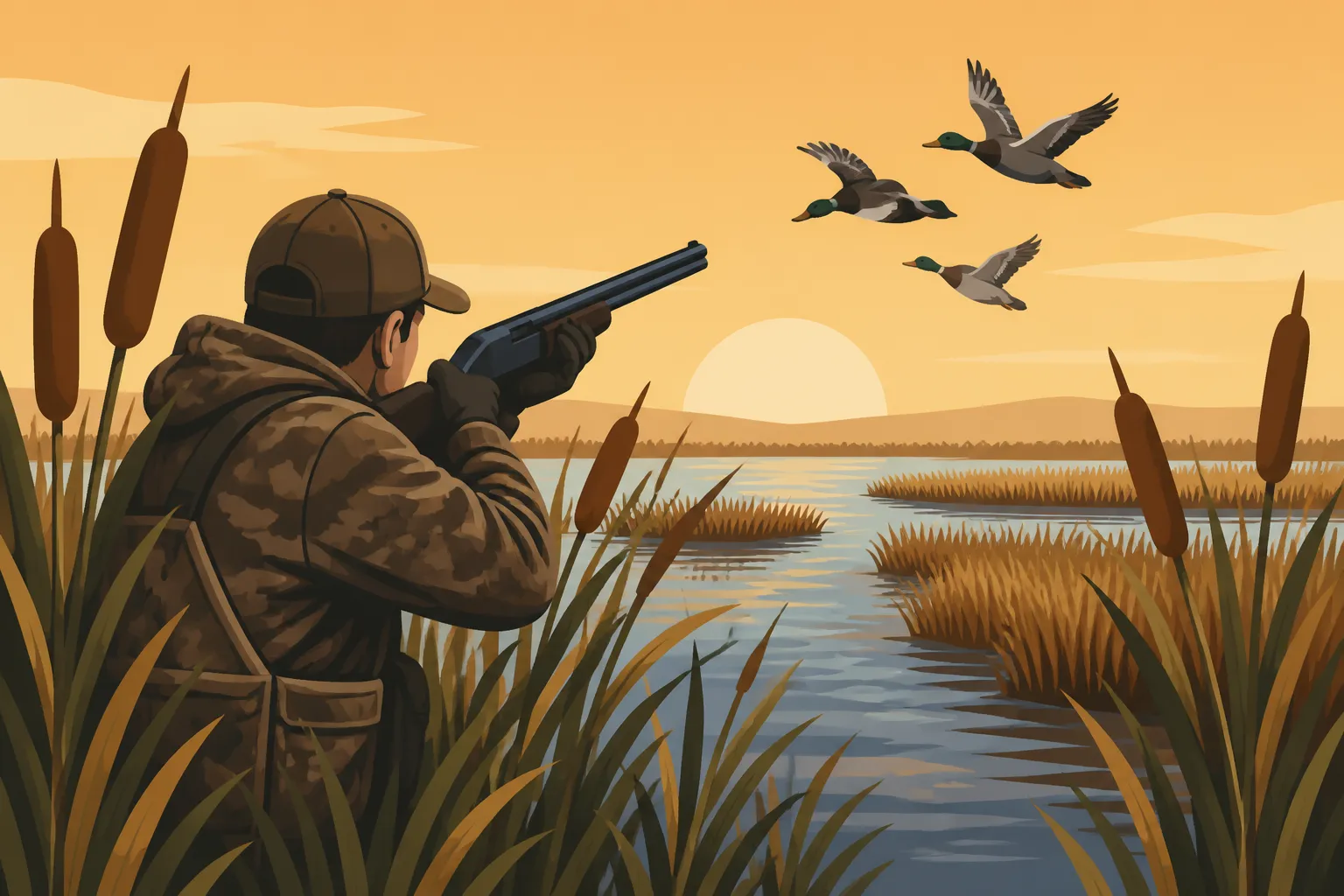
Hunting South Dakota's renowned pheasant country often means facing down one of the most challenging, yet rewarding, covers: the cattail slough. These dense, often wet, expanses of vegetation are notorious for holding birds tight, giving hunters fits, and sometimes feeling like an impenetrable fortress. If you've ever walked a slough only to have birds bust out a hundred yards ahead, or worse, behind you, you know the frustration. This guide is all about giving you the strategies and insights to effectively push these formidable covers, putting more roosters in your vest and turning that frustration into triumph.
Understanding the Cattail Slough Ecosystem
Before you even step foot into a cattail slough, it's crucial to understand why these places are so appealing to pheasants, and how that knowledge can inform your hunting strategy. It’s not just a random patch of reeds; it’s a vital habitat that birds depend on, especially when hunting pressure is high or the weather turns sour.
Why Roosters Love Cattails
Cattail sloughs are much more than just cover; they are a complete ecosystem providing everything a pheasant needs to survive and thrive. Think of them as the ultimate safe haven. Firstly, they offer incredible thermal cover. In the brutal South Dakota winters, those dense stalks create a microclimate that can be significantly warmer than the open prairie, shielding birds from bitter winds and heavy snow. Conversely, on a hot October opener, the shade and dampness can provide relief from the sun, helping birds regulate their body temperature. Secondly, cattails provide unparalleled escape cover. When danger approaches, whether it's a coyote or a hunter, a pheasant can literally disappear into the impenetrable labyrinth of stalks. They can run, often surprisingly fast, through the dense vegetation, using the tangled roots and stalks to evade pursuit. Lastly, these areas often contain open water or damp ground, which can be a vital water source, especially in drier years. This combination of shelter, security, and sustenance makes a good cattail slough an absolute magnet for roosters, particularly after they’ve been pressured in easier cover.
Reading the Slough Before You Enter
You wouldn't walk into a dense forest without knowing something about its layout, and a cattail slough is no different. Before committing your efforts, take the time to "read" the slough from the outside. Use binoculars to scan for any open pockets, subtle changes in vegetation height, or even tracks leading in or out if there's mud. Pay close attention to the edges – where does the cattail transition to grass, crops, or a treeline? These transition zones are often escape routes. Topographical maps and satellite imagery are your best friends here. Tools like GoHunt's mapping features can be incredibly helpful for this pre-hunt scouting, allowing you to identify the densest pockets, potential waterways, and even terrain changes that might create elevated dry spots within the slough where birds prefer to hold. You can mark potential entry and exit points, plan the most efficient walking lanes, and even identify areas where water might be too deep to wade. Identifying these subtle features beforehand can make all the difference between a productive push and a frustrating wade through waist-deep water for nothing. It helps you understand the landscape as if you were already there, pointing out where to focus your efforts.
Bird Behavior in Dense Cattails
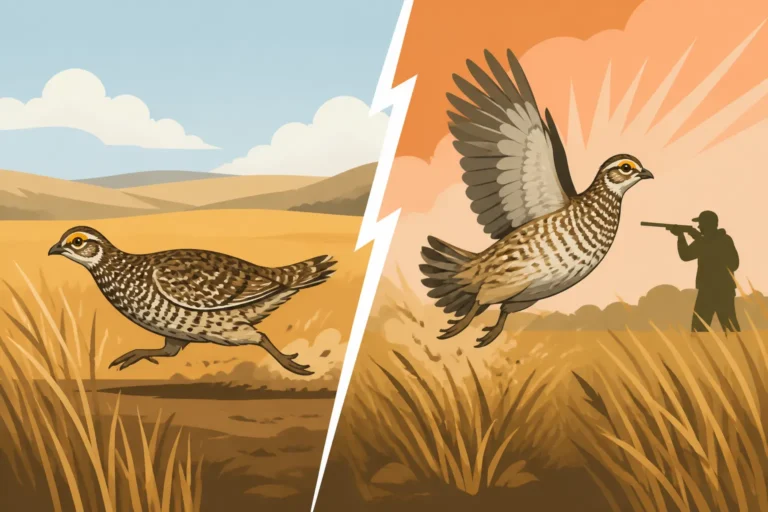
Pheasant behavior in cattail sloughs can be incredibly nuanced and frustratingly unpredictable, which is why understanding it is key. Unlike birds holding in standing corn or lighter grass, roosters in cattails often hold very tight. They know the cover protects them, and they’ll rely on it until the last possible second. This means you might literally be stepping on a bird before it flushes, especially on colder days when they want to conserve energy. However, given enough pressure, or if they sense a clear escape route, they are equally prone to running. A rooster can run through a thick cattail slough like a rat through a maze, often staying just ahead of the drivers, using the density to shield itself from view. This is why a strategic push with blockers is so vital. If they do decide to flush, it will often be explosive, sometimes right at your feet, sometimes over the top of the slough, heading for distant cover. The challenge is anticipating when they'll run and when they'll hold, and designing your push to counter both instincts.
Planning Your Push: Strategy and Safety
A successful cattail slough push isn't just about walking in a straight line; it's a carefully choreographed effort that prioritizes both effectiveness and, most importantly, safety. Without a solid plan, you risk not only losing birds but also putting your hunting party in dangerous situations.
Scouting and Pre-Hunt Assessment
Even if you’ve already “read” the slough from satellite imagery, nothing beats a quick, on-the-ground assessment before the hunt begins. This is where you confirm those hunches from your map. How deep is the water? Is the mud passable? Are there any hidden fences or ditches that could trip someone up or catch a dog? This walk-around helps you finalize your entry and exit points and solidify your plan. Using mapping apps like GoHunt to drop waypoints for potential hazards or key holding areas during this reconnaissance can be invaluable. It ensures everyone is on the same page about the terrain. For example, if you notice the cattails become significantly thicker or transition into a marshy area on one side, that’s where you’ll want to concentrate your drivers and maybe place a blocker to cut off potential escape routes. This crucial step is often overlooked, but it prevents surprises and allows for adjustments based on the real-world conditions.
Team Roles and Placement for Maximum Effectiveness
A proper cattail slough push is a team sport, and assigning clear roles is paramount. Typically, you’ll have drivers and blockers. The drivers are the ones entering the thickest cover, moving through the slough to push birds forward. Their job is to be thorough, cover the ground systematically, and apply consistent pressure. Blockers, on the other hand, position themselves at the far end or along the sides of the slough, concealed but ready to intercept birds attempting to flush or escape out the sides. The number of blockers you need depends entirely on the size and shape of the slough, as discussed in How Many Blockers a Field Needs. A narrow, long slough might only require a few blockers at the far end, while a wide, irregular slough might demand blockers along the sides to prevent birds from slipping out.
Communication is key, especially given the noise and visual obstructions of a slough. Using whistles or radios can help coordinate the push and ensure everyone knows where other hunters are located. Safety cannot be stressed enough; every member of the party must know where others are at all times, keeping muzzles pointed in safe directions, especially when birds flush unpredictably. Reviewing Safe Gun Handling on a Bird Drive and Muzzle Discipline With Blockers Ahead before heading out is always a good idea.
Essential Gear and Personal Preparation
Hunting cattails is physically demanding and often involves wet, cold, and challenging conditions. Your gear choice can make or break your hunt, and even your safety.
| Item | Importance | Notes |
|---|---|---|
| Waterproof Boots | Absolutely critical. You will get wet. Hip waders or chest waders are often necessary for deeper sloughs, keeping you dry and preventing hypothermia. | Look for boots specifically designed for wading in heavy cover. See Boots for Walking Cattails All Day. |
| Layered Clothing | Conditions can change rapidly, and you'll be exerting yourself. Layers allow you to adapt to temperature changes and prevent overheating or getting chilled. | Avoid cotton; synthetic or wool base layers are best. |
| Blaze Orange | Non-negotiable for safety. Ensures you are highly visible to other hunters, which is critical in dense cover where visibility is limited. | Wear plenty, including a hat and vest. |
| Safety Glasses | Protects your eyes from whipping cattail stalks, thorns, and stray shot. | Clear or amber lenses work well. |
| Communication | Whistles, two-way radios, or fully charged cell phones (with good service) are essential for coordinating the push and addressing safety concerns. | Pre-program emergency contacts. Be aware that cell service can be spotty in remote areas. |
| Water/Snacks | Pushing dense cover is dehydrating work. Bring plenty of water to stay hydrated. High-energy snacks can help maintain stamina throughout the hunt. | Even on cooler days, you'll sweat. |
| First Aid Kit | For minor cuts, scrapes, or burr removal. A small kit in a backpack is always a smart idea, especially when you’re far from immediate help. | Include essentials like bandages, antiseptic wipes, pain relievers, and any personal medications. |
| Dog Protection | If you’re bringing a dog, consider a protective vest to shield them from sharp stalks, burrs, and potential rebar. Ensure you have plenty of water for them, especially on warmer days. | See Dog Water and Burrs on the Prairie and Keeping a Dog Cool on an Early Opener. Your dog is part of the team, keep them safe! |
Executing the Push: Techniques for Success
Now that you've planned and geared up, it's time to put boots on the ground. The execution of a cattail slough push requires patience, discipline, and a keen understanding of how birds will react.
The Driver's Critical Role
As a driver, your job is to systematically and thoroughly cover the slough, applying steady pressure to encourage birds to move towards your blockers. The key here is consistency and being methodical. Don't rush. A slow, steady Walking Speed That Holds Roosters is often more effective than a fast one, as it allows birds to gain a false sense of security before being surprised, or it forces them to run rather than just slip past. Imagine walking in a grid pattern if the slough allows, ensuring no pockets of cover are missed. Maintain an even line with other drivers, using visual cues or communication to stay aligned.
Noise is also a factor. While a completely silent approach is impossible in thick cattails, a consistent presence, rather than sudden bursts of noise, tends to be more effective. Some hunters find that occasional shouts or stomping can trigger a flush from birds that are holding exceptionally tight. Be constantly aware of your surroundings, scanning not just ahead but also to the sides and even behind you, as roosters can sometimes circle back. If you are using a mapping app like GoHunt, ensure it's set up to track your movement so you know exactly which areas you've covered.
The Blocker's Strategic Placement and Patience
Blockers have one of the most crucial roles in a slough push. They are the receivers, positioned at the end or along the sides to intercept birds pushed by the drivers. Their success hinges on being in the right place at the right time and exercising immense patience.
First, concealment is paramount. Birds will often approach the edge of the slough cautiously, looking for a clear exit. If they spot a blocker, they’ll often turn back into the cover, defeating the purpose of the push. Use natural vegetation, ditches, or terrain features to break up your silhouette. Secondly, know your shooting lanes. Before the drive begins, mentally (or physically) establish safe shooting zones. You want clear shots at flushing birds without endangering other members of the hunting party. This is particularly important in South Dakota where flat, open country often means long sightlines, but dense cover means limited visibility. Remember, safety always comes first. Anticipate where birds might break. Often, roosters will follow the path of least resistance, looking for thinner cover, an opening in the cattails, or a natural drainage. If you’ve scouted well, you should have a good idea of these likely escape routes and can position yourself accordingly.
Working with Dogs in Dense Cover
Dogs are invaluable assets when hunting pheasants, and nowhere is that more true than in a cattail slough. Their superior sense of smell and relentless drive can locate birds that would otherwise be missed by human hunters. However, working dogs in such dense cover requires specific considerations.
For driving, a good flusher is often preferred, as their energy and close-working style will keep birds moving. Breeds like Labrador Retrievers or Springer Spaniels excel at this. They’ll crash through the cover, forcing pheasants to either run or flush. On the other hand, pointing dogs can be incredibly effective at locating and holding tight-sitting birds. If you're using a pointer, you'll need to work closely with them, moving in quickly when they go on point in such thick cover. Different strategies are needed for Pointing Dogs Versus Flushers on Wild Birds. Remember, the density of cattails can be brutal on a dog. Consider protective vests to shield them from cuts and scrapes, and be vigilant about burrs and foxtails, especially around their eyes, ears, and paw pads. Carrying a burr comb and plenty of water for your canine companion is not just good practice, it's essential for their well-being in the field. Retrieving birds from deep, often wet, cattails is where dogs truly shine. They can navigate the tangled mess far better than a human, drastically reducing the chances of losing a downed bird. Retrieving pheasants from Flushing Dogs in Heavy Cattails can save precious birds.
Navigating Difficult Terrain
Cattail sloughs are rarely flat, dry, and obstacle-free. You’ll encounter varying water depths, thick, clinging mud, and dense, tangled vegetation that can make every step a battle. Hip waders or chest waders are often non-negotiable, even if the slough looks dry from the edge. One wrong step can plunge you into waist-deep water. When moving through muddy sections, lift your feet rather than dragging them to prevent losing a boot. Use a sturdy walking stick or your shotgun (muzzle pointed safely!) to probe ahead for deep holes or submerged obstacles. Be mindful of footing, as slick mud and tangled roots are prime conditions for slips and falls. This physical challenge is part of what makes these hunts so rewarding, but it demands respect and careful navigation.
Post-Push Considerations: What to Do Next
The push isn't over when the shooting stops. Effective follow-through ensures every downed bird is recovered and helps you learn for future hunts.
Retrieving Downed Birds
In the dense, often wet chaos of a cattail slough, retrieving a downed bird can be a significant challenge, especially without a good dog. Even with a dog, the thick cover means you need to mark the fall precisely. As soon as a bird hits the ground, keep your eyes fixed on the spot. If you have multiple shooters, one person should act as a spotter, directing the retrieve. Make a mental note of any landmarks—a particularly tall cattail clump, a leaning tree, or a break in the cover. Without these cues, a retrieve can quickly turn into a frustrating search. If you’re without a dog, walk a tight grid pattern around the area of the fall. Slowly and methodically parting the cattails as you go can help you locate the bird. Remember, a lost bird is not only a waste but also disrespectful to the game.
Safety After the Shot
Once a bird is down, it’s critical that all hunters immediately re-establish safe muzzle discipline. With the adrenaline of a flush and a shot, it’s easy to forget proper gun handling. Ensure all firearms are pointed in a safe direction, preferably skyward or down into the ground, and that safeties are engaged before any movement to retrieve. Always be aware of where other hunters and dogs are, even after the shooting subsides. Accidental discharges during retrieval or movement are a serious risk, so maintaining focus on safety is paramount.
Re-evaluating and Repeating the Process
A successful push provides valuable lessons. After you’ve retrieved your birds and cleared the slough, take a moment to discuss with your hunting party what worked and what didn’t. Did birds flush where you expected? Did they escape a particular side? Was the walking speed too fast or too slow? Perhaps the blockers were positioned incorrectly, or the drivers didn't cover a specific pocket thoroughly enough. Use your GoHunt app to mark the flush points, escape routes, and any areas you think you missed. This information is gold for future hunts on that same slough or similar ones.
Sometimes, a single large slough might require multiple pushes from different angles, or a re-push of areas where birds might have circled back. This iterative approach, especially when hunting South Dakota Pheasant Hunting Tactics for the Opener, allows you to refine your strategy in real-time, maximizing your chances of success. Never assume a slough is "empty" after one pass; those wily roosters are experts at evading detection, often hunkering down only to escape once the immediate danger has passed. Learning Where Roosters Sit at Midday can help you decide when a second push is worthwhile.
Disclaimer
Hunting is an inherently dangerous activity. This guide provides general information and recommendations. Always prioritize safety, understand and follow all local, state, and federal hunting regulations, and exercise sound judgment in the field. The author and publisher are not responsible for any accidents, injuries, or legal infractions that may occur.