Staying Warm in a December Blind
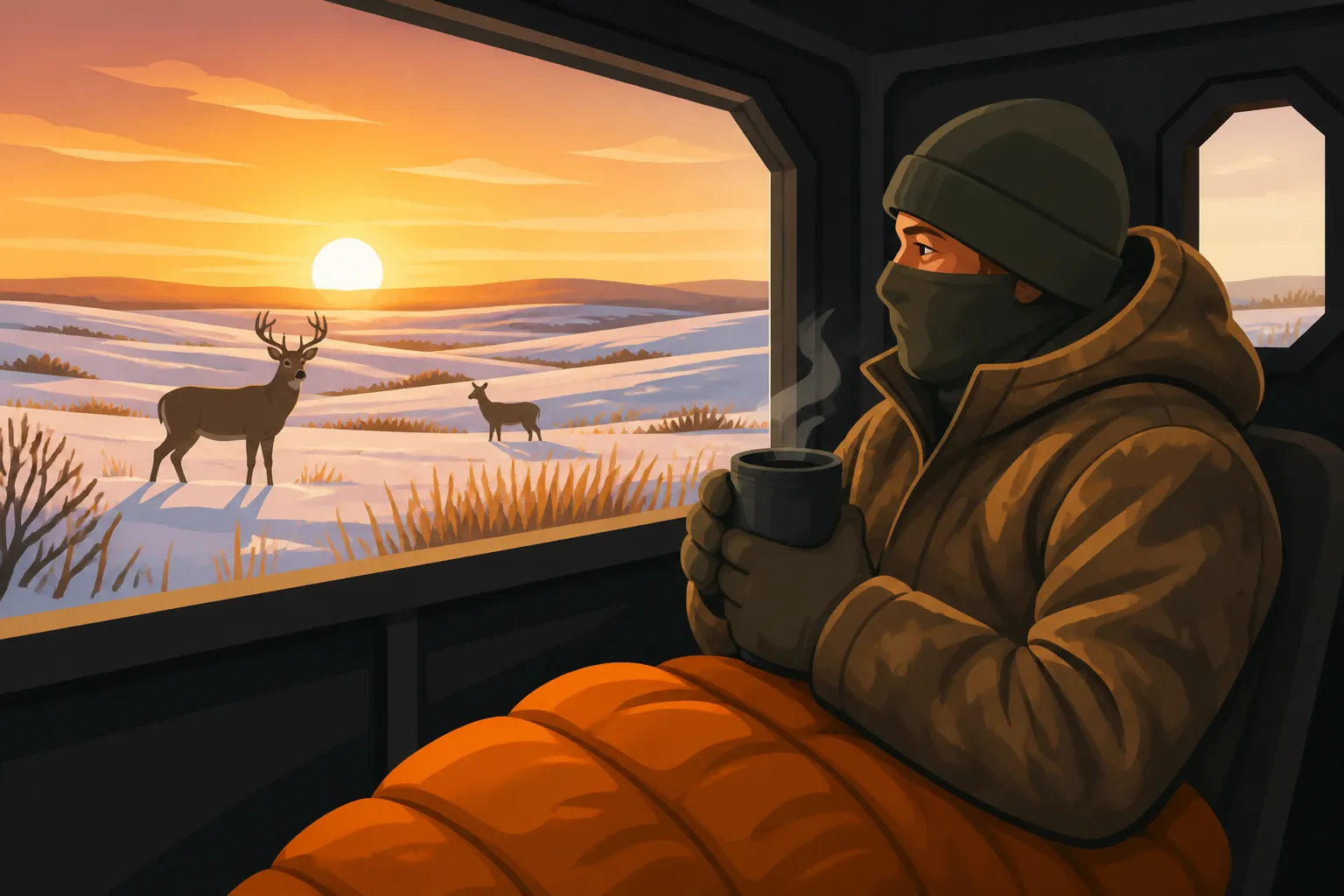
There's nothing quite like the raw beauty of a December morning in South Dakota, the landscape hushed under a fresh blanket of snow, the air crisp and clear. But let's be honest, that breathtaking beauty comes with a serious bite. Sitting still in a blind when the mercury plummets and the wind whips across the open prairie can turn a dream hunt into an agonizing test of endurance, often sending you back to the truck long before legal shooting hours are over. This guide is your no-nonsense lifeline to conquering the cold, ensuring you stay warm, comfortable, and focused in your December blind, extending your time in the field, and ultimately, your chances of success.
Mastering the Art of Layering for Bitter Cold
The biggest mistake I see hunters make when temperatures drop is just throwing on one or two super bulky items. While a huge parka might feel warm for a minute, it’s not really insulating you effectively, and it traps sweat the moment you exert yourself. Effective cold-weather hunting isn't about bulk; it's about smart layering. Think of it as building a personal microclimate around your body, each layer serving a specific purpose, working together to trap warmth, wick away moisture, and block the elements. This approach gives you the flexibility to add or shed as your activity level or the weather changes, a crucial aspect when you might be trekking across a field before settling into a stationary blind. You can find more specific advice on this essential practice in our detailed guide on how to approach Layering for South Dakota Wind.
Base Layers That Trap Heat, Not Sweat
Your base layer is arguably the most critical component of your cold-weather system. Its job is twofold: to provide a foundational layer of insulation close to your skin and, even more importantly, to move moisture away from your body. Sweat is your enemy in cold weather; once your base layer gets damp, it loses its insulating properties, and you'll feel a chilling cold as your body works to evaporate that moisture.
- The Merino Wool Advantage: For serious December cold, merino wool is often considered the gold standard. Unlike traditional wool, merino fibers are much finer, making them incredibly soft against the skin, virtually itch-free, and remarkably breathable. What really sets merino apart is its ability to retain much of its insulating properties even when damp, which is a game-changer if you break a sweat getting to your blind. It’s also naturally antimicrobial, meaning it resists odor, which is a nice bonus on multi-day hunts or if you're trying to stay scent-neutral for deer or coyotes. Look for different weights, usually measured in grams per square meter (gsm); a heavier weight (e.g., 250-300 gsm) is ideal for stationary blind hunting in severe cold.
- Synthetic Options: Don't discount synthetics like polyester or polypropylene blends. Modern synthetic base layers are incredibly advanced, often featuring specialized wicking technologies that excel at drawing sweat away from your skin. They tend to dry much faster than wool, which can be an advantage if you anticipate heavy exertion followed by long periods of stillness. Synthetics are also usually more budget-friendly and exceptionally durable. The key is to choose a high-quality brand that's specifically designed for active pursuits in cold weather, avoiding anything cotton-based at all costs. Cotton absorbs moisture like a sponge and then holds it against your skin, rapidly leading to hypothermia in freezing conditions.
Mid-Layers for Serious Insulation
Once your base layer is doing its job, your mid-layers are where you build the bulk of your warmth. These layers are designed to create loft and trap air, which is the real insulator. The more dead air space you can create and hold close to your body, the warmer you'll be.
- Fleece and Grid Fleece: Standard fleece jackets and pants are excellent, versatile mid-layers. They're relatively lightweight, breathable, and provide good warmth for their bulk. For even better performance, consider grid fleece. This material has a waffle-like pattern that creates air channels, improving breathability while still retaining heat. Grid fleece is fantastic for regulating temperature, allowing some heat to escape during activity while trapping it during rest.
- Down and Synthetic "Puffies": When the wind howls and the temperatures plummet into the single digits or below, a good puffy jacket or vest filled with down or synthetic insulation becomes indispensable. Down is incredibly warm for its weight, packing down small, but it loses its insulating power when wet. Synthetic insulation, on the other hand, performs much better if it gets damp, making it a more reliable choice in wet snow or freezing rain, common conditions during Late-Season Hunting in South Dakota Snow. For stationary blind hunting, you'll want a "heavyweight" puffy that offers maximum loft. Some hunters even bring a large puffy jacket to pull over their outer shell when they’re completely settled in the blind, adding an extra layer of warmth during extended periods of stillness.
Outer Shells to Defeat Wind and Wet
Your outermost layer isn't primarily for warmth; it's your fortress against the brutal elements of a South Dakota December. Its main jobs are to block the wind and repel moisture, protecting your insulating layers beneath. Without a good shell, even the warmest mid-layers will be compromised by wind chill.
- Windproof Membranes are Non-Negotiable: The wind on the open prairie can be relentless. Look for an outer shell that features a windproof membrane, such as GORE-TEX, Windstopper, or proprietary brands. These membranes act as a barrier, preventing icy gusts from penetrating your clothing and stripping away your body heat. The difference a truly windproof jacket and pants make on a blustery December day is immense; it feels like adding an entirely separate layer of warmth.
- Waterproof and Breathable: While December might not always bring torrential rain, wet snow, freezing drizzle, or even just melting snow from cattails or brush can soak through non-waterproof gear. A waterproof outer shell, coupled with taped seams, will keep you dry. Just as important is breathability. Even in cold weather, your body produces some vapor. A breathable membrane allows this vapor to escape, preventing condensation from building up inside your jacket and making you feel clammy and cold. For those long walks to distant Hunting South Dakota Walk-In Areas, a breathable shell is key to avoiding arriving at your blind soaked with sweat. Many modern hunting outerwear systems, especially those from brands known for serious technical gear, integrate these features seamlessly, often with an emphasis on quiet fabrics for stealth.
| Layer Type | Primary Function | Best Materials (December) | Notes |
|---|---|---|---|
| Base Layer | Moisture Wicking, Light Insulation | Merino Wool (250-300 gsm), High-Performance Synthetics | Avoid cotton entirely. Should be snug but not restrictive. |
| Mid-Layer | Primary Insulation, Loft | Heavy Fleece, Grid Fleece, Down (700+ fill power), Synthetic Insulation (Primaloft, etc.) | Create air pockets for warmth. Consider a dedicated "puffy" for extreme cold. |
| Outer Shell | Wind and Water Protection | GORE-TEX, Windstopper, Proprietary Waterproof/Windproof Membranes | Crucial for blocking wind chill and keeping insulating layers dry. Should be quiet and durable. |
Protecting Extremities: Where the Cold Creeps In
It’s an old adage that you lose most of your heat through your head, and while the exact percentage is debatable, there's no denying that exposed extremities chill quickly and make you feel miserable all over. Your body prioritizes keeping your core organs warm, meaning blood flow to your fingers, toes, head, and neck is often restricted in extreme cold. This is why these areas are the first to feel the sting of winter, and why protecting them is paramount to staying comfortable and safe. Neglecting these areas will quickly send you packing, regardless of how many layers you have on your torso.
Head, Neck, and Face: Your Body’s Radiator
An uncovered head in freezing temperatures is like leaving a window open in a warm house. You're constantly losing heat, and your body is working overtime to compensate.
- Insulated Beanies and Balaclavas: A high-quality insulated beanie, ideally made of wool or a synthetic blend, is essential. For really biting winds, especially when waiting for the South Dakota Pheasant Shooting Hours to begin, a balaclava that covers your entire head and neck, leaving only your eyes exposed, is a lifesaver. Some balaclavas even have hinged designs that allow you to pull down the mouth/nose section for calls or to eat without completely removing it.
- Neck Gaiters: Even if you wear a balaclava, a separate neck gaiter can add an extra layer of warmth and versatility. These tubes of fleece or wool can be pulled up over your chin and mouth, protecting exposed skin from windburn, and easily adjusted. Keeping your carotid arteries warm, which run close to the surface of your neck, helps circulate warmer blood to your brain and extremities. It’s a small detail that makes a huge difference in comfort.
Hands: Dexterity Versus Warmth
This is often the trickiest area to manage for hunters. You need to keep your hands warm, but you also need enough dexterity to manipulate your firearm, use optics, and access gear.
- Layered Glove Systems: The best approach is a layered system. Start with thin, wicking glove liners (wool or synthetic) that you can wear alone for fine motor skills. Over these, wear a pair of insulated, windproof gloves. When you're sitting still and need maximum warmth, pull on a pair of heavily insulated mittens over everything. Many mittens have a slot for hand warmers. When it's time to shoot, you can easily slip off the mittens, leaving the insulated gloves or liners on.
- Hand Warmers are Your Friends: Disposable chemical hand warmers are incredibly effective and widely available. Buy them in bulk and use them generously. I always have a pair tucked into my outer gloves or mittens. Some hunters even put one against their wrists to warm the blood flowing to their hands. Rechargeable electric hand warmers are also an excellent investment for sustained warmth over many hours. Remember, if your hands get cold, your ability to safely and effectively operate your weapon plummets.
Feet: Staying Dry and Toasty
Cold feet are a misery that can completely ruin a hunt. Once your feet get cold and wet, it's incredibly hard to warm them back up in the field.
- High-Quality Insulated Boots: Invest in a pair of truly winter-rated hunting boots. Look for boots with at least 800-1200 grams of Thinsulate or equivalent insulation for stationary blind hunting in December. Make sure they are waterproof with a breathable membrane. Crucially, buy them a half-size or even a full size larger than your street shoes to allow for thick socks and to ensure there's enough air space for insulation around your foot. Tight boots restrict circulation, leading to colder feet. For those cold treks into the timber or through CRP fields in pursuit of Late-Season South Dakota Pheasants in Heavy Cover, comfortable and warm boots are non-negotiable. Our article on Boots for Walking Cattails All Day offers more insights into proper footwear.
- Wool Socks and Liners: Just like base layers for your body, start with a thin, wicking sock liner (silk or synthetic) to manage moisture. Over that, wear a pair of thick, insulated merino wool socks. Bring an extra pair or two in your pack to change into if your feet get sweaty during the walk in. Keeping your feet dry is just as important as keeping them warm.
- Boot Warmers: For extreme cold, chemical toe warmers that stick to the top or bottom of your socks can provide hours of additional heat. Electric boot heaters are another great option for those who spend many hours completely stationary in frigid temperatures.
Gear Beyond Clothing: Boosting Your Blind Comfort
While proper clothing is the foundation, there are numerous pieces of gear that can elevate your comfort level from tolerable to genuinely pleasant in a December blind. These aren't just luxuries; they're investments in extending your time in the field, helping you stay alert and focused when it counts. Many experienced hunters consult resources like GoHunt to research specialized gear for these exact conditions, ensuring they're equipped with the latest and most effective cold-weather solutions.
Portable Heaters and Fuel
A small, portable heater can be a game-changer, especially in a fully enclosed blind or even a partially enclosed ground blind with some wind protection.
- Propane Heaters (with caution): Brands like Mr. Heater offer compact propane heaters that are highly efficient and can quickly take the chill out of a blind. Crucially, if you use any propane or combustion heater in an enclosed space, you MUST use a carbon monoxide detector. These heaters consume oxygen and produce CO, which is odorless and deadly. Ensure adequate ventilation by cracking a window or flap. Always follow the manufacturer's instructions, and never leave a heater unattended.
- Fuel Management: Bring extra small propane canisters. They lose pressure in extreme cold, so keeping spares inside your jacket to keep them warm until needed can help with performance. Make sure to estimate how many hours you plan to hunt and pack enough fuel for that duration, plus a little extra for good measure. There's nothing worse than running out of heat in the middle of a frigid morning.
Insulated Mats and Seats
The ground, even inside a blind, can be a major heat sink. Sitting directly on cold earth, frozen metal, or plastic will rapidly draw heat from your body.
- Insulated Seat Cushions: A thick, insulated seat cushion, preferably one with a waterproof bottom, is essential. Options range from simple foam pads to more advanced cushions filled with synthetic insulation or gel. Look for one that's comfortable for long hours and doesn't compress too much. Sitting on a cold surface is a direct route to numb legs and a chilled core.
- Sleeping Pads: For ground blinds, a closed-cell foam sleeping pad or an inflatable insulated pad placed under your feet and behind your back can make an incredible difference. This creates a thermal barrier between you and the frozen ground, preventing conductive heat loss. Many hunters, myself included, use these even on elevated box blinds, layering them on top of the existing bench for added comfort and insulation.
Hot Drinks and Snacks
What you put into your body is just as important as what you put on it. Fueling your internal furnace is critical for warmth.
- Thermos of Hot Liquids: A good quality, vacuum-insulated thermos filled with coffee, tea, hot cocoa, or even a savory broth is a must-have. Sipping warm liquids helps raise your core body temperature and provides a psychological boost. Many thermoses can keep liquids hot for 12-24 hours. Just remember that the outside of the thermos will be cold, so warm it up with hot water before adding your beverage to maximize its heat retention.
- High-Calorie Snacks: Your body burns more calories to stay warm in cold weather. Pack high-calorie, easily digestible snacks that don't freeze solid. Energy bars, nuts, dried fruit, jerky, and even a good quality chocolate bar are excellent choices. Avoid anything that requires a lot of chewing or could be noisy. Eating regularly provides your body with the fuel it needs to generate heat. When planning hunts using tools like those found on GoHunt, it's wise to include a robust food and drink plan for sustained energy in the cold.
Strategic Blind Setup and Movement for Warmth
It's not just about what you wear or what gear you bring; how you manage your blind and your own body in cold conditions plays a huge role in staying warm. Every small detail, from the blind's orientation to your movement patterns, can either amplify or diminish your comfort.
Optimizing Your Blind for Warmth
A well-chosen and prepared blind can be a haven from the elements. A poorly chosen one, however, can act as a wind tunnel or a freezer.
- Strategic Positioning: When setting up your blind, consider the prevailing wind direction. Face your primary shooting lanes away from the wind if possible, but more importantly, position the blind itself to minimize direct wind exposure. Using natural terrain features like draws, hillsides, or dense brush can provide a natural windbreak. Even a slight depression can significantly reduce wind chill.
- Sealing Drafts: Many blinds, especially pop-up ground blinds, have small gaps or less-than-perfect seals around windows and zippers. Take the time to minimize drafts. Use clips or tape to secure loose fabric, and consider bringing small towels or foam pieces to plug any noticeable gaps. In a box blind, ensure windows close tightly. Reducing drafts is one of the quickest ways to retain heat, especially if you're running a small heater.
- Minimizing Entry/Exit: Every time you open the door or a large window on your blind, you let a significant amount of warm air out and cold air in. Plan your entry and exit points, and try to make them as quick and efficient as possible. If you need to glass, use the smallest window opening necessary.
Managing Movement and Activity
While sitting perfectly still might seem ideal for stealth, it's terrible for generating body heat. Finding the right balance is key.
- Controlled Movement to Generate Heat: Every hour or so, when there's a lull in activity or you're confident you won't spook game, perform some subtle movements. Wiggle your toes, flex your calf muscles, do some arm circles or shoulder shrugs. These small, internal movements increase blood flow and can help generate a little bit of internal heat without creating excessive noise or movement outside the blind.
- Avoid Overexertion and Sweating: During your walk to the blind, try to maintain a pace that avoids heavy sweating. If you arrive at your blind with your base layers damp, you’ll start to get cold very quickly once you sit down. Adjust your clothing during the approach—start with fewer layers and add them once you’re settled. This is where those breathable base layers really shine, allowing vapor to escape before it condenses into sweat.
- Stay Hydrated: This might seem counterintuitive in cold weather, but dehydration thickens your blood, making it harder for your circulatory system to distribute warmth efficiently. Drink water or warm, non-caffeinated beverages throughout your hunt. Just be mindful of planning for bathroom breaks if you're in an enclosed blind!
Understanding Your Body's Limits
No matter how well prepared you are, December in South Dakota can be brutal. It's crucial to listen to your body and recognize the signs of excessive cold exposure.
- Recognizing Early Signs of Hypothermia: Shivering is your body's initial response to cold. If you start shivering uncontrollably, it's a clear warning sign. Other symptoms include numbness, confusion, drowsiness, slurred speech, and loss of coordination. Don't be a hero; if you experience these, it's time to pack up and get somewhere warm. The consequences of not heeding these warnings can be severe, as detailed in our article on Hypothermia Risk on Open Prairie. Always carry a fully charged phone and let someone know your hunting plans and expected return time, especially when hunting alone.
- Knowing When to Call It Quits: There's a fine line between toughing it out and putting yourself at risk. If you're no longer enjoying the hunt, if you're shivering uncontrollably, or if your extremities are painfully cold and not responding to warmers, it's okay to call it a day. A successful hunt isn't just about bagging game; it's about making it home safely and ready to hunt another day. Ensuring you have a comprehensive First Aid Kit for a Prairie Hunt that includes emergency warming items, such as Mylar blankets, is also a wise precaution.
Disclaimer
Hunting is an inherently risky activity. The information provided in this guide is for informational purposes only and should not be considered a substitute for professional instruction, local regulations, or personal judgment. Always prioritize safety, understand and obey all local, state, and federal hunting laws, and be prepared for rapidly changing weather conditions. Carry appropriate safety gear, inform others of your hunting plans, and be aware of your physical limitations.