Muzzle Discipline With Blockers Ahead
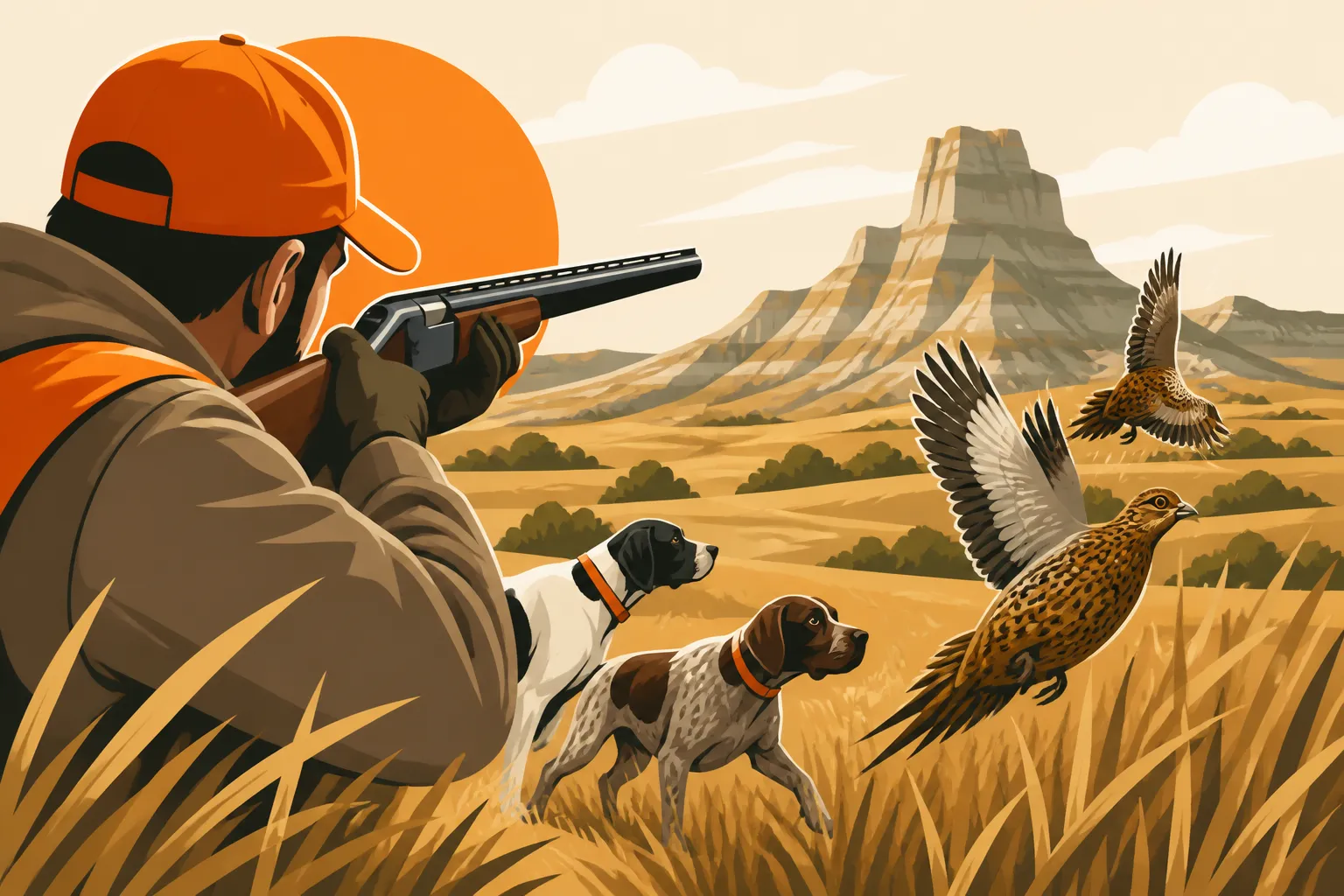
Hunting in South Dakota with a group, especially when you have blockers positioned ahead of the drive, introduces a unique set of safety challenges that every hunter needs to internalize. The adrenaline of flushing pheasants and the excitement of a productive field can quickly overshadow crucial safety protocols if we're not constantly vigilant. This comprehensive guide will walk you through the absolute essentials of muzzle discipline when working with blockers, ensuring everyone goes home safe at the end of the day.
The Non-Negotiable Rules of Muzzle Discipline
When you're out in the field, particularly during a pheasant drive where birds can burst out anywhere and blockers are strategically placed, the standard rules of firearm safety become even more critical. There's zero room for error, no "almosts," and no second chances. Maintaining absolute control over where your muzzle is pointed is the single most important thing you can do to prevent a catastrophic accident.
Every hunter knows the core tenets of gun safety: treat every firearm as if it's loaded, always be sure of your target and what's beyond it, keep your finger off the trigger until you're ready to shoot, and most importantly for this discussion, never point your gun at anything you are not willing to destroy. This last rule is the bedrock of muzzle discipline. When blockers are ahead, "anything you are not willing to destroy" unequivocally includes your fellow hunters.
Think of it this way: your muzzle, at all times, has an invisible laser beam projecting from it. That beam should never cross paths with another person. This isn't just about pointing the barrel directly at someone, but also about swinging through them as you track a bird, or resting your gun in a direction that inadvertently covers them. The responsibility is entirely on you to know where your muzzle is and what it's covering.
Understanding the Danger Zones on a Pheasant Drive
A pheasant drive with blockers introduces dynamic and often unpredictable danger zones. Unlike a stationary deer hunt or a duck blind, a pheasant drive is a moving operation, and people's positions can shift. Understanding these zones is crucial for anticipating risks and maintaining proper muzzle control.
The Forward Zone
The most obvious danger zone is the area directly in front of the line of drivers. This is where your blockers are positioned, often hunkered down, camouflaged, or standing along escape routes to turn birds back into the drivers. Their job is to remain still and allow birds to flush naturally or be pushed toward the guns. Your job as a driver is to ensure your muzzle never, ever points in their direction.
Imagine a line drawn across the field at the furthest point your blockers are positioned. Your muzzle should never break this imaginary line when pointing forward. When a rooster flushes ahead of the line, it's natural to track it, but this is where discipline is tested. If the bird is flying towards or over the blockers, your shot is likely unsafe. The target itself, a bird, is not the only consideration; the background and what lies beyond it – in this case, a human being – are paramount. Before you even shoulder your shotgun, consciously assess if your shot path is clear. It's far better to let a bird go than to risk injuring or killing a friend or family member. This is a primary consideration when performing tasks like Pushing a Cattail Slough With Blockers.
The Sideways Arc and Beyond
It's not just about what's directly in front. As you walk through cover, birds can flush to your left or right, or even behind you. This is where the "sideways arc" danger comes into play. If you swing your shotgun to engage a bird flying left or right, you must be acutely aware of where the other drivers are. Your muzzle should never sweep across another hunter in your line.
This means being mindful of the spacing between hunters and understanding the trajectory of your swing. A quick, uncontrolled pivot can send your muzzle dangerously close to a companion. Practice mounting your gun safely, tracking a hypothetical bird, and stopping your swing before your muzzle points toward another person. This often means limiting your shooting arc to approximately 90 degrees in front of you, though specific field conditions and group sizes might demand an even narrower safe zone. Tools like GoHunt can actually help with this, as their mapping features can give you a better sense of field geometry and where everyone will be positioned, helping you visualize safe shooting lanes before you even step foot in the field.
Practical Applications of Muzzle Discipline in the Field
Knowing the rules is one thing; consistently applying them in the heat of the moment is another. Here are some practical ways to ensure unwavering muzzle discipline during a South Dakota pheasant hunt with blockers.
Carrying Your Shotgun Safely
How you carry your shotgun when not actively shooting is fundamental to safety. There are several safe carry positions, and the best one often depends on the terrain, cover, and how close other hunters are.
- Ready Carry: This is often done with the stock in the shoulder pocket, the muzzle pointed slightly down and forward (never covering your feet or anyone else’s), and your finger off the trigger. This allows for a quick, natural mount, but requires constant awareness of your muzzle direction relative to blockers.
- Trail Carry: Muzzle pointed down and slightly ahead, usually held by the grip with the barrel along your leg. This is generally safer when walking in dense cover where you might trip, as it keeps the muzzle low. Be careful not to let the muzzle get clogged with mud or snow.
- Sling Carry: This is for when you're moving between fields, crossing fences, or when no birds are expected. The gun should be slung in a way that the muzzle is pointed either straight up or straight down, never across your body in a way that could cover another person if you stumble. Ensure the action is open or the safety is on and verified.
Regardless of the carry, if you are walking in a line with blockers ahead, your muzzle should almost always be pointed either towards the ground at a steep angle or safely skyward, away from any person. A good rule of thumb is to keep your muzzle no higher than the top of your boots when carrying, unless you are deliberately holding it high to clear thick brush, in which case it must be pointed safely to the sky. When navigating obstacles or thick cover, consider opening the action and carrying the gun broken or unloaded, especially if you anticipate needing both hands.
The "No Shooting Over Blockers" Rule
This isn't just a suggestion; it's a cardinal rule. When a bird flushes and flies towards or over your blockers, no shot should be taken. Period. The risk of pellets reaching a blocker, even at long range, is too great. Shot spreads, and even a single pellet can cause serious injury, especially to an eye.
This requires quick decision-making and a willingness to pass on a shot. It's common for hunters, especially those new to pheasant drives, to get tunnel vision on a flushing bird. However, your awareness must extend beyond the bird to the entire field, particularly the location of your blockers. If you're using a mapping system like GoHunt, you can set waypoints for where your blockers will be, helping you visualize these no-shoot zones more clearly in your mind's eye. This preemptive planning is a huge advantage for safety.
Even if you believe the bird is far enough past the blockers, or high enough, the potential consequences are too dire to risk. Always err on the side of caution. Let that bird fly. There will be other opportunities. When planning your drives, consider How Many Blockers a Field Needs to optimize safety without sacrificing too much bird containment.
Dealing with Flushes Near the Line
Sometimes, birds will flush very close to the line of drivers. This can be startling and often triggers an instinctive reaction to shoot. Here, muzzle discipline is tested to its maximum.
- Birds flushing directly in front of you: If a bird flushes right at your feet and flies away from the line, this is typically a safe shot, assuming no other hunters are directly in your line of fire downrange. Maintain your muzzle awareness of other drivers as you swing.
- Birds flushing between hunters: If a bird flushes between you and another driver, and flies out safely, make sure your swing doesn't cross your partner's safe zone. Communicate if necessary ("My bird!").
- Birds flushing behind the line: Occasionally, a bird might loop around or flush behind the drivers. Generally, shooting behind the line during a drive is unsafe as drivers are focused forward. Muzzle control is difficult to maintain while turning drastically. It's usually best to let these birds go unless you are absolutely certain of your surroundings and have communicated with your group. This ties into overall Safe Gun Handling on a Bird Drive.
Remember, the goal is to enjoy the hunt safely. No bird is worth jeopardizing someone's life or well-being.
Communication and Group Awareness
Muzzle discipline isn't just an individual responsibility; it's a collective effort supported by clear communication and group awareness.
Pre-Hunt Briefing
Before you even step out of the truck, have a thorough safety briefing. Discuss:
- Layout of the field: Where will drivers be? Where will blockers be? What are the boundaries?
- Shooting zones: Clearly define where it is safe to shoot and where it is not. Reiterate the "no shooting over blockers" rule.
- Hand signals and verbal commands: Establish clear signals for "stop," "bird up," "safe," etc.
- Walking speed: Ensure everyone understands the appropriate Walking Speed That Holds Roosters to maintain a safe, consistent line.
- Emergency procedures: What do you do if there's an injury? Who has a first aid kit?
This briefing ensures everyone is on the same page and understands their role in maintaining safety. Even experienced hunters benefit from these refreshers.
Constant Communication in the Field
Once the drive starts, don't go silent.
- "Blocker!" or "Man ahead!": If you see a blocker shift position or realize you're getting too far ahead, alert others immediately.
- "Swing left/right!": If you see a fellow hunter's muzzle getting dangerously close to another person, speak up calmly but firmly.
- "Bird left/right!": Calling out flushes helps others anticipate, but still, everyone must maintain their own muzzle discipline.
- Maintaining the line: If you fall behind or get too far ahead, communicate. A ragged line creates more unpredictable danger zones.
Table: Safe Muzzle Positions During a Pheasant Drive
Here's a quick reference for safe muzzle positions in various scenarios you might encounter during a South Dakota pheasant drive.
| Scenario | Recommended Muzzle Position | Why It's Safe | Unsafe Muzzle Position (and why) |
|---|---|---|---|
| Walking with no birds up | Muzzle pointed steeply at the ground (feet, boots) or skyward. | Keeps muzzle away from other hunters; ready for a quick mount. | Muzzle pointed forward/horizontally (can cover blockers/drivers) |
| Bird flushes, flying away | Track bird, but stop swing if it crosses another hunter. | Allows for a shot while maintaining awareness of group. | Swinging across another hunter's path (risk of accidental discharge) |
| Bird flying toward/over blockers | Muzzle pointed at the ground or sky, do not track or shoot. | Eliminates risk of shooting a blocker or having pellets reach them. | Tracking/shooting (pellets can travel, even at long range) |
| Crossing a fence or obstacle | Action open, gun broken/unloaded, muzzle pointed down or up. | Prevents accidental discharge if you stumble; confirms gun is safe. | Loaded, action closed, muzzle covering others (high risk of ND) |
| Resting during a break | Muzzle pointed at the sky or safely at the ground, unloaded. | Ensures no accidental pointing at anyone; prevents unsupervised access. | Leaning against a vehicle with muzzle toward group (unstable, unsafe) |
| Talking with group | Muzzle pointed at the ground or sky, action open. | Focus is on conversation, not gun handling; visual confirmation of safety. | Muzzle held casually at hip level (can sweep others as you gesture) |
The Role of Technology and Preparation
In today's hunting world, technology can be a huge asset in promoting safety. Utilizing GPS apps like GoHunt isn't just for finding the best hunting spots or for Scouting South Dakota Public Ground Before the Season; it can be a vital safety tool during a drive.
Before your hunt, use the app to:
- Map your route: Lay out the exact path the drivers will take.
- Mark blocker positions: Place pins where your blockers will be located. This creates visual no-shoot zones.
- Identify terrain features: Note any ditches, hills, or thick cover that might obscure sightlines or make maintaining a straight line difficult. This can help prevent someone from unknowingly getting too far ahead or behind, which could lead to an unsafe muzzle situation. Reading Aerial Imagery for Cattail Cover can highlight areas where visibility might be reduced, demanding even stricter muzzle discipline.
This pre-hunt planning on an app like GoHunt not only boosts your chances of success but significantly enhances the safety briefing by providing a visual aid for everyone involved. It reinforces the concept of defined shooting lanes and no-go zones, leading to a much safer hunting experience.
Final Thoughts on Responsible Hunting
Muzzle discipline with blockers ahead is more than just a set of rules; it's a mindset. It's about constant vigilance, respect for your firearm, and an unwavering commitment to the safety of your hunting partners. The thrill of a flushing pheasant is unmatched, but it should never come at the expense of human safety.
Every time you step into the field, you carry not just a shotgun, but a profound responsibility. Take the time to brief your group, utilize tools like GoHunt for planning, and ingrain proper muzzle habits until they are second nature. This dedication ensures that every South Dakota pheasant hunt creates cherished memories, not tragic regrets.
Disclaimer
Hunting carries inherent risks, and safety should always be the top priority. This guide provides general information and best practices for muzzle discipline during a pheasant drive with blockers. Always consult and adhere to all local, state, and federal hunting regulations, and consider seeking professional firearms safety training. The information provided here is not a substitute for proper training or personal judgment in the field.