South Dakota Pheasant Hunting Tactics for the Opener
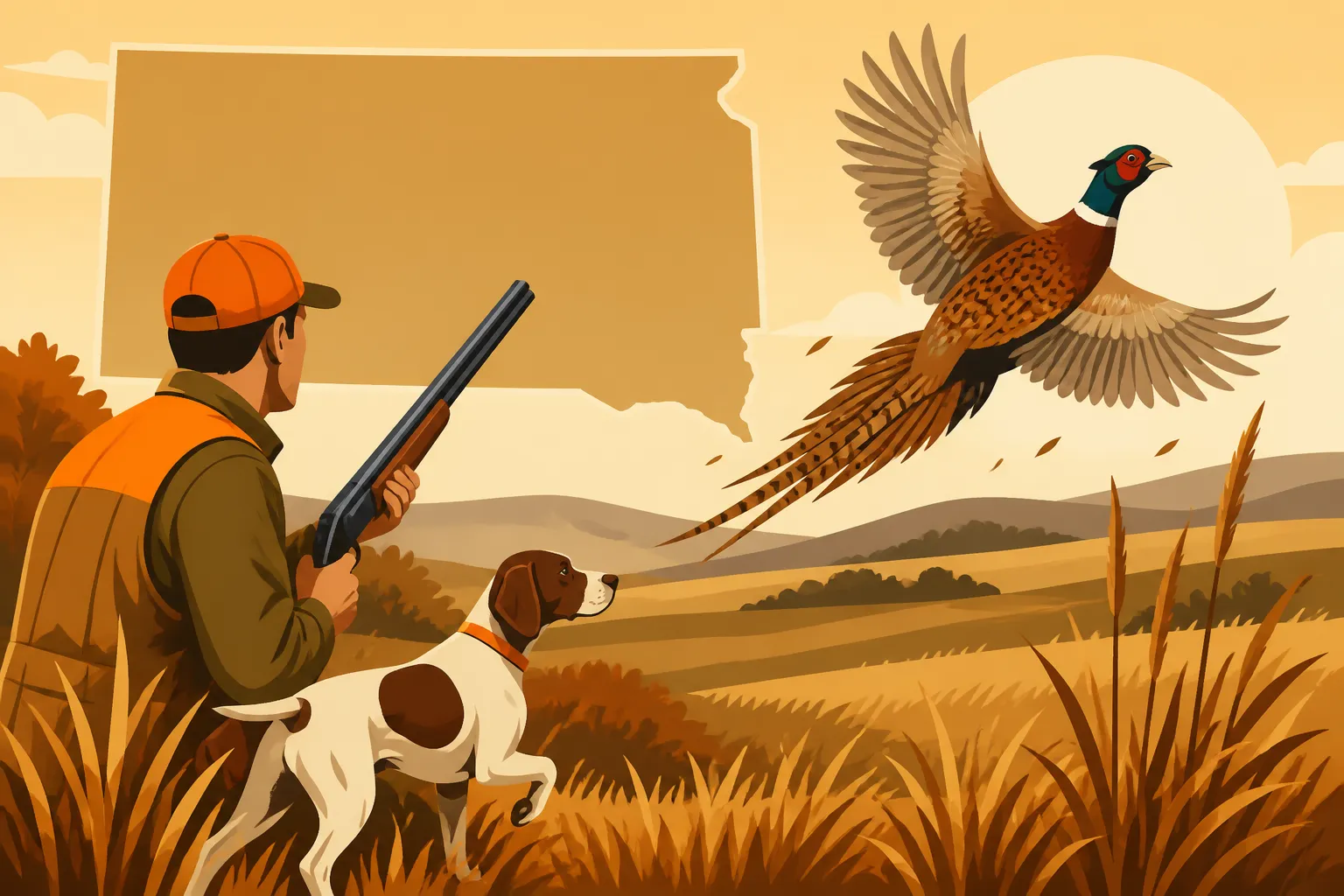
Ah, the South Dakota pheasant opener. There’s nothing quite like the crackling anticipation in the air, the scent of crisp prairie grass, and the sheer joy of watching a good dog work. But let’s be honest, it can also be a madhouse. Crowded public lands, running birds that outsmart even the most seasoned hunters, and weather that can swing from balmy to biting in a single afternoon – it’s enough to make you wonder if you’ll ever fill your limit. This comprehensive guide is here to cut through the chaos, offering detailed strategies and insights to help you navigate the unique challenges of opening weekend and put more pheasants in your vest.
Understanding the South Dakota Pheasant Opener Dynamics
The South Dakota pheasant opener is more than just a date on the calendar; it's an event, a tradition, and for many, the highlight of their hunting year. But with that excitement comes a unique set of circumstances that seasoned hunters learn to anticipate and adapt to. If you go in thinking it's just another hunting day, you're likely to be disappointed.
The Electric Atmosphere and Early Season Pressure
The energy on opening weekend in South Dakota is palpable. Small towns swell with hunters, cafes buzz with stories, and every gravel road seems to have a truck pulling a dog trailer. This high human and canine traffic creates a dynamic that profoundly affects bird behavior. Pheasants, naturally wary creatures, become even more skittish. They've spent all summer relatively unbothered, perhaps dodging the occasional hawk or coyote, but nothing prepares them for the sheer volume of boots on the ground and dogs in the cover.
What does this mean for your hunt? For starters, birds that might hold tight later in the season are far more likely to run the minute they detect approaching danger. They'll use every ditch, every patch of thick weeds, and every low spot to escape rather than flush, often leading hunters on frustrating chases. You'll often find that the first birds encountered might hold better, having not yet been pressured, but as the day wears on and the pressure builds across the landscape, they become incredibly adept at evading hunters. It’s not uncommon to push a beautiful cattail slough only to have birds break out the back long before you get close, or to see roosters running in the road ditch ahead of your vehicle, heading for the next county. Understanding the broader context of the South Dakota pheasant season and licences will help you plan your trips.
Weather Conditions and Their Impact on Birds
Opening weekend weather in South Dakota is notoriously unpredictable, and it plays a massive role in how pheasants behave. You might start your hunt in crisp, cool air perfect for dogs, only to have temperatures soar into the 70s by midday, or a sudden cold front sweep through bringing wind and even a touch of rain. Each scenario demands a different approach.
Warm, dry conditions are perhaps the most common for the opener. While pleasant for hunters (initially, anyway), they present challenges. Dogs can overheat quickly, especially in dense cover, and scenting conditions can be poor, making it harder for dogs to pinpoint birds. Furthermore, pheasants in warm weather are often scattered and seeking shade or water. They might be concentrated near stock dams or ephemeral puddles, making these areas worth checking. Conversely, if a cold front pushes through with high winds, birds will seek dense, protected cover like deep cattail sloughs or thick shelterbelts to escape the elements. The wind also carries human and dog scent further, making birds even more prone to running. It’s a delicate balance, and your ability to read the conditions and adapt your tactics can be the difference between a full vest and an empty one. Don't forget the importance of keeping a dog cool on an early opener.
Scouting and Pre-Season Preparation for Success
You wouldn't head into a major battle without reconnaissance, and the pheasant opener is no different. The more you know about the ground you plan to hunt and the birds that might call it home, the better your chances of success. This isn't just about showing up; it's about smart, calculated effort before you even step foot in the field.
E-Scouting and Aerial Imagery Analysis
In today's world, pre-season scouting doesn't always require boots on the ground, especially if you're traveling from a distance. E-scouting, using online mapping tools and aerial imagery, has become an indispensable part of any serious hunter's strategy. Platforms like GoHunt mapping are fantastic for this, allowing you to meticulously dissect potential hunting areas from the comfort of your home.
Start by identifying public access areas, such as Walk-In Areas (WIAs) or Game Production Areas (GPAs). These are clearly marked on most hunting apps. Once you've pinpointed a few promising spots, dive into the aerial imagery. Look for key habitat features:
- Cattail Sloughs: These appear as dense, often dark green or brown, linear or amorphous patches, typically associated with low-lying areas or drainages. They are absolute magnets for pheasants, offering dense thermal and escape cover.
- CRP (Conservation Reserve Program) Fields: These are often identified by their uniform grassy appearance, sometimes with distinct boundaries within larger agricultural fields. Look for areas with diverse grass types, not just monocultures, as better habitat offers better bird holding potential.
- Shelterbelts and Tree Rows: These linear features provide essential cover, especially for running birds. Note their density and connection to other cover.
- Food Sources: Identify corn fields, milo, or other grain crops, especially those adjacent to thick cover. Birds need to feed, and these transition zones are prime hunting areas.
- Water Sources: Ponds, sloughs, and even drainage ditches can concentrate birds, particularly in warm, dry weather.
Pay close attention to how these cover types connect. Pheasants will often move between feeding areas, loafing cover, and heavy escape cover. Identifying these travel corridors or "funnels" can give you a significant advantage. The more time you spend reading aerial imagery for cattail cover and other features, the better you’ll become at predicting where birds will be.
Identifying Key Habitat Types on Opening Day
While e-scouting provides a fantastic baseline, nothing beats understanding the various habitat types and how pheasants use them, particularly on opening day. Remember, pheasants are experts at exploiting the thickest, nastiest cover available, especially when pressured.
- Cattail Sloughs: These are your bread and butter, especially for holding birds that have been bumped from lighter cover. On opening day, with ample pressure, roosters will dive into the thickest cattails and stay put. They offer both thermal cover and excellent protection from predators and hunters. Plan to work these slowly and thoroughly, making sure your dogs penetrate deep into the vegetation. Remember, these birds aren't just hiding; they're dug in.
- Dense Grass and CRP: Not all grass is created equal. Look for switchgrass, big bluestem, or other tall, stiff grasses that provide vertical cover and make it difficult for birds to run. Early season, these can hold a lot of birds, especially in the mornings before pressure builds. Work these fields with good dog control, ensuring your dogs sweep through effectively.
- Food Plots and Corn Edges: Pheasants are drawn to food, and harvested cornfields, especially those with standing strips or adjacent food plots, are crucial. In the early morning, birds might be feeding in these areas. As the day progresses, they'll often move to the edges where the food meets heavy cover, providing a quick escape. These areas can be excellent for a strategic drive.
- Shelterbelts and Tree Rows: These linear strips of trees and shrubs provide vital cover and travel lanes. Birds will run these shelterbelts, so understanding how to block the ends and push them efficiently is key. They offer surprisingly dense cover, particularly the undergrowth and fallen branches, that can hide a running rooster.
Knowing how to differentiate and effectively hunt these various types of habitat will dramatically increase your success. Each requires a slightly different approach, but the common denominator is always thoroughness and understanding bird escape behavior. Learning about cattail sloughs as winter cover will also give you insights into their year-round importance.
Strategies for Working Different Cover Types Effectively
Okay, you've done your homework, you've identified promising areas, and you're out there on opening morning. Now what? The actual execution of your hunt, tailored to the specific cover you're facing, is where the rubber meets the road. There’s no one-size-fits-all approach, and flexibility is your best friend.
Pushing Cattail Sloughs and Heavy Cover
Cattail sloughs are legendary for holding pheasants, particularly when birds are pressured. But they can also be incredibly frustrating if not worked correctly. Pheasants in heavy cover don't just sit there; they run, often at incredible speeds, using the dense vegetation to their advantage. Effective slough hunting is a team sport, ideally with a mix of drivers and blockers. To truly learn more, check out our guide on pushing a cattail slough with blockers.
Here’s a breakdown:
- Assess the Slough: Before entering, take a moment to understand its shape, size, and where the birds are most likely to exit. Look for thinner spots, connecting cover, or open fields where a rooster might burst out.
- Position Blockers: This is absolutely critical. Place your most patient, steady shooters (your "blockers") at the downwind end of the slough, or along any obvious escape routes. They need to be concealed and ready for fast-flying birds. Don’t place them too close; pheasants need room to feel comfortable enough to flush instead of running the entire length.
- Start the Drive: The drivers, along with their dogs, enter the slough from the opposite end. The key here is a slow, methodical pace. Think "shuffling" rather than "striding." This slow pace allows your dogs to work thoroughly and gives birds less incentive to run ahead of you. If you move too fast, birds will simply sprint out the other end, bypassing your blockers.
- Maintain a Line: Drivers should maintain a relatively even line, covering the width of the slough. Communication is key – use hand signals or soft whistles to keep everyone aligned. Dogs should be working hard, quartering back and forth, pushing through the thickest cover.
- Anticipate the Flush: As you near the end of the slough, or if a bird has been running for a while, be prepared for an explosive flush. Roosters often hold until the very last minute, then rocket out. This is where your blockers earn their keep, and drivers need to be ready for birds that flush back over the line or peel off the sides.
It's physically demanding work, especially in dense cattails, but the reward of a cackling rooster flushing just feet away is pure gold.
Hunting Grass Strips and CRP Fields
Grass strips and CRP fields offer different challenges and opportunities. They might not be as dense as cattails, but they provide excellent hiding places and often hold surprising numbers of birds, especially in the morning when they might be feeding or loafing before retreating to heavier cover.
- Grid Patterns for Wider Fields: For larger, squarish CRP fields, a grid pattern can be effective. Hunters and dogs walk parallel lines, sweeping the field systematically. This ensures thorough coverage and reduces the chance of leaving birds behind. The spacing between hunters depends on the cover density and dog range, but typically 20-40 yards apart works well.
- Zigzagging for Narrower Strips: For long, narrower strips of grass, especially those bordering ditches or crop fields, a zigzagging pattern is highly effective. Hunters (and dogs) walk diagonally across the strip, then turn and walk diagonally back in the opposite direction. This helps push birds out rather than allowing them to run the length of the strip. Many hunters find that zigzagging a grass strip for birds leads to more flushes.
- Work the Edges: Pheasants often gravitate to the edges of these fields, especially where they meet other cover or roads. These transition zones are high-traffic areas for birds moving in and out of the field. Pay extra attention to these edges.
- Wind is Your Friend: Always try to work these fields into the wind. This allows your dogs to pick up scent more effectively and gives you an advantage in anticipating where birds might flush from. A rooster flushing into the wind will fly slower and offer a better shot opportunity.
Be methodical, be patient, and trust your dogs. They’ll often tell you where the birds are, even if you can’t see them.
Approaching Food Plots and Corn Edges
Food plots and standing corn offer critical sustenance for pheasants, especially in the early season. Understanding how birds use these areas is key to effective hunting.
- Morning Tactics: Early in the morning, pheasants will often be in the food plots themselves, or just on the edges of standing corn, actively feeding. This can be a prime time for strategic hunting. If the plot is small, a quick, quiet approach with dogs might yield flushes. For larger plots or cornfields, consider a slow drive similar to how you’d work a slough, paying close attention to the transition zones where the plot meets denser cover.
- Midday Movement: As the sun gets higher and hunting pressure increases, birds will often retreat from exposed food sources into the heaviest cover nearby. However, they might still be found loafing in the shadier, denser parts of a standing cornfield. Consider working food plots at midday when other areas are quiet.
- Working the Edges: The interface between a cornfield (especially standing corn) and a grass waterway, a fence line, or a dense fencerow is a high-traffic area. Roosters will often run these edges, looking for an escape. Place blockers at the ends of these linear features and work them slowly with drivers and dogs. Be mindful that birds in corn rows and running roosters can be particularly challenging.
- Safety First in Standing Corn: When hunting standing corn, visibility is severely limited. Safety is paramount. Always know where your hunting partners are. Maintain a strict line, communicate verbally, and ensure that every shot taken is with a clear backdrop, free of other hunters or dogs. Fluorescent orange hats are non-negotiable here.
By understanding the daily rhythm of pheasants around food sources, you can time your hunts to maximize your chances, making sure you’re there when the birds are.
The Critical Role of Hunting Dogs on Opening Day
Let’s be real, pheasant hunting without a good dog is like trying to enjoy a steak without a fork – it’s just not right. Dogs are not merely companions; they are indispensable tools, elevating the experience and dramatically increasing your success rate, especially on opening day. But with the excitement of the opener, it's easy to push your dog too hard or forget about their needs.
Optimizing Dog Performance and Safety
The South Dakota opener often greets hunters with surprisingly warm temperatures, sometimes well into the 70s or even 80s Fahrenheit. These conditions, combined with the dense cover and the sheer adrenaline of the hunt, can quickly take a toll on your canine partner. Neglecting their well-being isn't just irresponsible; it diminishes their performance and puts them at serious risk.
- Hydration is Non-Negotiable: Carry ample water for your dog, more than you think you’ll need. Offer water frequently, even if they don't seem thirsty. Dehydration can happen rapidly in warm weather, leading to heat exhaustion. A collapsible bowl is a must-have item in your vest. Knowing about dog water and burrs on the prairie is essential.
- Manage Heat and Energy: Don't push your dog beyond its limits. If they're panting excessively, slowing down, or showing signs of discomfort, give them a break in the shade. Rotate dogs if you have more than one. Schedule rest periods, especially during the warmer midday hours. Hunting in the morning and late afternoon often offers cooler temperatures and more active birds.
- Paw Protection: The prairie can be tough on paws. Foxtails, sand burrs, and abrasive ground can cause cuts and soreness. Consider using paw balm or even dog boots if your dog has sensitive pads or if the terrain is particularly harsh. Inspect their paws regularly for any issues.
- Burr Patrol: South Dakota is synonymous with burrs – cockleburs, sand burrs, beggars-ticks. These can quickly mat a dog's coat, cause discomfort, and even lead to skin irritation. Carry a comb or brush and frequently check your dog, especially after working dense cover. Pay close attention to ears, armpits, and leg feathering.
- First Aid Kit: Always carry a basic dog first aid kit. This should include antiseptic wipes, gauze, vet wrap, tweezers (for burrs), and any specific medications your dog might need. Accidents happen, and being prepared can make a huge difference.
A happy, healthy dog is an effective dog. Prioritizing their safety and comfort ensures they can perform at their best and enjoy the hunt as much as you do.
Pointing Dogs Versus Flushers: Best Opener Practices
The debate between pointing dogs and flushing dogs is a long-standing one, and for the South Dakota opener, both have their distinct advantages and ideal scenarios. The "best" choice often comes down to personal preference, the type of cover you're hunting, and your hunting style. Our guide on pointing dogs versus flushers on wild birds explores this in depth.
-
Pointing Dogs (e.g., German Shorthaired Pointers, Brittanys, English Pointers):
- Advantages: A pointing dog brings a certain elegance to the hunt. They methodically work cover, lock up on scent, and hold birds in place, allowing hunters to position themselves for a shot. This can be especially effective in more open grass or lighter cover where birds might run. For hunters who enjoy a more controlled flush and careful shot setup, a pointer is invaluable. Their ability to pinpoint a hidden bird can turn a seemingly empty field into a productive one.
- Opener Application: In the early season, when birds might be less inclined to hold perfectly due to pressure, a pointer’s ability to "creep" or "relocate" can be crucial. They can follow a running bird for a short distance, continually locking up until the bird is cornered or decides to flush. This takes a well-trained dog with good bird sense.
- Challenges: In extremely dense cattails, a pointer might struggle to physically penetrate the thick cover to get close enough to a running bird, or the bird might sneak away while the dog is on point. There's also the temptation for less experienced dogs to break point if the bird runs.
-
Flushing Dogs (e.g., Labrador Retrievers, English Springer Spaniels, Boykin Spaniels):
- Advantages: Flushers are all about action. They enthusiastically plunge into heavy cover, working to find and flush birds, often with explosive force. This is particularly effective in dense cover like cattail sloughs or thick shelterbelts, where a bird might otherwise sit tight or run. Labradors, in particular, are also excellent retrievers, minimizing lost birds.
- Opener Application: When you're pushing heavy cover with a team of hunters, a good flusher is a bulldozer. Their relentless drive and ability to push through the thickest stuff force birds into the air, often right into the shooting lanes of waiting blockers. They excel at rooting out those stubborn roosters that just don't want to fly.
- Challenges: The downside is less control over the flush. Birds might flush wildly, out of range, or at an unexpected angle. For solo hunters or small groups, managing a flusher to ensure safe shooting lanes can be more challenging.
Many successful opening day groups will utilize a mix of both pointing and flushing breeds, leveraging the strengths of each to cover different types of habitat and bird behaviors throughout the day.
Team Tactics and Hunter Positioning for More Birds
Pheasant hunting, especially on the opener, is often most effective as a team effort. A well-coordinated group of hunters, working in sync with their dogs, can cover more ground, minimize escape routes, and maximize shot opportunities. It’s about more than just walking in a line; it’s about strategy and anticipation.
Effective Driving Formations and Communication
Imagine trying to herd a dozen wild, wary pheasants out of a football field-sized patch of dense cover with no plan – it would be chaos! That’s why effective driving formations and crystal-clear communication are so vital. Whether you're hunting a small grass strip or a sprawling CRP field, a structured approach significantly ups your odds. Our guide on how many blockers a field needs can provide more context.
- The Line Drive: This is the most common formation. Hunters, spaced appropriately (usually 20-40 yards apart depending on cover and visibility), walk in a straight line, sweeping across a field. Dogs work ahead of the line, quartering back and forth.
- Key to Success: Maintain a consistent walking speed. The slowest hunter or dog sets the pace. Resist the urge to sprint ahead if you see a dog on point or a bird running; maintaining the line is more important.
- Communication: Use simple, clear commands or hand signals. "Hold the line," "Bird up," "Runner!" are essential. In heavier cover, verbal communication might be necessary, but keep it concise and loud enough for your immediate group to hear.
- The "U" or "Horseshoe" Drive: For wider, more open fields, or when you know birds are likely to skirt the edges, a "U" shape can be effective. The hunters on the outside edges walk slightly ahead, or the entire line curves, effectively pinching birds toward the center or a designated escape route where blockers are waiting.
- Key to Success: The "corners" of the U are critical. These hunters need to be diligent about pushing birds inward, preventing them from squirming out the sides.
- Communication: Even more important here. The group needs to know the desired shape and adjust their pace and angle accordingly to maintain it.
- Blocking is Crucial: No drive is complete without blockers. These are hunters positioned at the downwind end or along critical escape routes (like adjacent cattails, ditches, or roads). Their job is to intercept birds that run or flush out the back of the driven cover.
- Concealment: Blockers should be hidden as much as possible, behind a fence post, in a ditch, or among some brush. Pheasants have excellent eyesight.
- Patience: Blockers need to be patient. Birds might flush in a flurry, or they might trickle out one by one over several minutes. Stay ready.
Remember, a well-executed drive is like a choreographed dance. Everyone needs to know their part, trust their partners, and prioritize safety above all else.
Anticipating Rooster Escape Routes
This is where experience and a keen understanding of pheasant behavior truly pay off. Roosters, especially pressured ones, are masters of evasion. They rarely just sit still and wait to be flushed. They will run, sneak, and exploit every piece of cover to escape detection. Learning why birds run instead of flush is vital for anticipating their next move.
- Linear Cover is a Highway: Pheasants love linear features like fencerows, shelterbelts, and drainage ditches. When pressured, they will often run these lines, using the cover for concealment, rather than flushing. If you're driving parallel to such a feature, expect birds to run down it. Position a blocker at the end of that line, or have a hunter peel off to work it.
- Connecting Cover: Birds will almost always head for the heaviest, thickest cover they can find. If you're driving a grass field adjacent to a large cattail slough, you can bet that any running bird will try to make it to that slough. Position blockers to intercept them before they reach the safety of the new cover.
- Downwind Advantage: Birds typically prefer to flush into the wind, as it aids their takeoff. However, when running, they'll often run downwind to put distance between themselves and the threat, only flushing when cornered or forced. Understanding the wind direction can help you predict escape routes.
- The "Backdoor" Escape: Never underestimate a rooster's ability to circle back. If your line isn't tight or there are gaps, a wily rooster might double back, running right behind your drivers to escape out the side or back of the field. This is why maintaining a tight, consistent line is so important.
- Flushing Back Over the Line: Even with the best planning, some birds will flush back over the line of drivers. Be prepared for these shots, always being mindful of where your hunting partners and dogs are. Shouting "Bird back!" is crucial.
By constantly thinking like a pheasant – "If I were a rooster, where would I go?" – you can dramatically improve your ability to anticipate escape routes and place your hunters and dogs in the best positions for success. This mental chess match is one of the most exciting parts of pheasant hunting.
Essential Gear and Logistics for a Smooth Opener
You've got the tactics down, the dogs are ready, and your team is primed. Now, let's talk about the practical side of things. Having the right gear and handling the logistics smoothly can make your opener comfortable, safe, and successful. Don't let a minor oversight ruin an otherwise perfect hunt.
Shotgun and Ammunition Choices
Selecting the right shotgun and ammunition for South Dakota pheasants is crucial. These birds are notoriously tough, and opening day birds are often strong, fast flyers.
- Shotgun Gauge: While 12-gauge is by far the most popular choice due to its versatility and payload, 20-gauge shotguns are also excellent, especially for those who prefer a lighter gun or recoil. Modern 20-gauge loads with dense shot patterns are very effective. Even a 16-gauge or 28-gauge can be effective in the hands of a skilled shooter, though ammunition might be harder to find.
- Action Type: Semi-automatics, pumps, and over-unders/side-by-sides all have their place. Semi-autos offer reduced recoil and a faster follow-up shot. Pumps are reliable and robust. Break-action guns are elegant and allow for quick changes between different chokes or loads, but offer fewer shots. Choose what you're comfortable and proficient with.
- Choke Selection: For the opener, with potentially closer flushing birds and heavier cover, modified or improved cylinder chokes are often preferred for the first shot. If you anticipate longer shots or are primarily a blocker, a full choke might be beneficial for your second barrel. Many hunters use an improved cylinder/modified combination in a double gun, or a modified choke in a single barrel.
- Ammunition: This is where many debates start! For pheasants, you want a load with sufficient knockdown power.
- Shot Size: No. 5 or No. 4 lead shot are the most common and effective choices. No. 6 shot can work at closer ranges but might lack the punch for longer shots or tougher birds. Steel shot, if required (e.g., on Waterfowl Production Areas), should be chosen in larger sizes like BB or 2, as steel is lighter and less dense than lead.
- Shot Weight: 1 1/4 oz (12-gauge) or 1 oz (20-gauge) loads are standard. High-velocity loads can be beneficial for those fast-flying opening day birds.
- Shell Brand: Stick with reputable brands that produce consistent patterns. Always pattern your shotgun with your chosen ammunition before the season to understand its performance.
Don't skimp on ammunition quality. A few extra dollars on good shells can make the difference between a clean kill and a lost bird.
Dressing for Success and Comfort in Variable Conditions
South Dakota weather is famously unpredictable. You can start the morning bundled up, shed layers by noon, and be reaching for a rain jacket by mid-afternoon. Proper layering and appropriate outer gear are essential for comfort and safety.
- Base Layers: Start with moisture-wicking base layers (merino wool or synthetic). These pull sweat away from your body, keeping you dry and preventing chills. Avoid cotton, which absorbs moisture and stays wet.
- Mid-Layers: A fleece or light insulated jacket provides warmth. This layer can be easily added or removed depending on temperature fluctuations.
- Outer Layer: Your outer shell needs to be durable, briar-proof, and blaze orange.
- Briar Pants/Chaps: Invest in good quality briar-proof pants or chaps. The dense cover pheasants live in will rip lesser materials to shreds and scratch your legs mercilessly. Brands like Filson, Orvis, and Browning offer excellent options.
- Blaze Orange: South Dakota law requires a certain amount of blaze orange visible above the waist during pheasant season. A blaze orange vest or jacket, plus a hat, is standard. This is critical for safety, especially when hunting in a group.
- Water/Wind Resistance: A windproof and water-resistant outer layer is a lifesaver. Even if it’s sunny, the wind on the prairie can be biting, and a sudden shower can soak you to the bone.
- Footwear: Comfortable, waterproof, and supportive boots are paramount. You’ll be doing a lot of walking, often through wet grass, mud, or uneven terrain. Choose boots with good ankle support and aggressive tread. Break them in well before the season to avoid blisters.
- Gloves and Hat: A brimmed hat (blaze orange!) keeps the sun out of your eyes and provides a small measure of protection. Light gloves can protect your hands from briars and cold.
Properly layering for South Dakota wind is key to staying comfortable throughout the day. It’s better to have too many layers you can shed than not enough when the temperature drops. Consider what GoHunt might recommend for comfortable and durable hunting apparel based on current trends and hunter feedback.
Field Care, Game Transport, and Legalities
The hunt isn't over until your birds are properly cared for and legally transported. Neglecting these steps can lead to spoiled meat or legal trouble.
- Immediate Field Care: As soon as you retrieve a bird, dispatch it humanely if necessary. Many hunters then "bleed out" the bird by pulling off its head or making a cut in the neck to improve meat quality. While not strictly necessary, it's a good practice.
- Cooling the Birds: This is paramount, especially on a warm opener. Pheasant meat can spoil quickly. Get the birds out of direct sunlight as soon as possible. Many hunters carry a game vest with a large, ventilated game bag to allow air circulation. A cooler with ice packs in the truck is ideal. Never pile birds in a hot truck bed. Our guide on cleaning pheasants in the field offers more details.
- Tagging and Limits: South Dakota has daily bag limits (typically 3 roosters on opening weekend for non-residents) and possession limits (typically 15 roosters). Know these limits cold. Each bird must be tagged or identifiable as to species and sex until you reach your permanent residence or place of lodging. The head or one fully feathered wing must remain attached. This rule is designed to ensure game wardens can confirm legal harvest.
- Transport Home: When transporting birds across state lines, ensure you comply with the laws of both South Dakota and your home state. Generally, birds must be packaged properly, clearly labeled, and within the legal possession limit. Freezing birds solid before transport is always a good idea for longer trips. If you're using a processor, ensure they understand the tagging and transport rules.
By handling these logistics diligently, you ensure your hard-earned pheasants make it to the dinner table in prime condition and that your hunt remains entirely legal.
Respecting the Land and Fellow Hunters
The South Dakota pheasant opener, for all its excitement, can sometimes feel like a free-for-all, especially on popular public lands. But maintaining proper etiquette and respect for both the land and other hunters is paramount. We're all out there to enjoy the same experience, and a little courtesy goes a long way.
Navigating Public Land Etiquette
South Dakota offers an incredible amount of public hunting access, notably through its Walk-In Area (WIA) program and Game Production Areas (GPAs). These are invaluable resources, but their popularity, especially on opening weekend, means you're almost guaranteed to encounter other hunting parties. Good pheasant hunting etiquette on public ground is crucial to avoid conflict and ensure everyone has a positive experience.
- Give Space: This is the golden rule. If you arrive at a public access point and see another vehicle, especially if it's already parked where the best cover starts, don't just pile in right behind them. Find another area. There's plenty of ground in South Dakota. Crowding another party not only reduces their chances but also spreads the birds out, making it harder for everyone. Try to maintain at least a quarter to half-mile distance, if possible, especially on the opener.
- Respect Parking: Park courteously. Don't block gates, access roads, or turnarounds. Leave plenty of room for other vehicles to navigate. Be mindful of farmers' access points.
- Know the Boundaries: Use your mapping apps (like GoHunt) to clearly identify public land boundaries. Do not trespass, even if a bird lands on private property. Retrieve downed game legally, which often means getting explicit permission from the landowner before retrieving.
- Share the Resource: If you do encounter another hunting party in the field, a friendly wave or a brief, polite chat can go a long way. You might even find common ground and share information. Avoid aggressive or confrontational behavior. We’re all guests on this land.
- Clean Up Your Act: Pack out everything you pack in. This includes empty shell casings, food wrappers, and any other trash. Leave the land cleaner than you found it. This respects the landowners who allow access (especially on WIAs) and ensures the privilege continues.
By following these simple guidelines, you contribute to a positive hunting culture and help preserve access for everyone.
Building Relationships with Landowners
While public land offers abundant opportunities, private land access can be the key to truly exceptional hunting, especially after the initial rush of the opener. Many of South Dakota's best pheasant grounds are privately owned. Building relationships with landowners is an art form, requiring respect, honesty, and a willingness to offer a helping hand. To truly understand how to approach landowners, read our guide on asking a South Dakota landowner for permission.
- Timing is Everything: Don't show up on opening morning expecting to get permission. Most landowners are either hunting their own ground or dealing with family and friends. Start building relationships before the season, well in advance. Late summer or early fall, before the harvest begins, can be a good time to make initial contact.
- Be Respectful and Polite: When approaching a landowner, be impeccably polite. Introduce yourself, explain why you’re there (to ask for hunting permission), and be ready to accept "no" gracefully. A simple "Sir/Ma'am, my name is [Your Name], and I was wondering if you ever allow pheasant hunting on your land?" is a good start.
- Offer to Help: Farming is hard work. Offer to help with chores – fixing fence, moving hay, anything that might be needed. Even if your offer isn’t taken, the gesture shows you value their time and land.
- Leave Your Contact Information: Leave a card or a written note with your name and phone number, even if you don't get immediate permission. Sometimes, a landowner might consider it later or pass it along to a neighbor.
- Follow Through on Promises: If you get permission, adhere strictly to any conditions they set (e.g., specific dates, areas to hunt, number of hunters). Never drive off-road unless explicitly allowed. Close all gates.
- Show Gratitude: If you successfully hunt their land, always follow up with a thank you. A handwritten card, a small gift (like a case of soda, a gift certificate to a local restaurant, or even some cleaned pheasant breasts from your hunt), or simply stopping by to express your appreciation goes a long way. This builds goodwill and increases your chances for future access.
- Be a Good Neighbor: If you hunt near their property, be mindful of their livestock and homes. Avoid shooting toward buildings or pastures. Report anything suspicious you might see on their land.
Remember, landowners are granting you a privilege, not an entitlement. Treat their land and their generosity with the utmost respect, and you might just forge a lasting relationship that opens up incredible hunting opportunities.
| Tactic Category | Best Cover Type(s) | Ideal Group Size | Dog Type Recommended | Key Considerations |
|---|---|---|---|---|
| Line Drive (Slow) | Dense Cattail Sloughs, Thick Shelterbelts, Heavy CRP | 4-6+ hunters | Flushers, strong pointers | Slow, methodical pace; crucial blockers at ends; clear communication. |
| Zigzag Sweep | Narrow Grass Strips, Smaller CRP Fields | 2-4 hunters | Pointers, flushers | Maintain pattern to push birds out; work into the wind; focus on edges. |
| Corner/Edge Push | Food Plots, Corn Edges, Field Borders | 3-5 hunters | Pointers, flushers | Early morning/late afternoon; anticipate running birds along edges. |
| Walk & Stalk (Solo) | Small, isolated patches of cover, ditches | 1-2 hunters | Pointers, close-working flushers | Quiet approach; maximize dog's scenting; be ready for quick flushes. |
| Blocking Stations | Any cover with defined escape routes (ditches, fences) | 1-2 hunters (blockers) | N/A | Patience, concealment, clear shooting lanes; intercept running birds. |
Disclaimer
The information provided in this guide is for general informational purposes only. Hunting regulations and conditions can change rapidly. Always consult the most current South Dakota Game, Fish and Parks (GFP) hunting regulations and official publications before heading into the field. Ensure you possess all necessary licenses and stamps, and always prioritize safety, ethical hunting practices, and respect for landowners and fellow hunters. We are not responsible for any incidents, accidents, or legal issues that may arise from the use of this information.