Keeping a Dog Cool on an Early Opener
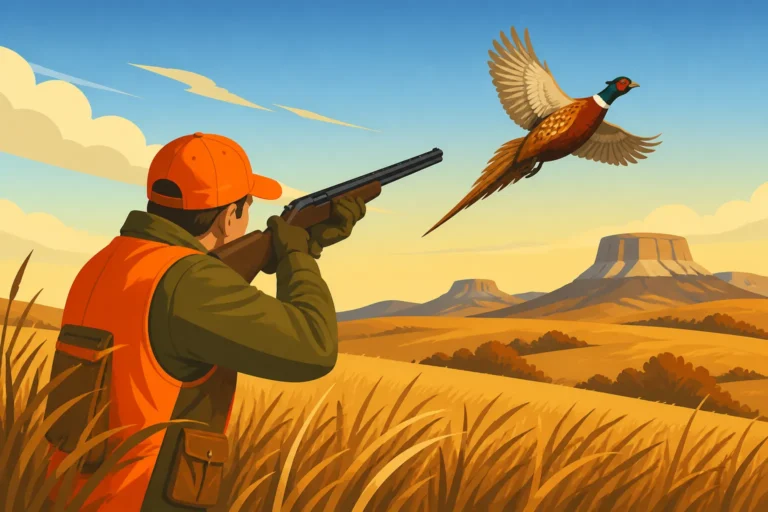
The early pheasant opener in South Dakota can be an absolute blast, a tradition many of us cherish. But let's be real, those late October or early November days can surprise you with unseasonably warm temperatures, often soaring into the 60s or even 70s. For us hunters, it might mean shedding a layer, but for our beloved canine partners, it can quickly turn into a dangerous situation. Our dogs, especially those high-drive bird dogs, are working their hearts out, and they don't have the same cooling mechanisms as we do. This guide is all about equipping you with the knowledge and strategies to keep your dog safe, cool, and healthy on those unexpectedly warm early season hunts, ensuring everyone can enjoy the experience without ending up in a veterinary emergency.
Understanding the Risks of Early Season Heat for Your Hunting Dog
It’s easy to get caught up in the excitement of the first day of pheasant season. The crisp morning air might lull you into a false sense of security, thinking the heat won't be an issue. But as the sun climbs and your dog starts working hard, those temperatures can become a real threat. Our dogs aren’t just running; they’re using their incredible sense of smell, pushing through dense cover, and often covering miles more ground than we do. This intense physical exertion combined with rising temperatures creates a perfect storm for heat-related illnesses.
Why South Dakota's Early Opener is Deceivingly Dangerous
South Dakota in late October can be a mixed bag. One day it's frosty, the next it feels like late summer. The early opener often starts with a cool morning, maybe even a touch of frost on the ground, but by 10 AM, when hunting can legally begin for pheasants, that sun can be intense. The air warms up fast, and the ground, especially exposed dirt roads or stubble fields, can radiate heat. Your dog's natural fur coat, which is a blessing in January, becomes a furnace in October. Unlike humans who sweat across their skin, dogs primarily cool themselves through panting. When they’re panting heavily from exertion, their ability to shed heat can quickly be overwhelmed by high ambient temperatures and humidity.
Imagine your dog, a tireless English springer or a focused German shorthaired pointer, crashing through a thick cattail slough or traversing vast expanses of CRP grass. The sheer joy and instinct drive them relentlessly, often to their own detriment. They won't stop until they literally can't go another step, ignoring their body’s cries for a break. This high drive, coupled with their physiological limitations, means that even a moderate temperature in the 60s can be dangerous if the humidity is high or if they're working intensely for extended periods without adequate breaks and water. This is why vigilance is crucial, and anticipating the potential for heat stress is your most important tool as a dog owner.
Recognizing the Early Warning Signs of Heat Stress
Being able to read your dog’s body language and recognize the subtle cues of heat stress is absolutely critical. You can't rely on them to tell you they're too hot; you have to be their advocate. Early signs are often easily missed if you're not paying close attention. The first thing you'll notice is often excessive panting, much heavier than usual, with their tongue lolling out farther than normal. Their gums might appear a brighter red, almost brick-like, rather than a healthy pink. Their eyes might look a bit glazed or wide. You might see them actively seeking out shade, even if it's just a small shadow from a fence post, or trying to lie down more frequently.
As heat stress progresses towards heatstroke, the symptoms become more severe and alarming. Their panting might become labored, almost gasping, and they could start drooling excessively, producing thick, ropey saliva. Their gait might change, becoming unsteady, wobbly, or uncoordinated. In severe cases, they might collapse, suffer seizures, or lose consciousness. Don't wait for these extreme signs! If you notice any of the earlier symptoms, it's time to act immediately. Taking regular breaks and closely observing your dog, especially after a long retrieve or a strenuous push through heavy cover, is non-negotiable.
Here’s a quick reference table to help differentiate between normal exertion, heat stress, and full-blown heatstroke:
| Symptom | Normal Exertion | Heat Stress | Heatstroke (Emergency!) |
|---|---|---|---|
| Panting | Moderate, rhythmic, able to catch breath | Excessive, rapid, deep, labored | Extreme, gasping, shallow, unresponsive |
| Tongue | Normal position or slightly out | Lolls out, wider, possibly darker red | Bright red, purplish, swollen, blue (severe) |
| Gums | Pink and moist | Bright red, sticky, dry | Pale, grey, or bluish, extremely sticky |
| Energy/Behavior | Alert, responsive, happy to work | Seeks shade, slows down, less enthusiastic | Stumbles, collapses, unresponsive, seizures |
| Body Temperature | Slightly elevated (~102.5°F) | Elevated (103-105°F) | Very high (>105°F) |
| Drooling | Minimal to none | Moderate to heavy, thick saliva | Excessive, foamy, ropey |
| Vomiting/Diarrhea | Rare | Possible | Common, often bloody |
Proactive Measures for Canine Cooling
Prevention is always the best medicine, especially when it comes to heat stress in hunting dogs. You, as their handler, are their first and last line of defense. By taking thoughtful, proactive steps before, during, and after your hunt, you can drastically reduce the risk of your dog overheating and ensure they remain comfortable and effective in the field. This isn't just about avoiding a vet bill; it's about preserving the health and longevity of your hunting partner.
Hydration is Paramount: Before, During, and After the Hunt
Water, water, water! I can't stress this enough. Think of your dog like an athlete preparing for a marathon. Their hydration needs to start well before you even leave the house. Ensure your dog has access to plenty of fresh, cool water the day before and the morning of the hunt. Some experienced handlers even "pre-hydrate" their dogs by mixing a little water into their food or encouraging them to drink more than usual.
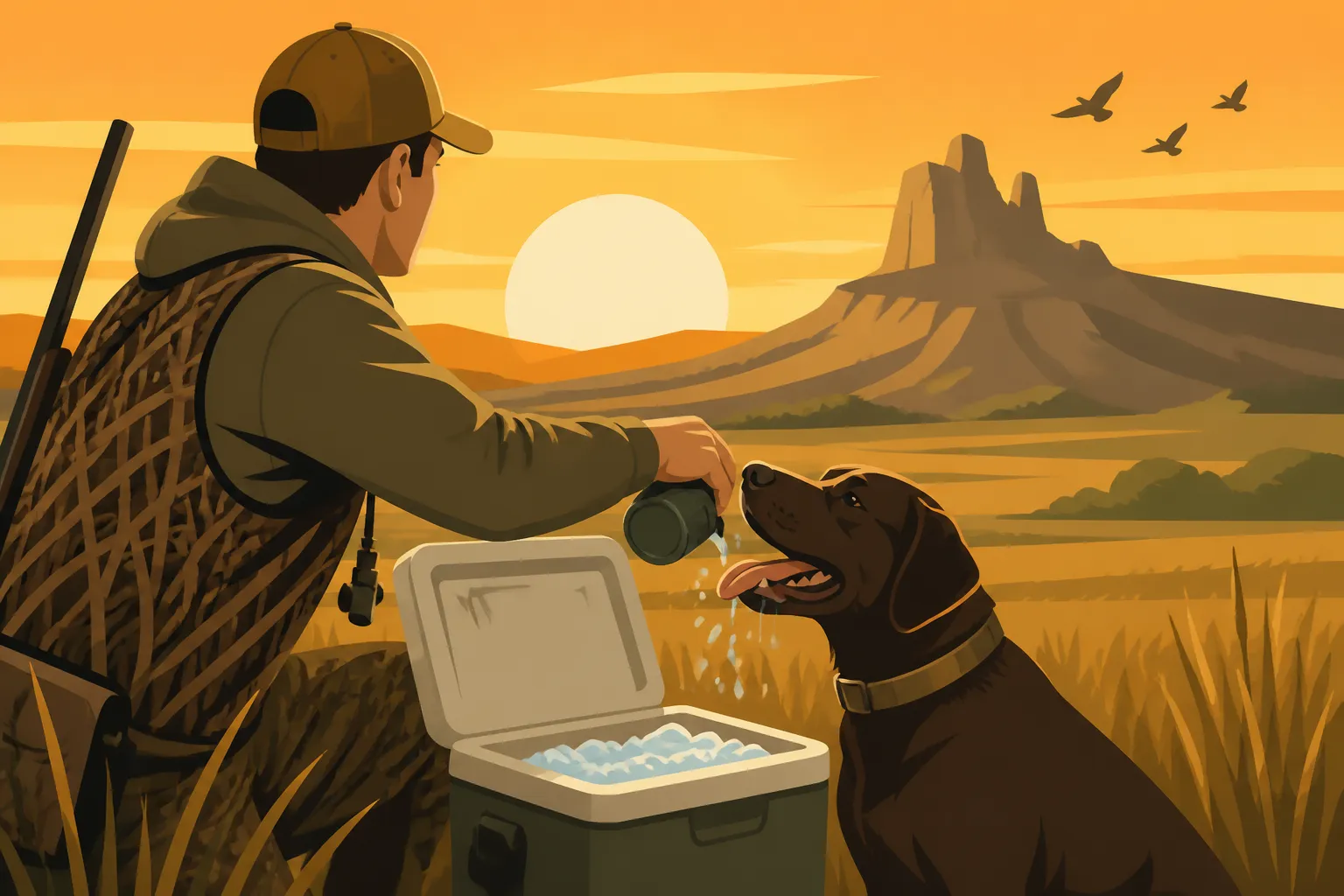
Once you’re in the field, you absolutely must carry ample water for your dog, not just for yourself. A good rule of thumb is to carry at least one liter of water per dog per hour of hunting in warm conditions. Collapsible bowls are a lifesaver; they’re lightweight and easy to deploy for quick water breaks. Don't just offer water; sometimes you need to encourage or even gently force your dog to drink, especially if they're panting heavily. Stop every 15-20 minutes in warm weather, find a shady spot if possible, and make them drink. If you're hunting near a stock dam or a stream, let them wade in the cool water if it's safe and accessible. This helps cool them externally, too. For those long days, consider adding canine-specific electrolyte supplements like K9 Revival to their water, which can help replenish lost minerals and encourage drinking. Remember, clear, cool water is their most effective defense against the rising heat. For more tips on keeping your dog well-equipped in the field, check out our article on Dog Water and Burrs on the Prairie.
Strategic Hunting Times and Terrain Selection
When that early South Dakota opener brings unseasonably warm temperatures, you need to adjust your hunting strategy. This isn't the time for all-day pushes under a midday sun. The coolest parts of the day are typically early morning and late evening. If the forecast calls for warm temperatures, plan your hunt to coincide with these cooler periods. Start right at legal shooting time, typically 10 a.m. for pheasants, and hunt until the sun gets high and the temperatures peak, usually around 1 PM or 2 PM. Then, take a long break. Seriously, get your dogs into a cool, shaded kennel, give them plenty of water, and let them rest. You can then resume hunting in the late afternoon as the day cools down again. Our article on Ten a.m. Start Times and Bird Behaviour offers further insights into how birds react to these patterns.
Terrain selection also plays a huge role. When e-scouting your hunting areas, perhaps using tools like GoHunt's mapping features or other mapping apps, look for fields that offer natural shade, like shelterbelts or treelines. Prioritize working areas with water sources if feasible, like potholes or creeks, where dogs can cool off. Dense cattail sloughs, while excellent cover for pheasants, can be incredibly humid and stifle airflow, making them heat traps. If you must work them, do so in short bursts and ensure immediate cool-down periods afterward. Also, consider the types of cover; short stubble fields offer little to no shade, while taller CRP grass or dense tree rows might provide pockets of cooler air. Think strategically about your approach, maybe prioritizing shadier areas first before moving to more exposed fields.
Essential Gear and Cooling Aids
Just like you layer up for a cold hunt, you can gear up your dog for a warm one. A good quality cooling vest or bandana, soaked in cold water, can make a significant difference. These vests use evaporative cooling to help lower your dog’s core temperature. Wet towels are another excellent, simple tool. Drape them over your dog's back and sides during breaks or when they're resting in a crate. Just ensure the towels are genuinely cool and re-wet them frequently.
Don't forget their paws! Hot ground, whether it's scorching asphalt on a walk-in area approach or baked dirt in a stubble field, can cause painful burns. Consider durable dog booties to protect their pads. Brands like Ruffwear or Kurgo offer excellent options. While some dogs take time to get used to them, they can prevent a hunt-ending injury. Another often-overlooked aid is a portable, battery-operated fan. These are fantastic for crates in the truck bed or even to direct at your dog during breaks. If you have an inverter in your truck, you can even run a small household fan to circulate air through their kennel. Ensuring good air circulation is key, especially when they're resting. For insights on navigating challenging terrain with your dog, our guide on Boots for Walking Cattails All Day has some useful points.
What to Do When Heatstroke Strikes
Despite all your best efforts, sometimes conditions can turn quickly, or your dog might simply overexert themselves. Recognizing heatstroke and knowing how to respond immediately can be the difference between life and death. This is not a situation where you can afford to hesitate or wait to see if they'll "snap out of it." Every second counts.
Immediate First Aid on the Field
If your dog starts showing severe signs of heat stress or actual heatstroke – collapse, staggering, difficulty breathing, blue or pale gums, unresponsiveness – your first priority is to get them out of the direct sun immediately. Find the densest shade you can, or ideally, get them into an air-conditioned vehicle if one is nearby.
The next critical step is to begin cooling them down. Do NOT use ice-cold water or ice baths! This can cause their blood vessels to constrict, trapping heat in their core and potentially leading to shock. Instead, use cool (not freezing) water. Focus on areas where large blood vessels are close to the surface: the groin, armpits, belly, and neck. Soak towels in cool water and place them on these areas, replacing them frequently as they warm up. You can also pour cool water directly onto their body, particularly on their pads. A small squirt bottle or a plastic water bottle with holes poked in the lid can work for this. Gentle fanning can also help promote evaporative cooling. While you're doing this, check their temperature rectally if you have a thermometer and know how to use it safely. Your goal is to bring their temperature down to about 103°F (39.4°C). Once it drops below this, stop active cooling to prevent hypothermia. Remember, having a comprehensive First Aid Kit for a Prairie Hunt is essential, and it should include a thermometer and plenty of water.
Seeking Veterinary Care and Post-Incident Recovery
Even if your dog seems to recover and their temperature returns to normal after field first aid, it is absolutely crucial to get them to a veterinarian as quickly as possible. Heatstroke can cause serious internal damage to organs like the kidneys, liver, and brain, which may not be immediately apparent. A vet can perform blood tests and other diagnostics to assess for internal damage and provide supportive care to prevent long-term complications. They might administer IV fluids, medication to protect organs, or monitor for secondary issues like disseminated intravascular coagulation (DIC), a severe blood clotting disorder that can be a complication of heatstroke.
Recovery from heatstroke can be a long road. Your dog will need rest, continued hydration, and careful monitoring for days, if not weeks, after the incident. They might be more sensitive to heat in the future, so subsequent hunts in warm weather will require even greater caution. It's a sobering reminder that our hunting dogs, while incredibly tough and driven, are also vulnerable. Prioritizing their safety and well-being should always be our number one concern in the field.
Disclaimer
The information provided in this article is for general informational purposes only and does not constitute veterinary advice. Always consult with a qualified veterinarian for any medical concerns or before making any decisions about your pet’s health. In cases of suspected heatstroke, immediate veterinary attention is critical.