Walking In Before Legal Shooting Time
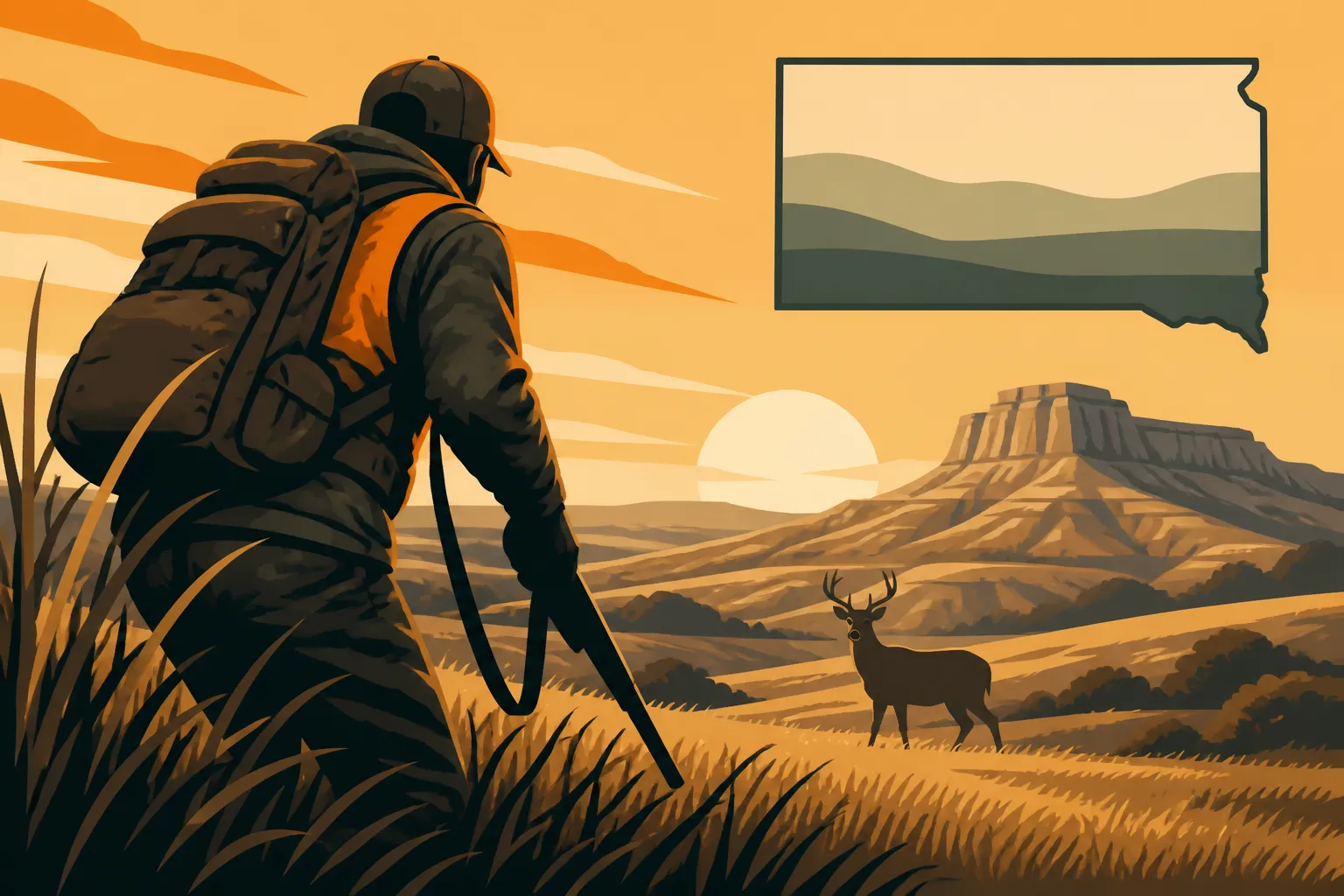
It's a familiar scenario for any hunter: you’ve meticulously scouted your spot, laid out your gear, and now the alarm clock is blaring, demanding you get out there long before the sun even thinks about showing its face. The desire to be settled, calm, and ready before legal shooting light hits is incredibly strong, but navigating the rules around walking in with your firearm in the dark can be a real head-scratcher. This guide aims to demystify the regulations and offer practical advice for those early morning treks into the South Dakota hunting grounds.
Understanding South Dakota's Legal Shooting Hours
One of the biggest anxieties for hunters is inadvertently breaking a rule, especially when it comes to legal shooting hours. Nobody wants to be the person who fires too early, or worse, gets busted for being in a prohibited state before dawn. South Dakota has specific regulations, and they’re not always uniform across all game types. It's crucial to understand these nuances.
Why Shooting Hours Exist
Legal shooting hours aren't just arbitrary rules designed to make your life harder; they're in place for very good reasons. Primarily, they prioritize safety. Hunting in complete darkness dramatically increases the risk of misidentifying your target, shooting beyond your safe zone of fire, or even mistaking another hunter for game. Animals are also often at their most active during dawn and dusk, so these hours balance hunting opportunity with fair chase and wildlife management principles. For some species, like pheasants, the later start time allows birds to leave their roosts and begin feeding, spreading them out and often making for a better quality hunt, rather than just blasting them off a roost tree or out of a cattail slough where they’re concentrated and vulnerable.
Specific Times for Big Game and Upland Birds
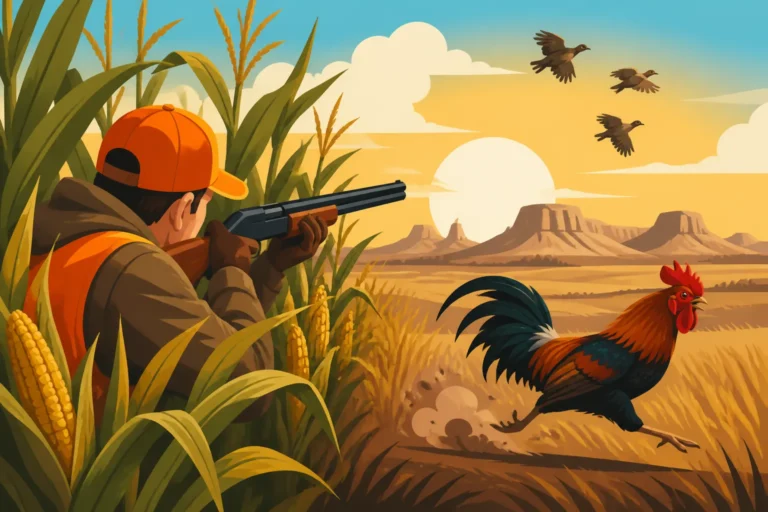
In South Dakota, big game like deer, antelope, and elk generally follows a pretty standard rule: legal shooting hours are from 30 minutes before sunrise until 30 minutes after sunset. This is a common regulation across many states, acknowledging the low-light activity of these animals while still providing a margin of safety. However, upland birds, especially the beloved ring-necked pheasant, are a different story. For pheasants, the season typically opens at 10:00 AM Central Time and continues until sunset. This later start is a classic South Dakota tradition, designed to allow birds to leave their night roosts and move into feeding areas, creating a more challenging and rewarding hunt rather than an ambush. It also helps manage hunting pressure and spreads out hunters, particularly on opening weekend. Knowing these distinctions is paramount before you head out.
Using Technology to Know Exact Times
Trying to guess sunrise and sunset times, or remembering the 10:00 AM pheasant opener, can be a recipe for disaster. Thankfully, modern technology makes it incredibly easy to stay compliant. Your smartphone is your best friend here. Many weather apps will provide precise sunrise and sunset times for your exact location. Beyond that, specialized hunting apps like GoHunt offer detailed mapping and often include overlaid data for legal shooting hours based on your GPS coordinates, taking out all the guesswork. These tools become invaluable when you're deep in the prairie and need to be absolutely sure you’re legal. It’s always smart to double-check the South Dakota Game, Fish and Parks (GFP) website or official hunting handbook for the most current regulations, as dates and times can occasionally shift slightly year-to-year or for specific units.
The Legality and Logistics of Pre-Dawn Access
So, you know when you can shoot, but what about getting to your spot before that time? This is where many hunters get confused. Is it okay to be walking around in the dark with a gun? The answer, like most things in hunting, comes with a few important caveats.
Walking with Unloaded Firearms
The critical distinction in South Dakota, and indeed most places, is between possessing a firearm and hunting with it. You are generally permitted to be in the field before legal shooting light, even with your firearm, as long as you are not actively hunting or attempting to harvest game. The key here is often the condition of your firearm. For big game, if you are walking to your stand an hour before sunrise, your rifle should ideally be unloaded, or at least have the action open and no round in the chamber. Some hunters even remove the bolt. For shotguns during pheasant season, especially when you're planning to hunt a cattail slough with blockers, the same principle applies: walk in with an unloaded gun. Your focus should be on getting to your chosen location safely and quietly, not on being ready to shoot. This also helps prevent accidental discharges in the dark and signals to any game wardens or other hunters that you are acting lawfully. It’s about demonstrating intent – your intent is to get to your spot, not to poach.
Setting Up Blinds and Decoys
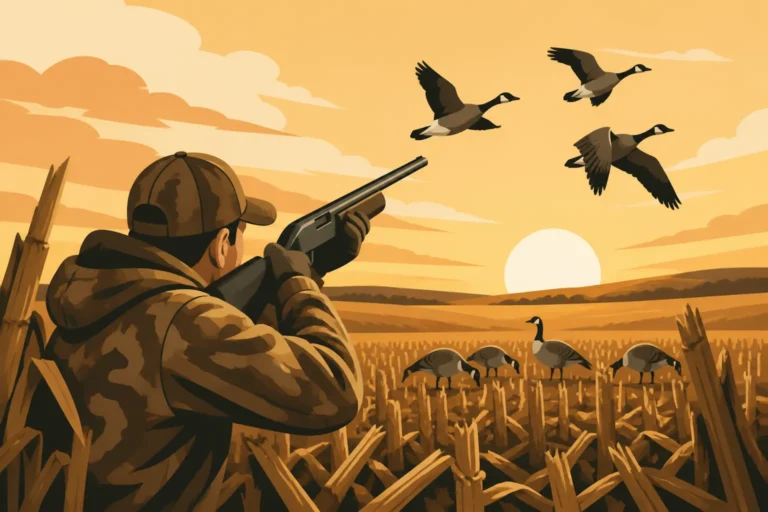
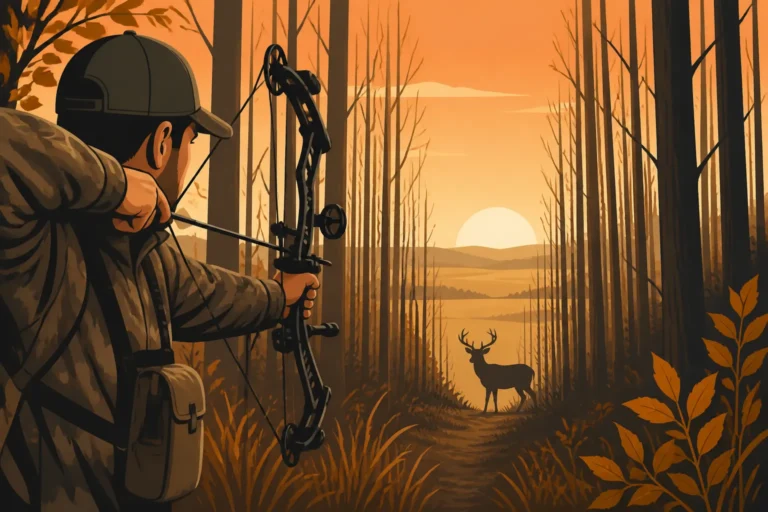
Pre-dawn is often the prime time for setting up for a hunt, especially for waterfowl or deer. You absolutely need to get your layout blinds concealed in a goose spread in cut corn or arrange your deer decoys before the first hint of light. This activity is entirely legal outside of shooting hours. The critical thing is that your firearm remains unloaded and securely stored while you're engaged in setting up. For duck hunters placing decoys on a prairie pothole, it's common to have your shotgun cased or unloaded and leaning against a vehicle or securely placed in your blind until legal shooting light arrives. Same goes for deer hunters climbing into a treestand setup on narrow river timber. Get the stand set, get settled, then quietly load your rifle or bow. This separation of "set-up" and "hunting" activities is key.
Navigating Public Versus Private Land
The rules for accessing land before dawn can vary slightly between public and private ground, although the shooting hours themselves remain consistent. On public lands, such as South Dakota’s extensive Walk-In Areas or National Grasslands, you typically have the right to access these areas 24/7, as long as you’re following all other regulations regarding vehicle use, camping, etc. So, walking in before legal shooting time is generally fine. The main consideration here becomes courtesy to other hunters. You don't want to blow out someone else's spot because you're clanking around in the dark.
On private land, the situation is simpler: if you have permission to hunt that land, you also have permission to access it at pre-dawn hours, provided the landowner hasn't specified otherwise. However, if you're trying to gain landowner permission basics or finding private land access, it’s always best to explicitly discuss your intention to enter before light. A good relationship with a landowner is built on clear communication and respect, and showing up unexpectedly in the dark, even with good intentions, could be jarring for them. Always err on the side of caution and direct communication.
Best Practices for a Safe and Ethical Pre-Dawn Walk-In
Successfully getting to your hunting spot before legal shooting time isn't just about legality; it's about doing it safely, ethically, and without disturbing the very game you're after or other hunters in the vicinity.
Prioritizing Safety and Visibility
Walking in the dark, especially over unfamiliar terrain, presents inherent risks. Uneven ground, hidden obstacles, and even barbed wire fences can lead to injury. Always carry a reliable headlamp with extra batteries. While you don't want to blast a huge beam around and spook everything, using it to light your immediate path is crucial. For safety, many hunters will wear a small amount of blaze orange, even before legal shooting hours, particularly if they anticipate other people might be moving in the same area. This could be a blaze orange cap or vest carried in your pack until you get to your final setup. The goal is to be seen by other human beings, without giving away your position to game more than necessary. It's a balance. Consider the general advice for safe gun handling on a bird drive – safety is paramount at all times, not just when shooting.
Minimizing Disturbance
Animals have incredible senses, and anything that stands out from the natural environment will put them on high alert. When you're walking in before legal shooting light, quiet movement is paramount. Avoid noisy clothing materials, silence any loose gear that might clink or clank, and walk slowly and deliberately. If you're carrying a pack, ensure everything is secured and not rattling. Think about scouting South Dakota public ground before the season to understand the terrain and identify the quietest routes.
Scent control is another factor often overlooked. Even in the dark, animals can smell you. Pay attention to wind direction, especially if you're targeting deer or antelope. Using scent-eliminating sprays or washing your hunting clothes in scent-free detergent can make a difference. The less of your human presence you leave behind, the better your chances are when the sun finally crests the horizon.
Planning Your Route Carefully
The dark can disorient even the most seasoned hunter. Before you even leave home, thoroughly plan your route using mapping tools. Digital apps, including the South Dakota Public Hunting Atlas or platforms like GoHunt, allow you to mark parking spots, specific stands, and optimal walking paths. They can even show you reading aerial imagery for cattail cover or identify key terrain features that might act as obstacles or navigation aids.
Knowing your terrain in advance cannot be stressed enough. If you’re able to, walk your planned route during daylight hours before the season. This lets you identify potential hazards like deep washouts, dense thorny bushes, or treacherous creek crossings. Having a GPS track on your device, either from a previous scout or pre-drawn, can be a lifesaver in the dark, ensuring you reach your precise destination without getting lost or making unnecessary noise wandering around. Consider potential access routes that do not blow out birds if you are after pheasants, or deer if you're looking for big game.
Common Pitfalls and How to Avoid Them
Even with the best intentions and meticulous planning, things can go sideways when you're navigating the pre-dawn darkness. Being aware of potential problems can help you sidestep them.
Misjudging Time and Distance
The darkness has a way of playing tricks on your perception. What looks like a 15-minute walk on a map can easily stretch into 30 minutes or more in the dark, especially if the terrain is tricky. This often leads to rushing, which increases noise, scent dispersion, and the risk of injury. Always overestimate the time it will take to get to your spot. If you think it'll take 20 minutes, plan for 35-40. This buffer allows for unexpected detours, a slower pace, or even just pausing to listen to the sounds of the awakening prairie. Arriving early is always better than rushing in as the sun is coming up, spooking everything in sight. This foresight is also crucial when considering hunting pressure patterns on Walk-In Areas, as other hunters might have the same idea.
Accidental Discharge Concerns
This is a grave concern that cannot be overstated. Walking with a loaded firearm in the dark significantly increases the risk of an accidental discharge. A stumble, a branch snagging the trigger guard, or simply fumbling with gear could lead to a tragic outcome. This is precisely why regulations often emphasize unloaded firearms during non-shooting hours.
Make it an absolute rule: your firearm is unloaded until you are settled in your hunting spot and legal shooting light has arrived. For rifles, this means no round in the chamber, and often, the magazine removed or action open. For shotguns, no shells in the magazine or chamber. Take those extra 30 seconds to load only when you're ready, stationary, and confident in your surroundings. Your safety, and the safety of others, depends on it.
Dealing with Unforeseen Obstacles
The prairie is a dynamic environment. A perfectly clear path during your scouting trip might be a muddy mess after an unexpected rain, or a fence line could be repaired or newly strung, creating an obstacle. Animals, especially deer or elk, can also move into unexpected areas, potentially forcing you to adjust your approach or risk spooking them. Being flexible and adaptable is critical.
Carry a small, portable tool like wire cutters if you anticipate needing to navigate fences (but only if you have landowner permission and intend to repair them, or if you're on public land where crossing is permitted). Have a backup route planned if your primary one is impassable. And always be prepared for changing weather conditions; a cold, calm morning can quickly turn windy and chilly, so layering for South Dakota wind is essential. The more you anticipate, the less surprises will throw you off your game.
It’s always a good idea to consider the specific legal shooting hours for the game you are pursuing. Here’s a quick overview:
| Game Species | Legal Shooting Hours (Central Time Zone) | Notes |
|---|---|---|
| Big Game (Deer, Antelope, Elk) | 30 minutes before sunrise to 30 minutes after sunset | Varies slightly based on location/time of year, check local times. |
| Pheasants | 10:00 AM to Sunset | South Dakota's traditional delayed opener. |
| Other Upland Birds (Grouse, Partridge, Quail) | 30 minutes before sunrise to sunset | Standard for most small game. |
| Migratory Birds (Ducks, Geese) | 30 minutes before sunrise to sunset | Requires Federal Duck Stamp & HIP Registration. |
| Turkeys | 30 minutes before sunrise to sunset (Spring & Fall) | Varies, check specific unit regulations. |
| Predators (Coyotes, Fox) | No closed season or shooting hours | Check specific local ordinances and night hunting rules. |
Note: Always consult the current South Dakota Hunting Handbook for precise and up-to-date regulations, as these times can change annually.
Remember that understanding the local sunrise and sunset times for your specific location on any given day is paramount. While this table provides general guidelines, an app like GoHunt or a quick check of a reliable weather source will give you the precise times you need to abide by the 30-minute rule. Whether you're hunting for South Dakota pheasants or hoping for west river mule deer, the principle of safe and legal pre-dawn access remains the same.
Disclaimer
The information provided in this guide is for general informational purposes only and does not constitute legal advice. Hunting regulations can be complex and are subject to change. Always consult the most current South Dakota Game, Fish and Parks (GFP) hunting handbooks, regulations, and local ordinances before engaging in any hunting activities. It is the hunter's sole responsibility to understand and comply with all applicable laws.