South Dakota Landowner Permission Basics
One of the biggest hurdles and sources of frustration for hunters in South Dakota, especially those new to the state or visiting from out of town, is figuring out where you can actually hunt. With a vast amount of the landscape being privately owned, understanding and securing landowner permission isn't just a courtesy; it's a fundamental necessity for a successful and legal hunt. This guide will walk you through the ins and outs of obtaining permission, building relationships, and navigating the nuances of private land access in our beautiful state.
Understanding South Dakota's Land Ownership Landscape
South Dakota is a mosaic of different land types, and if you don't know how to read the map, you can find yourself in a heap of trouble. It's not always obvious where one property ends and another begins, or what land is public versus private. Many hunters arrive expecting wide-open spaces, only to realize much of that "open" land has a barbed-wire fence and a landowner's name attached to it.
The Patchwork Nature of the Prairie
Imagine flying over South Dakota – what you'd see is an incredible patchwork quilt of cultivated fields, CRP grass, pastures, and sloughs, all interspersed with small towns and farmsteads. This isn't one continuous block of land, but rather countless parcels owned by individuals, families, and corporations. Each piece has its own history, its own current use, and most importantly for hunters, its own set of rules regarding access. This creates a highly fragmented hunting environment where even a short walk can take you across multiple property lines.
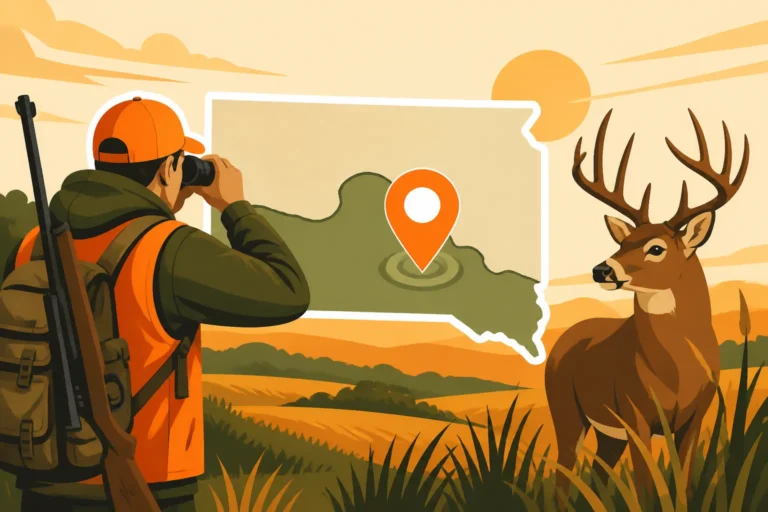
It means that knowing your exact location at all times is paramount. Relying on old-school paper maps can be a challenge when you're trying to pinpoint an exact fence line or the corner of a field. Modern mapping tools, like onX Hunt, have become indispensable for this very reason, allowing you to see property boundaries and ownership in real-time right in the field. This can save you from accidentally crossing onto someone's land without permission, which can quickly ruin a hunt and damage your reputation.
Public vs. Private Ground: A Clear Divide
While South Dakota does boast a significant amount of public hunting land, including state Game Production Areas and federally managed National Grasslands, the vast majority of the state is private. For instance, much of the prime pheasant habitat in East River is privately owned farmland and adjacent cover. West River, with its expansive ranchlands, also sees extensive private ownership, though there are large tracts of National Grassland and Bureau of Land Management (BLM) property. The rules for hunting on public ground are set by the state and federal agencies, but private land is entirely at the discretion of the owner.
It’s crucial to understand that public land is open to all who legally possess a hunting license, but private land requires explicit permission from the landowner or tenant. There's no "implied consent" in South Dakota. This clear divide means that you, as the hunter, bear the sole responsibility for knowing who owns the land you intend to hunt and securing their approval before setting foot on it. This due diligence is part of being an ethical hunter and ensures you won't face legal repercussions. Knowing the difference and respecting boundaries is the first step towards a successful and responsible hunt. For a deeper dive into general public options, check out Public Hunting Land in South Dakota.
The Role of Walk-In Areas (WIAs) and GFP Land
South Dakota has done a fantastic job of creating additional hunting opportunities through programs like the Walk-In Area (WIA) program. These are private lands that landowners voluntarily enroll into an agreement with the South Dakota Game, Fish and Parks (GFP) to allow public hunting access. They are clearly marked with distinctive yellow signs and are a godsend for many hunters. While these are technically private lands, the GFP has secured the permission for you, effectively making them open to the public during designated seasons.
However, even with WIAs, it’s important to remember they come with specific rules, such as being foot-traffic only, and boundaries must still be respected. They often abut privately owned land that isn't part of the program, so you still need to be aware of where you are at all times. Think of them as designated public access corridors carved into the private landscape. Utilizing tools like the South Dakota Public Hunting Atlas, or apps like onX Hunt, helps immensely in identifying these crucial pieces of habitat. For more specifics on these invaluable resources, you can explore How South Dakota Walk-In Areas Work.
The Critical Importance of Permission
Let's be blunt: attempting to hunt on private land without permission is trespassing. It doesn't matter if you're "just walking through," or "thought it looked unposted," or "didn't see anyone around." The consequences can range from a stern warning to fines, loss of hunting privileges, and even confiscation of your equipment. It's simply not worth the risk, and it gives all hunters a bad name.
Why "No Trespassing" Signs Aren't Always Needed
A common misconception among some hunters, especially those from states with different legal frameworks, is that if there isn't a "No Trespassing" sign, the land is fair game. This is absolutely false in South Dakota. State law clearly states that all private land is considered closed to hunting unless explicit permission has been granted by the landowner or tenant. This means the burden of proof is on you to have permission, not on the landowner to post their property. While many landowners do post their land to be extra clear, the absence of a sign does not grant you access.
This is a critical point that can't be overstated. Imagine pulling up to a promising-looking slough or a field edge, seeing no signs, and assuming it's okay to hunt. If a landowner drives up and finds you, even if you meant no harm, you are in violation. It's best to always assume private land is off-limits unless you've personally spoken to the owner and received their blessing. It's better to be safe, make the call, or knock on the door, rather than risk a run-in. Understanding South Dakota Trespass Law and Posted Land can provide further clarity.
Protecting Your Hunt and the Landowner
Securing permission does more than just keep you out of legal trouble; it protects the integrity of your hunt and fosters a positive relationship with the landowner. When you have permission, you can hunt with peace of mind, knowing you're not constantly looking over your shoulder. It allows you to focus on the hunt itself, the dogs, and the camaraderie, rather than worrying about an unexpected confrontation.
From the landowner's perspective, granting permission means they know who is on their property, when, and for what purpose. This gives them a sense of security regarding their livestock, crops, and personal property. It's a matter of respect for their private domain and their livelihood. By asking, you're demonstrating that respect, which is key to potentially gaining access to prime hunting spots that might otherwise be off-limits. They might even share valuable information about game movement or particular hot spots on their land.
The Consequences of Disregarding Permission
The repercussions of hunting without permission can be severe and far-reaching. Beyond the immediate legal penalties of fines and potentially having your equipment seized, you risk losing your hunting privileges. A trespass conviction can impact your ability to purchase licenses in the future, not just in South Dakota but potentially in other states as well. Furthermore, a negative incident impacts all hunters. Landowners who have had bad experiences with trespassers are often less likely to grant permission to anyone, even respectful hunters who ask.
This creates a ripple effect, making it harder for everyone to find good hunting spots. It fuels the "no hunting" mentality that ethical hunters work hard to overcome. Think about it: one bad apple can spoil the whole barrel. So, when you choose to ask for permission and respect property boundaries, you're not just protecting your own hunt; you're actively contributing to a positive image for the entire hunting community and helping to preserve future access for everyone.
How to Approach Landowners for Permission
Asking for permission can feel intimidating, but it doesn't have to be. It's all about presentation, timing, and demonstrating genuine respect. Most landowners are reasonable people, and while they might not always say yes, they appreciate being asked.
Timing and Best Practices for First Contact
The first step is usually to identify the landowner. Modern mapping applications like onX Hunt and GoHunt are incredibly useful for this, as they often display property boundaries and landowner names. Once you have a name, try to find a phone number. A phone call is often preferred over an unannounced knock on the door, especially if the landowner isn't home or is busy with chores. If you do opt for an in-person visit, make sure it's during a reasonable time of day – avoid early mornings, mealtimes, or late evenings. Weekday afternoons tend to be better than busy weekends when families might be trying to relax.
Always start by introducing yourself, stating your purpose clearly, and being concise. Don't beat around the bush. Landowners are busy people, and they appreciate directness. Offer to meet them at their convenience, if they're not immediately available. Remember, you're asking for a favor, so approach the conversation with humility and understanding. Showing up clean, sober, and polite goes a long way.
What to Say and How to Present Yourself
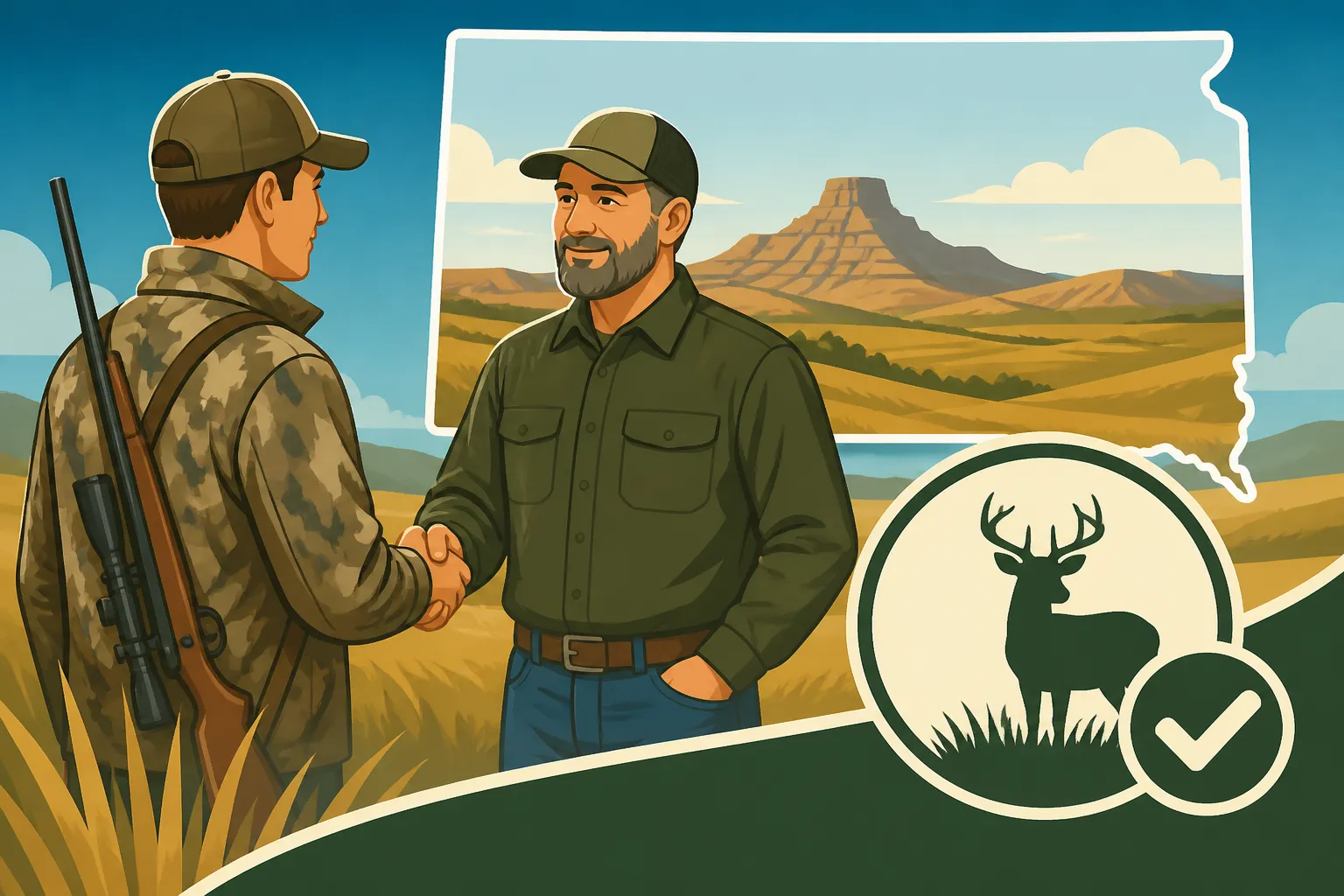
When you make contact, start with a simple, polite introduction: "Hi, my name is [Your Name], and I'm a hunter from [Your Town/State]. I'm interested in hunting pheasants (or deer, or whatever you're after) on your property, specifically the [describe specific field, slough, or area]. Would you be open to granting me permission?" Be specific about what you want to hunt and where. Vague requests like "Can I hunt your land?" are less likely to be successful.
Dress neatly and respectfully if you're going in person – leave your hunting camo in the truck unless explicitly invited to show them your gear. Carry your hunting license and a map of their property (printed or on your phone) to show you've done your homework. Emphasize that you are a responsible hunter, will respect their land, close gates, avoid driving on wet fields, pick up spent shells, and leave no trace. If you have a dog, mention it and assure them it's well-trained and will stay close. Showing your professionalism and respect from the outset is crucial for a positive impression and increasing your chances of getting a "yes." You're essentially interviewing for the privilege of access. For more guidance on this initial outreach, see Asking a South Dakota Landowner for Permission.
Being Prepared for "No"
It's important to understand that you won't get a "yes" every time, and that's perfectly okay. Many landowners have valid reasons for declining permission: maybe they have family or friends who hunt there, maybe they've had bad experiences in the past, or maybe they simply don't want hunters on their property. Whatever the reason, accept "no" gracefully. Do not argue, plead, or complain. Thank them for their time and move on.
A polite response to a refusal might be, "I understand completely, thank you for your time anyway. I appreciate you considering my request." Sometimes, even a polite refusal can open a door down the line, or they might recommend another landowner who is more open to hunters. Maintaining a respectful attitude, regardless of the outcome, reflects well on you and the entire hunting community. Remember, it's their land, and they have every right to decide who can access it.
Key Information to Provide and Ask For
Once a landowner indicates they might be willing to grant permission, it's time to solidify the details. This is where clarity prevents confusion and potential problems down the road.
Your Intentions and Hunt Details
Be prepared to share specifics about your hunt. How many people will be in your hunting party? What dates are you looking to hunt? What species are you targeting? Will you be using a dog? Do you plan to drive on certain trails or stick to walking? For example, if you're after pheasants, you might say, "We're a group of three hunters with two well-behaved flushing dogs, and we'd be looking to walk the cattail slough and surrounding grass on Tuesday, October 24th, from about 10 AM to 3 PM."
This level of detail helps the landowner understand the scope of your request and anticipate any potential conflicts with their own farming operations or personal use of the land. It also demonstrates that you've thought about your hunt and aren't just making a casual request. Transparency builds trust, and trust is the foundation of long-term access.
Understanding Boundaries and Access Points
This is where your mapping tools really shine. Once permission is granted, ask the landowner to go over the exact boundaries of where you are allowed to hunt. Use your onX Hunt app or a paper map to clarify. "So, we can hunt from this fence line here, all the way to the pivot road, but not cross into the cornfield, correct?" Confirm access routes: "Can we park here by the red barn, or is it better to access from the county road on the north side?" Clarify any specific areas that are off-limits, such as around farm buildings, near livestock, or specific crop fields.
Knowing precise boundaries is essential to avoid accidental trespass. Even a few yards onto an unpermitted area can cause issues. Taking the time to walk the boundaries or review them together on a map ensures everyone is on the same page. This clarity protects both you from inadvertently trespassing and the landowner from feeling their generosity was abused.
Specific Rules and Expectations
Every landowner might have unique rules, and it's your job to ask about them and adhere to them without question. These could include:
- Gates: Always ask if gates should be left open or closed. The rule of thumb is to leave them as you found them, but confirming is always better.
- Vehicles: Are you allowed to drive on trails, or is it strictly foot traffic? When are fields too wet to drive on?
- Livestock: Are there cattle or horses in certain pastures? How should you approach them or keep your dog away?
- Hunting Hours: Are there specific times they prefer you not to hunt, perhaps near their home in the morning or evening?
- Other Hunters: Are there other people (family, friends, or other permitted hunters) who might be on the property?
- Reporting: Do they want you to check in before you arrive and check out when you leave? Do they want to know what you saw or harvested?
| Aspect of Permission | Hunter's Responsibility | Landowner's Expectation |
|---|---|---|
| Initial Contact | Polite, specific request, clear intent. | Respectful approach, clear communication. |
| Identification | Provide name, contact, vehicle description. | Know who is on their land. |
| Boundaries | Confirm permitted hunting areas, avoid off-limits zones. | Property lines honored, sensitive areas avoided. |
| Access | Use designated parking/entry, close gates, respect roads. | Minimal disturbance to farm operations. |
| Safety | Safe firearm handling, awareness of livestock/people. | Safety of property, family, and animals. |
| Harvest Reporting | Share success, thank them for the opportunity. | Interest in game numbers, appreciation. |
| Leave No Trace | Pack out all trash, shells, dog waste. | Land left as it was found. |
It's smart to write down any specific instructions they give you. A quick text message to confirm details later can also be helpful. By proactively asking these questions, you show respect for their property and their way of life, solidifying your reputation as a responsible and trustworthy hunter.
Building Relationships for Future Access
Getting permission for one hunt is great, but building a lasting relationship can unlock years of enjoyable hunting experiences. It's about more than just the hunt; it's about being a good neighbor and showing genuine appreciation.
Showing Gratitude and Respect
Always, always thank the landowner. A sincere "thank you" goes a long way. After your hunt, even if you didn't harvest anything, stop by or call to thank them again. Share your experience—what you saw, how the dogs did, any interesting observations. They often appreciate knowing what's happening on their land. A small, thoughtful gesture of thanks can make a big difference. This doesn't have to be expensive; it could be a small gift basket, a homemade treat, or even a gift card to a local hardware store or restaurant. Some hunters offer to help with small chores, like mending a fence or helping with cattle, if they have the skills and time.
Respect extends beyond the hunt itself. If you notice a gate that needs fixing or a downed fence post during your hunt, let them know. If you see something out of the ordinary, like suspicious vehicles or unusual activity, pass that information along. You become an extra set of eyes and ears for them, which can be invaluable, especially for landowners who aren't always on-site. This level of engagement builds genuine rapport.
Going Above and Beyond to Be a Good Guest
Think about what you would appreciate if someone were visiting your property, then apply that tenfold. Leave no trace of your presence behind. Pick up every spent shotgun shell, every wrapper, every piece of dog waste. If you happen to damage anything, report it immediately and offer to fix it or pay for repairs. Drive slowly and carefully on their roads and trails, especially if it's wet or dusty. Be mindful of their home and privacy; don't linger around their residence or make unnecessary noise.
If you harvested game, offer them some of the meat. Many landowners enjoy game but don't have the time or ability to hunt themselves. A package of pheasant breasts or venison steaks can be a truly meaningful gesture of gratitude. Remember that hunters rely on landowners, and by consistently being an exemplary guest, you not only ensure your own future access but also help maintain a positive image for all hunters.
Long-Term Benefits of Positive Interactions
A positive interaction doesn't just grant you access for one season; it can lead to a long-standing hunting relationship. Landowners often have a limited number of people they trust to be on their property, and if you become one of them, you've earned a valuable privilege. They might even call you proactively in future seasons if they have a game problem or want to offer you first crack at a specific area. This kind of trusted access is priceless.
These relationships aren't just transactional; they often become friendships. You might learn about the area's history, the landowner's family, or farming practices. It connects you more deeply to the land and the people who steward it, enriching your entire hunting experience. In a world where Hunting Pressure on South Dakota Public Ground can sometimes be intense, having private land access built on trust is a tremendous advantage. It's an investment in goodwill that pays dividends for years to come.
Common Misconceptions and Legalities
Even with the best intentions, legal details can be confusing. Let's clear up some common misunderstandings about land access and hunting in South Dakota.
Road Rights-of-Way and Hunting Legality
One area of frequent confusion is hunting from or along road rights-of-way. In South Dakota, it is generally legal to hunt game birds (like pheasants, grouse, and partridge) from a public road right-of-way, provided you are not discharging a firearm within 660 feet of an occupied dwelling, church, or schoolhouse, and you have permission to retrieve any downed game that falls onto adjacent private land. This is a very specific regulation and does not apply to big game hunting. You absolutely cannot hunt deer, antelope, or other big game from a road right-of-way.
However, even with game birds, there's a huge caveat: retrieving game. If you shoot a pheasant from the ditch and it falls into a private field or pasture, you must have permission from that landowner to retrieve it. Crossing a fence onto private land without permission, even to pick up your bird, is trespassing. This is why many hunters still seek permission to hunt fields adjacent to public roads; it provides peace of mind for retrieval. Understanding Road Right-of-Way Width on South Dakota Roads is also important, as the right-of-way itself is public, but the moment you step off it, you could be on private land.
Retrieving Game from Adjacent Private Land
As mentioned, this is a distinct legal point that causes a lot of headaches. If you're hunting on public land (like a WIA or GPA) or on private land where you have permission, and you make a clean shot on an animal that then runs or flies onto an adjacent private property where you do NOT have permission, you cannot simply cross the fence to retrieve it. You are still required to obtain permission from the owner of that specific piece of land.
This can be incredibly frustrating, especially if the animal is clearly visible just on the other side of a fence. The best practice is to immediately contact the landowner of the adjacent property. If you can't reach them, you might be out of luck, which is a tough pill to swallow. This scenario underscores the value of trying to secure permission not just for the area you plan to hunt, but potentially for adjacent properties as well, or at least having contact information for those landowners on hand. For a thorough discussion on this topic, refer to Retrieving Game From Private Land.
The Myth of "Open Range"
Some parts of South Dakota are considered "open range" for livestock, particularly in West River country. This means that livestock (cattle, sheep) are allowed to roam freely and are not required to be fenced in. It is the responsibility of those with fences to keep livestock out, not the responsibility of livestock owners to keep them in. However, "open range" status does not mean "open to hunters." It pertains specifically to livestock and has no bearing on hunting access.
Private land in open range areas is still private land, and permission is still required to hunt there. Don't confuse the freedom of cattle to roam with the freedom of hunters to enter. Always verify land status using tools like the South Dakota GFP Public Hunting Atlas or apps like GoHunt before assuming access. When in doubt, always err on the side of caution and seek explicit permission. It protects you, the landowner, and the future of hunting in South Dakota.
Disclaimer
This article is for general informational purposes only and does not constitute professional advice. Laws, prices and regulations vary by location and change over time. Consult a qualified professional for guidance on your specific situation.