How Much Public Hunting Land South Dakota Has
One of the biggest hurdles hunters face, especially if you're new to the state or a nonresident eyeing that epic South Dakota adventure, is figuring out just how much public land is actually available to hunt. It can feel like a maze trying to untangle all the different designations, rules, and access points. This guide is here to shed some light on the vast and varied public hunting opportunities across South Dakota, helping you understand where you can legally pursue game.
The Public Land Landscape in South Dakota
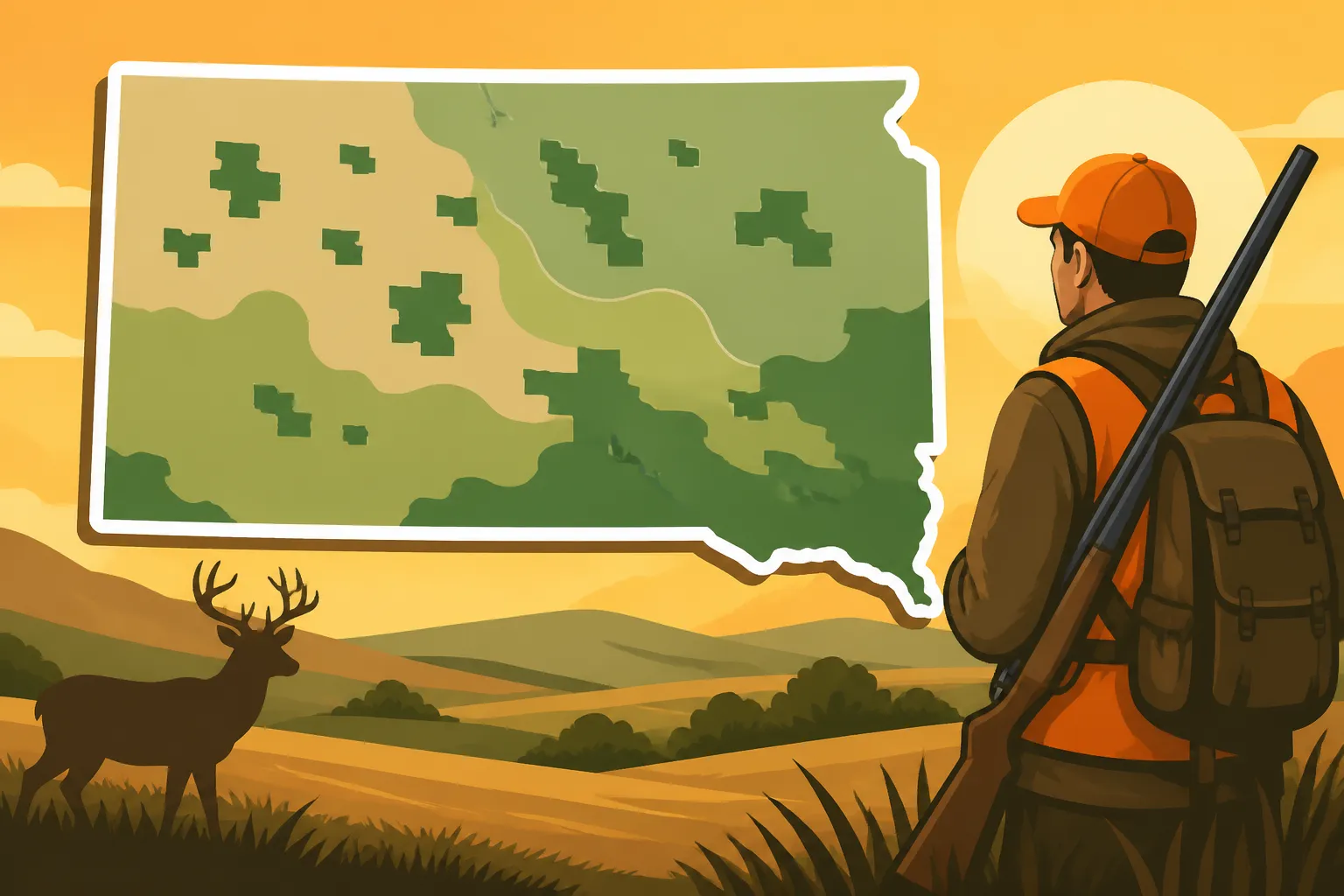
South Dakota is undeniably famous for its private land hunting opportunities, especially for pheasants, often through outfitters or landowner permission. But don't let that narrative fool you into thinking public ground is scarce. While it might not have the expansive, contiguous blocks of national forest found in some western states, South Dakota actually offers a surprising amount of public access, spread out in a unique and often rewarding patchwork across the prairie. The key is knowing what those different designations mean and how to effectively find them.
The state's landscape is diverse, from the rolling Black Hills in the west to the flat, fertile farmlands and glacial lakes of the east. This geographic variety means the types of public land you encounter, and the hunting experiences they offer, will differ significantly. It's not just about acres on a map; it's about understanding the character of those acres and how they fit into the larger hunting picture. For instance, a small, isolated Waterfowl Production Area might be a goldmine for ducks, while a vast stretch of National Grassland offers completely different big game potential.
More Than Just National Forests
When many hunters think "public land," images of towering pines and endless timber often come to mind. While South Dakota does boast the beautiful Black Hills National Forest, which is a significant chunk of accessible public land, it's far from the only game in town. In fact, much of the public hunting opportunities outside the Black Hills come in the form of smaller, often unheralded parcels managed by various state and federal agencies. These can include anything from small plots tucked away in agricultural country to extensive river breaks.
These diverse public lands are crucial for hunters who prefer to "DIY" their adventures, offering a chance to scout, explore, and hunt without the expense or structure of guided operations. The sheer variety ensures that whether you're chasing pheasants, deer, antelope, or waterfowl, there's likely a public parcel somewhere suited to your pursuit. It just takes a bit more legwork and a good understanding of the different programs to unlock their potential. Learning about these various land types is your first step to a successful self-guided hunt.
A Patchwork of Opportunities
South Dakota's public hunting land often resembles a quilt more than a continuous blanket. You'll find pieces of public ground interspersed with private holdings, creating a fascinating, albeit sometimes challenging, mosaic. This means hunters need to be exceptionally diligent about knowing property lines. Gone are the days of just wandering off into the vast unknown; today's public land hunter in South Dakota needs to be precise.
This patchwork system isn't without its advantages, though. It often means that smaller, less obvious pockets of public land can hold surprisingly good numbers of game, especially pheasants and deer, as they might be adjacent to quality private habitat or agricultural fields. The challenge becomes identifying these spots and accessing them legally. This is where modern tools like digital mapping apps really shine, allowing you to clearly see public and private boundaries in real-time. Without such tools, navigating the landscape can be a real headache, leading to accidental trespass or missed opportunities.
Deciphering South Dakota's Main Public Access Programs
Understanding the different categories of public land is paramount for any hunter in South Dakota. Each type comes with its own management objectives, typical habitats, and sometimes, specific rules or use restrictions. Knowing the difference between a Walk-In Area and a Game Production Area, for example, can save you time, effort, and potential headaches. These programs are designed to provide access, but they each serve a slightly different ecological or recreational purpose.
South Dakota's Game, Fish and Parks (GFP) department, along with federal agencies like the U.S. Fish and Wildlife Service and the U.S. Forest Service, manage these lands. Their collective efforts result in millions of acres being open to public hunting, but they are not all created equal. From the moment you start planning your trip, you'll benefit greatly from knowing the characteristics of each main type of hunting area you might encounter.
Walk-In Areas (WIAs) – The Hunter's Lifeline
Perhaps the most famous and widely utilized public access program in South Dakota, especially for pheasant hunters, are the Walk-In Areas (WIAs). These aren't true public lands in the traditional sense; rather, they are private lands that the South Dakota Game, Fish and Parks (GFP) leases from willing landowners, paying them to allow public hunting access for a season or longer. The brilliance of the WIA program is that it dramatically expands hunting opportunities, opening up millions of acres that would otherwise be off-limits. You'll often see distinct yellow signs marking these areas, indicating "Walk-In Area: Foot Traffic Only."
The sheer volume of WIA acres fluctuates year to year as new agreements are made and old ones expire, but it consistently provides a massive amount of hunting ground. These areas are typically diverse, ranging from cattail sloughs and dense grasslands to food plots and shelterbelts. They are almost exclusively "foot traffic only," meaning you'll be walking in to hunt, which can be a huge advantage for escaping crowds on opening weekend. Knowing how to interpret the WIA signs and boundaries on the South Dakota Hunting Atlas Online is critical. These areas are often prime for South Dakota Pheasant Hunting Tactics for the Opener and can be found scattered throughout the state's best pheasant country.
Game Production Areas (GPAs) – Habitat and Hunting
Game Production Areas (GPAs) are different from WIAs in that they are state-owned lands purchased and managed by South Dakota GFP. These areas are acquired specifically for the production of wildlife and to provide public recreation, including hunting. Because they are state-owned, they offer a more permanent form of public access compared to the leased WIAs. GPAs are strategically located across the state to provide diverse habitats for a variety of game species, from pheasants and deer to waterfowl.
You'll find GPAs varying in size from small, several-acre parcels to much larger tracts of hundreds or even thousands of acres. They are actively managed by GFP, often through habitat projects like prescribed burns, tree plantings, or food plot installations, all designed to benefit wildlife. This active management often translates into excellent hunting opportunities. Unlike WIAs, vehicle access may be allowed on some GPAs, though specific rules vary by location, so always check local signage or the hunting atlas. These areas are fantastic for understanding Habitat Work on South Dakota Public Land and what makes certain areas so productive.
Waterfowl Production Areas (WPAs) – Bird Hunter's Haven
For the dedicated waterfowl hunter, Waterfowl Production Areas (WPAs) are an absolute treasure. These lands are owned and managed by the U.S. Fish and Wildlife Service, primarily to protect and restore wetland and grassland habitats vital for breeding ducks, geese, and other migratory birds. South Dakota is a critical state within the Prairie Pothole Region, often dubbed the "duck factory" of North America, making WPAs especially significant here. These areas are crucial for Duck Production on South Dakota Prairie Potholes.
WPAs are generally open to public hunting, though certain specific regulations may apply, and some portions might be closed for refuge purposes at various times. They typically consist of a mix of wetlands (the potholes themselves), native grasslands, and sometimes upland areas, providing fantastic opportunities for jump shooting, decoying, or even upland bird hunting in the surrounding cover. Many WPAs are "foot traffic only" or have limited vehicle access, again offering a chance to get away from road hunters. It's always a good idea to check the specific rules for any WPA you plan to hunt, as they are federal lands and may have slightly different guidelines than state-managed areas.
Federal Lands and Their Unique Rules
Beyond the state-managed GPAs and the leased WIAs, a significant portion of South Dakota's public hunting land falls under federal management. These lands, primarily managed by the U.S. Forest Service and the Bureau of Land Management, often represent some of the largest contiguous blocks of public hunting ground, particularly in the western half of the state. However, they come with their own set of nuances and regulations that hunters need to be aware of.
Hunting on federal lands can often feel wilder and more remote than hunting on smaller state or leased parcels. It requires a different mindset, often more self-reliance, and a deeper understanding of navigation and land use rules. From multi-day backcountry trips to simple day hunts, these federal lands offer a diverse array of experiences, catering to everything from big game to small game and even some unique predators.
National Grasslands – Vast and Wild
South Dakota is home to three major National Grasslands: Buffalo Gap, Fort Pierre, and Grand River. These expansive federal lands, managed by the U.S. Forest Service, cover hundreds of thousands of acres, primarily in the central and western parts of the state. They are characterized by rolling prairies, sagebrush flats, and rugged draws, providing critical habitat for mule deer, antelope, prairie grouse, coyotes, and other prairie species. The Fort Pierre National Grassland Hunting is particularly renowned for its sharptails and prairie chickens.
Hunting on the National Grasslands offers a truly wild, open-country experience. Vehicle access is generally allowed on designated roads and two-tracks, but hunters are often encouraged to walk or use ATVs/UTVs to access more remote sections. There are minimal facilities, so hunters need to be self-sufficient, bringing their own water, food, and emergency supplies. Ethical hunting practices are paramount, as is understanding specific local regulations, especially concerning camping, fire restrictions, and target shooting. These vast areas are perfect for Spot-and-Stalk Antelope Hunting in South Dakota and West River Mule Deer Hunting in South Dakota.
Black Hills National Forest – Mountain Hunting in the Plains State
The Black Hills National Forest, nestled in the southwestern corner of the state, offers a stark contrast to the surrounding prairie. This beautiful, mountainous region is dominated by ponderosa pine forests, granite outcrops, and deep canyons, providing a completely different hunting experience. Here, you'll find species like whitetail and mule deer, elk, mountain goats, bighorn sheep (in very limited areas), and even mountain lions. Black Hills Elk Hunting Tactics are completely different from prairie elk hunting.
Access within the Black Hills National Forest is generally good, with a network of forest roads, trails, and dispersed camping opportunities. However, navigating the terrain can be challenging, requiring good physical condition and reliable navigation tools. Hunters should be aware of specific unit boundaries, particularly for big game draws, and understand the forest's motor vehicle use maps (MVUMs) to ensure legal vehicle access. The Black Hills provides a truly unique hunting environment within South Dakota, feeling more like a western mountain state than the plains.
U.S. Army Corps of Engineers Lands – River Corridor Access
Along the mighty Missouri River, which dissects South Dakota, you'll find significant tracts of land managed by the U.S. Army Corps of Engineers (USACE). These lands are associated with the large reservoirs – Lakes Oahe, Sharpe, Francis Case, and Lewis and Clark – that were created by the construction of dams along the river. These areas often consist of bottomland timber, shoreline vegetation, and some upland grasslands, providing crucial habitat, particularly for whitetail deer and waterfowl. Hunting Whitetails in South Dakota's Missouri River Timber is a classic pursuit here.
Hunting access on Corps lands can vary. Some areas are specifically designated for public hunting, while others may be restricted or have different regulations, especially near recreation areas or developed sites. Many river-access points and boat ramps can provide entry to these lands, and hunting islands within the reservoirs is a popular tactic for waterfowl and deer. It's essential to consult the USACE's local office or their online resources for specific regulations and maps of hunting areas along the river corridors. These lands offer a unique blend of riverine habitat and upland hunting opportunities.
Other Access Points and Considerations
While the major public land categories cover a large portion of available hunting ground, South Dakota also has other types of land with public access, though often with more stringent or specific rules. Ignoring these smaller, often nuanced opportunities would be a mistake, as they can sometimes provide hidden gems, especially if you're willing to do your homework. Understanding these additional categories rounds out the full picture of public hunting access in the state.
Navigating these additional land types requires careful attention to detail and a commitment to understanding the legalities involved. It's not always as straightforward as walking into a clearly marked WIA, but the rewards can be significant for those willing to put in the effort. Always remember that knowledge of the rules and respect for property lines are your most important tools.
State and School Trust Lands – Check Before You Hunt
South Dakota has a system of State and School Trust Lands, which are parcels of land managed by the Commissioner of School and Public Lands. These lands were granted to the state by the federal government to generate revenue for public schools and other institutions. While some of these lands may be leased for agriculture, grazing, or other purposes, many are open to public hunting. However, the rules surrounding them can be tricky and are critical to understand.
Generally, State and School Trust Lands are open for hunting unless they are posted otherwise. The challenge often lies in identifying them, as they may not always have prominent signage like WIAs or GPAs. Using a reliable mapping app like onX Hunt or GoHunt that clearly delineates land ownership is almost a necessity for hunting these parcels. Additionally, while hunting might be allowed, other activities like camping or vehicle use might be restricted or require specific permits. Always verify the current status of any specific parcel before planning your hunt, as rules can occasionally change or exceptions might apply.
Road Right-of-Ways – A Nuanced Approach
Hunting along road right-of-ways (often referred to as road ditches) in South Dakota is a topic that can cause confusion and even controversy. The legal framework allows for hunting in the road ditch along public roads, provided the land adjacent to the ditch is not legally posted and you are not trespassing on private property beyond the right-of-way. The right-of-way typically extends a certain distance from the center of the road, but this can vary and isn't always obvious.
This type of hunting is generally most applicable to pheasant and other small game hunting, where birds might flush from cover in the ditch or adjacent fields. However, extreme caution and strict adherence to safety rules are paramount, given the proximity to public roads and potentially other hunters or vehicles. Furthermore, shooting across or from a road is strictly prohibited. It's always best to be conservative, understand the width of the right-of-way, and ensure you're not disturbing private property or creating a safety hazard. This is one of those situations where South Dakota Road Hunting Laws are very specific and require careful study.
Understanding Public Land Maps and Tools
With such a diverse and often fragmented public land base, modern mapping and scouting tools have become indispensable for South Dakota hunters. Relying solely on paper maps or general knowledge can lead to frustration or, worse, inadvertent trespass. Thankfully, several excellent resources are available to help you pinpoint exactly where you can hunt.
The South Dakota Game, Fish and Parks provides an excellent online South Dakota Public Hunting Atlas, which is updated annually. This atlas is your go-to for identifying WIAs, GPAs, and other public lands. For more detailed, real-time information, mobile apps like onX Hunt are incredibly valuable. onX Hunt overlays public and private land boundaries, property owner names, and a wealth of other data directly onto your phone's GPS map, allowing you to confidently navigate the landscape. Similarly, resources like GoHunt can provide detailed information for e-scouting and identifying potential hunting spots, offering insights into terrain, habitat types, and even historical success rates in certain areas. These tools empower hunters to make informed decisions and maximize their time in the field.
Navigating the Challenges of Public Land Hunting
While South Dakota offers a wealth of public hunting opportunities, it's not always an easy path. Public land, by its very nature, means shared access, and that comes with its own set of challenges. Being prepared for these realities, and having strategies to overcome them, can make the difference between a frustrating trip and a successful, enjoyable one. It's about being realistic, respectful, and resourceful.
Understanding these challenges isn't meant to deter you but to equip you with the knowledge to navigate them effectively. With a little planning and the right mindset, you can absolutely find rewarding public land hunting experiences in South Dakota, even during peak seasons.
Hunting Pressure and Finding Solitude
One of the most common complaints about public land hunting, especially for popular species like pheasants, is the sheer volume of other hunters. Opening Weekend Crowds on Public Ground can be a real factor, and finding solitude can feel impossible. However, it's not an insurmountable obstacle. The key often lies in working a little harder than the next hunter.
Here are a few strategies:
- Walk farther: Many hunters stick close to roads and parking areas. If you're willing to walk a mile or two (or more) into a large WIA or National Grassland, you'll often find significantly less pressure and more undisturbed game. This is especially true in areas of Hunting Pressure Patterns on Walk-In Areas.
- Hunt mid-week: If your schedule allows, hunting on weekdays instead of weekends can drastically reduce the number of other hunters you encounter.
- Target less popular areas: Sometimes, a smaller, less obvious public parcel, or one that requires more effort to access, will hold game that sees less pressure.
- Adjust your timing: For pheasants, consider Ten a.m. Start Times and Bird Behaviour on the opener, as many hunters hit the fields right away. For big game, hunting during less popular periods of the season can help.
Respecting Boundaries and Private Land
Given South Dakota's patchwork of public and private land, respecting boundaries is not just a matter of ethics; it's a legal imperative. Inadvertent trespass is a serious issue that can lead to fines, loss of hunting privileges, and gives all hunters a bad name. This is why reliable mapping tools are so crucial. Always know where you are.
Key considerations:
- Digital mapping apps: As mentioned, onX Hunt and similar apps are invaluable for accurately identifying public/private boundaries in the field. Invest in one and learn how to use it proficiently.
- Posted land: Private land in South Dakota is considered posted if it has certain types of signs or markings at specific intervals. Always assume private land is off-limits unless you have explicit permission.
- Retrieving game: Even if you shoot an animal on public land, if it crosses onto private property, you legally need landowner permission to retrieve it. This is a common scenario for Retrieving Game From Private Land.
- Corner crossing: While a complex legal issue, generally, crossing from one public land section to another by stepping across the corner of private property where four sections meet is a no-go without permission.
Seasons, Species, and Specific Regulations
The public land available in South Dakota caters to a vast array of hunting opportunities, but it's crucial to understand that specific regulations, seasons, and licensing requirements vary by species and sometimes by specific public land unit. What's allowed on a National Grassland for deer might be very different from rules on a WPA for pheasants.
- Licensing: Ensure you have the correct South Dakota Nonresident Licence Costs or resident licenses for the species and weapon you intend to use. Habitat stamps are also required.
- Season dates: Big game seasons have specific start and end dates, often with different periods for archery, muzzleloader, and firearms. Small game and bird seasons also have their own defined windows.
- Unit-specific rules: For deer, antelope, and elk, hunting is often managed by specific units or areas, and tags are drawn for those units. Always check the boundaries for your specific tag. For example, understanding South Dakota West River Deer Licences versus East River.
- Weapon restrictions: Some public areas might have restrictions on certain types of firearms or archery equipment, though this is less common on general public lands and more so in refuges or urban-edge areas.
Remember to always consult the current South Dakota Game, Fish and Parks Hunting and Trapping Handbook for the most up-to-date and comprehensive regulations before heading afield.
| Public Land Type | Ownership | Typical Habitat | Primary Hunting Opportunities | Key Access Rule | Notes |
|---|---|---|---|---|---|
| Walk-In Areas (WIAs) | Private (Leased) | Grasslands, cattails, shelterbelts, food plots | Pheasants, deer, small game | Foot traffic only | Annually updated, marked with yellow signs |
| Game Production Areas (GPAs) | State (SD GFP) | Varied: Wetlands, grasslands, timber | Pheasants, deer, waterfowl, small game | Vehicle access sometimes allowed (check signs) | Actively managed for wildlife, permanent access |
| Waterfowl Production Areas (WPAs) | Federal (USFWS) | Prairie potholes, native grasslands | Waterfowl, some upland birds | Foot traffic generally | Critical for duck production, federal regulations apply |
| National Grasslands | Federal (USFS) | Rolling prairie, sagebrush, rugged draws | Mule deer, antelope, prairie grouse, coyotes | Designated roads & two-tracks, vast acreage | Remote, requires self-sufficiency, diverse species |
| Black Hills National Forest | Federal (USFS) | Ponderosa pine, mountains, canyons | Whitetail/Mule deer, elk, mountain goats, predators | Forest roads & trails, rugged terrain | Mountain hunting experience, unique species |
| USACE Lands (Missouri River) | Federal (USACE) | Bottomland timber, shoreline, upland | Whitetail deer, waterfowl | River access, some designated areas | Associated with reservoirs, specific rules apply |
| State/School Trust Lands | State (Comm. SPL) | Varied: Agriculture, grazing, native prairie | General hunting, depends on habitat | Open unless posted (check carefully) | Use mapping tools, verify status per parcel |
Disclaimer
This article is for general informational purposes only and does not constitute professional advice. Laws, prices and regulations vary by location and change over time. Consult a qualified professional for guidance on your specific situation.