Ten a.m. Start Times and Bird Behaviour
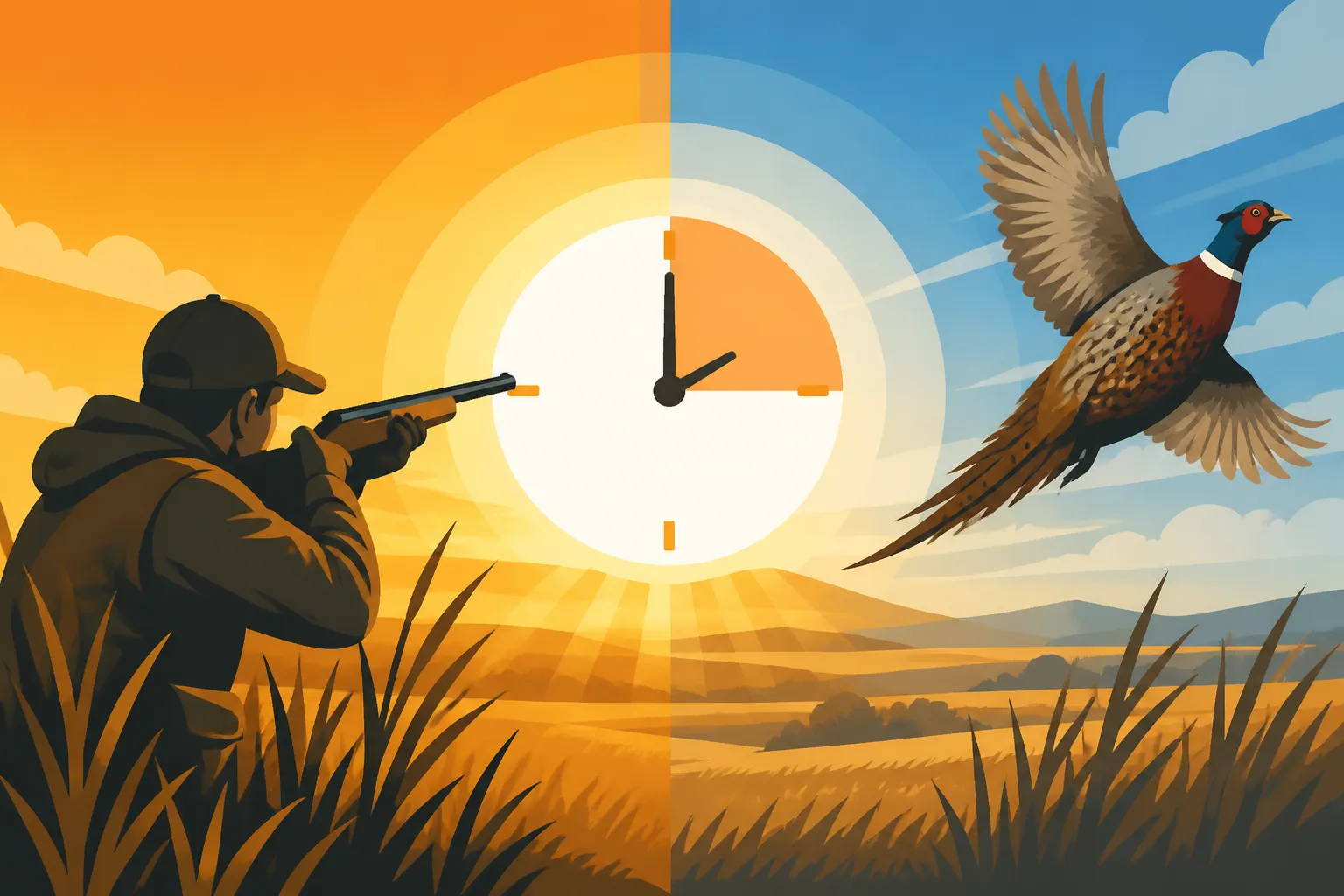
Ah, the infamous 10 a.m. start time for pheasant hunting in South Dakota. It's a rule that can certainly test your patience, especially when you're itching to get into the field at the crack of dawn, ready to bag some roosters. Many hunters, particularly those new to the state or traveling from elsewhere, often find themselves frustrated, wondering why on earth they can't start earlier. This comprehensive guide will peel back the layers, explaining the solid reasoning behind this specific shooting hour and, more importantly, how understanding pheasant behavior around this time can actually give you a strategic advantage, ensuring your hunt is both successful and ethical.
The Purpose Behind South Dakota's 10 a.m. Pheasant Start Time
It's easy to look at the 10 a.m. start time and just see a restriction, something that holds you back from those crisp, early morning hours. But the truth is, this specific regulation is deeply rooted in decades of wildlife management experience, a strong understanding of pheasant biology, and a commitment to preserving the quality of the hunting experience for everyone who visits or lives in the "Pheasant Capital of the World." It's not arbitrary; it's a carefully considered piece of the puzzle that helps sustain the incredible pheasant populations we all cherish.
Biological Rhythms and Ethical Hunting
Pheasants are creatures of habit, and their daily routine is heavily influenced by factors like light, temperature, and food availability. In the early morning hours, especially on a typical South Dakota fall day, the air is often cool, and the heavy dew can still be clinging to the grasses and cover. At this time, pheasants are generally still in or very near their roosting cover, which could be a thick cattail slough, a dense shelterbelt, or a tall grass field. They're often grouped up, waiting for the sun to burn off the dew and warm things up a bit before they move out to feed.
If hunting were allowed at sunrise, hunters would be pushing these birds directly off their roosts. This creates a few problems. First, it can lead to incredibly high initial harvest rates, as birds are concentrated and often reluctant to fly far in the heavy dew. They might flush quickly and then immediately drop back into the nearest heavy cover, making for chaotic, less sporting encounters. More critically, constantly being pushed off their roosts can stress the birds, disrupt their natural feeding patterns, and potentially lead to birds being "burned out" or educated very quickly, becoming much harder to hunt later in the day or season. The 10 a.m. start allows the birds to complete their natural morning routine, including moving from roosting sites to feeding areas, before hunting pressure begins. This makes for a more natural, fair chase, and ultimately, a more sustainable harvest.
Safety, Pressure, and Hunter Experience
Beyond biology, the 10 a.m. start time plays a significant role in hunter safety and managing hunting pressure. Picture this: hundreds of thousands of hunters hitting the fields simultaneously at dawn on opening weekend. The potential for unsafe situations, particularly with excited groups of hunters and dogs, would be exponentially higher in low light conditions. The later start ensures better visibility for everyone in the field, reducing the risk of accidents and fostering a safer environment.
Furthermore, it helps distribute hunting pressure. By holding off until 10 a.m., it naturally paces the hunt. It prevents a massive, overwhelming rush on the prime habitat right at first light. This allows for a more spread-out, less frenetic experience for hunters and gives the birds a chance to move and distribute themselves. This can be especially important on areas that see a lot of traffic, like public land. If you're planning to hunt some of the South Dakota Walk-In Areas Explained, this staggered approach is crucial for maintaining the quality of the hunting over the entire season. The state wants hunters to have a positive, memorable experience, and a regulated, safer start contributes significantly to that goal.
How Pheasants Behave Before the Shooting Hour
Understanding what pheasants are doing during those hours before 10 a.m. isn't just academic; it's crucial for planning a smart, successful hunt. It’s all about working with their natural rhythm, not against it. That early morning period, while you might be itching to hunt, is actually a golden opportunity for preparation and observation.
Morning Roosting and Feeding Patterns
As the sun begins to peek over the horizon, pheasants are typically still nestled deep within their roosting cover. This usually means thick, dense vegetation that offers protection from predators and the elements overnight. Think massive cattail sloughs, robust shelterbelts, or tall, undisturbed CRP (Conservation Reserve Program) grasslands. They’ve spent the night here, safe and warm, and they won't be in a hurry to leave until conditions are just right.
Once the sun climbs higher and starts to dry out the heavy morning dew, usually between 8:00 a.m. and 9:30 a.m., pheasants will begin to stir. Their first priority is often to head to feeding areas. These can be nearby crop fields—especially corn, sorghum, or sunflower fields—or even areas with weed seeds and waste grain. They'll scratch around, filling their crops, and socializing a bit. This is a critical window for them, and it's why disrupting it can be so detrimental. Pushing birds during this delicate transition from roost to feed can scatter them widely, make them run rather than flush, and generally make them harder to predict later in the day. Instead of forcing the issue, this is your time to watch and learn, preparing for the hunt to come.
The Impact of Dew and Ground Scent
The presence or absence of morning dew has a huge impact on pheasant behavior and, critically, on how effectively your hunting dogs can work. In the early hours, with heavy dew on the ground, a pheasant's scent is often "washed out" or held low to the ground. This makes it incredibly difficult for a dog to pick up and follow a scent trail. A bird that runs through heavy dew might leave a minimal scent cone, making it a frustrating experience for even the best pointing dogs or flushers. If you've ever wondered why your dog seems to be struggling early on, this could be a major factor. You can learn more about the differences when considering Pointing Dogs Versus Flushers on Wild Birds.
By 10 a.m., especially on a sunny day, the dew has usually dried considerably. This allows ground scent to rise and disperse more effectively, making it much easier for a dog's nose to do its job. It's a noticeable difference. Suddenly, your dog goes from struggling to confidently following a hot track. This natural drying period is another reason why the 10 a.m. start is so beneficial: it optimizes conditions for effective dog work, which is such a vital part of the South Dakota pheasant hunting experience. Without good scenting conditions, birds are more likely to run far ahead of the dogs, often out of gun range.
Adapting Your Hunt Strategy for the 10 a.m. Start
The 10 a.m. start time isn't a roadblock; it's an opportunity. It forces you to think differently, to be more strategic, and ultimately, to become a more patient and observant hunter. Rather than lamenting the lost early morning, savvy hunters use those initial hours to their advantage, setting themselves up for success when the legal shooting light finally arrives.
Pre-10 a.m. Scouting and Preparation
So, what do you do before 10 a.m.? You scout! This is prime time for reconnaissance. Instead of pushing birds illegally, you can drive around, safely observe fields from public roads, and watch where birds are moving. Pay attention to fence lines, shelterbelts, food plot edges, and the entrance points to large blocks of cover. Many hunters rely on mapping applications like GoHunt to scout areas from home, marking potential roosting and feeding locations. This pre-hunt scouting allows you to confirm your suspicions about bird locations or discover new ones.
Use this time to finalize your game plan. Discuss tactics with your hunting partners: who will walk, who will block, where will you stage vehicles? Check the wind direction – a crucial element for planning effective drives. Ensure all your gear is ready, dogs are hydrated, and everyone knows the safety protocols. This quiet preparation can drastically improve your efficiency once the clock strikes ten. You could even use this time to revisit maps or aerial imagery to solidify your plan for Walking and Blocking South Dakota Cattail Sloughs.
Effective Tactics for the Mid-Morning Flush
When 10 a.m. finally rolls around, the birds will have already completed their morning feed and started to move back towards heavier cover to loaf for the day. This means your initial strategy should focus on intercepting them during this transition or pushing them out of the lighter cover they might have used to feed.
Start by hitting edges of cornfields, lighter grass strips, or smaller blocks of cover adjacent to known feeding areas. Birds that are still working their way back to heavy cover will often be found here. Work these areas slowly and methodically. As the morning progresses and hunting pressure builds, birds will get pushed deeper into the thickest, nastiest cover available – the very stuff you might have been tempted to hit first thing. This is when you bring out the heavy hitters: long walks through expansive cattail sloughs, dense tree belts, or vast CRP fields. The 10 a.m. start essentially condenses the "prime time" of the pheasant hunt, making every minute count, especially on Hunting South Dakota Walk-In Areas.
Sustaining the Hunt Through Midday and Afternoon
Don't make the mistake of thinking the hunt is over after the initial 10 a.m. rush. Pheasants don't disappear; they just change their behavior and location. As the day warms up and pressure mounts, birds will seek out the thickest thermal cover they can find. This means pushing those deep, dense sloughs, plum thickets, and large blocks of switchgrass or tall cattails. Birds will often be reluctant to flush, preferring to run ahead of dogs or hunker down. This is where patience, slow walking, and good dog work truly pay off. Consider tactics for Late-Season South Dakota Pheasants in Heavy Cover even in early season, as pressured birds adopt similar evasive actions.
Many hunters take a break for lunch or a rest during the midday lull, which is a smart move. When you return, focus on those really tough pieces of cover that other hunters might have skipped or only half-heartedly worked. These hidden gems often hold pressured, resilient birds. Tools like GoHunt can help you identify these overlooked pockets on public land or confirm the boundaries of accessible private ground. Remember, pheasants are experts at hiding, and the 10 a.m. start sets up a scenario where the most tenacious hunters often reap the rewards later in the day.
Navigating Common Challenges and Maximizing Your Success
Even with the best planning, pheasant hunting in South Dakota presents unique challenges, especially when working within the 10 a.m. start time. Understanding how to address these can be the difference between a frustrating day and a memorable one.
Handling Pressure and Choosing the Right Cover
South Dakota pheasant hunting, particularly during the early season and opening weekends, can be crowded. You'll see other hunters, and your chosen cover might already have been walked by another group. This is where your pre-10 a.m. scouting and understanding of bird behavior become invaluable. If you've observed birds moving into a particular piece of cover, or if your GoHunt app reveals an access point less traveled, you might find untouched pockets.
When dealing with pressure, consider hitting smaller, less obvious cover earlier in the day. Other groups might be focusing on the grand, imposing sloughs. Sometimes, a narrow grass ditch or a small, overlooked plum thicket can hold birds that have been pushed out of larger areas or that simply prefer quieter spots. As the day wears on, and some of the initial hunting pressure subsides, you can then move to the larger, heavier cover, knowing that birds have likely retreated there. Don't be afraid to walk a little farther than everyone else. Those extra miles often lead to less pressured birds and better hunting opportunities.
Ethical Considerations and Respecting the Resource
The 10 a.m. start time isn't just a rule; it's a foundation for ethical hunting practices in South Dakota. Respecting this time means respecting the birds and the regulations designed to ensure their long-term health and the quality of the hunting experience for all. Never be tempted to "sneak in" a hunt before the legal shooting hour. Not only is it illegal, but it undermines the principles of fair chase and responsible wildlife management.
Beyond the start time, ethical hunting includes proper bird identification (ensuring you only shoot roosters), safe gun handling, and having well-trained dogs that can efficiently retrieve downed birds, minimizing crippling losses. Understanding why the 10 a.m. rule exists helps reinforce this broader commitment to being a responsible hunter. It ensures that the tradition of pheasant hunting in South Dakota remains vibrant for generations to come. When you're out there, always remember your Blaze Orange Rules on a Bird Hunt and practice Safe Gun Handling on a Bird Drive.
Here's a quick look at how pheasant behavior shifts throughout a typical hunting day, keeping that 10 a.m. start in mind:
| Time Frame | Pheasant Behavior | Hunter Strategy | Scenting Conditions | Hunting Pressure |
|---|---|---|---|---|
| Pre-10 a.m. | Roosting in thick cover, then moving to feed in crop fields. | Scouting, observing bird movement, planning drives, vehicle staging. | Poor (heavy dew) | Minimal (no legal hunting) |
| 10:00 a.m. – 12:00 p.m. | Moving from feeding areas back to heavier cover; still active. | Target edges of feeding fields, lighter cover, then transition to thick cover. | Improving (dew drying) | High (initial rush) |
| 12:00 p.m. – 3:00 p.m. | Loafing, sunning, deep in thickest cover, reluctant to flush. | Focus on deep sloughs, dense shelterbelts, hard-to-reach areas. | Good | Moderate (some break for lunch) |
| 3:00 p.m. – Legal Close | Becoming more active, potentially moving back towards feeding areas. | Work heavy cover again, focus on escape routes and travel corridors. | Good | Decreasing (hunters leaving) |
Disclaimer
Please remember that hunting regulations, seasons, and licensing requirements can change. Always consult the most current South Dakota Game, Fish and Parks (GFP) official regulations and publications before planning and undertaking any hunting activity. This guide is for informational purposes only and should not replace official sources.