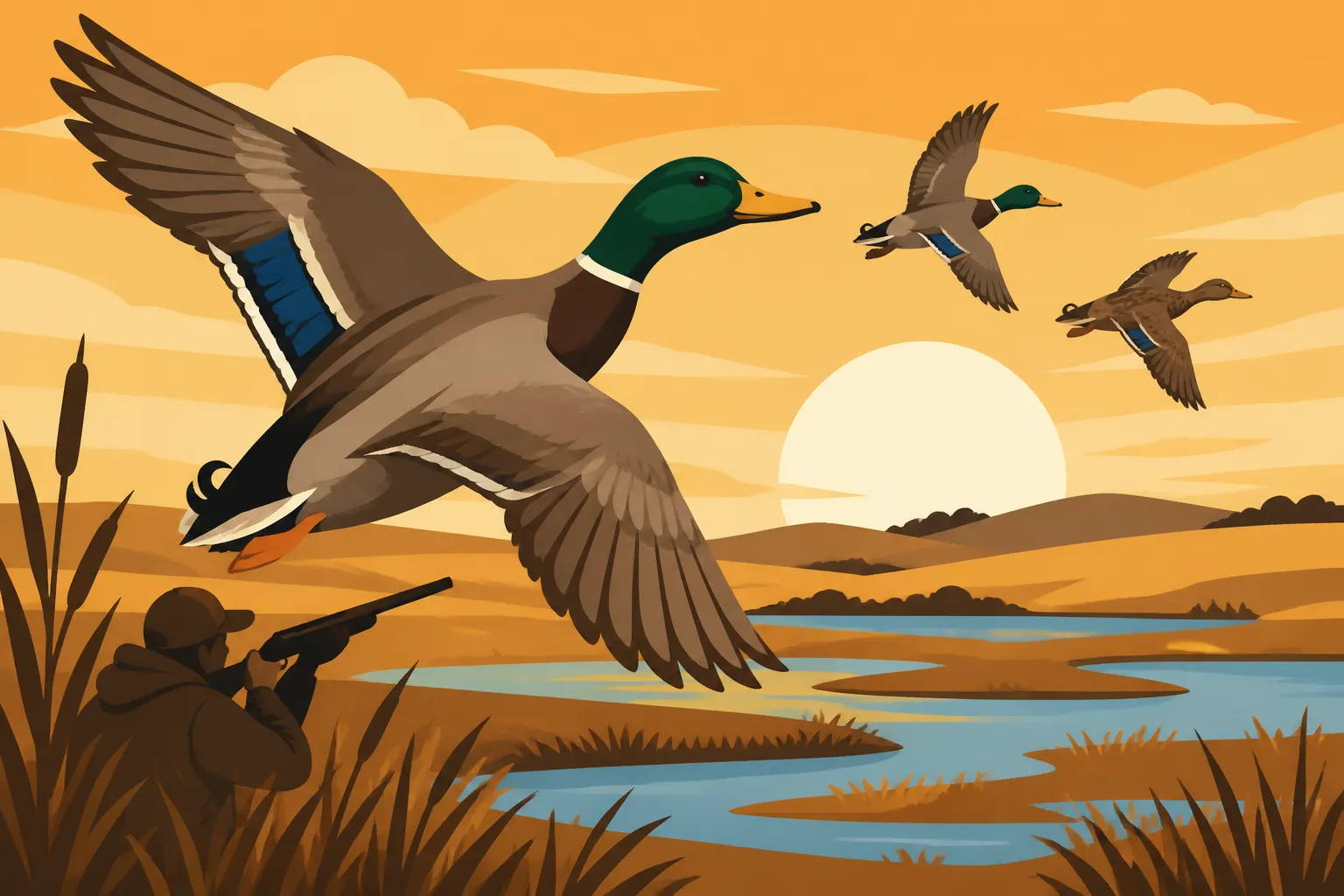
Duck Production on South Dakota Prairie Potholes
For many of us who cherish the tradition of waterfowling, the health of our duck populations is a constant concern. It’s easy to feel a sense of uncertainty when you hear about habitat loss or fluctuating bird numbers. But here in South Dakota, we are incredibly fortunate to be at the heart of the "duck factory" – the prairie potholes. This guide will take a deep dive into the fascinating and vital role these unique wetlands play in duck production, exploring what makes them so special, the species that rely on them, and the critical conservation efforts that keep them thriving.
The Critical Role of Prairie Potholes for Duck Production
When you look across the undulating landscape of eastern South Dakota, you're not just seeing fields and grass; you're seeing the remnants of a glacial past that created one of the most productive ecosystems on Earth for waterfowl. These aren't just puddles; they are the cradle of life for millions of ducks, geese, and other wetland-dependent species. Understanding their intrinsic value helps us appreciate every flush and every cupped-wing approach.
What Makes a Pothole a Nursery
The magic of a prairie pothole lies in its unique geology and hydrology. These depressions, carved by ancient glaciers, are typically shallow, holding water for varying durations. This ephemeral nature is precisely what makes them so incredibly rich. When spring thaws and rains fill these basins, they become teeming nurseries. The shallow water heats up quickly under the prairie sun, triggering an explosion of invertebrate life – insect larvae, scuds, snails, and other tiny creatures. This protein-rich buffet is absolutely critical for egg-laying hens and rapidly growing ducklings. Hens need this high-energy food source to recover from migration and produce viable eggs, while ducklings, with their insatiable appetites, grow at an astonishing rate on this nutrient-dense diet. Without these shallow, productive waters, the foundational food chain simply wouldn't exist for these young birds.
The Importance of a Diverse Wetland Complex
It's rare to find an isolated pothole truly producing ducks in great numbers; it's the complex of many different wetlands working together that truly sustains populations. Imagine a mosaic of water bodies: small, temporary potholes that pop up with spring rains, acting as initial feeding grounds for arriving pairs; medium-sized semi-permanent wetlands that hold water longer, perfect for brood-rearing with ample escape cover; and larger, more permanent wetlands that might provide late-season refuge or deeper water for diving ducks. Each type of wetland in the complex offers something unique, catering to different species and different stages of a duck's life cycle. This diversity ensures that as conditions change throughout the breeding season – water levels drop, food sources deplete in one spot – ducks have options to move and continue thriving. The surrounding upland cover, too, plays a crucial role, providing secure nesting sites close to these vital water sources.
Geographic Scope: South Dakota's Pothole Region
When people talk about the "duck factory," they're often referring to the vast expanse of the Prairie Pothole Region (PPR) that stretches across the northern Great Plains, with South Dakota sitting squarely in its heart. This region is a true natural wonder, and its contribution to continental waterfowl populations is simply immense.
East River's Glacial Legacy
The eastern half of South Dakota, often referred to as "East River," is the epicenter of our state's prairie pothole country. This landscape was sculpted by massive glaciers during the last ice age, leaving behind an undulating terrain dotted with hundreds of thousands of depressions. These depressions, over time, became the potholes we know today, filling with snowmelt and rain. The Coteau des Prairies, a highland plateau in northeastern South Dakota, is particularly famous for its incredible density of wetlands. Areas like Marshall, Day, and McPherson counties are renowned for their incredible bird production. This glacial legacy means that year after year, given adequate moisture, these regions reliably churn out ducks, acting as a critical engine for the entire Central Flyway. It's why hunters flock to this state, understanding that the historical and current significance of this area for South Dakota Waterfowl on the Central Flyway is unparalleled. When planning your trips, understanding these historical hotspots can be crucial, and tools like GoHunt's mapping features can really help you visualize and explore these water-rich regions.
Pothole Distribution and Density
While potholes exist across much of South Dakota to some degree, their distribution and density are dramatically higher in the East River region compared to the more arid West River country. This concentration of wetlands creates an unparalleled breeding environment. Imagine flying over a landscape where almost every field, every low spot, holds some form of water. This means breeding pairs don't have to travel far to find suitable nesting habitat and brood water. This abundance leads to higher nesting attempts and, crucially, higher duckling survival rates. The sheer number of potholes also offers a buffer against localized drought conditions; even if some dry up, others may persist. The dynamic nature of these wetlands, constantly fluctuating with rainfall, means ducks are inherently adapted to seek out the best conditions, and having such a dense distribution gives them options that simply don't exist in other regions.
Environmental Factors Shaping Duck Numbers
You can have all the potholes in the world, but without the right environmental conditions, duck production can falter. It's a delicate balance, and understanding these key factors helps explain the year-to-year fluctuations we see in duck numbers, impacting everything from local populations to the entire flyway.
The Power of Spring Rainfall and Water Levels
Nothing dictates the success of a duck breeding season in South Dakota quite like spring rainfall and the resulting water levels. We often hear about "wet cycles" and "dry cycles" on the prairie, and these directly correlate with duck production. When we have ample snowfall over winter and generous spring rains, potholes fill to the brim, creating abundant habitat. More water means more available breeding territories, which encourages more breeding pairs to settle down and attempt to nest. It also means healthier wetlands, translating to more invertebrates and lush vegetation for growing ducklings. Conversely, during dry years, many potholes might not even fill, or they dry up quickly, creating "habitat bottlenecks" where competition for dwindling resources becomes fierce, and many birds might bypass the region entirely or have much lower nesting success. The amount of water on the landscape is the single biggest driver for Prairie Pothole Duck Production.
Nesting Cover and Predator Pressure
Beyond water, secure nesting cover is absolutely paramount for successful duck production. Hens are remarkably persistent, but they need dense, undisturbed cover, usually in upland grasses surrounding the potholes, to hide their nests from predators. Programs like the Conservation Reserve Program (CRP) have been a godsend in providing this critical nesting habitat. Without it, nests are far too vulnerable. Speaking of vulnerability, predator pressure is another significant environmental factor. Skunks, foxes, raccoons, badgers, and even coyotes are all keen hunters of duck nests and ducklings. While predators are a natural part of the ecosystem, abnormally high predator populations can severely impact nest success rates. This challenge leads to ongoing efforts by wildlife managers to maintain a balance, sometimes through predator management or through initiatives that encourage wider, more predator-resistant nesting cover.
| Wetland Type | Primary Function for Ducks | Water Permanence | Key Characteristics |
|---|---|---|---|
| Temporary Wetlands | Early spring feeding for breeding pairs | Short-lived | Shallow, quickly warms, abundant invertebrate flush |
| Seasonal Wetlands | Nesting habitat, brood rearing | Variable | Holds water longer, diverse vegetation, good cover |
| Semi-Permanent Wetlands | Brood rearing, molting habitat, migration stops | Mid-to-long | Deeper margins, emergent vegetation, reliable food |
| Permanent Wetlands | Refuge, wintering grounds (if unfrozen), diving duck habitat | Year-round | Deep water, diverse aquatic plants, stable |
Key Duck Species Thriving in South Dakota's Potholes
South Dakota's prairie potholes are not just a general duck factory; they are particularly productive for specific species, especially those known as "dabbling ducks." However, the region supports a diverse array of waterfowl, each with its own preferred habitat within this rich tapestry of wetlands.
Dabblers Dominate the Landscape
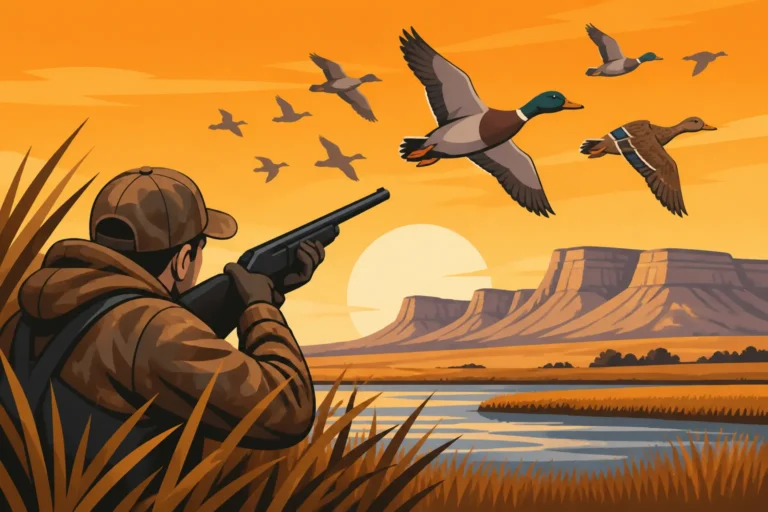
The shallow, vegetated nature of most prairie potholes makes them ideal for dabbling ducks – those species that feed by tipping their heads down to graze on submerged vegetation and invertebrates near the surface, rather than diving. Iconic species like mallards, pintails, blue-winged teal, gadwalls, widgeon, and green-winged teal are the backbone of South Dakota's duck production. Blue-winged teal, in particular, are abundant, known for being early nesters and incredibly productive in the pothole region. Mallards, of course, are ubiquitous and highly successful. These birds thrive on the rich invertebrate life of the shallow potholes and the diverse seeds from wetland vegetation. The sheer numbers of these dabblers that originate from South Dakota significantly contribute to hunting opportunities not just here, but all along the Central and Mississippi Flyways. Understanding their habits can really improve your success when you're Decoying Ducks on a South Dakota Prairie Pothole.
Divers and the Deeper Waters
While dabblers might steal the show in terms of sheer numbers produced in the classic shallow potholes, South Dakota's more permanent, deeper wetlands and larger lakes also support a healthy population of diving ducks. Species like redheads, canvasbacks, and ruddy ducks prefer these deeper waters where they can dive to feed on tubers, mollusks, and other aquatic life found on the bottom. Redheads are quite common breeders in the state, often utilizing the larger, more vegetated semi-permanent wetlands. Canvasbacks, while less numerous as breeders, also find suitable habitat. Though they might not dominate the "pothole production" narrative in the same way as the dabblers, their presence adds immense biological diversity and offers different hunting challenges. If you're looking for these birds, you might focus on larger bodies of water rather than just the small, ephemeral potholes, possibly checking resources like GoHunt to help identify these specific types of water bodies.
Conservation Efforts and Their Impact
The incredible productivity of South Dakota's prairie potholes is not something we can take for granted. Decades of habitat loss, primarily through wetland drainage and grassland conversion, have underscored the critical need for robust conservation efforts. Thankfully, a dedicated community of conservationists and hunters works tirelessly to protect and restore this invaluable landscape.
The Role of Wetland Restoration and Preservation
The historical conversion of wetlands for agriculture has had a profound impact on duck populations. Recognizing this, numerous organizations and government agencies have stepped up to champion wetland restoration and preservation. Groups like Ducks Unlimited, the US Fish and Wildlife Service, and state agencies like South Dakota Game, Fish and Parks are actively involved in acquiring, restoring, and enhancing wetland habitats. This often involves plugging drainage tiles, creating dikes, and re-establishing native vegetation to bring wetlands back to life. Additionally, programs like the Conservation Reserve Program (CRP) pay landowners to convert marginal cropland back into native grasses, providing crucial nesting cover around these restored and existing wetlands. These areas become vital South Dakota Waterfowl Production Areas, creating safe havens for breeding ducks. You can use platforms that incorporate land status, like GoHunt, to identify these protected areas and understand their importance on the landscape.
Hunter Dollars and Habitat Initiatives
Perhaps one of the most powerful forces driving waterfowl conservation is the dedication and financial contribution of hunters. It’s a conservation model that every hunter should be proud of. Every time a hunter purchases a South Dakota hunting licence, a South Dakota Habitat Stamp Price, or a Federal Duck Stamp, a significant portion of those funds directly goes towards habitat acquisition, restoration, and management. This isn't just about preserving duck hunting; it's about preserving the entire wetland ecosystem, which benefits countless other species of birds, mammals, and amphibians. These "hunter dollars" are the lifeblood of many initiatives that ensure Prairie Pothole Duck Production continues for future generations. This self-funding conservation model is incredibly effective, enabling long-term projects, scientific research, and ongoing land management that are absolutely essential for maintaining the vibrant duck populations that make South Dakota so special for Waterfowl Hunting the South Dakota Prairie. Without this continuous investment, the future of our duck populations would look very different.
Disclaimer
This article is for general informational purposes only and does not constitute professional advice. Laws, prices and regulations vary by location and change over time. Consult a qualified professional for guidance on your specific situation.