Retrieving Game From Private Land
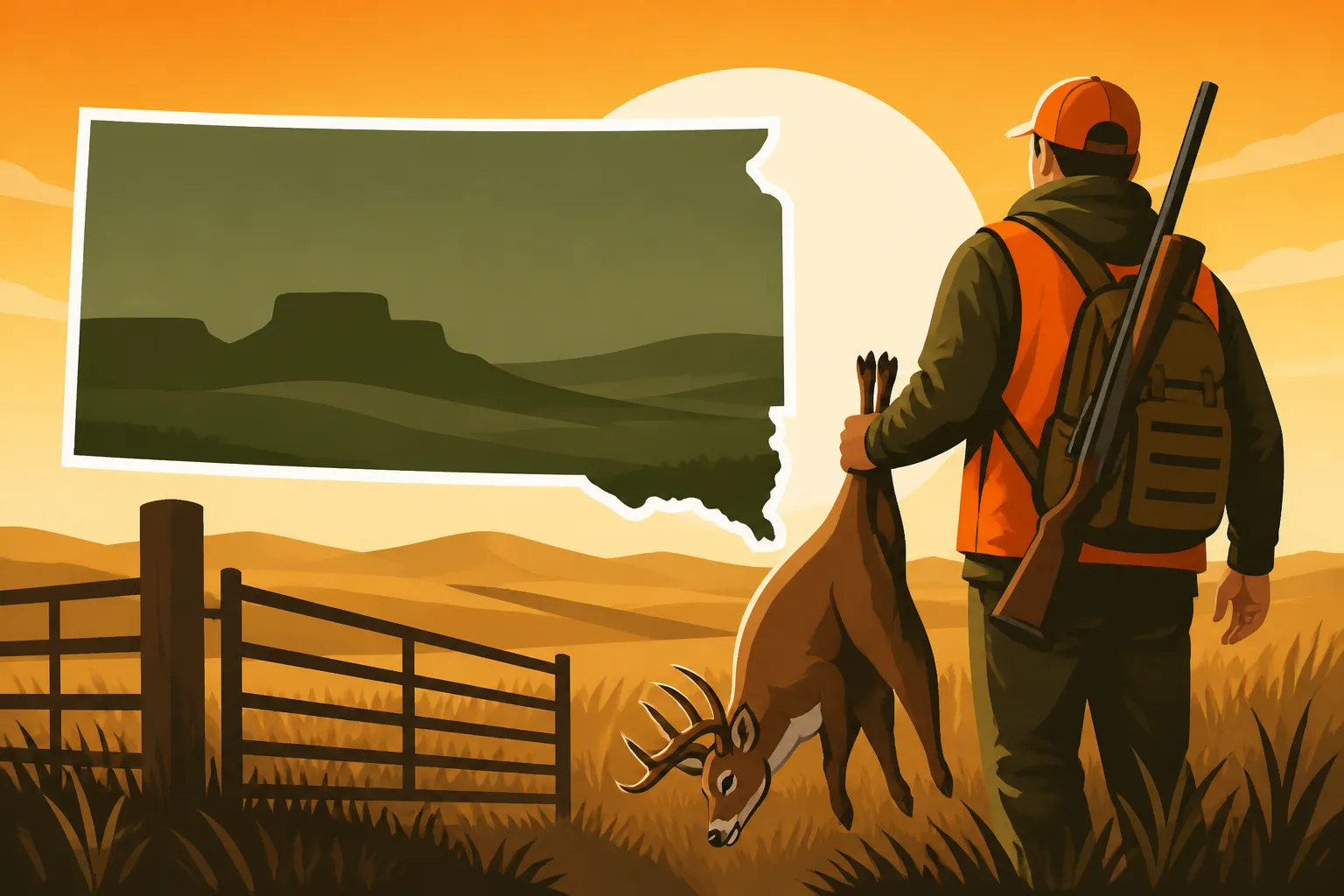
There's almost nothing more heartbreaking, or more frustrating, than making a great shot on a magnificent South Dakota animal only to watch it run a short distance and expire just over a fence line onto land you don't have permission to hunt. It happens to the best of us, and the ethical dilemma that follows can feel like a heavy weight. Do you risk trespassing to recover your hard-earned game, or do you let it go to waste? This guide is here to walk you through the proper steps for retrieving game from private land in South Dakota, ensuring you stay legal, respectful, and hopefully, successful.
Understanding South Dakota Trespass Laws for Game Retrieval
Let's be honest, the moment your buck or rooster crosses that fence onto private property, your heart sinks. You know the animal is yours, but the land isn't. South Dakota law is pretty clear about trespass, and it’s critical to understand these rules before you ever step foot off public or permitted land. The general rule of thumb is that any entry onto private land without permission, whether posted or not, constitutes trespass. This isn't just a minor infraction; it can carry serious penalties, including fines and potential loss of hunting privileges.
The Legal Nuances of Unarmed Retrieval
South Dakota law does offer a very narrow, specific allowance for retrieving wounded game. You might hear people talk about "unarmed pursuit," but it's not a free pass. The law generally states that a hunter may unarmed enter private land without permission to retrieve wounded game if the animal was shot on public land or land where the hunter had permission. Key word there: unarmed. This means no rifle, no shotgun, no bow. Just you, maybe a dog on a leash, and your wits. Even then, you must leave the area immediately after retrieving the game. This provision is meant to prevent waste, but it doesn't give you license to spend an hour tracking, let alone to continue hunting. It's a quick in and out, and the spirit of the law implies you should still try to gain permission if at all possible, as we'll discuss. Many folks still err on the side of caution and always seek permission, even for an unarmed retrieve, because landowner relations are so vital in South Dakota. For a deeper dive into these regulations, check out South Dakota Trespass Law and Posted Land.
When Permission is Absolutely Non-Negotiable
While the unarmed retrieval clause exists, relying on it as your first option is risky and often counterproductive to good landowner relations. Permission is always, unequivocally, the best and most respectful route. If the game is still alive and you need to dispatch it, or if you plan to spend any significant time on the property tracking a difficult blood trail, permission is absolutely non-negotiable. Trying to track a wounded animal, especially if it's still mobile, while unarmed, is not only dangerous but impractical. You need to be able to finish the job. Even if the animal is clearly expired, taking a few extra minutes to field dress it, or requiring a vehicle to get it out, necessitates explicit permission. Any situation that goes beyond a swift, unarmed retrieval requires you to have that conversation with the landowner. Understanding South Dakota Landowner Permission Basics is crucial here.
Proactive Steps Before the Shot is Fired
Preventing the dilemma of game crossing onto private land starts long before you even pull the trigger. Being prepared and respectful can save you immense stress and prevent potential conflicts. In South Dakota, where private land makes up a significant portion of the hunting landscape, this preparation is not just good practice, it's essential for a successful and ethical hunt.
Scouting and Mapping Property Boundaries
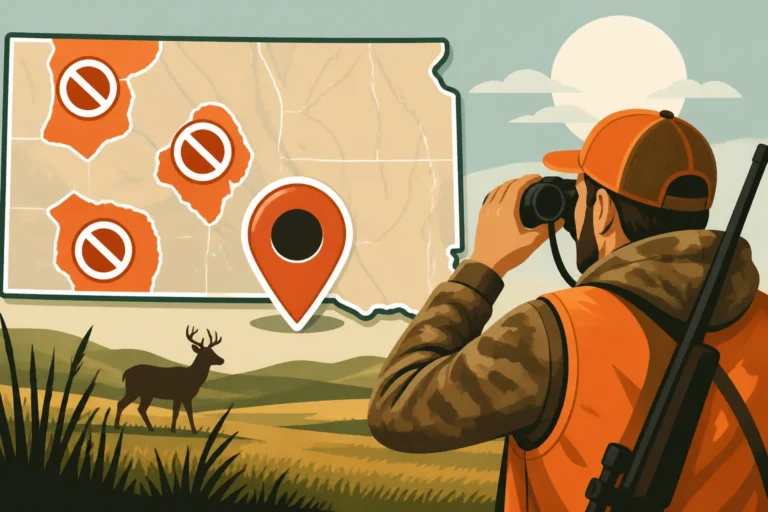
Modern technology has revolutionized how we understand land ownership. Tools like onX Hunt and GoHunt have become indispensable for South Dakota hunters. Before you even set foot in the field, use these apps to meticulously scout your hunting area. Understand exactly where public land ends and private land begins. Identify the landowners of adjacent properties. This isn't just about knowing where not to go; it's about being prepared for that unfortunate scenario when game crosses.
Imagine you're hunting a public Walk-In Area (WIA) along a river bottom. Using your mapping app, you can see that a large alfalfa field borders the WIA to the north, owned by the Smith family. To the east, it's a cattle pasture belonging to the Johnsons. Having this information on hand means if a pheasant sails into Smith's alfalfa or a deer heads into Johnson's pasture, you're not caught flat-footed. You know whose land it is and potentially how to contact them. Pay close attention to onX Layers for South Dakota Land Status to get the most out of your mapping software.
Establishing Relationships with Landowners
The best time to ask for permission to retrieve game isn't after the shot, it's before the season, or even before you start your hunt for the day. If you plan to hunt an area near private property, take the initiative to introduce yourself to the neighboring landowners. A simple knock on the door, a polite introduction, and an honest explanation of your intentions can go a long way.
You might say something like, "Good morning, Mr. Johnson, my name is Alex and I'm planning to hunt the WIA down the road. I wanted to introduce myself and humbly ask if, in the unfortunate event that I wound an animal and it crosses onto your pasture, I might have permission to retrieve it?" Be clear you're only asking about retrieval, not hunting their land. Offer your phone number. Even if they say no, you've established a respectful line of communication. Often, landowners appreciate the courtesy and are more likely to grant permission when asked in advance. This upfront effort can prevent a lot of headaches later. For more tips on how to approach this, read Asking a South Dakota Landowner for Permission.
What to Do Immediately After Game Crosses onto Private Land
The moment your animal runs onto private property, panic can set in. But this is precisely when you need to keep a clear head and follow a structured approach. Your actions in the first few minutes can make all the difference in whether you recover your game legally and respectfully.
Securing the Scene and Marking the Last Known Location
Do NOT immediately chase the animal onto private land, even if it looks like it's just a few feet away. Your first priority is to mark the last place you saw the animal on your side of the fence line or property boundary. Use a hat, a piece of blaze orange, or a GPS waypoint on your onX Hunt app. This exact spot is crucial for two reasons: it tells you where the animal entered the private property, and it proves you didn't illegally pursue it across the line.
Once the spot is marked, unload your firearm or secure your bow. This is the moment you transition from hunter to retriever, and it’s absolutely vital to be unarmed if you even consider crossing the fence. Then, retreat a short distance from the property line to give yourself space to think and make calls. This also prevents you from appearing to be actively hunting or stalking on someone else's property.
Initiating Contact with the Landowner
With your firearm safely unloaded and the last location marked, your next immediate step is to contact the landowner. This is where your pre-hunt scouting comes into play. If you've already introduced yourself or have their contact information, use it. Call them. If you don't have their number, you might have to locate their residence and approach them in person, but only if you know for sure it's their property and you approach respectfully.
When you contact them, be calm, polite, and explain the situation clearly. "Mr. Johnson, this is Alex, we spoke earlier. I'm hunting the WIA, and I just shot a pheasant that flew into your alfalfa field. It appears to be down. I was hoping I could get your permission to retrieve it. I'm unarmed, and I'll be quick and careful." Emphasize that you are unarmed, that you will respect their property, and that you will leave immediately after retrieving the game. Offer to show them where the animal went down. Your demeanor is everything here. A frantic or demanding approach will almost always result in a denial.
Involving Law Enforcement or Game Wardens
What if you can't reach the landowner, or they explicitly deny permission? This is a tough spot, and frankly, it's where many hunters feel stuck. At this point, your best course of action is to contact a local game warden or county sheriff. Explain the situation to them calmly and precisely. Provide them with the location, the type of animal, and the fact that you've attempted to contact the landowner without success or were denied.
Law enforcement or a game warden may be able to contact the landowner on your behalf, or in some rare cases, might accompany you onto the property. They have the authority to mediate these situations and ensure laws are followed, for both you and the landowner. However, they are not obligated to assist in every retrieval, and their primary concern is public safety and legal compliance. Do not expect them to force a landowner to grant access. They can, however, document your good faith efforts, which could be important if any future issues arise. Knowing Reporting Poaching in South Dakota is relevant if you suspect someone else might try to claim your downed game, but primarily, this is about legal retrieval.
Respectful Practices for a Successful Retrieval
Once you've made contact and hopefully secured permission, the way you conduct yourself during the retrieval process is critical. This isn't just about getting your game; it's about maintaining a positive image for all hunters and respecting the property owner's generosity.
Approaching the Landowner with Courtesy
Even if you're stressed and anxious about losing your game, always approach the landowner with the utmost courtesy and respect. Their property is their sanctuary, their livelihood, or both. You are asking for a favor, not asserting a right. Keep your tone humble and appreciative.
If they grant permission, ask if there are any specific entry points or routes they'd prefer you to use. "Is there a gate I should use, or a particular path to avoid disturbing anything?" Offer to close any gates you open, drive slowly if you're on a private lane, and be mindful of livestock or crops. Bring a small gift as a thank you later, like a gift card to a local coffee shop or a bottle of something they might enjoy. This thoughtful gesture of Gifts and Thanks for Landowner Access can cement a positive relationship, potentially opening doors for future hunting opportunities, or at the very least, making them more amenable if this situation arises again for you or another hunter.
Considerations for Time and Day
Think about when you are making this request. Showing up at 5:00 AM on a Sunday morning, or late into the evening, might not be the best time to ask a busy landowner for a favor. Try to make your request during reasonable daylight hours. If the landowner is busy with chores, farming, or family, respect their schedule.
| Situation | Recommended Action | Considerations |
|---|---|---|
| Game Down, Visible, Unarmed Access Possible | Mark last seen location, unload weapon. Immediately attempt landowner contact. Proceed unarmed if granted permission or if strictly adhering to the unarmed retrieval clause. | Be quick, leave no trace. Be absolutely certain you are unarmed. Avoid disturbing anything. |
| Game Wounded, Needs to be Dispatched | Mark last seen location, unload weapon. Immediately attempt landowner contact. Do not pursue armed without explicit permission. | Game warden contact is a good secondary step if landowner unavailable or denies armed access. Safety first. |
| Landowner Unreachable | Mark location, unload weapon. Contact local game warden or county sheriff, explain situation. | Wardens may assist or advise. Do not trespass without permission even if unreachable. |
| Landowner Denies Access | Respect their decision. Do NOT trespass. Contact local game warden for advice on next steps. | Losing game is tough, but a citation or criminal charge is worse. Your legal standing is paramount. |
| Retrieval Requires Vehicle/Significant Time | Always secure explicit landowner permission for vehicle access or extended time on property. | Less intrusive options are always preferred. Offer to walk if a vehicle isn't absolutely necessary. |
What to Do if Permission is Denied
This is the hardest part, and it's where ethics and legality collide with the gut feeling of wasted effort and resources. If a landowner denies you permission, you must respect their decision. It's their private property, and they have every right to refuse access. Do not argue, do not complain, and under no circumstances should you trespass.
It's an unfortunate reality that sometimes, despite your best efforts and ethical intentions, you simply cannot recover your game. In this situation, the best you can do is to notify the game warden that you have a downed animal on private property where you were denied access. This prevents you from being cited for wanton waste (leaving game to rot) and documents your attempts to recover the animal. While it's a bitter pill to swallow, maintaining your integrity and adhering to the law is paramount. Hunting is a privilege, and preserving landowner relations is key to that privilege. For any general licensing and safety questions, you might find South Dakota Hunter Safety Requirements helpful.
Ultimately, navigating the complexities of game retrieval from private land in South Dakota boils down to preparation, respect, and adherence to the law. By understanding the rules, building relationships, and acting with courtesy, you not only increase your chances of recovering your game but also uphold the honorable traditions of hunting in our great state.
Disclaimer
This article is for general informational purposes only and does not constitute professional advice. Laws, prices and regulations vary by location and change over time. Consult a qualified professional for guidance on your specific situation.