Missouri River Hunting Access in South Dakota
For many hunters, the Missouri River in South Dakota represents a truly unique, often bewildering, blend of opportunity and frustration. You see those vast expanses of water, the rugged breaks, and the winding timber, and your hunter's heart races with the possibilities. Yet, actually accessing and hunting these areas can feel like solving a complex puzzle, especially with the ever-changing boundaries of public and private land. This comprehensive guide is designed to help you decode the nuances of hunting access along South Dakota's mighty Missouri River, providing practical strategies and insights to make your next hunt a success.
Understanding the Missouri River System for Hunters
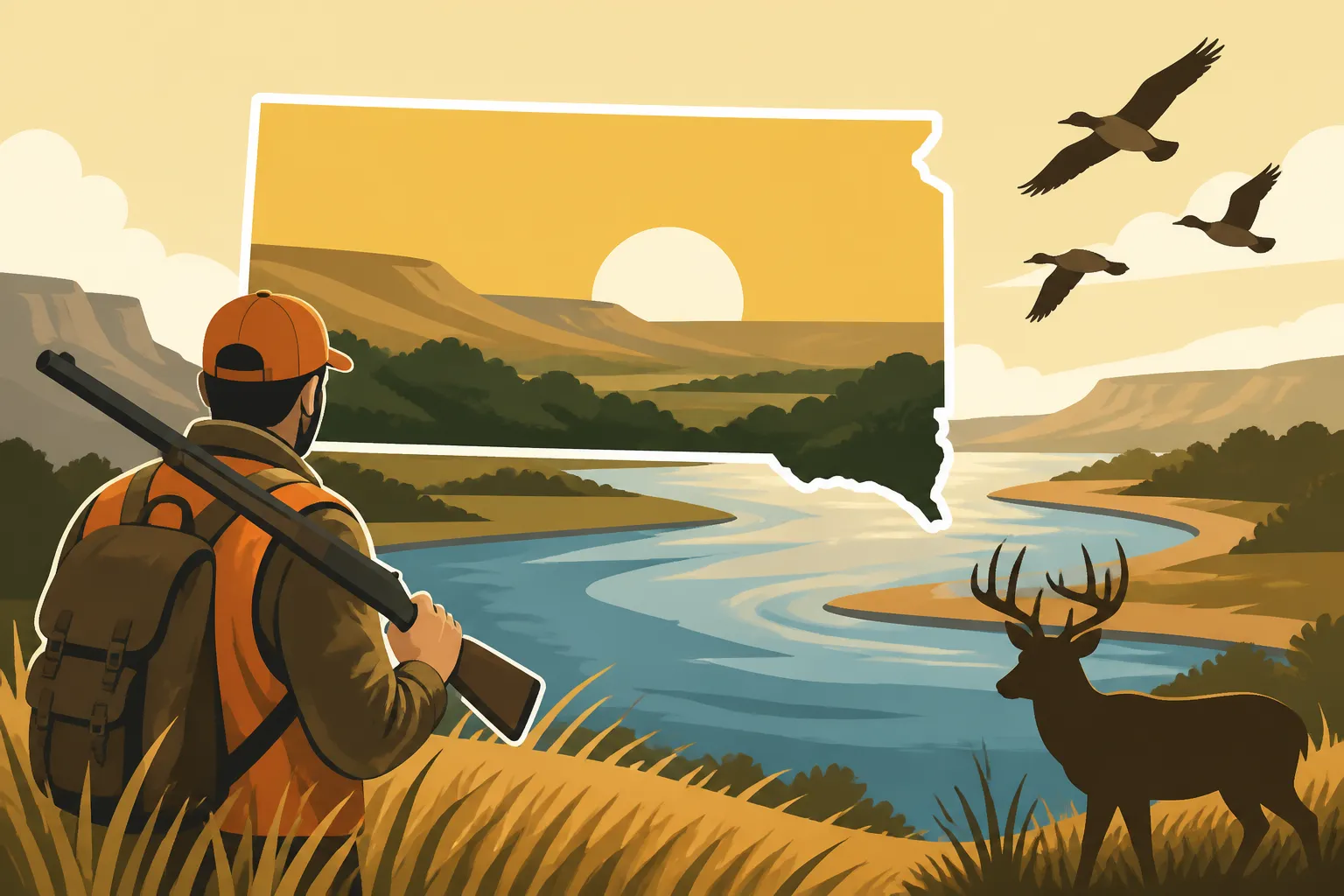
The Missouri River, as it carves its way through South Dakota, isn't just a river anymore; it's a series of massive impoundments, often referred to as the "Great Lakes" of the state. These reservoirs—Lake Oahe, Lake Sharpe, Lake Francis Case, and Lewis and Clark Lake (Gavins Point)—have transformed the landscape, creating diverse and challenging hunting opportunities.
The 'Great Lakes' of South Dakota and Their Draw
Let's be real, the sheer scale of these reservoirs is enough to make any hunter pause. These aren't your typical prairie potholes or river bends; they are expansive bodies of water, miles wide in places, flanked by everything from steep, cedar-choked breaks to fertile agricultural fields and dense cottonwood timber. This incredible diversity in habitat is precisely what makes them so appealing for a wide array of game. You might find yourself glassing for mule deer on a high bluff overlooking Lake Oahe one day, and the next you're setting up a duck spread in a secluded bay on Lake Francis Case. It's a land of contrasts, where the open prairie suddenly gives way to deep draws and heavy cover, all shaped by the flow and power of this iconic river. This dynamic environment supports everything from robust whitetail and Mule Deer on the West River Breaks populations to healthy numbers of pheasants in adjacent cover, and, of course, a waterfowl migration that is legendary on the Central Flyway. The draw isn't just the game; it's the wild, untamed feeling of hunting a landscape that feels truly immense.
Navigating the Complexities of Public vs. Private Land
Now, here's where the frustration often creeps in. You've spotted a gorgeous whitetail buck moving through a stand of timber, or a flock of mallards pitching into a quiet cove, only to realize that the land bordering that perfect spot is locked up behind private property. The Missouri River corridor, while offering vast public access in many areas, is also a patchwork quilt of land ownership. You'll find sections managed by the Army Corps of Engineers, state Game Production Areas, and federal Waterfowl Production Areas, all intertwined with privately owned ranchland and farms. The boundary lines can be incredibly convoluted, making it a nightmare to know exactly where you can legally step foot. It’s a common scenario: you drive for miles on rough two-tracks, finally spot some prime habitat, only to be met with a "No Trespassing" sign. This checkerboard nature means that successful hunting along the river often hinges more on your ability to interpret maps and understand land status than on pure hunting skill. It truly is a headache, but with the right approach, it's a puzzle you can solve.
Corps of Engineers Land Along the Missouri River
Much of the public hunting access along the Missouri River reservoirs is managed by the U.S. Army Corps of Engineers. Understanding what Corps land is, how to identify it, and the specific regulations that apply is absolutely crucial for any hunter looking to capitalize on these opportunities.
What is Corps Land and How to Identify It
The Army Corps of Engineers, or "the Corps" as most hunters refer to them, is responsible for managing the land around these massive reservoirs, primarily for flood control, navigation, recreation, and hydropower generation. This means they control extensive tracts of land adjacent to the water, ranging from sprawling grasslands and timbered coulees to open shoreline. These areas are typically open to public hunting, but here’s the catch: they aren't always clearly marked on the ground with big, obvious signs like a state Game Production Area might be. In fact, many times, the only way to truly confirm you're on Corps ground is by checking detailed land ownership maps. This is where modern hunting apps like onX Hunt become absolutely invaluable. I can't stress this enough: invest in a reliable mapping app that shows land ownership boundaries. You can toggle layers to highlight federal land, Corps property, and private parcels, removing a ton of guesswork and preventing accidental trespass. You'll literally see the lines on your phone or GPS unit, turning a potentially frustrating guess into a clear path. Using the South Dakota Public Hunting Atlas can also be a great starting point for identifying these zones.
Regulations and Access for Hunting on Corps Ground
Hunting on Corps land generally follows South Dakota's statewide hunting regulations regarding seasons, bag limits, and licensing. However, there are often specific site-specific rules that the Corps implements, which can sometimes throw a wrench in your plans if you're not aware. For instance, while hunting is usually permitted, certain activities like operating off-road vehicles (ATVs or UTVs) might be restricted to designated trails or prohibited entirely. You might also find rules about building permanent blinds, camping, or the use of certain types of firearms in specific zones near recreation areas. These rules are usually in place to manage public safety and protect sensitive habitats. It's not uncommon for regulations to vary from one Corps project area to another, so what's allowed around Lake Oahe might have slight differences from Lake Francis Case. Always, and I mean always, check the specific regulations for the particular Corps project you intend to hunt. Most Corps offices have online resources or can provide physical maps and pamphlets outlining these rules. Ignoring these can lead to fines or a ruined hunt. It’s also worth noting that some areas might be designated as "no hunting" zones, particularly around developed recreation sites or administrative areas, so keep an eye out for those local signages as well.
Lake Oahe and Lake Sharpe Hunting Access
These two reservoirs represent the upper and middle sections of the Missouri River in South Dakota, offering expansive hunting opportunities for a variety of game. Their sheer size and diverse landscapes make them particularly attractive, but also challenging, to navigate for the uninitiated.
Exploring the Vastness of Lake Oahe
Lake Oahe is truly a behemoth, stretching over 200 miles from Bismarck, North Dakota, down to Pierre, South Dakota. It's the longest of the Missouri River reservoirs, and its vastness provides an incredible array of hunting experiences. The northern stretches, closer to the North Dakota border, feature more open, rolling prairie and deeper, timbered draws, perfect for West River Mule Deer Hunting in South Dakota and often holding decent numbers of pheasants along the fringes of agricultural fields. As you move south towards Pierre, the landscape becomes more rugged, with dramatic bluffs, dense cedar breaks, and significant stands of cottonwood timber. This variety means you can find everything from wary whitetails tucked into thick river bottoms to pheasants holding tight in cattail sloughs and prairie grass. Waterfowl hunting is also a huge draw here, especially during the fall migration when ducks and geese funnel down the Central Flyway. Access often means using a boat to reach secluded points, islands, or sections of shoreline that are otherwise landlocked by private property. The winds can be fierce on Oahe, so having a capable boat and a good understanding of lake conditions is non-negotiable. Hunting the Missouri River Breaks Deer Country here requires physical stamina and a good set of optics.
Unlocking Hunting on Lake Sharpe
Immediately downstream from Lake Oahe, Lake Sharpe stretches approximately 80 miles from the Oahe Dam near Pierre to the Big Bend Dam near Fort Thompson. While smaller than Oahe, Sharpe offers a similar, albeit often more intimate, hunting experience. The terrain along Lake Sharpe is a mix of agricultural land, river bottom timber, and open grasslands, all punctuated by the river's winding course. It's particularly well-known for its excellent whitetail hunting in the dense pockets of cover along its banks. These deer often stick tight to the timber and brush, using the broken terrain to their advantage. Pheasant hunting can be surprisingly good in the adjacent uplands and draws, particularly where private land interfaces with Corps ground or other public parcels. Hunting Whitetails in South Dakota's Missouri River Timber is a prime activity here. Waterfowl opportunities abound in the numerous bays and backwaters that pepper its shoreline. Because it's a narrower lake, some hunters find boat access slightly less daunting than on Oahe, but the same principles of safety and navigation apply. Finding those hidden fingers of public land and then getting in there, whether by foot or by boat, is the key to success on Lake Sharpe. I've spent many mornings glassing the timbered edges of Lake Sharpe, patiently waiting for a buck to emerge from the shadows, a testament to the quality of deer hunting it offers.
Lake Francis Case and Gavins Point Access Opportunities
Moving further downstream, Lake Francis Case and the area around Gavins Point Dam provide additional, distinct hunting experiences along the Missouri River. These sections offer their own unique challenges and opportunities, often characterized by different terrain and hunting pressures.
Hunting the Diverse Shores of Lake Francis Case
Lake Francis Case is the third major reservoir, extending about 107 miles from Big Bend Dam to Fort Randall Dam, near Pickstown. This section of the river is incredibly diverse, boasting a mix of steep, rugged bluffs, expansive prairie grasslands, and significant stretches of mature river bottom timber. You'll find a blend of landscapes that support pheasants, turkeys, whitetails, and waterfowl. The terrain here can be brutal, with deep cuts and coulees that drop steeply down to the water, often covered in dense cedar and brush. This provides fantastic cover for deer, making it a challenging but rewarding hunt. For pheasants, focus on the fingers of public land that extend into agricultural fields, or the brushy draws that feed into the main lake. Waterfowl hunters will find success in the many bays and coves, especially during peak migration periods. Missouri River Reservoir Shoreline Hunting is a common strategy, as much of the access is directly tied to the water's edge. Access points can be more numerous here than on Oahe, with a good network of roads leading to boat ramps and public parking areas, but many prime spots still require a boat or a willingness to hike deep into the breaks. The Fort Randall Dam area itself is a popular spot, and consequently, can see more pressure, so be prepared to put in the miles to find solitude.
Gavins Point Dam and Downstream Access
The final stretch of the Missouri River reservoirs in South Dakota is centered around Gavins Point Dam and Lewis and Clark Lake, often simply referred to by its dam's name. This reservoir, while the smallest of the four, offers excellent opportunities, especially for waterfowl and some deer hunting. Located near Yankton, it's easily accessible and often draws a good number of hunters, particularly from the more populated eastern part of the state. The landscape here is characterized by rolling hills, timbered river banks, and extensive sandbars and islands created by the river's flow. Boat Access to Missouri River Islands is particularly important in this area, as many of these islands offer excellent, undisturbed hunting opportunities for both deer and waterfowl. The main channel and numerous side channels create prime habitat for ducks and geese, and hunters often use layout blinds on sandbars or permanent blinds in brushy areas. For deer, focus on the heavy timber and brush along the main river corridor and any accessible islands. Because of its proximity to population centers, scouting for Hunting Pressure Patterns on Walk-In Areas and other public lands becomes even more critical here. You'll want to either hit it during off-peak times or be prepared to work harder to get away from the crowds. Don't overlook the potential for turkey hunting in the timbered river bottoms in this region, either, as populations can be quite healthy.
Challenges and Strategies for Missouri River Hunters
Hunting the Missouri River system isn't without its unique set of challenges. From landlocked public ground to the sheer scale of the landscape, hunters often face hurdles that require careful planning and smart strategies.
Dealing with Access Limitations and Blocked Areas
Let's face it, nothing is more disheartening than seeing prime hunting ground, teeming with game, only to realize there's no legal way to get there. This is a common frustration along the Missouri River, where public Corps land or state-managed areas might be completely surrounded by private property. It's what we call "landlocked public ground." You can see it on your map, but there's simply no road or public easement to reach it. The common advice, "just walk further," often doesn't apply when you have a 10-mile private property barrier.
One primary strategy to overcome this is boat access. For many stretches of the Missouri, the only reliable way to access otherwise inaccessible public land is from the water. This means investing in a reliable boat, understanding river navigation, and being prepared to make potentially long crossings. A sturdy Jon boat or a V-hull with a capable motor can open up a world of hunting spots that other hunters simply can't reach by vehicle. Imagine dropping off on a remote island in Lake Francis Case for a deer hunt, knowing you're likely the only one there. It changes the game entirely.
Another approach is to thoroughly research and identify smaller, less obvious walk-in access points. Sometimes, what looks like a private drive on a map actually leads to a small, unmaintained public parking area for Corps land. These aren't always well-advertised. This requires dedicated scouting, often driving roads you might normally bypass, and carefully checking signs on the ground. You might also find that hunting on South Dakota Walk-In Areas adjacent to the river can provide a backdoor into larger public tracts. These are often agricultural fields or grasslands enrolled in public access programs, and while they might not be right on the river, they can provide critical habitat for pheasants and deer, especially near river breaks.
Finally, don't underestimate the power of asking for permission. While it can be tough in high-pressure areas, knocking on a landowner's door along the river and explaining your respectful intentions might just grant you access to a crucial sliver of land that unlocks a larger public parcel. It's a dying art, but still effective.
Maximizing Your Hunt with Technology and Planning
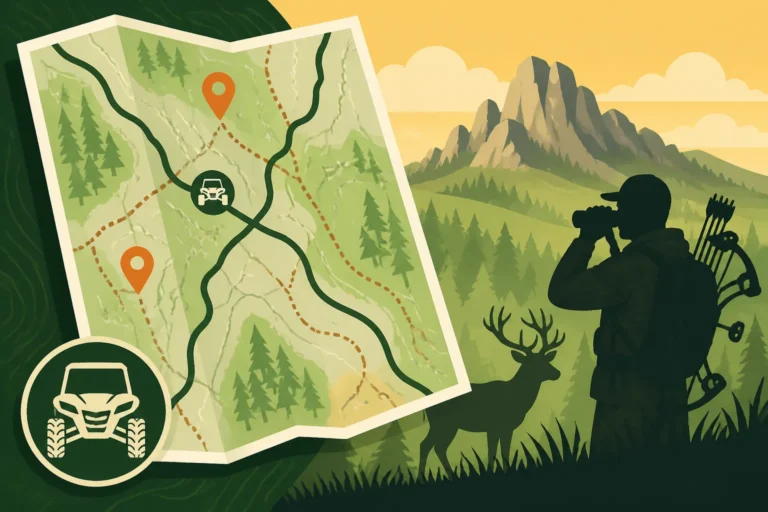
In today's hunting world, digital mapping tools are no longer a luxury; they are an absolute necessity, especially when dealing with the intricate land ownership of the Missouri River. Using apps like onX Hunt or GoHunt allows you to meticulously scout from your couch, identifying public land boundaries, terrain features, and potential access routes long before you ever set foot on the ground.
Here’s how to maximize these tools:
- Layer it up: Use the various map layers available. The public/private land layer is paramount, but also delve into topo maps to understand elevation changes and aerial imagery to identify cover, timber lines, water features, and potential travel corridors for game. Reading Aerial Imagery for Cattail Cover can reveal hidden pheasant hotspots on Corps land, for example.
- Mark Waypoints: Don't just look; mark. Save potential parking spots, obscure access trails, good glassing knobs, water sources, and areas of high game sign. This builds a digital library of knowledge for future hunts.
- Offline Maps: Crucially, download offline maps for your hunting areas before you lose cell service. Many remote areas along the Missouri River have spotty to no cell coverage, and you don't want your navigation to go dark when you're miles from the truck.
- Scouting from Home: Take virtual drives on Google Earth along roads adjacent to public land. Look for gates, cattle guards, or signs that might indicate access points not clearly marked on other maps.
- Understand River Dynamics: The river's water level can fluctuate, impacting access, boat launch usability, and the exposure of sandbars. While apps won't give real-time levels, knowing historical patterns can help.
Pre-season planning goes beyond maps. It involves understanding South Dakota Deer Licence Types by Region and the draw odds for different units that encompass the river, as well as checking specific South Dakota Waterfowl Season Dates for the zones you plan to hunt. Think about what game you're targeting and how their behavior changes with the season and the river's influence. Are you chasing rutting whitetails in the timber or setting up for late-season geese in cut fields near the river? Each requires a different strategic approach and understanding of game movement.
Species Specific Hunting Along the Missouri River
The Missouri River truly shines as a multi-species hunting destination. From the high-flying waterfowl to the elusive deer that inhabit its banks, understanding the specific tactics for each can significantly boost your success.
Waterfowl Havens on the Big Water
The Missouri River reservoirs are a critical migration corridor and wintering ground for countless ducks and geese on the Central Flyway. It's not just a stopover; for many birds, it's home for a significant portion of the fall and winter. Hunting waterfowl here can be spectacular, but it's often a game of logistics and reading the conditions.
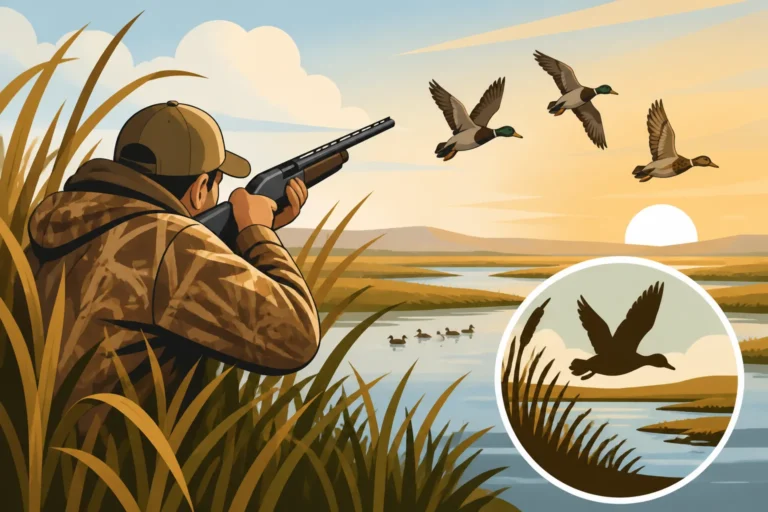
- Ducks: Mallards, gadwalls, wigeon, and various diving ducks are abundant. Focus on smaller, sheltered bays, backwaters, and sloughs that offer food (often waste grain from adjacent fields) and protection from the main lake's winds. Decoy spreads vary widely. For puddle ducks, a dozen or two mallard decoys in a natural-looking spread can be effective. For divers, larger spreads anchored in deeper water, often with specialized diver decoys, are key. Jump shooting stock dams or smaller potholes near the river can also yield birds. Concealment is paramount; brushed-in boat blinds, layout blinds on shorelines, or natural cover are essential. Always be aware of other hunters, especially on popular points or islands.
- Geese: Canada geese are prevalent, and snow geese pass through in astronomical numbers during their spring conservation order. For Canadas, field hunting in cut corn or bean fields adjacent to the river is a classic tactic, often requiring large decoy spreads (several dozen to hundreds of full-body or shell decoys) and well-hidden layout blinds. Field Hunting Geese in South Dakota Cut Corn is a prime example. On the big water, geese will often roost on large, undisturbed sandbars or open water. Decoying them can be tricky but rewarding, often involving large spreads on these sandbars. Scouting for feeding patterns is critical for geese; watch where they fly out to feed in the mornings and evenings.
- Weather's Impact: Wind is arguably the biggest factor in Missouri River waterfowl hunting. A stiff breeze can make decoying much more effective, bringing birds into range. However, it also makes boat travel dangerous and can quickly whip up waves that swamp decoys or small boats. Pay close attention to wind forecasts. Cold weather often pushes more birds south and can concentrate them on larger, open water sections that remain ice-free.
Deer Hunting in the River Bottoms and Breaks
The Missouri River corridor, with its diverse habitat, supports robust populations of both white-tailed deer and, on the west side of the river, mule deer. Hunting deer here can be as challenging as it is rewarding, often requiring a combination of patience, strategic placement, and an understanding of the terrain.
- Whitetails: These deer thrive in the dense river bottom timber, cedar thickets, and brushy draws that line the reservoirs. They use the heavy cover for bedding and the adjacent agricultural fields (often private, but sometimes within public access programs) for feeding. Hunting Narrow Timber Strips that run along the river can be incredibly productive, as deer use these as travel corridors between bedding and feeding areas. Treestand setups on major trails or pinch points along these timber lines, especially near water, are highly effective. During the rut, bucks will cruise these areas relentlessly. Understanding How Buck Movement Changes Through the Rut is crucial for timing your hunt. Ground blinds can also be effective in dense cover, particularly if you can scout and set them up well in advance.
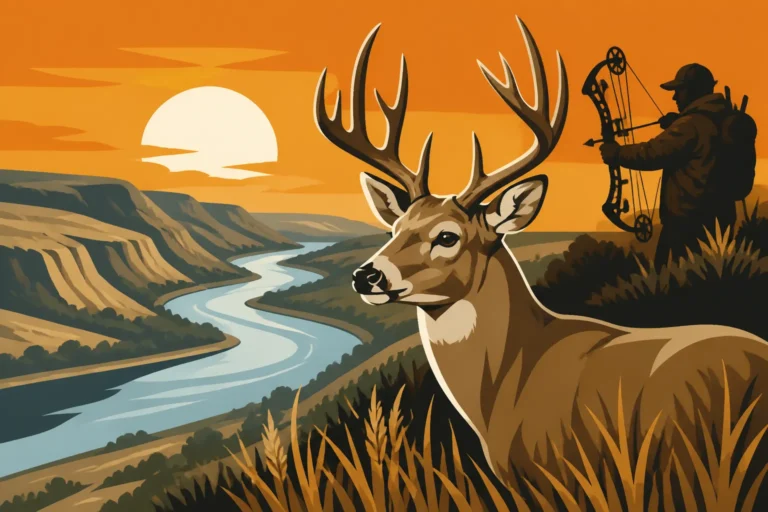
- Mule Deer: On the rugged West River side of the Missouri, particularly around Lake Oahe and the upper reaches of Francis Case, you'll encounter mule deer. These deer prefer the open, broken country of the river breaks, sagebrush flats, and steep coulees. Spot-and-stalk tactics are often employed here. Glassing South Dakota Breaks at First Light from a high vantage point is key, patiently picking apart the terrain for bedded or moving bucks. Once a buck is spotted, a careful stalk using the contours of the land is necessary to get within shooting range. These hunts are physically demanding, often involving long walks and steep climbs, but the reward of a big mule deer buck in this wild landscape is immense.
- Scouting: Regardless of species, pre-season scouting is paramount. Look for rubs, scrapes, fresh tracks, and bedding areas. Identify pinch points, creek crossings, and natural funnels that deer use. The river itself can act as a massive funnel, concentrating deer movement in specific areas. Use your mapping apps to analyze terrain and predict deer travel.
Respecting the Resource and Other Users
Hunting along the Missouri River is a privilege, and it comes with the responsibility to respect both the natural environment and your fellow outdoor enthusiasts. This includes navigating shared spaces gracefully and prioritizing safety at all times.
Navigating Shared Spaces and Etiquette
The Missouri River reservoirs are magnets for all sorts of outdoor recreation – hunting, fishing, boating, camping, hiking, and wildlife viewing. This means that as a hunter, you will inevitably share these spaces with others. How you conduct yourself directly impacts the perception of hunters and the continued access we all enjoy.
- Be Considerate of Other Hunters: If you arrive at a public access point or a section of public land and another hunting party is already set up, extend them the courtesy of finding another spot. This is especially true for waterfowl hunting, where setting up too close can ruin everyone's hunt. Communication is key; if you can safely do so, a friendly wave or quick chat can clarify intentions and prevent conflicts. Remember the "first come, first served" principle on public land. Pheasant Hunting Etiquette on Public Ground applies here as well, even if you're not specifically chasing pheasants.
- Respect Anglers and Boaters: Waterfowl hunters often operate in the same bays and channels as anglers. Maintain a safe distance, avoid shooting directly over fishing boats, and understand that they have just as much right to be there as you do. When traveling by boat, always operate at safe speeds and be mindful of wakes, particularly near smaller fishing boats or kayaks.
- Leave No Trace: This is non-negotiable. Pack out everything you pack in, and then some. This includes shell casings, snack wrappers, empty water bottles, and anything else. Field dress your game responsibly, away from high-traffic areas, and dispose of offal properly (or pack it out if required). Leaving a clean camp and hunting area is a fundamental part of responsible outdoor stewardship.
- Stay within Boundaries: This loops back to maps. Double-check your location frequently, especially when traversing complex land ownership areas. Inadvertent trespass creates ill will with landowners and can lead to legal issues. Using tools like onX Hunt makes it easier to stay on the right side of the fence.
Safety Considerations on and Around the River
The Missouri River is a powerful and unpredictable force, and hunting near or on its waters carries inherent risks. Prioritizing safety is paramount, not just for you but for everyone else in your party and on the water.
- Boat Safety: If you're using a boat for access, ensure it's in good working order, has all required safety gear (life jackets for everyone, whistle, throw cushion, fire extinguisher), and enough fuel. Understand basic navigation rules, especially in changing weather. Wind can whip up dangerous waves on these large reservoirs in a matter of minutes. Always wear your life jacket when underway, especially in cold weather. Layering for South Dakota Wind is essential, as temperatures can drop quickly.
- Cold Water Risk: Hunting seasons often extend into late fall and early winter, when water temperatures are lethally cold. Falling into the Missouri River in November or December can lead to rapid Hypothermia Risk on Open Prairie and even death. Dress in layers of non-cotton clothing, and if boating, consider a dry suit or immersion suit if conditions warrant. Let someone know your float plan and expected return time.
- Terrain Hazards: The river breaks and coulees can be steep, rocky, and slippery, especially when wet or icy. Wear appropriate footwear with good ankle support. Be aware of loose rocks, unstable banks, and dense vegetation that can obscure footing.
- Firearm Safety: Always adhere to the four fundamental rules of firearm safety. Be extra cautious when hunting in groups, especially during bird drives, and always know what's beyond your target. With blockers ahead, Muzzle Discipline With Blockers Ahead is not just etiquette; it's a critical safety measure.
- Weather Changes: South Dakota weather, particularly along the open river, can change drastically and rapidly. A warm, sunny morning can quickly turn into a cold, windy, rainy, or snowy afternoon. Check the forecast before you go, and pack extra layers, rain gear, and emergency supplies. Getting caught unprepared for a blizzard or a sudden drop in temperature can turn a hunt dangerous.
| Reservoir | Primary Game Species | Key Access Strategy | Terrain & Cover | Unique Considerations |
|---|---|---|---|---|
| Lake Oahe | Whitetail, Mule Deer, Pheasant, Waterfowl | Boat, Remote Walk-In | Vast, rugged breaks, deep coulees, scattered timber, open prairie, limited agriculture | Very large, strong winds, can be remote, good for solitude |
| Lake Sharpe | Whitetail, Pheasant, Waterfowl | Boat, Public Ramps, Limited Walk-In | Rolling hills, significant river timber, agricultural interfaces, brushy draws | Moderate size, good whitetail numbers, often less remote than Oahe |
| Lake Francis Case | Whitetail, Turkey, Pheasant, Waterfowl | Public Ramps, Walk-In, Boat | Steep bluffs, dense cedars, large timber tracts, some prairie and agriculture | Rugged terrain, physically demanding, diverse game, good turkey potential |
| Gavins Point/Lewis & Clark | Waterfowl, Whitetail, Turkey | Public Ramps, Boat, Walk-In | Rolling hills, mature river timber, sandbars, agricultural land | Smaller, popular, good for waterfowl, islands are key, potentially more pressure |
Essential Gear and Preparations for River Hunts
Hunting the Missouri River demands a specific set of gear and a rigorous approach to preparation. The environment is challenging, and being adequately equipped can be the difference between a successful, safe hunt and a miserable, potentially dangerous one.
Watercraft Considerations for River Access
As we've discussed, a boat is often your key to unlocking prime, unpressured hunting spots along the Missouri River. But not just any boat will do.
- Boat Type: For crossing large, open water and handling the unpredictable winds and waves of the main reservoirs, a sturdy V-hull boat (16-18 feet minimum) with a capable outboard motor is often preferred. Aluminum is durable and lighter for launching. For shallower backwaters, sloughs, and accessing smaller islands, a stable Jon boat or flat-bottom boat might be more appropriate, especially if you're trying to get into tight spots or navigate shallow mud flats. Airboats are also used by some for specific marshy areas but are highly specialized.
- Motor Size and Reliability: Don't skimp on horsepower. You'll want enough motor to safely navigate against currents and quickly cross open water when weather threatens. A reliable, well-maintained outboard is critical. Always carry a spare prop, tools, and a repair kit, and consider a small kicker motor for emergency propulsion. Running out of gas or having a mechanical failure miles from a ramp on a cold day is a serious situation.
- Anchoring and Retrieval: For waterfowl hunting or setting up for a deer hunt from an island, you'll need a robust anchoring system. Heavy anchors (like mushroom or river anchors) and plenty of rope are essential to hold your position in strong currents or winds. A stern anchor can help stabilize your boat. For retrieving game, a bow-mounted trolling motor can be incredibly helpful for maneuvering in tight spaces or slowly approaching downed birds.
- Safety Gear: Beyond the legally required life jackets, have a marine radio (VHF), a well-stocked first-aid kit, emergency flares, a loud whistle or air horn, a throwable flotation device, and a fully charged cell phone (in a waterproof case, with offline maps downloaded). A strong spotlight is essential for navigating in the dark or early morning. Consider a GPS unit separate from your phone.
Clothing, Navigation, and Emergency Preparedness
Your personal gear also needs to be up to the task of facing the elements and challenges of the Missouri River.
- Layered Clothing: This is perhaps the most critical aspect of clothing for South Dakota hunting. The weather can swing wildly, and you need to be able to add or shed layers to regulate your body temperature. Start with a moisture-wicking base layer, add insulating mid-layers (fleece, down, synthetic puffies), and top it with a waterproof and windproof outer shell. Layering for South Dakota Wind means thinking about protecting yourself from constant exposure, which will chill you to the bone faster than just cold temperatures. Wool or synthetic materials are far superior to cotton, which loses all insulating properties when wet.
- Waterproofs: Speaking of wet, waterproof outer layers, gloves, and boots are absolutely non-negotiable. Whether it's rain, snow, or simply spray from the boat, staying dry is key to staying warm and comfortable. For trudging through shoreline muck or wading in shallow water, a good pair of knee-high rubber boots or chest waders will save your hunt.
- Navigation Tools: A reliable GPS unit or a smartphone with a robust hunting app (like onX Hunt or GoHunt) is essential. Make sure it's fully charged, and carry a portable power bank. As mentioned, download offline maps. While not as precise for navigation, a physical compass and paper map are excellent backups in case of electronic failure. Always have a headlamp or powerful flashlight with extra batteries for those early morning starts or late evening finishes.
- First-Aid and Emergency Kit: Beyond basic cuts and scrapes, your kit should include items for severe bleeding, sprains, blisters, and any personal medications. Carry fire-starting materials, a multi-tool, duct tape, cordage, emergency blankets, and enough water and high-energy snacks for at least a day longer than you plan to be out. Leaving a Trip Plan Before a Hunt with someone at home is a vital safety measure. Inform them of your route, expected return time, and who you are with.
- Eye and Ear Protection: Especially for waterfowl or upland bird hunting, hearing protection is critical. Shooting glasses not only protect your eyes from debris and glare but are also a fundamental safety item.
By carefully considering your watercraft, clothing, and emergency preparedness, you'll be well-equipped to tackle the fantastic, yet often demanding, hunting opportunities that the Missouri River in South Dakota has to offer. It's a truly wild and special place, and with the right approach, you can have some incredible hunting adventures there.
Disclaimer
This article is for general informational purposes only and does not constitute professional advice. Laws, prices and regulations vary by location and change over time. Consult a qualified professional for guidance on your specific situation.